How Long Does a Rash Last? Timelines, Causes & Recovery Tips
Wondering how long a rash lasts? Learn typical rash durations by cause, home care tips, when to see a doctor, and how to soothe mild rashes safely.

Estimated reading time: 14 min
Key Takeaways
- Most mild rashes resolve within days to weeks, but duration varies by cause.
- Heat rash and hives often clear quickly; viral rashes can last up to two weeks.
- Home care—gentle cleansing, moisturizing, and anti-itch creams—may help support healing.
- Persistent, spreading, or painful rashes may signal infection or a chronic issue—see a doctor if concerned.
- Using tools like Rash Detector can help you better understand your rash, but professional diagnosis is vital for severe cases.
Table of Contents
- Section 1: What Affects How Long a Rash Lasts?
- Section 2: Fast-Resolving Rashes—Heat Rash, Hives, and More
- Section 3: How Long Do Viral Rashes Last?
- Section 4: Allergic and Contact Dermatitis Rash Timelines
- Section 5: Drug Allergy and Medication Rash Duration
- Section 6: Chronic and Persistent Rashes—Eczema, Psoriasis, and When to Worry
- Section 7: Home Care, Relief, and When to See a Doctor
- Section 8: How to Treat a Rash at Home—Practical Steps and What to Avoid
- Conclusion
- FAQ
Section 1: What Affects How Long a Rash Lasts?
Understanding Rash Duration
"How long does a rash last?" is a question with many answers. The answer depends on the underlying cause, your skin's sensitivity, your age, and the steps you take for home care. Some rashes are fleeting, lasting only hours, while others can linger for weeks or even months.
- Cause of the rash: Infectious (like viral or bacterial), allergic, irritant, or chronic conditions all have different timelines.
- Location on the body: Sensitive areas (face, groin) may heal more slowly or be more prone to irritation.
- Severity and spread: Mild, localized rashes may clear faster than widespread or severe ones.
- Your general health: Chronic illnesses, immune deficiencies, or medications can delay healing.
Key Factors Impacting Healing
There are a few main elements that can influence how quickly a rash will disappear:
- Prompt removal of the trigger—such as stopping an offending soap or medication—may lead to faster improvement.
- Appropriate at-home care (gentle cleansing, moisturization, and use of anti-itch cream) can help soothe inflammation and support recovery.
- Underlying skin conditions—like eczema or psoriasis—may cause rashes that persist or recur over time.
When Duration Becomes a Concern
Many simple rashes begin to improve within a few days, but certain warning signs warrant medical attention:
- Rash lasts longer than 2 weeks without improvement
- Rapid spreading, blistering, or pain
- Associated fever, swelling, or signs of infection (pus, warmth, red streaks)
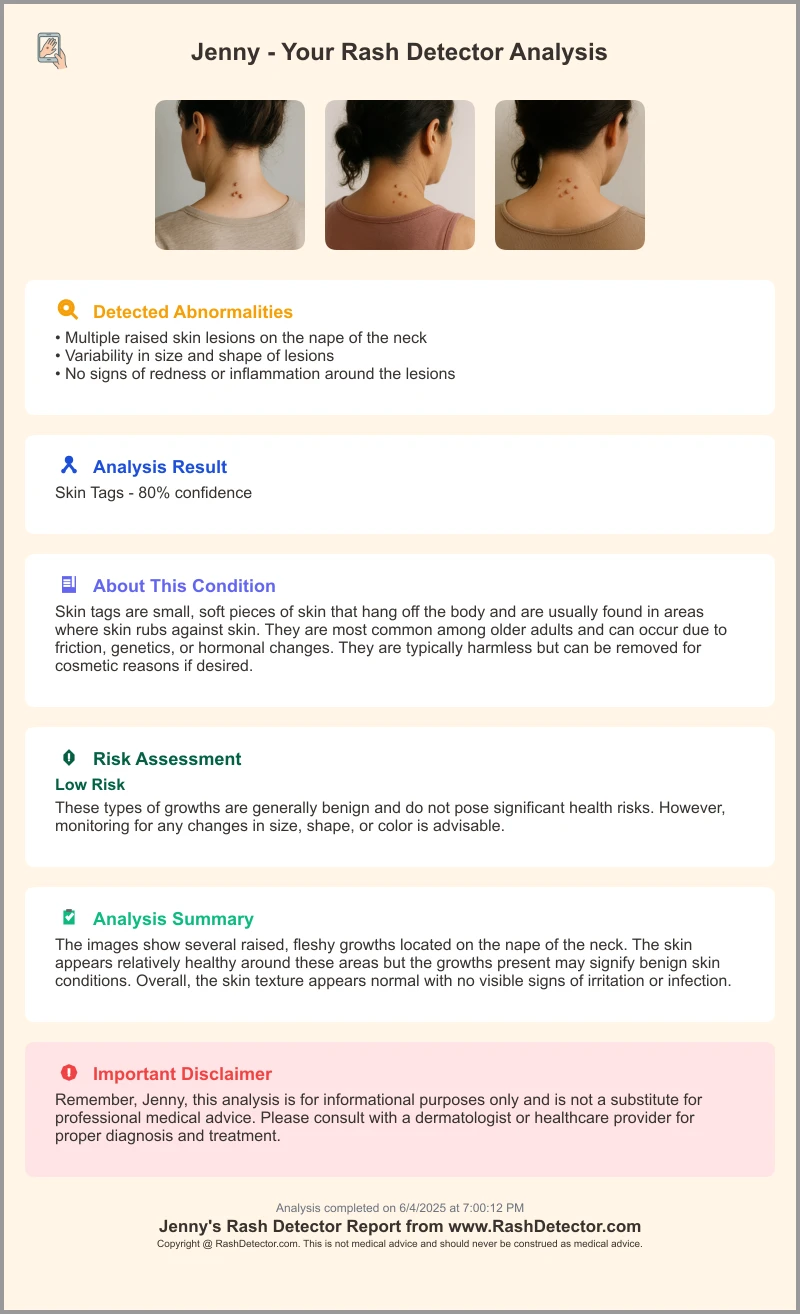
For a quick, AI-powered initial assessment, you can try Rash Detector by uploading images of your rash. Always consult a medical professional for diagnosis and treatment, especially with severe or persistent symptoms.
Section 2: Fast-Resolving Rashes—Heat Rash, Hives, and More
Heat Rash (Miliaria)
Heat rash, also known as prickly heat or miliaria, often appears as tiny red bumps or blisters, especially in hot, humid conditions. It frequently affects babies and those who sweat excessively.
- Typical duration: Often 1–3 days after removing the heat or sweat trigger
- Relief: Cooling the skin, wearing breathable clothing, and gentle cleansing
Learn more about prevention in How to Prevent Heat Rash: Practical Tips for Every Season.
Hives (Urticaria)
Hives are raised, itchy welts that may appear and disappear rapidly. They are often triggered by allergies, stress, or sometimes unknown causes.
- Duration: Many acute hives resolve within 24 hours; chronic hives may persist for weeks
- Relief: Oral antihistamines, cool compresses, avoiding triggers
Minor Irritant Rashes
Rashes from soaps, detergents, or friction can sometimes clear up quickly if the irritant is removed.
- Duration: Often 1–7 days after stopping exposure
- Home care: Gentle cleansing, fragrance-free moisturizer, and avoiding scratching
For many fast-resolving rashes, improvement is seen within days—especially with basic home remedies and avoidance of triggers.
Section 3: How Long Do Viral Rashes Last?
Common Viral Rash Timelines
Viral rashes are especially common in children, but adults can be affected too. Duration varies depending on the virus:
- Roseola: Rash appears as fever subsides, lasting 1–2 days
- Measles: Rash develops 3–5 days after fever and lasts about 5–7 days
- Chickenpox: Spots appear in "crops," with new lesions for 3–5 days; full resolution in 1–2 weeks
- Hand-foot-and-mouth disease: Rash and mouth sores typically last 7–10 days
- Fifth disease (Parvovirus B19): Cheek rash fades within 2–5 days, but body rash may last up to 3 weeks
What Helps Viral Rashes Heal?
- Rest and hydration
- Soothing lotions (such as calamine)
- Oatmeal baths for itch relief
- Avoiding scratching to help prevent infection
Note: Most viral rashes heal on their own. If your child develops a high fever, lethargy, difficulty breathing, or the rash looks purple or bruised, seek immediate medical care.
Contagiousness and Recovery
Many viral rashes are contagious until the rash has fully crusted over or faded. Practice good hygiene and avoid close contact with vulnerable individuals during this period.
Section 4: Allergic and Contact Dermatitis Rash Timelines
Contact Dermatitis—Quick Overview
Contact dermatitis occurs when skin comes into direct contact with an allergen or irritant—think poison ivy, nickel, fragrances, or harsh cleaning products.
- Allergic contact dermatitis: Rash may appear 12–48 hours after exposure
- Irritant contact dermatitis: Can develop within minutes to hours
- Duration: Typically improves within 1–2 weeks after avoiding the trigger
How to Speed Recovery
- Identify and avoid the offending substance
- Use fragrance-free moisturizers
- Topical anti-itch creams (hydrocortisone or calamine) for mild cases
- Cool compresses to reduce inflammation
For more guidance on treating allergic and contact rashes, visit Skin Rash Treatment: Effective Solutions and Smart Tools.
When Allergic Rashes Linger
- If the allergen is not fully removed, the rash can persist or worsen.
- Chronic contact dermatitis may last for months if exposure continues.
- Secondary infection is a risk if the skin is broken from scratching.
If your rash is severe, involves swelling of the face or throat, or is associated with trouble breathing, seek urgent medical care.
Section 5: Drug Allergy and Medication Rash Duration
Drug Rash Onset and Timeline
Drug rashes—caused by allergic or non-allergic reactions to medications—can appear within hours to weeks after starting a new drug. Common culprits include antibiotics, anti-seizure medicines, and NSAIDs.
- Onset: 1–14 days after starting medication (sometimes sooner with repeat exposures)
- Duration: Rash often peaks within days of stopping the drug, then fades over 1–2 weeks
Some drug rashes may persist for several weeks, especially if the medication is not stopped promptly or if the immune system is involved (as with severe reactions).
What to Do if You Suspect a Drug Rash
- Contact your healthcare provider before stopping any prescribed medication
- Seek emergency care for severe symptoms: shortness of breath, swelling, blistering, or mucous membrane involvement
- Document the medication and onset for future reference
For more on how to recognize and manage medication-related rashes, see Drug Allergy Rash: Identification, Causes, and What to Do.
After the Rash: Recovery and Prevention
- Skin may peel or fade over 1–2 weeks after the reaction ends
- Rarely, post-inflammatory pigmentation changes can persist for months
- Always inform future doctors of any medication allergies
Section 6: Chronic and Persistent Rashes—Eczema, Psoriasis, and When to Worry
Chronic Rash Causes
Some rashes don’t resolve quickly and may become long-term (chronic) or recurrent. Common chronic rashes include:
- Eczema (atopic dermatitis): Dry, itchy patches that flare and subside over months or years
- Psoriasis: Red, scaly plaques, often on elbows, knees, and scalp, persisting for months
- Lichen planus, seborrheic dermatitis, and others
Duration and Flare Patterns
- Chronic rashes may last for weeks to months, sometimes with periods of remission
- Triggers (stress, weather, allergens) can cause flares
- Long-term management, not quick cure, is usually needed
When Should You Worry?
- Rash that doesn’t improve after 2 weeks of home care
- Painful, blistering, or rapidly spreading rash
- Associated with fever, joint pain, or systemic symptoms
Chronic rashes often need a dermatologist’s evaluation for accurate diagnosis and targeted treatment. Don’t delay seeking help for stubborn or worsening skin problems—early intervention can help prevent complications.
Section 7: Home Care, Relief, and When to See a Doctor
Basic Home Care for Rashes
Most mild rashes can be managed at home with gentle care and symptom relief. Here’s how to treat a rash at home safely:
- Gentle cleansing: Use lukewarm water and mild, fragrance-free soap; pat dry
- Moisturize: Apply a fragrance-free, hypoallergenic moisturizer to protect skin
- Anti-itch relief: Use an anti-itch cream (such as 1% hydrocortisone for mild inflammation, or oral antihistamines for hives)
- Cool compresses: Soothe itching and redness with a clean, damp cloth
- Loose clothing: Prevent irritation by wearing soft, breathable fabrics
Hydrocortisone vs Antihistamine for Rashes
- Hydrocortisone cream: May help with localized, itchy inflammation (eczema, mild contact dermatitis); don’t use on open wounds or for more than 1–2 weeks without medical advice
- Antihistamines: Oral medications (like cetirizine or loratadine) may help with widespread itching or hives; topical antihistamines can sometimes cause irritation
When to Seek Medical Care
- Rash lasts more than 2 weeks or worsens
- Involves mouth, eyes, or genitals
- Comes with fever, malaise, or pain
- Shows signs of infection (pus, yellow crust, increasing redness, warmth, or swelling)
Never ignore a severe, spreading, or painful rash. Early evaluation by a doctor or dermatologist is crucial for proper treatment and to rule out serious causes.
Section 8: How to Treat a Rash at Home—Practical Steps and What to Avoid
Step-by-Step At-Home Rash Soothing
- Wash hands before and after touching the rash.
- Gently cleanse the area with mild soap and lukewarm water.
- Pat dry; avoid rubbing or scratching.
- Apply a fragrance-free moisturizer immediately after drying.
- Use anti-itch cream or oral antihistamine if recommended for your rash type.
- Keep fingernails trimmed to reduce skin damage from scratching.
Home Remedies for a Rash
- Oatmeal baths: Add colloidal oatmeal to bathwater for soothing relief
- Calamine lotion: May help reduce itching from chickenpox, poison ivy, and insect bites
- Coconut oil or petroleum jelly: Locks in moisture for dry, irritated skin
What to Avoid
- Harsh soaps, scrubs, or alcohol-based products
- Fragranced lotions or creams
- Hot showers or baths
- Scratching or picking at the rash
If you’re unsure about the type of rash or the best way to treat it, consider using Rash Detector for instant analysis, then follow up with a healthcare professional for a diagnosis and treatment plan.
Conclusion
"How long does a rash last?" is a question best answered by considering the cause, location, and your skin’s response to care. Simple rashes from heat, mild irritation, or brief allergic exposures often resolve within days, while viral and drug-induced rashes can last a week or more. Chronic skin conditions may persist for months and require expert management.
Remember: gentle home care, prompt avoidance of triggers, and use of the right anti-itch remedies can help soothe many rashes. But if your rash is severe, persistent, spreading, or accompanied by other symptoms, seek medical attention promptly. Early diagnosis is key to proper treatment and peace of mind. For more in-depth guidance, visit our detailed posts on skin rash treatment and drug allergy rash management.
FAQ
Q: How long does a rash last on average?
A: Mild rashes from irritation, heat, or hives often clear within a few days. Viral rashes may last up to two weeks, while allergic or drug rashes can take 1–3 weeks to fully resolve. Chronic conditions like eczema or psoriasis can persist for months or longer.
Q: How long does an allergic reaction rash last?
A: Allergic rashes (such as from plants, metals, or chemicals) typically improve within 1–2 weeks after avoiding the trigger. If exposure continues or the rash is severe, it may last longer. Seek medical care if symptoms worsen or spread.
Q: How long does contact dermatitis last?
A: Contact dermatitis generally improves within 1–2 weeks once the irritant or allergen is removed. Persistent rashes may indicate ongoing exposure or a secondary infection; see a doctor if it does not improve.
Q: How long does a viral rash last?
A: The timeline depends on the virus: roseola (1–2 days), measles (5–7 days), chickenpox (1–2 weeks), hand-foot-and-mouth (7–10 days), and fifth disease (up to 3 weeks). Most fade on their own with supportive care.
Q: When should I worry if a rash is not going away?
A: If a rash lasts more than 2 weeks, is spreading, painful, blistering, or associated with fever, seek medical attention. These may be signs of infection, allergy, or a more serious underlying problem.
Q: Can a rash last for weeks or months?
A: Yes, chronic rashes from eczema, psoriasis, or ongoing exposure to irritants/allergens can last for weeks or months and often require ongoing management by a dermatologist.
This article is for educational purposes only. For diagnosis and personalized treatment, always consult a healthcare professional, especially for severe, spreading, or persistent rashes.
ウィッグを購入する前に、ネットや固定用品が付属するかも確認しておきましょう。具体的な候補を確認する場合は、フリーナ コスプレウィッグから関連する商品や情報を比較できます。セットするときは耐熱温度を守り、目立たない部分から少量ずつ試しましょう。