How to Treat Rash from Insect Bites Naturally: Effective Home Remedies
Learn how to treat rash from insect bites naturally with safe home remedies. Stop itching, reduce swelling, and know when to see a doctor for a rash.


Estimated reading time: 9 min
Key Takeaways
- Natural remedies like aloe vera, oatmeal, and cold compresses may help soothe mild rashes from insect bites.
- Gentle cleansing and avoiding scratching can help prevent infection and support healing.
- Over-the-counter anti-itch creams may be used if home remedies are not enough.
- Red flag symptoms (spreading, severe pain, fever, pus) mean it's time to see a doctor.
- Apps like Rash Detector offer fast, private analysis for rashes at home, but do not replace professional medical advice.
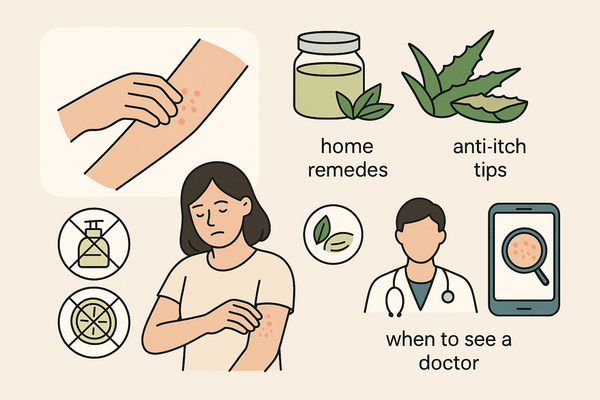
Wondering how to treat a rash from insect bites naturally? Whether you’re dealing with itchy mosquito bites or a patchy red rash from another bug, this guide covers some common home remedies for a rash, how to help stop a rash from itching, and when to seek medical help. Mild rashes sometimes respond well to at-home care, but knowing the warning signs for something more serious is just as important. Read on for step-by-step instructions and practical tips to soothe your skin safely. Always consult a doctor or dermatologist for diagnosis and treatment, especially if symptoms are severe, spreading, painful, or persistent.
Step 1: Cleanse the Rash Gently
Start by washing the affected area with mild soap and cool water. This helps remove any remaining insect saliva, venom, or dirt that might cause irritation or infection.
- Use a soft washcloth—avoid scrubbing, which can make the rash worse.
- Pat the skin dry gently with a clean towel.
- Do not use harsh soaps, alcohol, or hydrogen peroxide, as these can dry or damage irritated skin.
This first step creates a clean base for any natural remedies you apply next.
Step 2: Soothe with Cold Compresses
Cold may help reduce swelling, numb itchiness, and ease discomfort from insect bites. Apply a cold compress right after cleansing for relief.
- Wrap a few ice cubes or a cold pack in a clean cloth, then place it gently on the rash for 10–15 minutes.
- Repeat several times a day as needed, but never put ice directly on skin (it may cause frostbite).
- If you don’t have ice, a chilled cucumber slice or cold, damp washcloth may also help.
Cold compresses are especially helpful for fresh bites or when swelling is present.
Step 3: Try Natural Anti-Itch Remedies
Several household ingredients are commonly used to calm itching and reduce redness. Here are some home remedies sometimes used for a rash from insect bites:
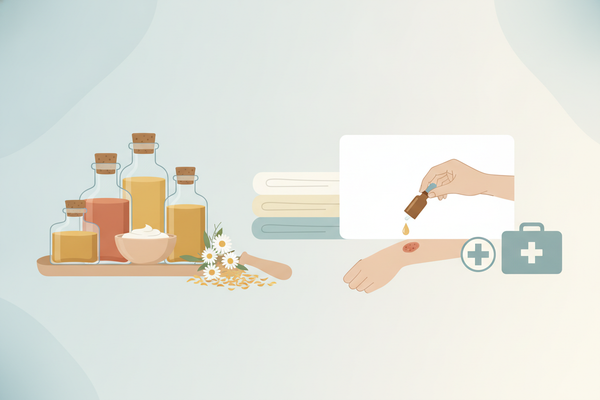
- Aloe vera gel: May have cooling and anti-inflammatory properties. Apply pure aloe gel directly to the rash 2–3 times daily.
- Oatmeal paste: Mix plain oatmeal with a little water to make a thick paste. Spread over the rash, let sit 10–20 minutes, then rinse off.
- Baking soda: Make a paste with baking soda and water. Dab onto bites for 10 minutes, then rinse away. Some people find this helps neutralize itch and irritation.
- Honey: Has natural soothing properties. Dab a small amount on the rash and cover lightly if needed.
- Apple cider vinegar: Dilute with equal parts water and apply with a cotton ball for relief (avoid if skin is broken).
- Cooled chamomile or green tea bags: Press a used, chilled tea bag onto the rash for 10 minutes to help calm swelling and itch.
Always test a small area first to check for reactions, especially with sensitive skin. For more on anti-itch options, see Best Anti Itch Cream: Top Picks and How to Choose.
Step 4: Moisturize and Protect the Skin
Moisturizing helps keep skin hydrated and may support healing. After using a natural remedy or washing the rash, apply a gentle, fragrance-free moisturizer.
- Look for products labeled "hypoallergenic" or designed for sensitive skin.
- Natural oils like coconut oil or shea butter can also help, but avoid if you have a known allergy.
- For extra protection, cover the rash lightly with a bandage to prevent scratching.
Moisturizers can create a barrier that locks in moisture and keeps irritants out.
Step 5: Avoid Scratching and Further Irritation
Scratching a rash often makes it worse and increases the risk of infection. Try these techniques to help stop a rash from itching and keep your skin safe:
- Keep fingernails trimmed short and clean.
- Wear loose, breathable clothing over the rash.
- Distract yourself with activities, or use a soft bandage as a reminder not to scratch.
- If itching is severe, ask your doctor or pharmacist about oral antihistamines or topical hydrocortisone cream. Learn about their differences in Skin Rash Treatment: Effective Solutions and Smart Tools.
Remember, breaking the skin increases infection risk and slows healing.
Step 6: Home Treatment for Multiple or Widespread Bites
If you have several bites or a rash that covers a large area, soaking treatments may provide full-body relief:
- Oatmeal bath: Add 1–2 cups of colloidal oatmeal (or finely ground plain oats) to a lukewarm bath. Soak for 15–20 minutes, then pat dry.
- Baking soda bath: Dissolve 1/2 cup baking soda in the tub to help calm itching all over.
- Moisturize immediately after bathing to seal in moisture.
These gentle soaks are generally considered safe for most ages and skin types, but avoid hot water, which can worsen itching. If you have concerns or underlying health conditions, consult a healthcare provider before trying new remedies.
Step 7: Know When to See a Doctor for a Rash
Most mild rashes from insect bites improve with home care in a few days. However, some symptoms mean you should get medical help right away:
- Rash is spreading quickly, blistering, or becoming very painful
- Signs of infection: pus, yellow crusting, severe redness, or warmth
- Fever, chills, or feeling generally unwell
- Swelling of lips, tongue, or trouble breathing (emergency—call 911)
- Rash lasts longer than a week or keeps returning
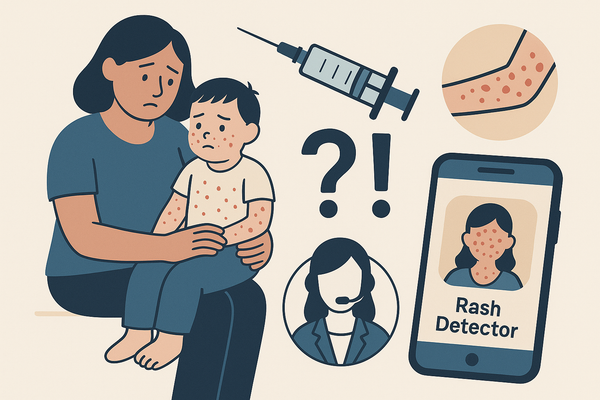
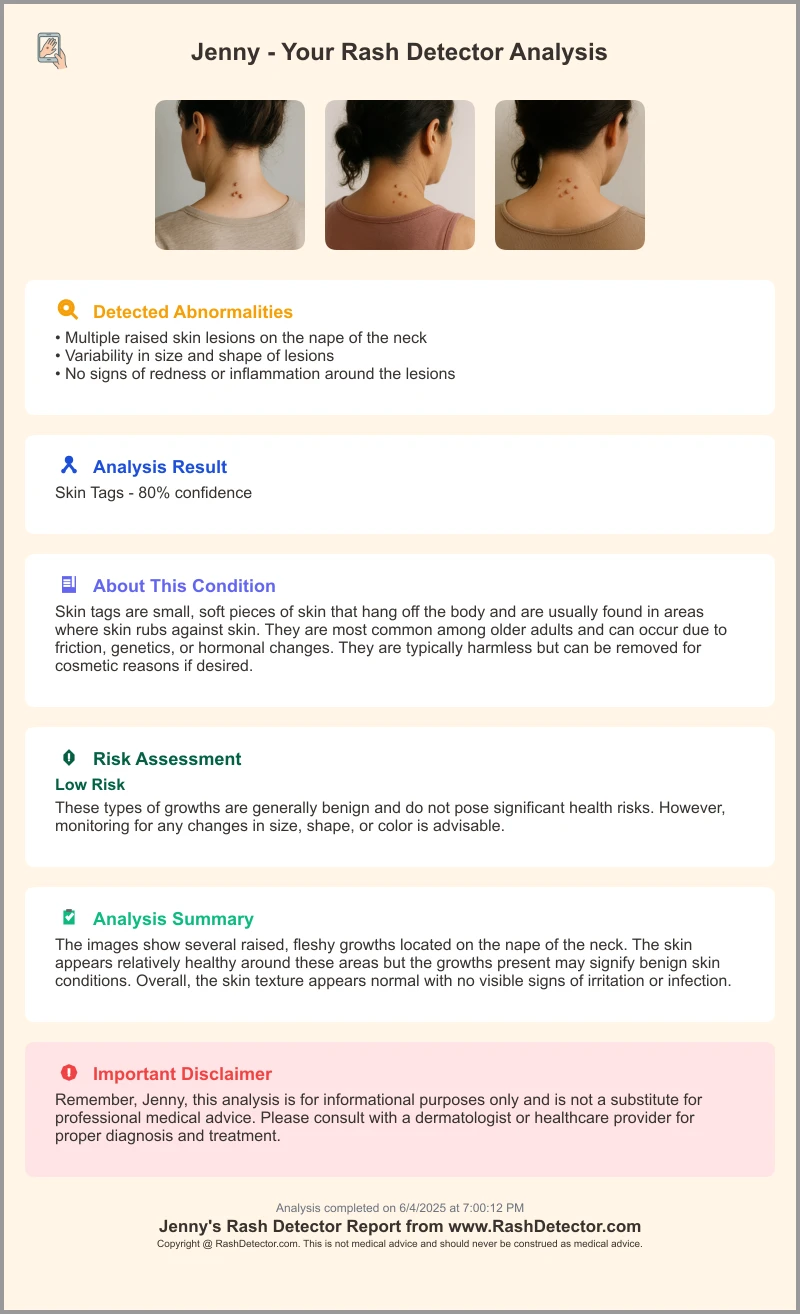
Never ignore these red flags. For persistent or unusual rashes, consider using an AI skin app like Rash Detector for instant analysis, and follow up with your doctor or dermatologist for diagnosis and treatment. Only a healthcare professional can provide a definitive diagnosis and recommend appropriate treatment.
Tips & Common Mistakes
- Always patch-test any new home remedy on a small area first.
- Don’t apply pure essential oils directly to skin—dilute them if used, and consult a healthcare provider if unsure.
- Avoid scratching or picking, even if the rash is extremely itchy.
- Never use harsh cleaners, alcohol, or hydrogen peroxide on a rash.
- Don’t cover rashes with thick, airtight bandages; let skin breathe.
- For more on different rash types and treatments, explore Drug Rash Treatment: Effective Solutions for Skin Reactions.
Conclusion
Knowing how to treat a rash from insect bites naturally can help you find relief and protect your skin. Many mild rashes improve with simple home remedies like aloe, oatmeal, and cold compresses. Keep the area clean, moisturized, and avoid scratching. If the rash is severe, spreading, or shows signs of infection, see a doctor or dermatologist right away. For extra guidance, you may try uploading a photo to Rash Detector for an instant AI analysis you can discuss with your healthcare provider. Always prioritize your safety and seek professional care for anything persistent or worsening.
FAQ
- What is the fastest natural remedy for insect bite itching?
A cold compress or ice pack applied right away may help numb itching and reduce swelling. Aloe vera gel and oatmeal paste are also commonly used soothing options. - Does baking soda help with insect bite rashes?
Some people find that a paste made from baking soda and water can relieve itchiness and irritation. Apply for 10 minutes, then rinse. Avoid if skin is broken. - Is aloe vera good for mosquito bites and rashes?
Aloe vera gel is often used for soothing mosquito bites. It may cool, hydrate, and reduce inflammation, supporting healing of mild rashes. - How do you treat multiple itchy insect bites at home?
Try an oatmeal or baking soda bath for widespread bites, followed by a gentle moisturizer. Use cold compresses and avoid scratching for best results. - When should an insect bite rash be checked by a doctor?
If the rash is spreading, blistering, very painful, shows signs of infection, or you have fever or trouble breathing, see a doctor immediately. - What should you not put on insect bites?
Avoid using harsh chemicals, undiluted essential oils, alcohol, or hydrogen peroxide. Don’t apply thick ointments that block air, and never scratch open the skin.