Common Causes of Skin Rashes: The Complete Guide to What Causes Skin Rashes
Discover the most common causes of skin rashes: allergies, infections, dermatitis, heat, medications, and more. Learn key signs and when to see a doctor.

Estimated reading time: 18 min
Key Takeaways
- Skin rashes have diverse causes including heat, allergies, infections, medications, and underlying health conditions.
- Contact dermatitis and allergic rashes often result from irritants or allergens like soaps, plants, or medications.
- Heat rash develops from blocked sweat glands in hot or humid environments and usually improves with cooling measures.
- Fungal rashes and drug-induced rashes have distinct features but may need professional diagnosis and treatment.
- Seek medical care for rashes that spread rapidly, cause pain, blister, or accompany fever or other systemic symptoms.
Table of Contents
- Section 1: Understanding What Causes Skin Rashes
- Section 2: Contact Dermatitis and Allergic Reaction Rashes
- Section 3: Heat Rash – Causes, Symptoms, and Prevention
- Section 4: Fungal Skin Rashes and How to Recognize Them
- Section 5: Medication and Drug-Induced Rashes
- Section 6: Rashes Related to Stress, Diabetes, and Autoimmune Conditions
- FAQ: Common Questions About Skin Rashes
Conclusion
Section 1: Understanding What Causes Skin Rashes
What Is a Skin Rash?
A skin rash is an area of irritated or swollen skin that can appear as redness, bumps, blisters, scaling, or other changes in texture and color. Rashes can be temporary or chronic and may affect any part of the body. They can vary widely in appearance depending on their underlying cause. Some rashes may be localized to a small area, while others can cover large portions of the body.
Rashes can also differ in symptom severity, causing anything from mild itching or discomfort to intense pain and systemic illness. Identifying the characteristics of the rash—such as its size, shape, color, distribution, and associated symptoms—helps to narrow down the potential causes.
Categories of Causes
Rashes arise from many causes, but they generally fall into several categories:
- Contact irritants and allergens: Substances like soaps, detergents, nickel, latex, plants such as poison ivy, or cosmetics can trigger skin inflammation. These reactions usually occur at the site of contact and may develop hours to days after exposure.
- Heat-related causes: Excessive sweating and blocked sweat glands can cause heat rash, especially in hot and humid climates or during vigorous physical activity.
- Infections: Viral (such as chickenpox, shingles, measles), bacterial (impetigo, strep), and fungal infections contribute to various rash types. These rashes often have characteristic patterns and may be accompanied by other symptoms like fever or pain.
- Medications: Drug rashes can be allergic reactions or side effects of antibiotics, seizure medications, or blood pressure drugs. Some drug reactions can be severe and require immediate medical attention.
- Underlying medical conditions: Autoimmune diseases like lupus or systemic issues like diabetes can present with specific rashes that may signal disease activity or complications.
- Stress and other triggers: Stress can exacerbate conditions like eczema and cause stress-related rashes due to immune system modulation.
Importance of Professional Diagnosis
Since many rashes look similar but have different causes and treatments, professional evaluation by a healthcare provider or dermatologist is important for accurate diagnosis. A thorough history, including onset, exposures, associated symptoms, and previous medical conditions, along with a physical exam, assists in determining the cause.
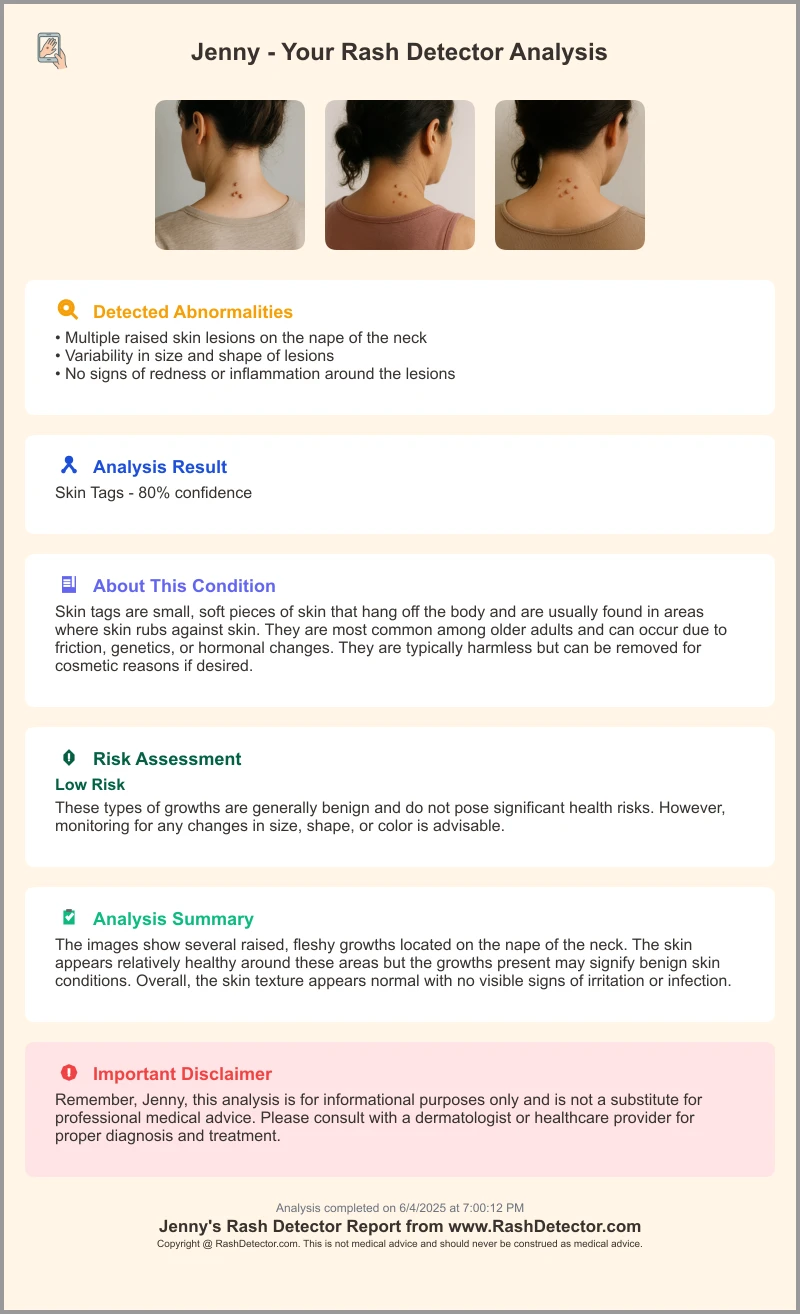
Sometimes, additional tests such as skin scrapings, biopsies, blood tests, or patch testing may be needed to confirm the diagnosis. If you photograph your rash using an app like Rash Detector, you can get instant AI-powered analysis to guide next steps but always confirm with a medical professional.
Note: If your rash is rapidly spreading, painful, blistering, or accompanied by fever, difficulty breathing, or other systemic symptoms, seek emergency care immediately.
Section 2: Contact Dermatitis and Allergic Reaction Rashes
What Is Contact Dermatitis?
Contact dermatitis is a common skin condition resulting from direct contact with irritants or allergens. It causes redness, itching, swelling, and sometimes blistering. It is divided into two types:
- Irritant contact dermatitis: Caused by substances like soaps, detergents, solvents, or friction that damage the skin barrier. This type is non-immunologic and can happen after single or repeated exposures.
- Allergic contact dermatitis: An immune response to allergens such as nickel in jewelry, latex gloves, fragrances, or poison ivy/oak/sumac plants. This delayed hypersensitivity reaction typically develops 24-72 hours after exposure.
Common Irritants and Allergens
Typical triggers include:
- Soaps, detergents, and cleaning chemicals, which can strip natural oils and impair skin barrier function.
- Cosmetics and fragrances that contain sensitizing ingredients.
- Nickel and other metals in jewelry, belt buckles, and eyeglass frames.
- Latex products like gloves and balloons, common in healthcare and certain occupations.
- Plants like poison ivy, poison oak, and poison sumac, which contain urushiol oil causing allergic reactions.
- Adhesives and nail products such as acrylic nails and glues.
Symptoms and Identification
Contact dermatitis usually appears as a well-defined rash where the skin touched the irritant or allergen. Symptoms include:
- Redness and swelling localized to the contact area
- Itching or burning sensation that can be intense
- Dry, cracked, or scaly skin as the rash evolves
- Blisters or oozing in severe or prolonged cases
The rash often improves when the offending substance is avoided. However, repeated or prolonged exposure can cause chronic dermatitis, leading to thickened, leathery skin (lichenification).
Diagnosis often relies on patient history and clinical appearance. Patch testing by a dermatologist can identify specific allergens causing allergic contact dermatitis.
For more detailed guidance, see our post on Allergic Reaction Rash: Causes, Signs, and How to Tell It Apart.
Management Strategies
Treatment involves:
- Avoidance: Identifying and avoiding the irritant or allergen is key to resolution.
- Skin care: Use gentle, fragrance-free cleansers and moisturizers to restore the skin barrier.
- Topical corticosteroids: These reduce inflammation and itching and are prescribed based on rash severity.
- Oral antihistamines: Can help control itching, especially at night.
- Severe cases: May require systemic corticosteroids or immunomodulatory agents under medical supervision.
Preventive measures include wearing protective gloves when handling irritants and avoiding known allergens once identified.
Section 3: Heat Rash – Causes, Symptoms, and Prevention
What Causes Heat Rash?
Heat rash, also called miliaria, occurs when sweat ducts become blocked and sweat gets trapped under the skin. This typically happens in hot, humid weather or when wearing tight or non-breathable clothing. The trapped sweat causes inflammation and the formation of small bumps or vesicles.
There are different types of miliaria depending on the level of sweat duct obstruction:
- Miliaria crystallina: Blockage in the most superficial sweat ducts results in tiny, clear vesicles that break easily.
- Miliaria rubra (prickly heat): Inflammation deeper in the epidermis causing red bumps and intense itching or prickling sensation.
- Miliaria profunda: Rare and deeper blockage causing firm, flesh-colored papules.
Who Is at Risk?
- Infants and young children due to immature sweat glands and thinner skin barrier.
- People in hot, humid climates or during summer months.
- Individuals who sweat excessively from exercise, fever, or physical labor.
- Those wearing heavy, occlusive clothing such as plastic rainwear, rubber gloves, or plastic protective gear.
- Elderly people with reduced sweat gland function.
Symptoms and Appearance
Heat rash appears as small red bumps or clear vesicles, often on the neck, chest, groin, or skin folds like under the breasts or in armpits. It can cause itching, burning, or a prickly sensation commonly described as "prickly heat." The rash may worsen with continued heat and sweating but usually improves with cooling and drying of the skin within a few days.
Prevention and Care
- Wear loose, lightweight, breathable clothing made of natural fibers such as cotton.
- Stay in air-conditioned or shaded areas when possible, especially during heatwaves.
- Keep skin dry and cool by using talcum powder or cornstarch-based powders in areas prone to sweating.
- Use fans or take cool showers to reduce skin temperature.
- Avoid heavy creams or oils that can block sweat ducts further.
- For infants, dress them lightly and avoid overdressing.
Treatment
Most cases of heat rash are self-limited and resolve with the above preventive measures. Mild cases may benefit from calamine lotion or topical corticosteroids to reduce itching. If the rash shows signs of infection (such as increased redness, pain, swelling, or pus), seek medical care for appropriate evaluation and treatment.
Section 4: Fungal Skin Rashes and How to Recognize Them
Common Fungal Rashes
Fungal infections cause many skin rashes, often characterized by redness, scaling, and itching. They thrive in warm, moist environments and can affect various body areas. Common types include:
- Ringworm (tinea corporis): Round, red, scaly patches with clearer centers and raised borders, often resembling rings. Lesions may slowly enlarge over time.
- Jock itch (tinea cruris): Rash in the groin area, causing itchy, red patches that may extend to inner thighs.
- Athlete’s foot (tinea pedis): Scaling, peeling, cracking skin between toes, sometimes with blistering or secondary bacterial infection.
- Candidiasis: Yeast infections in moist skin folds such as under breasts, groin, or between fingers. Presents as red, moist, sometimes white patches with satellite lesions.
How to Tell a Fungal Rash Apart
Fungal rashes are often itchy and have a distinctive border or pattern. Unlike allergic rashes, fungal infections may spread slowly and do not usually cause blisters unless secondarily infected. They tend to persist or worsen without treatment.
Key features to help distinguish fungal rashes include:
- Annular (ring-shaped) lesions with central clearing for tinea corporis.
- Involvement of moist areas and skin folds.
- Scaling and peeling skin, sometimes with a foul odor.
- Positive KOH (potassium hydroxide) microscopy test identifying fungal elements, performed by a healthcare provider.
Treatment and When to See a Doctor
Topical antifungal creams, powders, or sprays are usually effective for mild infections and should be applied for the full prescribed duration (often 2-4 weeks) to prevent recurrence. For extensive, recurrent, or resistant infections, oral antifungal medications may be necessary.
Good hygiene and keeping affected areas dry help limit fungal growth. Avoid sharing towels, footwear, or clothing to reduce spread.
Persistent, extensive, or recurrent fungal rashes should be evaluated by a healthcare professional to confirm diagnosis and initiate appropriate treatment.
For more detailed information, visit Fungal Skin Rash: Causes, Symptoms, Types & How to Tell It Apart.
Section 5: Medication and Drug-Induced Rashes
What Are Drug Rashes?
Drug rashes are skin reactions to medications and can range from mild to potentially serious. They often reflect allergic responses but may also be side effects. Common offending drugs include:
- Antibiotics like penicillin, sulfonamides, and cephalosporins.
- Seizure medications such as phenytoin and carbamazepine.
- Diuretics like thiazides.
- Blood pressure and heart medications including ACE inhibitors and beta-blockers.
- Nonsteroidal anti-inflammatory drugs (NSAIDs).
Signs and Symptoms
Drug rashes can manifest as:
- Widespread red, itchy spots or bumps often starting on the trunk and spreading.
- Hives or urticaria — raised, red, itchy welts that may coalesce.
- Blistering or peeling skin in severe cases like Stevens-Johnson syndrome or toxic epidermal necrolysis (TEN).
- Fever, malaise, swollen lymph nodes, and other systemic symptoms if severe.
Some drug rashes appear within days of starting a medication, while others may take weeks. Recurrence is common if the drug is reintroduced.
Action Steps and Medical Attention
If you suspect a drug rash, do not stop the medication without consulting a healthcare provider. Seek prompt medical attention, especially if the rash is accompanied by fever, swelling, blistering, or difficulty breathing.
Severe drug reactions can be life-threatening and require hospitalization, supportive care, and sometimes immunosuppressive treatment.
For mild rashes, your healthcare provider may recommend antihistamines, topical steroids, or changing the medication.
For more information, see our posts on Drug Rash: Causes, Symptoms, and How to Identify It and Drug Rash Treatment: Effective Solutions for Skin Reactions.
Section 6: Rashes Related to Stress, Diabetes, and Autoimmune Conditions
Stress and Skin Rashes
Stress can trigger or worsen skin conditions such as eczema (atopic dermatitis), psoriasis, and other inflammatory rashes. Stress induces immune system changes and releases hormones that may increase inflammation, leading to flare-ups.
Stress-related rashes often present as red, itchy, dry patches that may appear suddenly or worsen during emotional or physical stress. These rashes can be persistent and challenging to control without addressing the stress triggers.
Management involves:
- Stress reduction techniques such as mindfulness, meditation, counseling, or exercise.
- Appropriate skin care using moisturizers and prescribed medications.
- Regular follow-up with healthcare providers for chronic skin conditions.
Diabetes and Skin Rashes
People with diabetes may develop specific skin conditions due to high blood sugar’s impact on circulation, immune function, and skin integrity. Common rashes include:
- Diabetic dermopathy: Light brown, scaly patches usually on shins; generally harmless but may indicate diabetes control.
- Necrobiosis lipoidica: Yellowish, shiny patches with central thinning; may ulcerate.
- Fungal infections: Increased susceptibility to candidiasis and tinea infections due to impaired immunity.
- Infections: Higher risk of bacterial skin infections such as cellulitis.
Good diabetes management and skin care may reduce the risk of these rashes and complications.
Learn more about these in Diabetes Skin Rash: Causes, Types, and What to Do.
Autoimmune and Systemic Diseases
Autoimmune diseases like lupus erythematosus and rheumatoid arthritis can cause rashes as part of systemic involvement. For example:
- Systemic lupus erythematosus (SLE): Causes a characteristic malar rash (“butterfly rash”) across the cheeks and nose, photosensitivity, and other skin lesions.
- Dermatomyositis: Presents with a heliotrope rash around the eyes and Gottron’s papules on knuckles.
- Psoriasis: An autoimmune condition causing thick, red plaques with silvery scales, often on elbows, knees, and scalp.
- Kawasaki disease: A systemic vasculitis in children presenting with fever, rash, and mucous membrane changes.
These rashes are often accompanied by other symptoms such as joint pain, fatigue, and systemic inflammation and require specialized care.
When to Seek Medical Care
Rashes with systemic symptoms, widespread involvement, blistering, or signs of infection require prompt evaluation by a healthcare professional. Early diagnosis and treatment of underlying systemic diseases can improve outcomes.
Conclusion
Understanding the common causes of skin rashes can help you identify potential triggers and seek timely care. Whether it’s contact dermatitis from a new soap, a heat rash after outdoor activity, a fungal infection, or a drug reaction, each rash type has distinct features important for diagnosis and management.
Using tools like Rash Detector can provide instant AI analysis to guide you, but remember that professional diagnosis and treatment are essential for safety and effective management. Never delay seeing a healthcare provider if your rash is worsening, painful, spreading, or accompanied by concerning symptoms such as fever or difficulty breathing.
Proper management includes identifying and avoiding triggers, maintaining good skin hygiene, and following prescribed treatments. When dealing with chronic or complex rashes, collaboration with dermatologists and other healthcare providers is key.
Always consult a healthcare provider or dermatologist for diagnosis and treatment, especially if your rash is severe, spreading, painful, blistering, or accompanied by fever or other concerning symptoms.
FAQ
Q: What are the most common causes of skin rashes?
A: The most common causes include contact dermatitis from irritants or allergens, heat rash due to blocked sweat glands, fungal infections, allergic reactions to medications or substances, and underlying conditions like diabetes or autoimmune diseases.
Q: How do you tell if a rash is allergic, viral, or fungal?
A: Allergic rashes typically cause itching and appear where skin contacted an allergen, often with well-defined borders. Viral rashes often come with systemic symptoms like fever and can be widespread and variable in appearance. Fungal rashes usually have distinct borders, scaling, and slow spreading. Professional evaluation is important for accurate diagnosis.
Q: What medicines can cause a skin rash?
A: Common medicines that cause rashes include antibiotics (penicillin, sulfonamides), seizure drugs, diuretics, NSAIDs, and cardiovascular medications. These rashes may signal an allergic reaction or side effect and need prompt medical attention.
Q: When is a rash serious and needs medical attention?
A: Seek medical care if a rash spreads rapidly, causes severe pain, blistering, swelling, or is accompanied by fever, difficulty breathing, or signs of infection.
Q: Can stress cause skin rashes or make eczema worse?
A: Yes, stress can trigger or worsen eczema and other inflammatory skin conditions, causing flare-ups or new rashes.
Q: What does contact dermatitis look like compared with eczema or psoriasis?
A: Contact dermatitis usually appears as red, itchy patches at the site of contact with an irritant or allergen. Eczema causes dry, scaly, itchy patches often on flexural areas like the inside of elbows and behind knees. Psoriasis presents as thick, red plaques with silvery scales, commonly on elbows, knees, and scalp. Each condition requires different management strategies.