Drug Rash Treatment: Effective Solutions for Skin Reactions
Discover proven drug rash treatment options, home remedies, and when to seek medical help. Learn how the Rash Detector app can assist with quick analysis.
Estimated reading time: 7 min
Key Takeaways
- Drug rash treatment depends on the type and severity of the skin reaction.
- Immediate identification and stopping the triggering medication is crucial.
- Home remedies can help mild cases, but some rashes require urgent medical care.
- Rash Detector app helps quickly analyze skin issues and suggests guidance.
Table of Contents
- Section 1: Understanding Drug Rashes
- Section 2: Immediate Steps for Drug Rash Treatment
- Section 3: Medical Treatments for Drug Rashes
- Section 4: Home Remedies and Self-Care
- Section 5: Using Rash Detector for Rash Analysis
- Conclusion
- FAQ
Section 1: Understanding Drug Rashes
What is a Drug Rash?
A drug rash is a skin reaction caused by medication. It can appear as redness, bumps, hives, blisters, or peeling skin. Recognizing the type of rash is the first step in effective drug rash treatment.
- Maculopapular rash: Flat, red areas with small bumps.
- Urticaria (hives): Raised, itchy welts.
- Fixed drug eruption: Localized, recurring spots.
- Severe reactions: Stevens-Johnson syndrome or toxic epidermal necrolysis, which are medical emergencies.
Common Causes
Any medication can trigger a drug rash, but common culprits include:
- Antibiotics (penicillins, sulfa drugs)
- Anti-seizure medications
- NSAIDs (ibuprofen, aspirin)
- Allopurinol
Section 2: Immediate Steps for Drug Rash Treatment
Stop the Suspected Drug
Discontinuing the causative drug is the most important first step in drug rash treatment. If you suspect your rash is medication-related, contact your healthcare provider before stopping any prescription drug.
Monitor Symptoms
- Check for signs of severe reactions: fever, blisters, swelling, difficulty breathing.
- Take photos to document changes or worsening rashes.
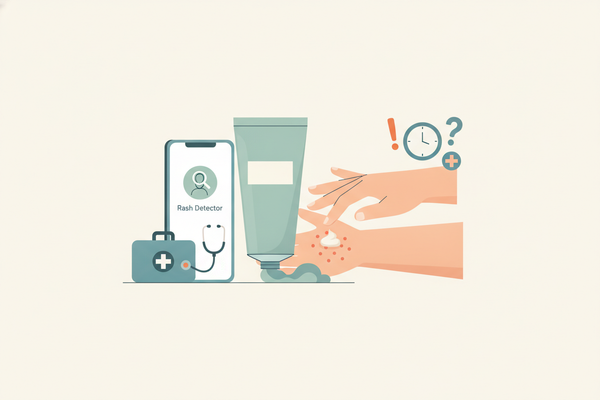
- Use the Rash Detector app for immediate analysis if unsure about the rash's severity.
When to Seek Emergency Care
- Widespread blistering or peeling skin
- Swelling of the lips, face, or tongue
- Shortness of breath or difficulty swallowing
- High fever or feeling very unwell
Section 3: Medical Treatments for Drug Rashes
Professional Evaluation
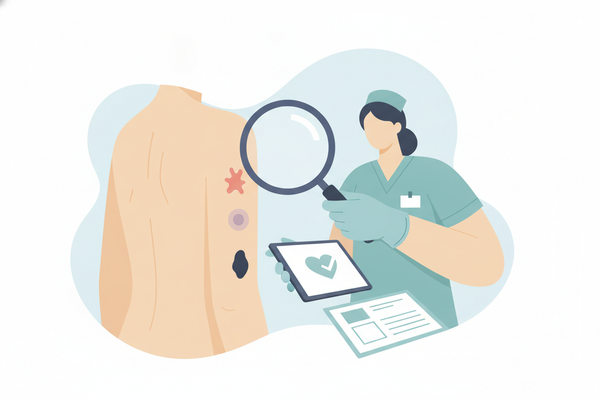
A dermatologist or healthcare provider will assess the rash’s type and severity. They may perform tests or review your medication history.
Prescription Medications
- Antihistamines: For itching and hives (e.g., cetirizine, loratadine).
- Topical corticosteroids: To reduce redness and inflammation (e.g., hydrocortisone cream).
- Oral corticosteroids: For severe or widespread reactions, under medical supervision.
- Hospitalization: Required for severe reactions like Stevens-Johnson syndrome.
Follow-Up Care
- Regular check-ins with your provider to monitor healing.
- Adjustment of ongoing medication regimens to avoid future reactions.
Section 4: Home Remedies and Self-Care
Soothing Mild Drug Rashes
For mild drug rashes, supportive care can relieve discomfort:
- Cool compresses: Apply to the affected area to reduce itching and swelling.
- Oatmeal baths: Soothe irritated skin naturally.
- Fragrance-free moisturizers: Prevent dryness and peeling.
What to Avoid
- Scratching the rash, which can worsen irritation.
- Hot showers or harsh soaps.
- Using over-the-counter creams without professional advice for severe rashes.
Section 5: Using Rash Detector for Rash Analysis
How Rash Detector Helps
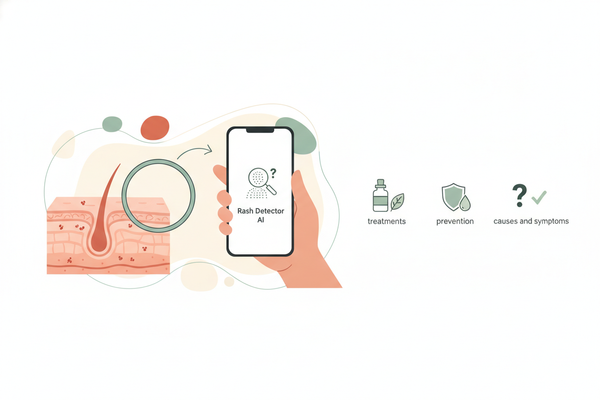
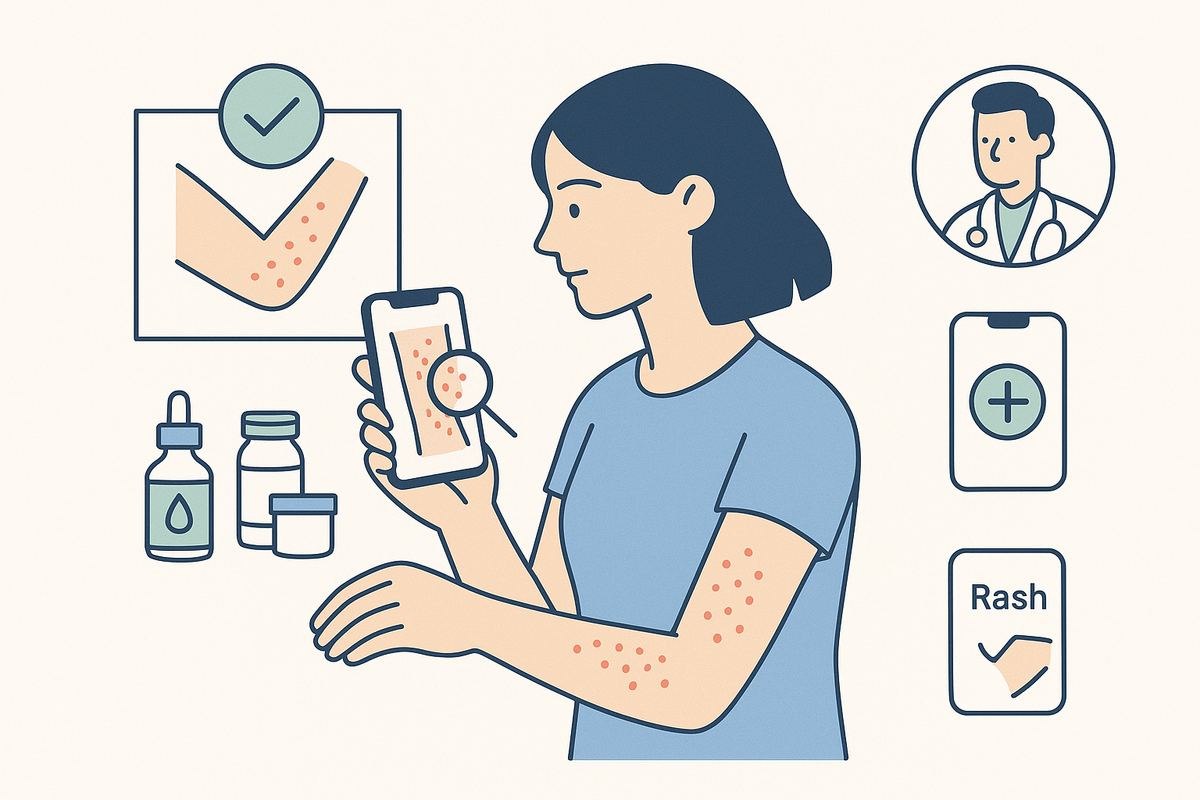
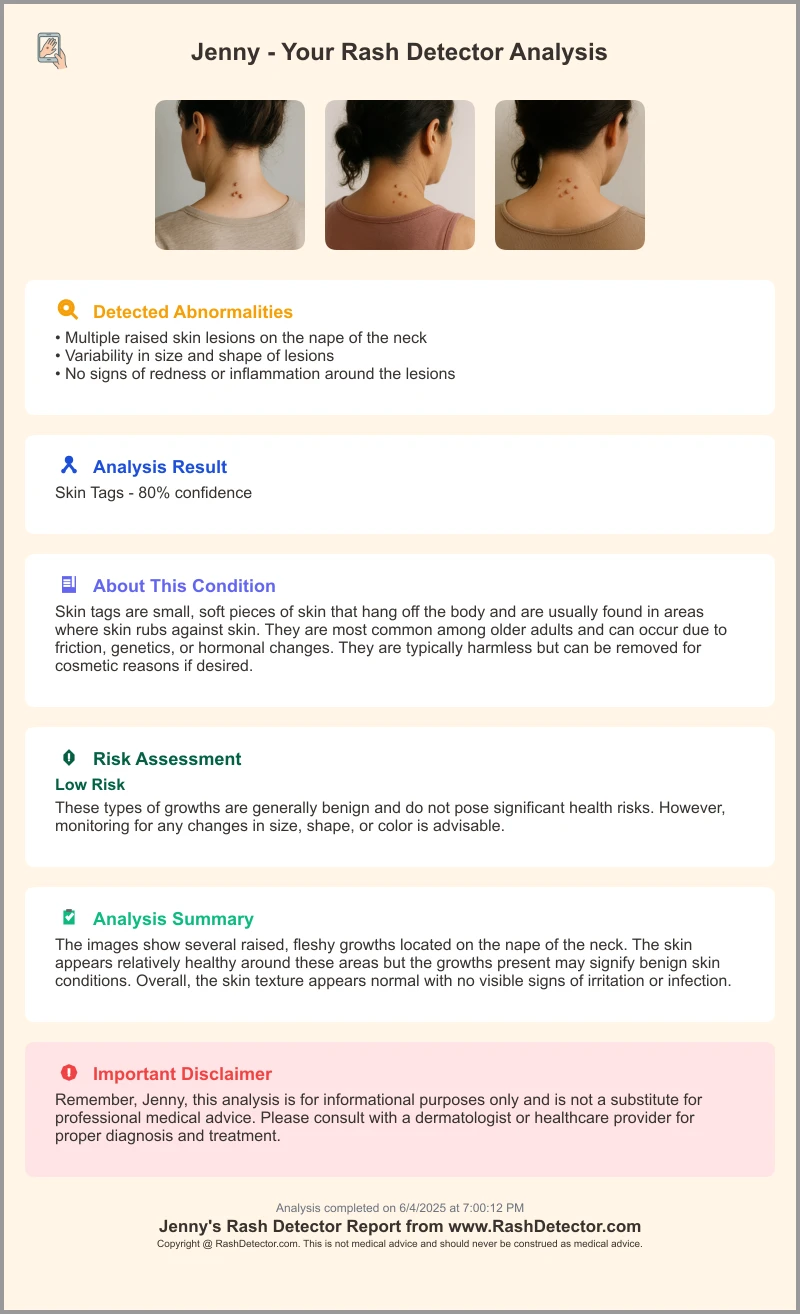
Rash Detector is an AI-powered app that helps identify possible causes of skin rashes, including drug reactions. Uploading three clear photos of your rash gives you a fast, confidential analysis and practical guidance—helping you decide if you need urgent care or can try home remedies.
When to Use Rash Detector
- If you're unsure about the cause of your rash.
- To track changes over time with photo documentation.
- To receive tailored guidance on next steps and treatment options.
Conclusion
Drug rash treatment starts with immediate recognition and stopping the offending medication. Mild cases often improve with home remedies and supportive care, but more serious reactions require prompt medical attention. Rash Detector offers a convenient way to analyze skin rashes and seek the right care quickly—empowering you to take control of your skin health.
FAQ
Q: How long does a drug rash last after discontinuing the medication?
A:
Most mild drug rashes resolve within 1–2 weeks after stopping the drug, but severe reactions may take longer and require medical treatment.
Q: Can I treat a drug rash at home?
A:
Mild rashes can often be managed with home remedies, but always consult your doctor before trying over-the-counter treatments, especially if symptoms worsen.
Q: When should I see a doctor for a drug rash?
A:
See a doctor if the rash is widespread, painful, blistering, or associated with fever or swelling. Seek emergency care for breathing difficulty or severe skin reactions.
Q: How does Rash Detector assist with drug rash analysis?
A:
Rash Detector provides instant, AI-powered analysis of uploaded images, suggesting likely causes and advising on next steps for treatment.