Drug Rash: Causes, Symptoms, and How to Identify It
Learn about drug rash—its causes, symptoms, diagnosis, and treatment. Discover how to identify drug rashes with AI tools like Rash Detector.
Estimated reading time: 7 min
Key Takeaways
- Drug rash is a common skin reaction caused by medications.
- Symptoms range from mild redness to severe, widespread rashes.
- Identifying the cause quickly is crucial for proper treatment.
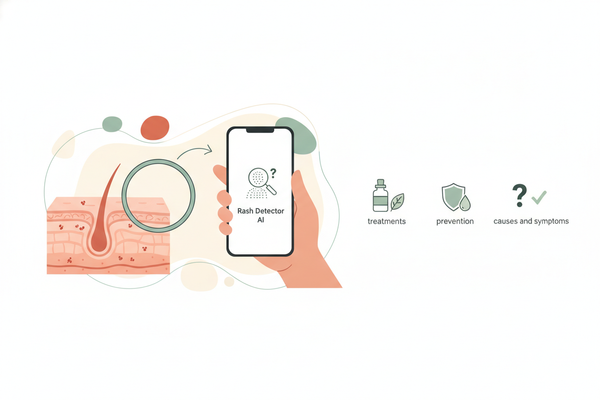
- AI tools like Rash Detector can help analyze and differentiate rashes.
Table of Contents
- Section 1: What Is a Drug Rash?
- Section 2: Common Causes of Drug Rash
- Section 3: Symptoms and Types of Drug Rash
- Section 4: Diagnosis and When to Seek Help
- Section 5: How to Use Rash Detector for Drug Rash
- Conclusion
- FAQ
Section 1: What Is a Drug Rash?
Understanding Drug Rash
A drug rash is a skin reaction triggered by a medication. These rashes can appear shortly after starting a new drug or even weeks later, making identification challenging. Recognizing a drug-induced rash early can help prevent complications and guide treatment.
Why Does It Happen?
- Immune system response to medication
- Direct chemical irritation
- Drug interactions or overdoses
Drug rashes are among the most frequent adverse drug reactions, especially in antibiotics, anticonvulsants, and NSAIDs.
Section 2: Common Causes of Drug Rash
Medications Most Likely to Cause a Rash
- Antibiotics (like penicillin, sulfa drugs)
- Anticonvulsants (such as phenytoin, carbamazepine)
- NSAIDs (ibuprofen, naproxen)
- Diuretics
- Some blood pressure medications
Risk Factors
- Previous drug allergies
- Multiple medications used simultaneously
- Existing viral infections (such as Epstein-Barr virus)
It’s important to note that not all rashes from medications are allergic; some are irritant or due to other mechanisms.
Section 3: Symptoms and Types of Drug Rash
Common Symptoms
Drug rash symptoms can vary widely, but common signs include:
- Redness or pink spots (maculopapular rash)
- Itching or burning sensation
- Swelling or raised bumps
- Blisters or peeling skin (in severe cases like Stevens-Johnson syndrome)
Types of Drug Rashes
- Exanthematous (morbilliform) rashes: The most common, appearing as widespread red spots.
- Urticaria (hives): Raised, itchy welts that can move around the body.
- Fixed drug eruption: Single or few round, dark red patches that recur at the same site with drug re-exposure.
- Photosensitivity reactions: Rash triggered by sunlight when on certain medications.
- Severe reactions: Dangerous forms include Stevens-Johnson syndrome (SJS) and toxic epidermal necrolysis (TEN), which require medical emergency care.
Identifying the type of drug rash is essential for treatment and preventing recurrence.
Section 4: Diagnosis and When to Seek Help
How Is Drug Rash Diagnosed?
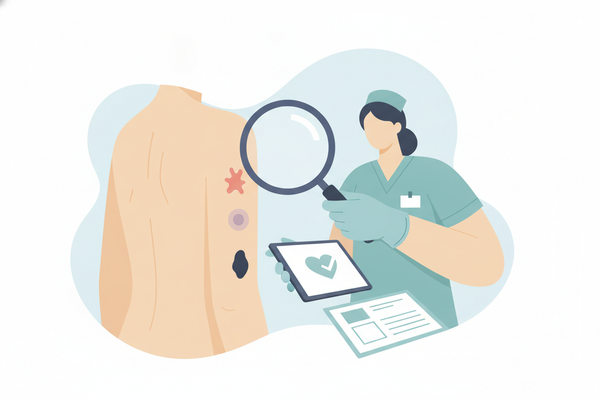
Diagnosis often starts with a detailed medication history and a physical exam. Skin biopsies or allergy testing may be used in uncertain cases.
When to Seek Immediate Medical Attention
- Rash with blisters, open sores, or peeling skin
- Swelling of lips, face, or tongue
- Difficulty breathing or swallowing
- High fever or joint pain
If you notice these severe symptoms, stop the suspected medication and contact a healthcare provider immediately.
Self-Assessment Tools
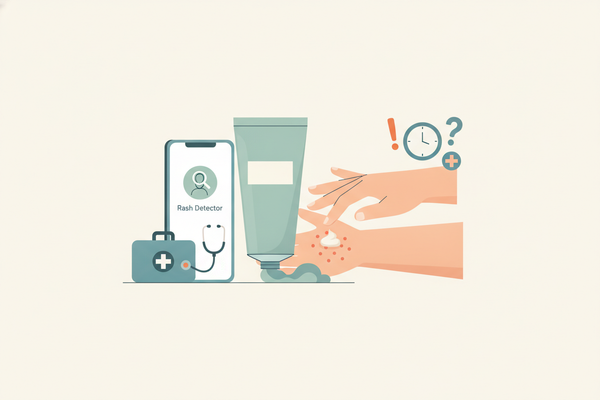
For non-urgent cases, AI-powered apps like Rash Detector allow users to upload images of their rash for instant analysis and guidance on possible causes, including drug rash. This can be especially helpful when trying to differentiate between simple allergic reactions and more serious conditions.
Section 5: How to Use Rash Detector for Drug Rash
Step-by-Step Guide
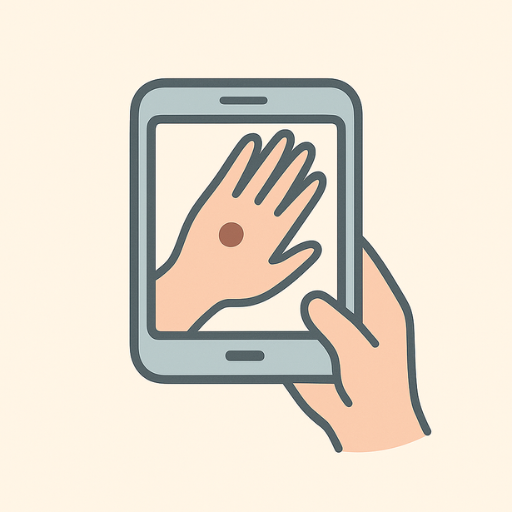
- Take clear, well-lit photos of the rash from different angles.
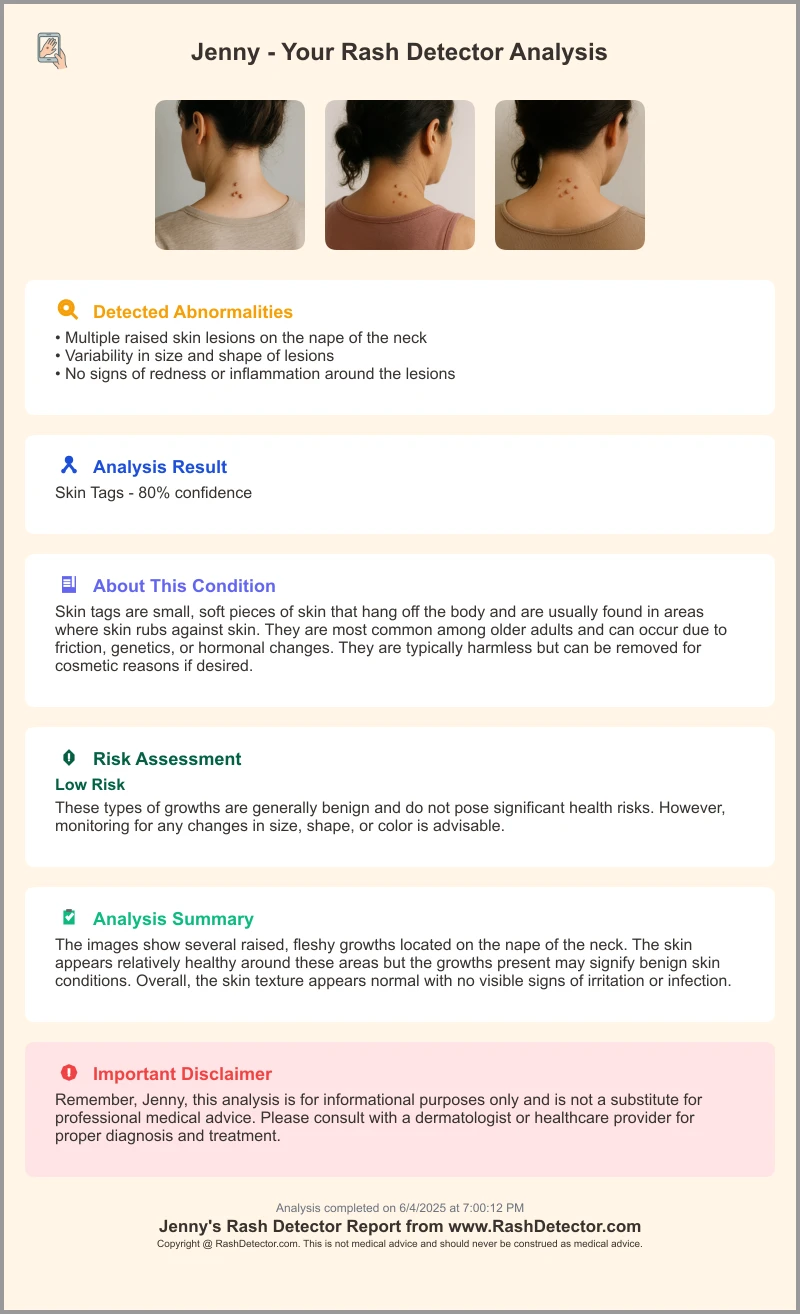
- Upload up to 3 images using the Rash Detector app or website.
- Receive an instant, AI-powered report suggesting likely causes (including drug rash) and next steps.
Benefits of Using AI for Rash Identification
- Quick results: No need to wait for a doctor’s appointment for initial guidance.
- Privacy: Assess your symptoms discreetly.
- Actionable advice: Learn if your rash matches common drug rash patterns, and if urgent care is needed.
While Rash Detector cannot replace a healthcare professional, it’s a valuable tool for early assessment and peace of mind.
Conclusion
Drug rash is a frequent but often confusing reaction to medications. Recognizing the signs, understanding the causes, and knowing when to seek help are key to a safe outcome. AI apps like Rash Detector offer instant support by analyzing skin conditions and helping you make informed decisions—especially when you’re unsure if your rash is drug-related. For persistent or severe symptoms, always consult a healthcare provider.
FAQ
Q: How soon after starting a medication can a drug rash appear?
A:
Drug rashes can appear within hours or may take several days to weeks after starting a new medication, depending on the type of reaction.
Q: Can I treat a drug rash at home?
A:
Mild drug rashes often improve after stopping the offending medication. However, it’s best to consult a healthcare provider before discontinuing any prescribed drug.
Q: Is every rash after taking medicine a drug rash?
A:
No. Rashes may be due to other causes such as infections or other allergies. Using tools like Rash Detector can help you narrow down the possibilities.
Q: Are drug rashes contagious?
A:
初めて準備する場合は、使用日から逆算して注文、確認、調整の時間を確保すると安心です。商品仕様や選び方を比べたい場合は、Fate コスプレから関連情報を確認できます。利用条件や交換条件は店舗ごとに異なるため、注文前に最新内容を確認すると安心です。
No. Drug rashes are not infectious and cannot be spread to others.