Fungal Skin Rash: Causes, Symptoms, Types & How to Tell It Apart
Learn all about fungal skin rash: types, symptoms, causes, treatment, and how to distinguish from other rashes. Expert tips for relief and prevention.
Estimated reading time: 13 min
Key Takeaways
- Fungal skin rashes are common and can resemble other types of rashes, making diagnosis challenging.
- Key symptoms include redness, itching, scaling, and a defined border; location and appearance may help distinguish types.
- Risk factors include warm, moist skin, sweating, sharing personal items, and certain health conditions like diabetes.
- Treatment may include over-the-counter antifungal creams or prescription medications for stubborn or widespread cases.
- See a doctor if the rash is severe, spreading, persistent, or if you have underlying conditions affecting immunity.
Table of Contents
- Section 1: Understanding Fungal Skin Rash and What Causes Skin Rashes
- Section 2: Types of Fungal Skin Infections
- Section 3: Symptoms and Appearance of Fungal Rashes
- Section 4: Causes, Risk Factors, and How Fungal Rashes Spread
- Section 5: Fungal Rash vs. Eczema, Intertrigo, and Other Rashes
- Section 6: Treatment Options for Fungal Skin Rash
- Section 7: Prevention, Home Care, and Recurrence
- Section 8: Special Cases and When to See a Doctor
Section 1: Understanding Fungal Skin Rash and What Causes Skin Rashes
What Is a Fungal Skin Rash?
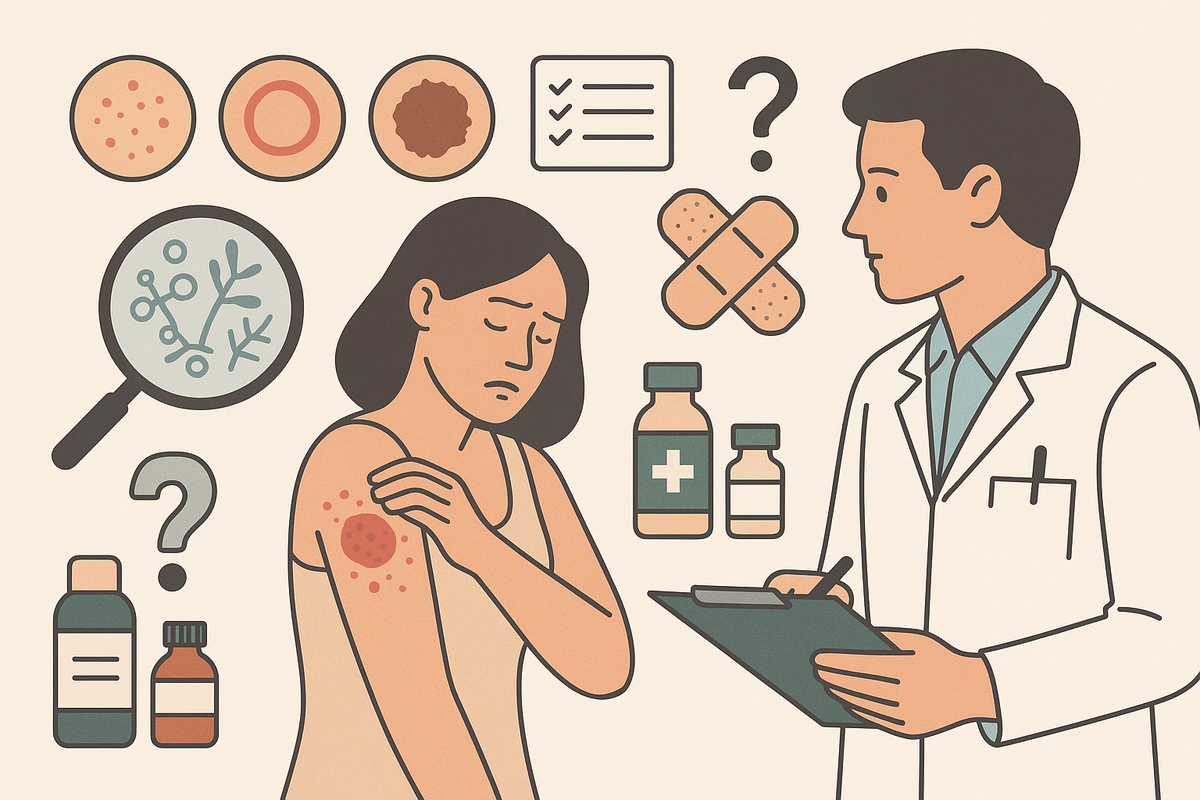
Fungal skin rash is a broad term for skin inflammation caused by various fungi, most commonly dermatophytes and yeasts. These rashes are part of a much larger family of skin eruptions that also include heat rash, contact dermatitis, allergic reaction rash, drug rash, diabetes skin rash, and stress rash. Correctly identifying the underlying cause is important for effective treatment.
How Fungal Rashes Differ from Other Rashes
- Fungal rashes often have a ring-like, raised border and are frequently itchy.
- Heat rash (prickly heat) appears as small, red bumps—usually in hot, sweaty areas.
- Contact dermatitis results from skin touching an irritant or allergen; it can look red, swollen, and blistered.
- Allergic reaction rash may appear suddenly as hives or welts, often with itching or swelling.
- Drug rash typically follows new medication and can look like measles, hives, or peeling skin. For more on this, read Drug Rash: Causes, Symptoms, and How to Identify It.
- Diabetes skin rash can be due to fungal or bacterial infections, dry skin, or poor circulation, and often occurs in skin folds.
- Stress rash is usually hives—raised, itchy welts triggered by emotional or physical stress.
The Importance of Accurate Diagnosis
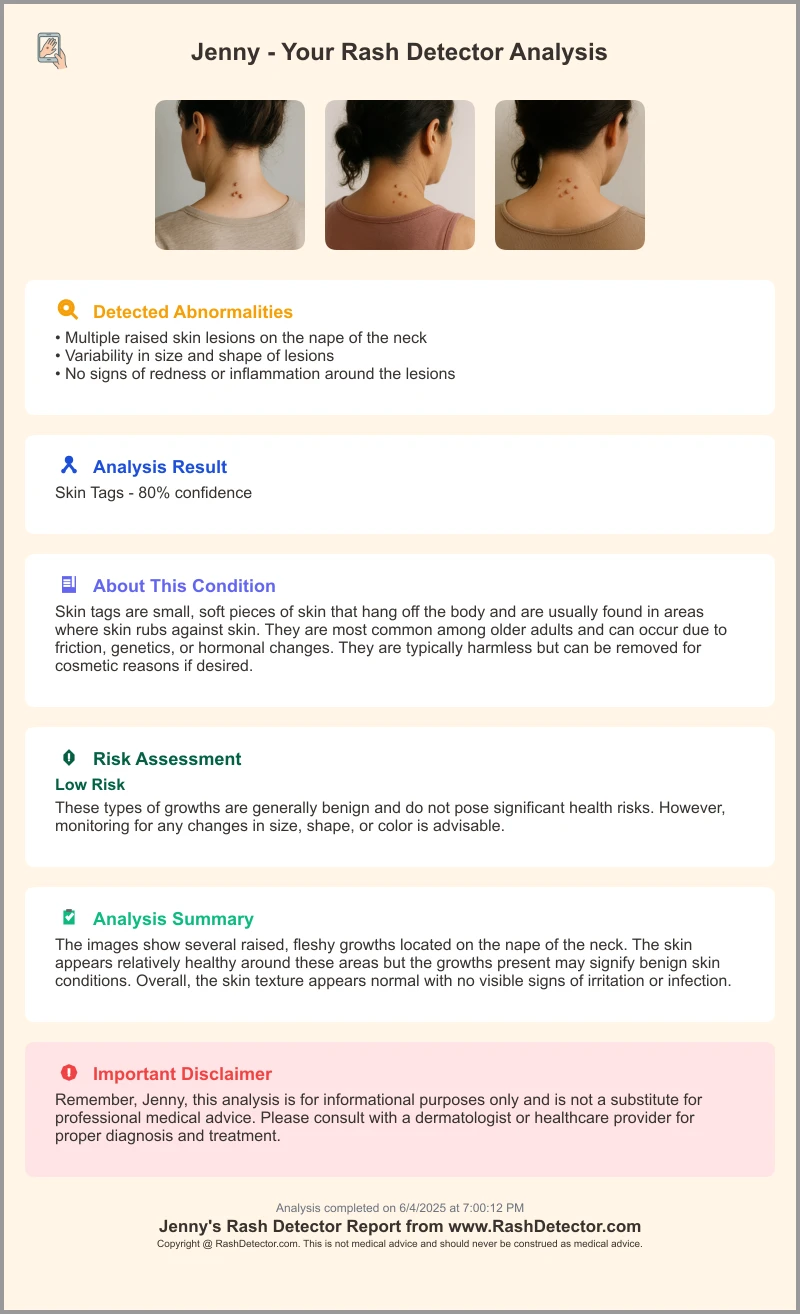
Because symptoms often overlap, self-diagnosis can be difficult. Tools like Rash Detector use AI to analyze photos and provide possible causes, but always consult a healthcare professional for diagnosis and treatment—especially if rashes are severe, spreading, or persistent.
Section 2: Types of Fungal Skin Infections
Dermatophyte Infections (Tinea/Ringworm)
Dermatophytes are a group of fungi that feed on keratin in skin, hair, and nails. Common types include:
- Ringworm (Tinea corporis): Appears on the body as a red, scaly ring with a clear center.
- Athlete’s foot (Tinea pedis): Affects feet, especially between the toes, with scaling, redness, and itching.
- Jock itch (Tinea cruris): Develops in the groin and inner thighs, causing a red, itchy, ring-shaped rash.
- Scalp ringworm (Tinea capitis): Occurs on the scalp, often causing patchy hair loss in children.
- Nail fungus (Tinea unguium/onychomycosis): Thickens, discolors, and may deform the nails.
Yeast Infections
- Candidal rash: Caused by Candida species, often in warm, moist areas like underarms, under breasts, groin, and skin folds.
- Oral thrush: White patches inside the mouth, more common in infants and immunocompromised adults.
Other Fungal Rashes
- Tinea versicolor: Caused by Malassezia yeast, resulting in patches of lighter or darker skin, often on the chest and back.
Why It Matters
Each type may require specific treatments. For example, nail fungus may need months of oral antifungal medication, while athlete’s foot often responds to topical creams.
Section 3: Symptoms and Appearance of Fungal Rashes
Common Symptoms
- Itching: Usually present, sometimes worse at night.
- Redness and scaling: Many fungal skin rashes have a scaly, flaky appearance.
- Raised border: Especially in ringworm and jock itch, the edge of the rash may be raised and more inflamed.
- Color changes: Tinea versicolor may look lighter or darker than surrounding skin.
- Location: Fungal rashes often appear in warm, moist areas—feet, groin, under breasts, between skin folds, scalp, and nails.
How Fungal Rashes Spread
- Direct skin-to-skin contact
- Touching contaminated surfaces (locker rooms, gym mats, showers)
- Sharing towels, shoes, clothing, or razors
- Pets can carry and transmit ringworm
Visual Cues
- Ringworm: Ring-shaped, red, scaly plaque with clearer center.
- Jock itch: Well-defined, red rash with scaling and possible blisters at the edge.
- Athlete’s foot: Peeling, cracking, or moist skin between the toes; can also form blisters.
- Candidal rash: Red appearance with small satellite pustules around the edges.
If you’re unsure, uploading images to Rash Detector can provide AI analysis to help narrow down the possibilities.
Section 4: Causes, Risk Factors, and How Fungal Rashes Spread
What Causes Fungal Skin Rashes?
Fungal skin rashes are caused by overgrowth of fungi that naturally live on skin or by exposure to infectious spores. Key contributors include:
- Warm, moist environments (sweaty feet in shoes, skin folds, humid climates)
- Poor ventilation (tight clothing, non-breathable fabrics)
- Sharing personal items (towels, razors, gym gear)
- Minor skin injuries (scratches, cuts, athlete’s foot from walking barefoot in public showers)
Who Is at Higher Risk?
- People with diabetes: High blood sugar can impair immunity and increase skin moisture, raising fungal infection risk. Learn more about skin rash treatment and risk factors.
- Immunocompromised individuals: Those on steroids, with HIV, or undergoing cancer treatment.
- Obesity: More skin folds mean more areas for moisture and friction.
- Infants and elderly: Delicate skin and less effective immune response.
- Active lifestyles: Athletes, gym-goers, and those exposed to communal facilities.
How Fungal Rashes Spread
- Direct contact (person-to-person, animal-to-person)
- Fomites (inanimate objects like combs, hats, shoes)
- Poor hygiene and wet environments increase risk
Good hygiene and avoiding shared personal items are among the ways to help prevent infection. For practical advice on reducing heat and sweat-related rashes, see How to Prevent Heat Rash: Practical Tips for Every Season.
Section 5: Fungal Rash vs. Eczema, Intertrigo, and Other Rashes
How to Tell Fungal Rashes Apart from Similar Conditions
Many skin conditions look similar, but key differences can help:
- Fungal rash: May have a defined, raised border; sometimes ring-shaped; often itchy; occurs in moist areas.
- Eczema (atopic dermatitis): Chronic, relapsing; usually not ring-shaped; may ooze or crust; found on hands, elbows, knees, face.
- Intertrigo: Red, raw rash in skin folds (armpits, groin, under breasts); triggered by moisture, friction; may become secondarily infected with yeast or bacteria.
- Contact dermatitis: History of exposure to irritant or allergen; looks red, swollen, sometimes blistered; resolves with removal of trigger.
- Heat rash: Small blisters or red bumps in hot, sweaty areas; often seen in infants and during hot weather.
Drug and Allergy Rashes
Drug rashes and allergic reaction rashes may mimic fungal or eczema rashes but often have a sudden onset. If your rash started after a new medication, it could be a drug allergy—read more in Drug Allergy Rash: Identification, Causes, and What to Do.
When to Seek Expert Help
If you’re unable to confidently distinguish between these conditions, consult a doctor or dermatologist. AI-based screening with Rash Detector can provide educational guidance, but only a professional can confirm the diagnosis and guide treatment.
Section 6: Treatment Options for Fungal Skin Rash
Over-the-Counter (OTC) Antifungal Creams
- Clotrimazole, miconazole, terbinafine, tolnaftate: These are commonly used for ringworm, athlete’s foot, and jock itch.
- Apply to the rash and 1-2 cm beyond the edge, 1-2 times daily, for 2-4 weeks (sometimes longer for stubborn cases).
Prescription Treatments
- Stronger topical antifungals (e.g., econazole, ciclopirox) may be used for resistant rashes.
- Oral antifungals (terbinafine, fluconazole, itraconazole) may be prescribed for widespread, severe, scalp, or nail infections.
- Prescription creams may combine antifungal and corticosteroid for severe inflammation (short-term use only, under medical supervision).
When to Seek Medical Advice
- No improvement after 2-4 weeks of OTC treatment
- Rash is severe, spreading, or involves face, scalp, groin, nails, or large areas
- Suspected secondary infection (oozing, pain, fever)
- Immunocompromised or diabetic individuals
For stubborn itching, check out Best Anti Itch Cream: Top Picks and How to Choose.
Always follow your provider’s instructions and complete the full course, even if the rash looks better early. Stopping too soon can lead to recurrence.
Section 7: Prevention, Home Care, and Recurrence
Prevention Strategies
- Keep skin dry: Dry thoroughly after bathing, especially between toes and in skin folds.
- Wear breathable fabrics: Cotton underwear, moisture-wicking socks, loose clothing.
- Change clothes and socks daily, especially after sweating.
- Do not share towels, shoes, or razors; wash towels regularly in hot water.
- Use antifungal powders in shoes and on feet if prone to athlete’s foot.
Home Care for Mild Rashes
- Apply OTC antifungal creams as directed.
- Keep the area open to air as much as possible.
- Avoid scratching—this can spread the infection or cause secondary bacterial infection.
- Wash hands after touching the rash.
Preventing Recurrence
- Continue antifungal treatment for several days after rash disappears, as advised by your healthcare provider or product instructions.
- Address contributing factors (sweat, tight clothing, obesity, blood sugar control).
- Treat infected pets if necessary.
If you have frequent recurrences, discuss long-term prevention with your healthcare provider. For comprehensive care strategies and digital tools, visit Skin Rash Treatment: Effective Solutions and Smart Tools.
Section 8: Special Cases and When to See a Doctor
Special Cases by Body Site and Age Group
- Diaper rash: Yeast infection is common in infants, especially after antibiotics or diarrhea; look for red rash with satellite spots.
- Scalp infection (tinea capitis): More common in children; may cause patchy hair loss and often requires oral antifungals.
- Beard infection (tinea barbae): Affects adult men; may resemble bacterial folliculitis but may need antifungal treatment.
- Nail fungus (onychomycosis): Nails become thick, discolored, and brittle; may require long-term oral treatment.
When to See a Doctor
- Rash is not improving or is worsening after 2-4 weeks of self-treatment.
- Rash is painful, swelling, oozing, or accompanied by fever.
- Involvement of face, scalp, nails, or widespread body areas.
- History of diabetes, immune compromise, or other chronic conditions.
- Frequent recurrences or suspected secondary infection.
Remember: This information is for educational purposes. See a dermatologist or healthcare provider for diagnosis and treatment, especially for severe, spreading, persistent, or painful rashes.
Conclusion
Fungal skin rashes are just one part of the wide spectrum of skin eruptions, but they are especially common and can be contagious. Recognizing the typical symptoms—itching, redness, scaling, and a raised border—may help you distinguish fungal rashes from other causes like heat rash, eczema, contact dermatitis, and allergic or drug reactions. Risk factors such as moisture, poor hygiene, and certain health conditions (like diabetes) can increase your susceptibility.
Early self-care with antifungal creams and good hygiene may be effective for mild cases, but don’t hesitate to see a doctor if the rash is severe, persistent, or involves sensitive areas. For personalized guidance, try uploading images to Rash Detector, but always follow up with a professional for diagnosis and treatment. Understanding what causes skin rashes helps you take informed action for your skin health.
FAQ
Q: What does a fungal skin rash look like?
A: Fungal skin rashes typically appear as red, scaly, itchy patches with a defined, sometimes ring-shaped border. In areas like the groin or feet, the rash may be moist or have small blisters. Tinea versicolor causes lighter or darker patches, especially on the trunk.
Q: How do you get rid of a fungal rash fast?
A: For mild cases, you can try an over-the-counter antifungal cream (like clotrimazole or terbinafine), keeping the area clean and dry. Apply the cream as directed for at least 2-4 weeks. See a doctor if there's no improvement, the rash is severe, or involves the face, scalp, or nails.
Q: Is this fungal rash or eczema/intertrigo?
A: Fungal rashes often have a raised, defined edge and occur in moist areas, while eczema is more diffuse and chronic, and intertrigo is raw redness in skin folds. If you’re unsure, consult a healthcare provider for diagnosis. AI tools like Rash Detector can offer educational guidance.
Q: What cream is best for fungal skin infections?
A: Topical antifungal creams such as clotrimazole, miconazole, terbinafine, or tolnaftate are commonly used for many fungal skin rashes. Prescription creams or oral medications may be needed for severe, scalp, or nail infections. Always consult a healthcare provider for guidance.
Q: When should I see a doctor for a fungal rash?
A: If the rash is not improving after 2-4 weeks of treatment, is spreading, severe, painful, or involves face, scalp, or nails, see a doctor. Also seek care if you have diabetes, are immunocompromised, or if the rash repeatedly comes back.
Q: How do I stop a fungal rash from coming back?
A: Prevent recurrence by keeping skin clean and dry, wearing breathable clothing, avoiding shared towels or footwear, and fully completing antifungal treatment. Address underlying risk factors like sweat, obesity, or blood sugar control. If you have frequent recurrences, consult your healthcare provider.