Diabetes Skin Rash: Causes, Types, and What to Do
Understand diabetes skin rashes—signs, causes, common types, and care. Learn how to spot, manage, and prevent diabetic rashes on legs, neck, and more.

Estimated reading time: 13 min
Key Takeaways
- Diabetes skin rash is a common but often overlooked sign of underlying blood sugar issues.
- Rashes may appear on the legs, neck, and other areas, with different forms and causes.
- Early identification and effective management can prevent complications.
- Apps like Rash Detector can aid in recognizing and tracking diabetic skin problems.
- Consult a healthcare professional for diagnosis and treatment, especially for severe, spreading, or persistent rashes.
Table of Contents
- Section 1: What Is a Diabetes Skin Rash?
- Section 2: Common Types of Diabetic Skin Problems
- Section 3: Causes and Risk Factors for Diabetes Rash
- Section 4: How to Identify a Diabetes Rash on Legs, Neck, and Other Areas
- Section 5: When to Seek Medical Attention
- Section 6: Managing and Preventing Diabetic Skin Rashes
- Conclusion
- FAQ
Section 1: What Is a Diabetes Skin Rash?
Defining Diabetes Skin Rash
A diabetes skin rash refers to skin changes and eruptions that occur as a direct or indirect result of diabetes. High blood sugar levels can affect the skin's integrity, circulation, and immune response, making people with diabetes more susceptible to a variety of skin problems, including rashes. These rashes may range from mild irritation to more severe, chronic conditions.
Prevalence and Impact
- Up to 33% of people with diabetes will experience a skin issue at some point.
- Rashes are often the earliest visible sign of undiagnosed or poorly controlled diabetes.
- Skin symptoms may precede or coincide with other diabetes complications.
Recognizing a diabetes rash early can prompt timely medical intervention and prevent further complications. Many individuals are unaware that a skin change could be linked to their blood sugar or diabetes diagnosis.
Why Skin Is Affected in Diabetes
Diabetes affects the skin in several ways:
- Poor Circulation: Reduced blood flow delays healing and increases infection risk.
- Immune Dysfunction: High blood glucose impairs the immune system, making infections and inflammation more likely.
- Dehydration: Elevated blood sugar draws fluid from tissues, causing dry and cracked skin.
- Nerve Damage: Neuropathy may reduce sensation, allowing unnoticed injuries to progress.
These factors combine to create an environment where diabetic skin problems, including various rashes, are more common and potentially more severe than in the general population.
Section 2: Common Types of Diabetic Skin Problems
Diabetic Dermopathy
Diabetic dermopathy, sometimes called "shin spots," is perhaps the most frequent diabetes rash on legs. It appears as small, round or oval, light brown patches, often with a scaly surface. These are usually painless and non-itchy, but their presence can indicate underlying blood vessel changes related to diabetes.
- Most common on the shins but can appear elsewhere.
- Lesions are typically bilateral (on both legs).
- More common in older adults and those with long-standing diabetes.
Acanthosis Nigricans
Acanthosis nigricans is a velvety, darkened thickening of the skin, most often found in skin folds such as the neck, armpits, and groin. While not always a rash in the traditional sense, its sudden appearance or worsening can be a sign of insulin resistance and is commonly seen in type 2 diabetes.
- Appears as darker, sometimes itchy patches.
- Most commonly affects the back of the neck and underarms.
- May be mistaken for dirt or poor hygiene.
Necrobiosis Lipoidica
Necrobiosis lipoidica diabeticorum is a rare but distinctive rash, usually appearing on the lower legs. It starts as small, raised red or brown bumps that gradually expand and develop a yellowish, waxy center. The skin may become thin and fragile, sometimes ulcerating.
- More common in women than men.
- Can be painful or tender.
- Associated with long-term diabetes, especially if blood sugars are poorly controlled.
Other Diabetic Skin Rashes
- Bacterial and Fungal Infections: Diabetes increases the risk of infections like cellulitis, folliculitis, and candidiasis, often presenting as redness, swelling, and pustules.
- Eruptive Xanthomatosis: Sudden appearance of yellowish, pea-sized bumps, often on the buttocks, thighs, or elbows, linked to high cholesterol and poorly controlled diabetes.
- Itchy Skin (Pruritus): Chronic itching, especially on the lower legs, can be an early sign of diabetic skin problems.
If you notice any new, unusual, or persistent skin changes, especially if you have a history of diabetes or prediabetes, it is important to track and discuss these findings with your healthcare provider.
Section 3: Causes and Risk Factors for Diabetes Rash
Primary Causes of Diabetic Rashes
Several mechanisms contribute to the development of a diabetes skin rash. Understanding these can help you identify risk factors and take preventive action.
- High Blood Sugar: Chronic hyperglycemia damages small blood vessels, impairs circulation, and weakens skin integrity.
- Impaired Immune Response: Diabetes reduces the skin's ability to fight off bacteria and fungi, increasing infection risk.
- Inflammation: Ongoing low-grade inflammation in diabetes promotes skin irritation, rashes, and delayed healing.
- Neuropathy: Nerve damage can decrease awareness of skin injury, allowing rashes or ulcers to develop unnoticed.
Risk Factors for Diabetic Skin Problems
- Poorly controlled blood sugar levels.
- Long duration of diabetes (higher risk after several years).
- Overweight or obesity, especially with insulin resistance.
- Existing nerve or vascular complications.
- Older age.
- Reduced mobility, leading to skin friction or pressure injuries.
- Personal or family history of skin conditions.
Triggers and Aggravating Factors
Certain lifestyle and environmental factors can worsen or trigger diabetic skin rashes:
- Hot or humid weather, leading to excessive sweating and fungal growth.
- Dry environments, causing skin to crack and itch.
- Use of harsh soaps or skin care products.
- Wearing tight or non-breathable clothing.
- Poor hygiene or infrequent skin checks.
Managing these risk factors can significantly reduce the frequency and severity of diabetes-related skin issues. For more on prevention, see the section on managing and preventing diabetic rashes below.
Section 4: How to Identify a Diabetes Rash on Legs, Neck, and Other Areas
Spotting a Diabetes Rash on Legs
The legs, especially the shins, are a common site for a diabetic rash. Here’s what to look for:
- Color and Shape: Light brown, red, or yellow patches. May be round or oval and sometimes scaly.
- Texture: Lesions may be raised, waxy, or thin, depending on the type.
- Location: Usually appears on the front of both legs, but can also occur on other lower body areas.
- Sensation: Often painless, but may itch or become tender if infected.
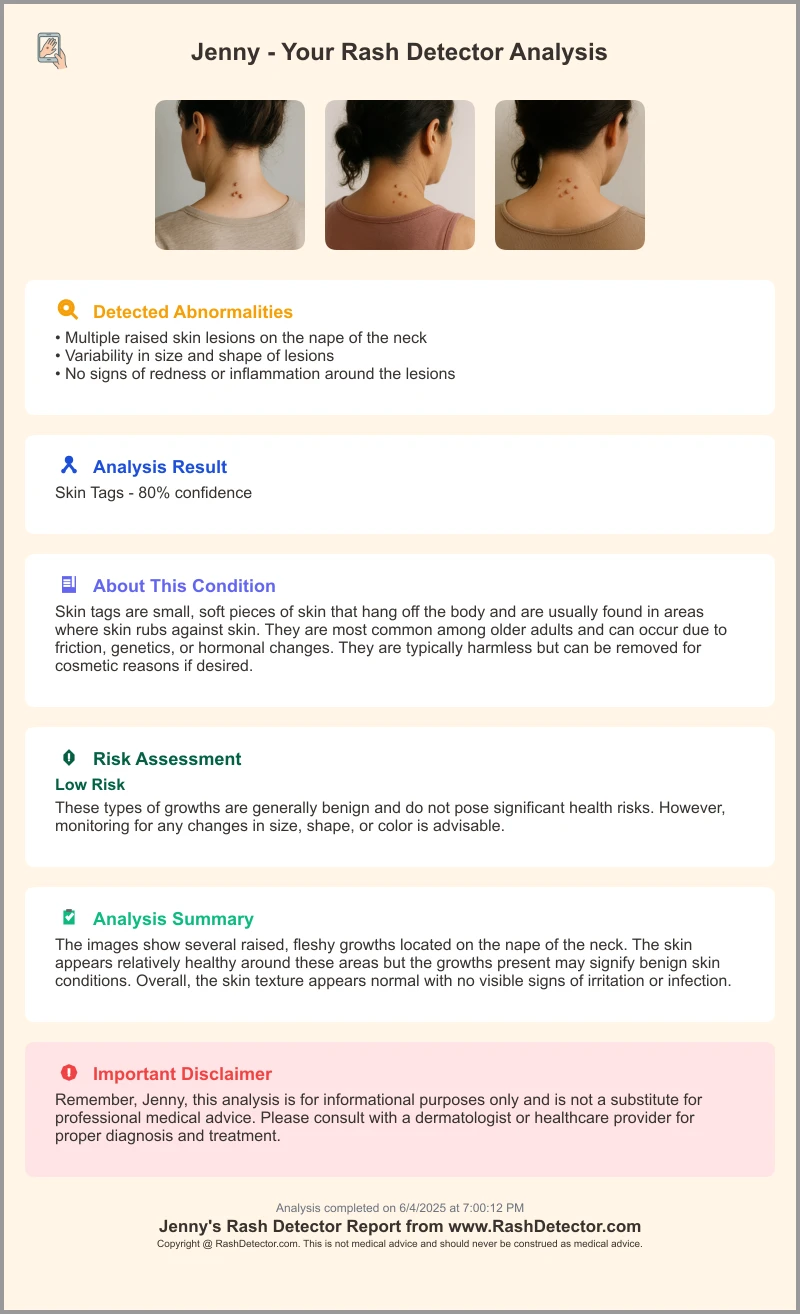
Photographing the rash regularly can help track changes over time. Using a tool like Rash Detector allows you to upload three images of your rash for instant analysis and guidance, which is especially helpful for monitoring diabetic skin problems.
Identifying a Diabetes Rash on the Neck
Diabetes rash on the neck most often appears as acanthosis nigricans:
- Appearance: Velvety, dark brown or black thickening of the skin.
- Location: Back or sides of the neck, sometimes spreading to underarms or groin folds.
- Sensation: Usually not painful, but may itch or feel rough.
- Associated Factors: Strongly linked with obesity, insulin resistance, and type 2 diabetes.
If you notice dark, thickened patches on your neck or elsewhere, talk to your healthcare provider. For more on neck rashes, see our post Rash on Neck: Causes and Solutions Explained.
Recognizing Other Diabetic Skin Issues
Other signs that a skin rash may be related to diabetes include:
- Recurring fungal infections (especially in skin folds).
- Itchy, dry, or cracked skin that does not improve with regular moisturizer.
- Painless, shiny patches or ulcers, especially on the legs or feet.
- Clusters of small, yellowish bumps (eruptive xanthomatosis).
Documenting the timing, appearance, and progression of any skin change is crucial for accurate diagnosis and effective treatment.
Section 5: When to Seek Medical Attention
Recognizing Warning Signs
While many diabetic skin rashes are mild and self-limited, some require prompt medical evaluation. Seek professional advice if you notice:
- Rapidly spreading redness, swelling, or warmth around a rash.
- Painful, blistering, or ulcerated skin lesions.
- Signs of infection, such as pus, fever, or chills.
- Non-healing wounds, especially on the lower legs or feet.
- Sudden or severe itching interfering with sleep or daily activities.
- Rash accompanied by new or worsening numbness or tingling.
Importance of Professional Diagnosis
Only a healthcare provider can definitively diagnose the cause of a skin rash, especially in the context of diabetes. They may perform:
- Physical examination and skin inspection.
- Blood tests to assess glucose control and rule out infections.
- Skin biopsy or cultures in uncertain or severe cases.
Some diabetic rashes can mimic other skin disorders or be mistaken for unrelated allergic or drug reactions. For more on differentiating drug-related rashes, see our guide Drug Rash: Causes, Symptoms, and How to Identify It.
When an Emergency Response Is Needed
- If you develop a rapidly spreading rash with fever or systemic symptoms, seek emergency care.
- Unexplained blisters, deep ulcers, or gangrene (black, dead tissue) require urgent attention.
- Persistent, painful, or worsening rashes should always be evaluated promptly.
Remember: This guide is for informational purposes only. If you have a severe, spreading, painful, or persistent rash, consult a doctor or dermatologist for diagnosis and treatment.
Section 6: Managing and Preventing Diabetic Skin Rashes
Effective Management Strategies
Once a diabetes skin rash is identified, management focuses on treating the underlying cause, relieving symptoms, and preventing complications. Common approaches include:
- Blood Sugar Control: Keeping glucose levels within your target range greatly reduces the risk of skin problems.
- Moisturizing: Use fragrance-free creams or ointments to keep skin hydrated, especially after bathing.
- Topical Treatments: Mild steroid creams or antifungals may be prescribed for inflammatory or infectious rashes (always under medical supervision).
- Proper Wound Care: Clean, cover, and monitor any open sores or ulcers. Seek help if wounds do not heal promptly.
- Itch Relief: For itchy skin, cool compresses and non-irritating lotions can help. For product recommendations, check our guide Best Anti Itch Cream: Top Picks and How to Choose.
Practical Prevention Tips
- Check your skin daily for new rashes, wounds, or color changes—especially on the legs, feet, and neck.
- Keep skin clean and dry, paying special attention to folds and areas prone to sweating.
- Wear comfortable, breathable clothing to reduce friction and irritation.
- Avoid harsh soaps and opt for gentle, unscented cleansers.
- Trim nails carefully to avoid accidental skin injury.
- Manage other health conditions, such as high cholesterol or obesity, to lower overall risk.
Digital Tools and Skin Monitoring
Technology can help you monitor and manage skin issues more effectively. The Rash Detector app enables you to upload photos of your rash, receive instant analysis, and get guidance on possible causes—including diabetes rash patterns. This can be particularly helpful for tracking changes, sharing information with your provider, and ensuring early intervention if symptoms worsen.
Conclusion
Diabetes skin rash is a common, sometimes early indicator of blood sugar issues and can take many forms—ranging from mild irritation to more serious conditions like necrobiosis lipoidica or acanthosis nigricans. Recognizing the signs of a diabetes rash on the legs, neck, or elsewhere is crucial for timely management and preventing complications. Regular skin checks, good blood sugar control, and effective use of digital tools like Rash Detector can help you stay on top of diabetic skin problems. However, always consult a healthcare provider or dermatologist for diagnosis and treatment—especially for severe, spreading, or persistent rashes. Your skin is a window to your health; don’t ignore what it’s telling you.
FAQ
Q: What does a diabetes skin rash look like?
A diabetes skin rash can appear as brown, red, or yellow patches (often on the legs), dark velvety areas (usually on the neck or folds), itchy dry skin, or clusters of small bumps. Appearance varies by type and location.
Q: Can a diabetes rash be the first sign of diabetes?
Yes. In some cases, skin rashes or changes (especially acanthosis nigricans or diabetic dermopathy) may be the first visible sign of undiagnosed or poorly controlled diabetes.
Q: How can I tell if my rash is from diabetes or something else?
Diabetic rashes often appear in characteristic locations and patterns but can be mistaken for other causes. Monitoring the timing, location, and associated symptoms—and consulting a healthcare provider—are essential for accurate diagnosis.
Q: How do you treat a diabetic rash?
Treatment depends on type and severity but often includes blood sugar control, moisturizing, proper skin hygiene, and sometimes topical medications. Always see a doctor for diagnosis and before starting any new treatment.
Q: Are diabetic skin problems permanent?
Some skin changes may improve with better diabetes management, while others (like scarring or pigment changes) may persist. Early intervention increases the chance of resolution.