When Is a Rash Serious? How to Identify and Describe Skin Rashes
Learn when a rash is serious, how to identify common skin rashes, describe them to a doctor, and when to seek urgent care. Educational, detailed guide.

Estimated reading time: 16 min
Key Takeaways
- Serious rashes include those with emergency red flags like breathing issues, fever, rapidly spreading, or purple spots.
- Learn how to identify a rash by describing its color, texture, pattern, and location.
- Common types of skin rashes have distinctive features but always require professional evaluation if severe or persistent.
- Rashes caused by medications or allergies may need urgent medical attention.
- Use tools like Rash Detector to help identify rashes from a photo, but consult a doctor for diagnosis and treatment.
Table of Contents
- Section 1: Understanding When a Rash Is Serious
- Section 2: How to Identify a Rash
- Section 3: How to Describe a Rash to a Doctor
- Section 4: Common Types of Skin Rashes and What They Look Like
- Section 5: Red Flag Symptoms—When to Seek Emergency Care
- Section 6: Rashes from Medications and Allergies
- Section 7: Tools and Technology for Rash Identification
- Section 8: When to See a Dermatologist or Doctor
- Conclusion
- FAQ
Section 1: Understanding When a Rash Is Serious
Recognizing the Importance of Rash Severity
Rashes are common and often harmless, but some can signal serious health problems or even medical emergencies. Understanding when is a rash serious is important for your health and safety. Many people wonder how to identify a rash that needs urgent care versus one that can be monitored at home.
- Serious rashes may be linked to infections, allergic reactions, or underlying health conditions.
- Some rashes appear suddenly and spread rapidly, while others develop slowly over days or weeks.
- Symptoms like fever, pain, blistering, or purple spots demand special attention.
Risk Factors for Serious Rashes
Children, the elderly, and people with weakened immune systems may be at higher risk for complications from rashes. A rash with other symptoms—such as swelling of the lips or tongue, trouble breathing, or severe pain—requires immediate assessment.
Common Causes of Serious Rashes
- Infections (e.g., meningitis, measles, cellulitis)
- Severe allergic reactions (anaphylaxis, drug reactions)
- Autoimmune diseases (e.g., lupus, vasculitis)
If you are unsure about the severity of a rash, seek medical help. Prompt recognition can be important for your health.
Section 2: How to Identify a Rash
Visual Characteristics
Identifying a rash starts with close observation. What does a rash look like? Rashes vary widely, but several features help narrow down possible causes:
- Color: Red, pink, purple, brown, or white
- Texture: Raised, flat, scaly, blistered, or smooth
- Pattern: Spots, patches, rings, or linear streaks
- Location: Localized (one area) or generalized (multiple areas)
Associated Symptoms
Pay attention to symptoms accompanying the rash:
- Itching or burning
- Pain or tenderness
- Fever or chills
- Swelling or discharge
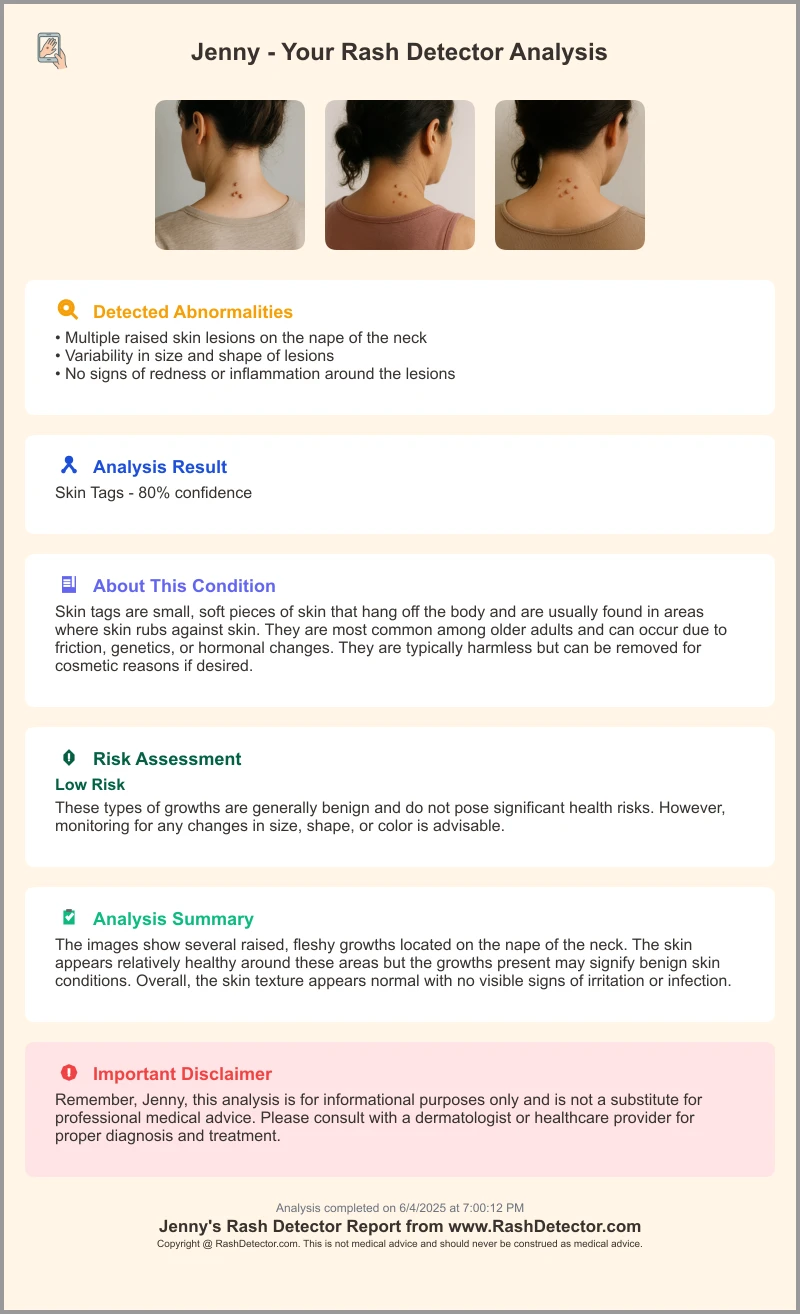
Photographing your rash can help track changes and is useful for telehealth or AI-based tools, such as Rash Detector, which may help suggest possible causes based on a photo. However, these tools cannot provide a diagnosis.
Using Descriptors Effectively
Being detailed when describing your rash helps your healthcare provider determine the urgency and cause. Learn more about how to do a thorough skin self-exam in the Skin Self Exam Guide.
Section 3: How to Describe a Rash to a Doctor
Essential Descriptors
Explaining your rash accurately improves your doctor's ability to make a correct diagnosis. Here’s how to describe a rash to a doctor:
- Onset: When did the rash start? Was it sudden or gradual?
- Location and Spread: Where did it begin, and has it spread to other areas?
- Appearance: Is it raised, flat, blistered, scaly, or oozing? What color is it?
- Associated Symptoms: Any pain, itching, fever, or swelling?
- Triggers: New medications, foods, or recent exposures?
Describing Patterns and Evolution
Note changes over time: Has the rash changed color, shape, or texture? Has it improved, stayed the same, or worsened?
Importance of Photos and Documentation
- Take clear photos in good lighting from multiple angles.
- Document the timeline of symptoms—when things began and how they changed.
Apps like Rash Detector allow you to upload several images, helping provide a more comprehensive picture for analysis, but always bring this information to a medical professional for confirmation and treatment.
Section 4: Common Types of Skin Rashes and What They Look Like
Viral Rashes
- Measles: Starts on the face and spreads downward; red, flat, and may merge.
- Chickenpox: Itchy, red spots that turn into fluid-filled blisters, then scab over.
- Hand, Foot, and Mouth Disease: Red spots or sores, often with blisters, on hands, feet, and inside the mouth.
Bacterial Rashes
- Impetigo: Honey-colored crusts, usually around the nose and mouth, highly contagious.
- Cellulitis: Red, hot, swollen area that spreads; may be painful and tender.
Allergic and Drug Rashes
- Hives (Urticaria): Raised, red, itchy welts that come and go quickly.
- Drug Rash: Pink or red spots, often starting on the trunk and spreading; may be itchy.
For more on drug-related rashes, see our detailed guides on Drug Rash: Causes, Symptoms, and How to Identify It and Medicine Allergy Rash: Causes, Symptoms & What to Do.
Other Common Rashes
- Eczema: Dry, scaly, red patches, often on the face, elbows, or knees.
- Psoriasis: Thick, silvery scales with red patches underneath, often on the scalp, knees, or elbows.
- Contact Dermatitis: Red, itchy rash at the site of contact with an irritant or allergen.
- Heat Rash: Small, red bumps in areas of sweating; common in hot weather.
Understanding these common types of skin rashes may help in recognizing what might be mild versus what requires urgent attention. However, only a healthcare professional can provide a diagnosis. See a doctor for any severe, spreading, painful, or persistent rash.
Section 5: Red Flag Symptoms—When to Seek Emergency Care
Emergency Red Flags
- Trouble breathing, wheezing, throat tightness, or swelling of the lips, tongue, or face—could indicate a life-threatening allergic reaction (anaphylaxis)
- Rash with fever, chills, headache, neck stiffness, confusion, or severe illness—may signal meningitis, sepsis, or other dangerous infections
- Rapidly spreading rash or rash covering most of the body
- Blistering, peeling skin, open sores, or rash involving the mouth, eyes, or genitals—could be Stevens-Johnson syndrome or other severe conditions
- Painful rash, severe tenderness, or rash with discharge/oozing/infection
- Purple, red, or bruise-like non-blanching spots (do not fade when pressed)—possible sign of meningococcemia or vasculitis
Children and Special Populations
Children with fever plus rash, especially if they appear very ill, should be evaluated urgently. Measles, meningococcal disease, and Kawasaki disease can all present with fever and rash and require prompt intervention.
Where to Seek Care
- Call 911/go to the emergency room: If there are breathing problems, swelling of face/tongue, confusion, or rapidly spreading blistering rash.
- Urgent care: Moderate pain, swelling, or signs of infection without severe symptoms.
- Routine doctor visit: Rash that is mild, not spreading quickly, and no systemic symptoms.
When in doubt, err on the side of caution and seek prompt medical attention. Early treatment can help prevent complications.
Section 6: Rashes from Medications and Allergies
Medication-Induced Rashes
Many medications can cause allergic or toxic skin reactions. These rashes often appear within days to weeks of starting a new drug. Common features include pink or red spots, widespread hives, or peeling skin.
- Drug rashes can range from mild to potentially life-threatening (e.g., Stevens-Johnson syndrome, toxic epidermal necrolysis).
- Drug allergy rash may include fever, joint pain, or swelling.
If you suspect a medication is causing your rash, contact your doctor immediately. Never stop a prescription drug without medical advice.
Learn more about drug rash treatment in Drug Rash Treatment: Effective Solutions for Skin Reactions and see next steps for rash from medication.
Allergic Rashes
- Hives (Urticaria): Often caused by foods, medications, or environmental allergens.
- Angioedema: Swelling of deeper skin layers, especially lips, eyes, or throat—medical emergency if breathing is affected.
Non-Allergic Reactions
- Photosensitivity: Rash triggered by sunlight, often due to medications.
- Fixed drug eruptions: Rash returns in the same spot each time a drug is taken.
Distinguishing allergic from non-allergic rashes can be complex. Always consult a doctor for diagnosis and management.
Section 7: Tools and Technology for Rash Identification
Using Rash Checker Apps
Modern technology offers tools to help identify rash from a photo. Rash checker apps like Rash Detector allow users to upload images and receive instant analysis of possible causes and guidance.
- Upload 3 images for a more comprehensive assessment.
- Get a detailed report on likely rash types, recommended next steps, and emergency warning signs.
- Use the app as an educational tool, not a substitute for medical advice.
Benefits and Limitations
- Benefits: Immediate feedback, visual tracking, improved communication with healthcare providers.
- Limitations: Cannot provide a definitive diagnosis; should not replace a professional skin exam, especially for serious or persistent rashes.
Integrating Tech with Healthcare
Bring your rash photos and app reports to your medical consultation. Digital documentation helps track the evolution of your skin condition and supports better care. For additional guidance on skin monitoring, check out the ABCDE Rule for Moles and our Free Mole Check Guide.
Section 8: When to See a Dermatologist or Doctor
Signs You Need Medical Attention
- Rash lasting more than 1–2 weeks or keeps returning
- Rash not improving with home care or over-the-counter treatments
- Any red flag symptoms (see Section 5)
- Painful, spreading, or blistering rash
- Signs of infection: pus, oozing, increased redness, swelling, or warmth
Routine vs Urgent vs Emergency Visits
- Routine visit: Mild, non-spreading rash without systemic symptoms
- Urgent care: Moderate symptoms, mild fever, or concern for infection
- Emergency room: Breathing issues, severe pain, confusion, rapidly spreading or blistering rash
Preparing for Your Appointment
- Bring a list of medications, recent exposures, and symptom timeline
- Show photos or reports from rash checker apps
- Be ready to describe your rash in detail (onset, location, symptoms, triggers)
For persistent itching, see our post on Best Anti Itch Cream: Top Picks and How to Choose to learn about relief options. Remember, this guide is educational—always consult a doctor or dermatologist for diagnosis and treatment, particularly for severe, spreading, painful, or persistent rashes.
Conclusion
Knowing when is a rash serious is important for your health and peace of mind. Learning how to identify a rash, describe it to your doctor, and recognize red flag symptoms can help you get the right care at the right time. While many skin rashes are mild, certain signs—like trouble breathing, fever, rapid spreading, blistering, or purple spots—require immediate medical attention. Use educational tools like Rash Detector to support your understanding, but always seek professional care for diagnosis and treatment. If you're ever in doubt, err on the side of caution and contact a healthcare provider promptly.
FAQ
Q: When is a rash an emergency?
A: A rash is an emergency if you have trouble breathing, swelling of the lips or face, confusion, fever with neck stiffness, a rapidly spreading or blistering rash, or purple spots that do not fade when pressed. Seek emergency care immediately in these situations.
Q: What kind of rash needs to be seen by a doctor right away?
A: Rashes that are rapidly spreading, blistering, involve the mouth, eyes, or genitals, are associated with pain, swelling, or infection signs, or are accompanied by fever or feeling very unwell should be seen by a doctor immediately.
Q: What does it mean if a rash is spreading quickly?
A: A rapidly spreading rash can be a sign of a serious infection, severe allergic reaction, or other urgent medical conditions. Quick progression, especially with other symptoms, requires urgent evaluation by a healthcare provider.
Q: Is a rash with fever serious?
A: A rash with fever may indicate a significant infection (like meningitis or measles) or a severe drug reaction. Medical assessment is recommended, especially if other symptoms—such as headache, neck stiffness, or confusion—are present.
Q: When should I go to the ER for a rash?
A: Go to the emergency room if you experience breathing difficulties, swelling of the mouth or throat, confusion, severe pain, blistering or peeling skin, or a rash with purple non-blanching spots. These are signs of potentially life-threatening conditions.
Q: What does a purple or non-blanching rash mean?
A: Purple or non-blanching rashes that do not fade when pressed can signal serious conditions like meningococcemia or vasculitis. These require immediate emergency medical attention.
Always consult a doctor or dermatologist for diagnosis and treatment, especially for severe, spreading, painful, or persistent symptoms. This guide is for general educational purposes only and does not replace professional medical advice.