Medicine Allergy Rash: Causes, Symptoms & What to Do
Learn about medicine allergy rash: causes, symptoms, diagnosis, and treatment. Discover how to get instant guidance with Rash Detector's AI skin app.

Estimated reading time: 7 min
Key Takeaways
- A medicine allergy rash is a common reaction to medication.
- Symptoms can range from mild redness to severe, life-threatening reactions.
- Identifying the cause is crucial for safe and effective treatment.
- Rash Detector offers instant analysis by uploading three skin images.
Table of Contents
- Section 1: What Is a Medicine Allergy Rash?
- Section 2: Causes and Risk Factors
- Section 3: Symptoms and Types of Medicine Allergy Rashes
- Section 4: Diagnosis – How to Tell If You Have a Drug Rash
- Section 5: Treatment and Next Steps
- Section 6: How Rash Detector Can Help
- Conclusion
- FAQ
Section 1: What Is a Medicine Allergy Rash?
Understanding Drug-Induced Skin Reactions
A medicine allergy rash is a skin reaction triggered by an immune response to a medication. Unlike side effects, allergic rashes indicate your immune system sees the drug as harmful, causing symptoms on your skin.
- Common drugs causing allergic rashes include antibiotics (like penicillin), anti-seizure meds, and NSAIDs.
- The rash may appear hours or even days after starting the medication.
- Drug rashes are among the most frequent adverse drug reactions reported.
Section 2: Causes and Risk Factors
What Triggers a Medicine Allergy Rash?
The body’s immune system overreacts to a medication, mistaking it for a threat. This can happen with:
- Prescription medications (antibiotics, anti-inflammatories, anticonvulsants)
- Over-the-counter drugs (pain relievers, cold remedies)
- Herbal supplements or alternative remedies
Who’s at Risk?
- People with a personal or family history of allergies
- Those with weakened immune systems
- Individuals taking multiple medications
Some medications are more likely to cause reactions. If you want more detail on which drugs are common culprits, see Drug Rash: Causes, Symptoms, and How to Identify It.
Section 3: Symptoms and Types of Medicine Allergy Rashes
Typical Symptoms
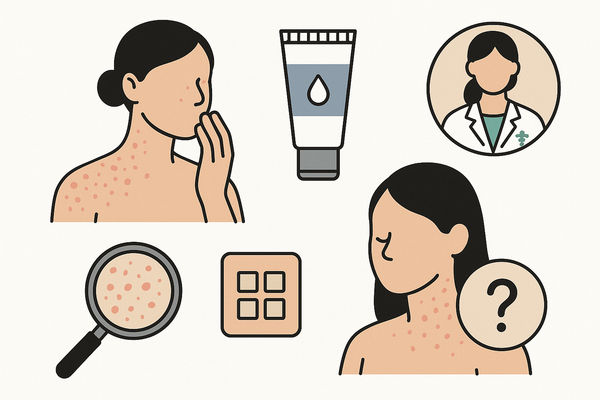
- Red, itchy patches (often starting on the trunk or limbs)
- Raised bumps (hives or urticaria)
- Swelling and tenderness
- Blistering or peeling in severe cases
Types of Rashes from Medicine Allergies
- Maculopapular rash: Flat, red areas covered with small bumps; usually non-itchy.
- Hives (urticaria): Itchy, raised welts that move around the body.
- Fixed drug eruption: Single or few round, red patches that recur in the same spot with re-exposure.
- Severe reactions (e.g., Stevens-Johnson syndrome): Blistering, skin detachment, and mucosal involvement—medical emergency.
For a deeper dive into identifying these patterns, our article Drug Allergy Rash: Identification, Causes, and What to Do covers visual clues and warning signs.
Section 4: Diagnosis – How to Tell If You Have a Drug Rash
Steps to Diagnosis
Because medicine allergy rashes can mimic other skin conditions, diagnosis relies on:
- Your medication history (including start dates and recent changes)
- Timing of rash onset relative to new drugs
- Physical examination of rash patterns
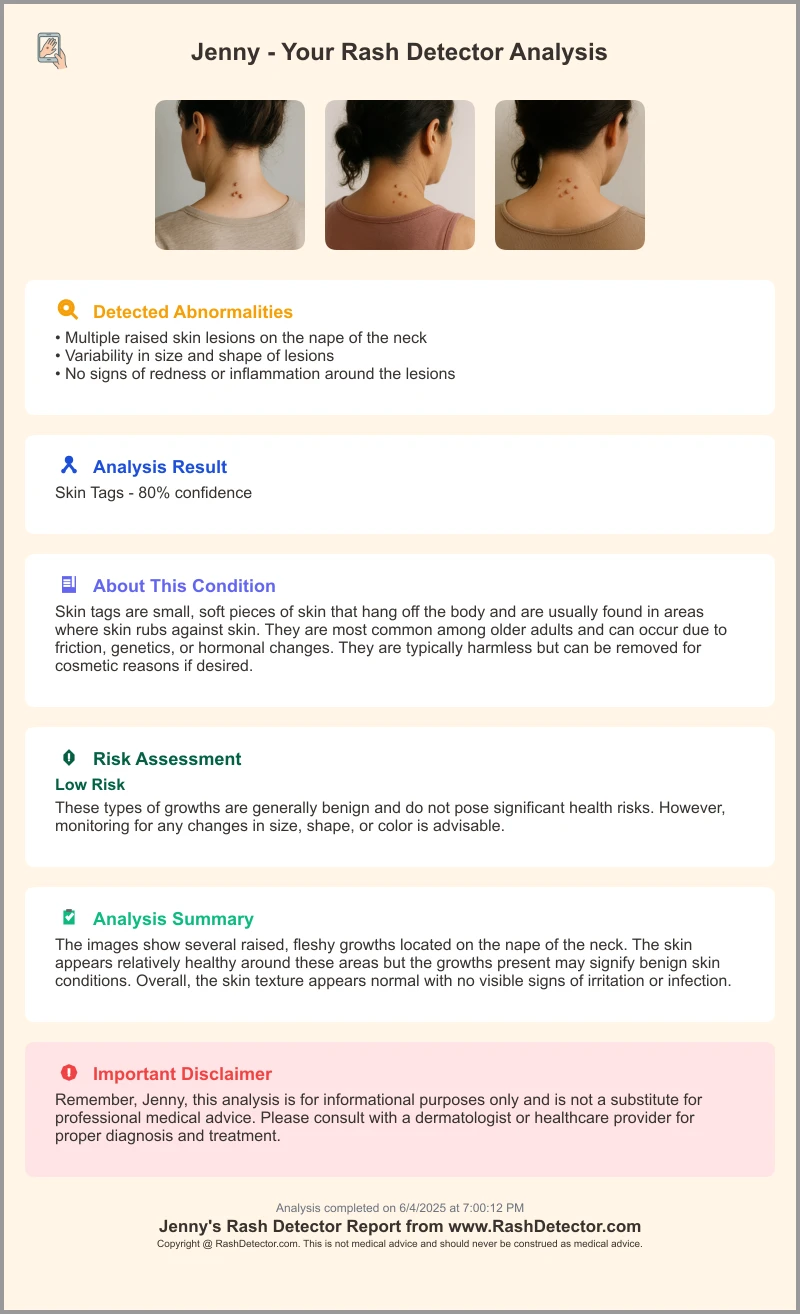
Doctors may ask you to stop the suspected medication (under supervision) or perform allergy testing in select cases. Digital tools like Rash Detector make it easier to document and analyze your rash—just upload three clear images and receive AI-powered guidance instantly.
Section 5: Treatment and Next Steps
Immediate Actions
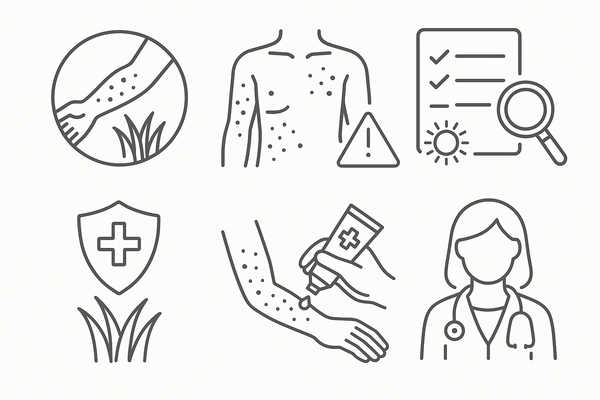
- Stop the suspected medication—but only after consulting your doctor, unless the reaction is severe.
- Take photos of your rash to track changes.
- If you have difficulty breathing, swelling of the lips/tongue, or widespread blistering, seek emergency care immediately.
Common Treatments
- Antihistamines for itching and hives
- Topical corticosteroids for localized inflammation
- Oral steroids for more severe reactions
For more on managing symptoms, see Best Anti Itch Cream: Top Picks and How to Choose and our comprehensive Drug Rash Treatment: Effective Solutions for Skin Reactions.
Section 6: How Rash Detector Can Help
Instant, AI-Powered Analysis
Not sure if your rash is from a medicine allergy? Rash Detector empowers you to:
- Upload three images of your skin issue
- Get instant analysis and possible causes
- Receive guidance on next steps and when to see a doctor
This tool is especially helpful when you don’t have immediate access to a dermatologist or want a second opinion before your next appointment. Try it now at Rash Detector.
Conclusion
A medicine allergy rash can range from a mild inconvenience to a serious medical emergency. Prompt recognition, stopping the offending drug (with medical advice), and getting the right treatment are key. Digital tools like Rash Detector can support you with instant analysis, but always consult a healthcare professional for severe or worsening symptoms.
FAQ
Q: How quickly does a medicine allergy rash appear?
A:
It can develop within minutes to several days after taking the drug. Some rashes show up even after weeks.
Q: Can I treat a medicine allergy rash at home?
A:
Mild cases may improve with antihistamines and topical creams, but always check with your doctor first. Severe reactions need immediate medical attention.
Q: Should I stop my medication if I develop a rash?
A:
Contact your doctor before stopping any prescribed drug unless you have symptoms of a severe allergic reaction (trouble breathing, swelling, blistering).
Q: How can I tell if my rash is from an allergy or something else?
A:
Consider the timing, recent medication changes, and rash characteristics. Using Rash Detector can provide instant analysis, but confirm with a healthcare provider.
衣装の候補を絞る場合は、サイズ、素材、装飾、付属品を同じ基準で見比べることが大切です。具体的な候補を確認する場合は、禰豆子 コスプレ衣装から関連する商品や情報を比較できます。商品が届いたら付属品とサイズを早めに確認し、必要な調整を本番前に済ませましょう。