Rash from Medication: Causes, Symptoms & Next Steps
Learn about rashes from medication—causes, symptoms, and what to do. Instant analysis with Rash Detector. Find relief and guidance for drug-induced skin reactions.
Estimated reading time: 7 min
Key Takeaways
- Rash from medication is a common side effect, often signaling an allergic reaction or sensitivity.
- Symptoms range from mild redness to severe, blistering skin eruptions.
- Knowing how to identify and respond to drug-induced rashes is crucial for your health.
- Instant analysis tools like Rash Detector can help guide your next steps.
Table of Contents
- Section 1: Understanding Rash from Medication
- Section 2: Common Symptoms and Types
- Section 3: What to Do if You Develop a Rash
- Section 4: Prevention and When to Seek Help
- Section 5: How Rash Detector Can Help
- Conclusion
- FAQ
Section 1: Understanding Rash from Medication
What is a Medication-Induced Rash?
A rash from medication is a skin reaction triggered by a drug or its byproducts. This can involve immune system responses (allergic reactions), direct irritation, or other mechanisms. Rashes can appear within hours or days after starting a new medicine.
Why Do Medications Cause Rashes?
- Allergic reactions: The immune system treats the drug as a threat, causing inflammation.
- Photosensitivity: Some drugs make your skin more sensitive to sunlight, causing rashes.
- Toxic reactions: High doses or sensitivity can directly damage skin cells.
Drugs Commonly Linked to Skin Rashes
- Antibiotics (e.g., penicillins, sulfa drugs)
- Anticonvulsants
- Non-steroidal anti-inflammatory drugs (NSAIDs)
- Diuretics
Section 2: Common Symptoms and Types
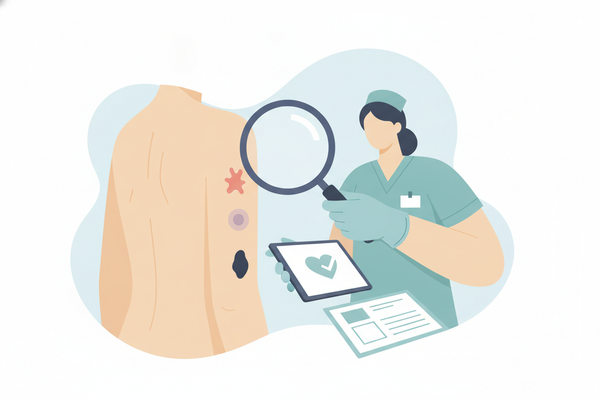
How to Recognize a Rash from Medication
Symptoms vary based on the drug and individual sensitivity, but common signs include:
- Red spots or patches
- Itching or burning sensation
- Swelling
- Blisters or peeling (in severe cases)
Types of Drug-Induced Rashes
- Maculopapular rash: Flat, red areas with small bumps; often starts on the trunk.
- Hives (urticaria): Raised, itchy welts that come and go.
- Fixed drug eruption: Single or few dark, swollen patches that reappear in the same place after each exposure.
- Severe reactions: Stevens-Johnson syndrome or toxic epidermal necrolysis (rare but life-threatening).
Section 3: What to Do if You Develop a Rash
Immediate Steps
- Stop taking the suspected medication if advised by your doctor.
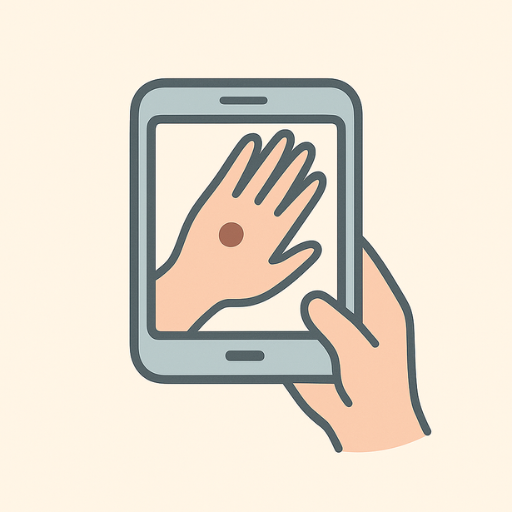
- Take clear photos of the rash to document its appearance and progression.
- Monitor for systemic symptoms: fever, difficulty breathing, swelling of the face or tongue.
When to Seek Medical Attention
- If the rash is widespread or rapidly worsening
- Experiencing symptoms like shortness of breath, chest pain, or high fever
- If blisters, peeling skin, or mucous membrane involvement occurs
Using Technology for Quick Analysis
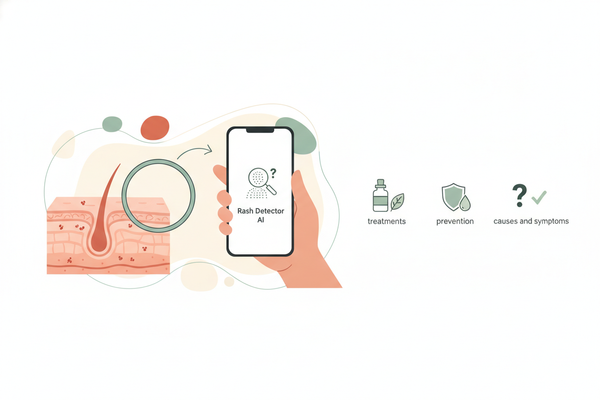
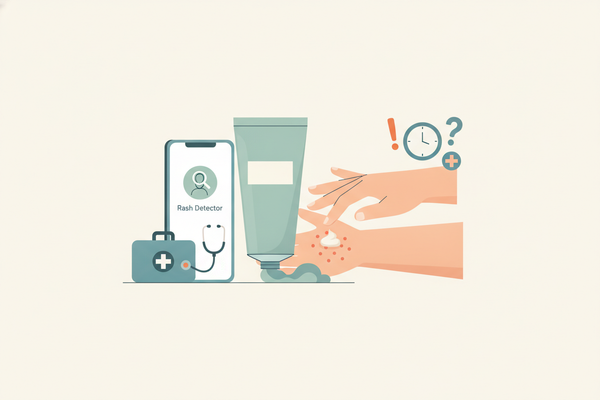
Instant tools like Rash Detector help users analyze rashes by uploading images. This can provide guidance on possible causes and urgency, supporting timely decisions.
Section 4: Prevention and When to Seek Help
Preventing Medication Rashes
- Share your allergy history with your healthcare provider.
- Read medication leaflets for potential side effects.
- Start new medications cautiously, especially if you have a history of drug allergies.
When to Consult a Healthcare Professional
- If you’re unsure whether your rash is related to medication
- If symptoms persist after stopping the drug
- For advice on alternative medications or future allergy testing
Section 5: How Rash Detector Can Help
Fast, AI-Powered Rash Analysis
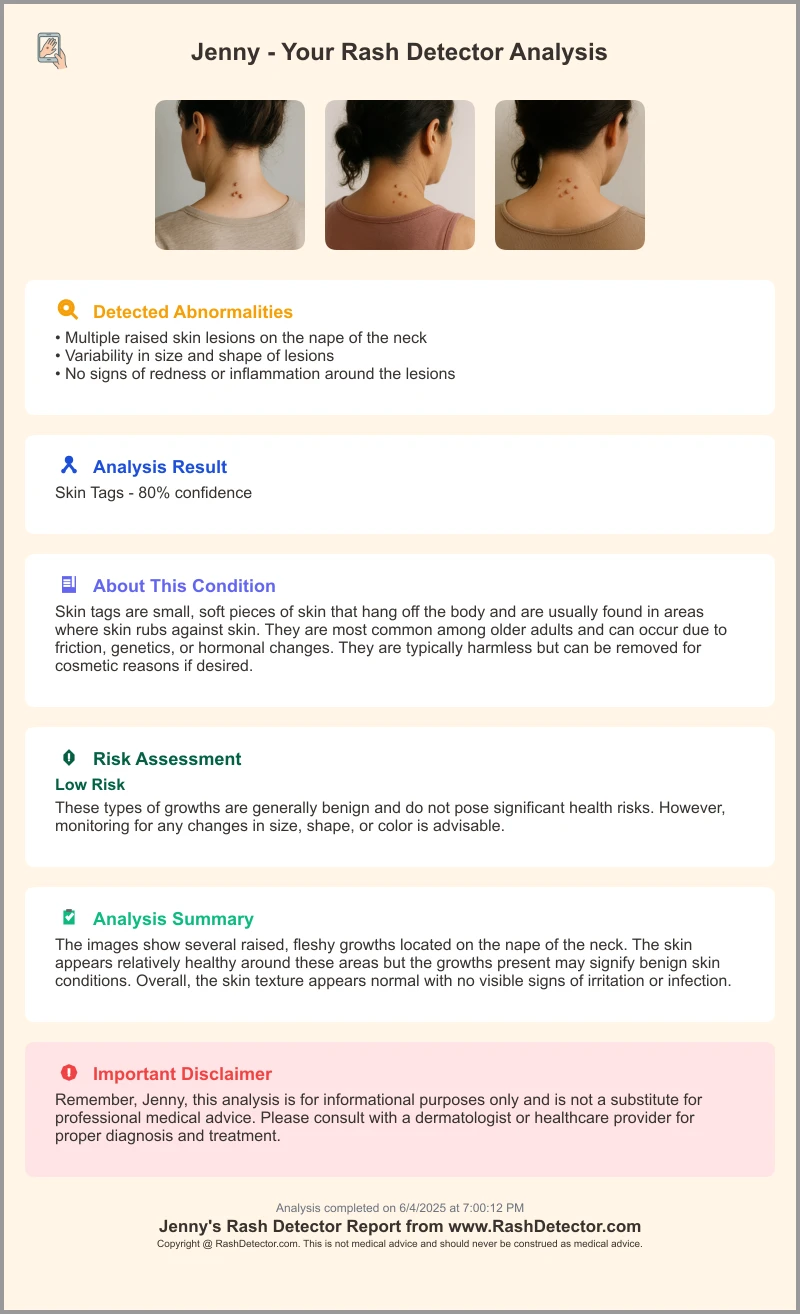
With Rash Detector, you can upload three clear images of your skin issue and receive instant feedback. The app uses advanced AI to compare your rash to thousands of examples, helping identify whether it could be a drug-induced skin reaction.
Why Use Rash Detector?
- Get analysis in seconds without waiting for an appointment
- Use as a first step before speaking with your provider
- Track rash changes over time with easy photo uploads
Try it at Rash Detector for quick, accessible guidance.
Conclusion
A rash from medication can be alarming but is often manageable if recognized early. Understanding the symptoms and knowing when to seek help is vital. Tools like Rash Detector provide immediate support, but always consult a healthcare professional for severe or persistent symptoms.
FAQ
Q: Can any medication cause a skin rash?
A: Almost any drug can trigger a rash, but antibiotics, anticonvulsants, and NSAIDs are the most common culprits.
Q: How soon after starting a medication can a rash appear?
A: Rashes can develop within hours to several weeks after starting a new drug. Timing varies by medication and individual sensitivity.
Q: Should I stop my medication if I get a rash?
A: Consult your healthcare provider before stopping any prescription medication. For severe symptoms, seek immediate medical help.
Q: Is it safe to use Rash Detector for medication rashes?
A: Rash Detector offers instant analysis and guidance, but it's not a substitute for professional medical advice, especially for severe reactions.
撮影やイベントに使う衣装は、再現度に加えて動きやすさと着用時間も考えて選びましょう。条件に合う選択肢を探す際は、推しの子 コスプレ衣装を手掛かりに内容を確認できます。使用後は素材に合う方法で手入れし、装飾を傷めない形で保管することが大切です。