Effective Medication Rash Treatment: Recognition, Management, and Prevention
Discover how to recognize, treat, and prevent drug-induced skin reactions with effective medication rash treatment strategies.

Estimated reading time: 8 minutes
Key Takeaways
- Recognize early signs of drug-induced rashes, from mild itch to life-threatening SCARs.
- Diagnose promptly with timelines, photographs, and specialist input to guide treatment.
- Treat effectively by stopping the culprit drug, using topical/oral therapies, and providing supportive care.
- Prevent recurrences through careful medication review, skin monitoring, and clear patient-provider communication.
Table of Contents
- Introduction
- Understanding Medication-Induced Rashes
- Diagnosis and When to Seek Help
- Detailed Treatment Options
- Prevention and Long-Term Management
- Conclusion
- FAQ
Introduction
Medication rash treatment begins with the knowledge that up to 90% of prescription and OTC drugs list skin rash as a possible side effect. These reactions range from mild, itchy bumps to life-threatening conditions like Stevens-Johnson syndrome (SJS), toxic epidermal necrolysis (TEN), or DRESS. Early identification and safe management are vital to prevent severe cutaneous adverse reactions (SCARs).
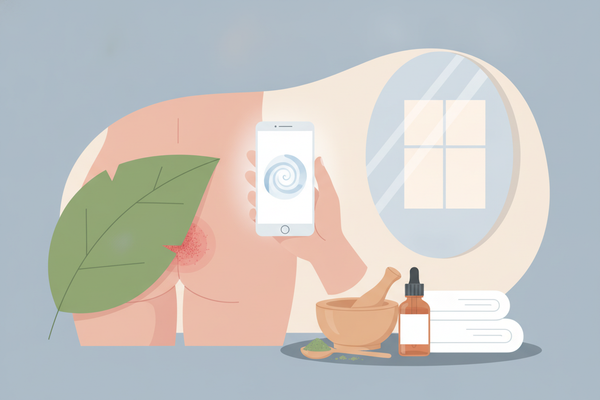
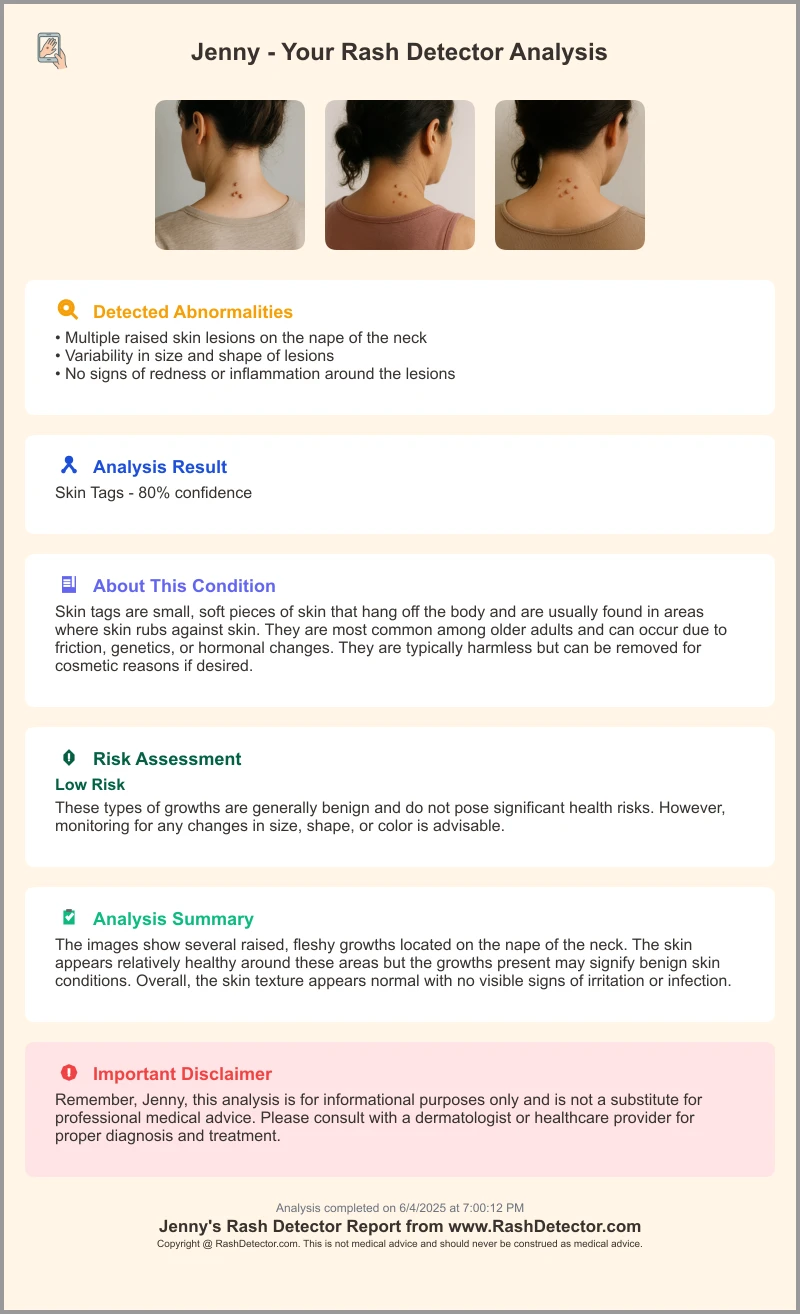
For instant, AI-powered analysis of a suspected drug rash, try an AI Skin Analysis App like Rash Detector, which lets you upload images and receive a detailed report instantly.
Section 1: Understanding Medication-Induced Rashes
What is a medication rash?
A drug-related skin eruption that ranges from mild, itchy bumps to severe, immune-mediated or toxic reactions.
- Morbilliform eruptions appear 1–2 weeks after starting a medication.
- Urticaria (hives) can emerge within minutes to days.
- Fixed drug eruptions recur at the same site upon re-exposure.
- Photosensitive rashes affect sun-exposed areas.
- SCARs like SJS/TEN and DRESS are rare but life-threatening.
Common culprits: antibiotics (penicillins, sulfonamides), anticonvulsants, allopurinol, NSAIDs, biologics, and even OTCs.
Early warning signs: new red spots, itching, burning, hives, blistering, mucosal sores, or anaphylaxis signs like breathing difficulty.
For more on recognizing drug-induced rash symptoms.
Section 2: Diagnosis and When to Seek Help
First-aid steps:
- Document the timeline of rash onset vs medication changes.
- Note systemic signs: fever, mouth or eye sores.
- Photograph the rash and keep a symptom diary.
- Contact your healthcare provider before stopping essential drugs.
Professional roles: dermatologists, allergists/immunologists, and hospital teams for severe cases.
When to seek emergency care: rapidly spreading rash, painful blisters, mucosal ulcerations, fever with lymphadenopathy, or anaphylaxis.
Section 3: Detailed Treatment Options
- Drug adjustment: discontinue non-essential agents, switch to safer alternatives, and document allergies.
- Topical therapies: emollients, corticosteroids, cool compresses; non-stick dressings for erosions.
- Oral medications: antihistamines, short-course corticosteroids, cyclosporine or IVIG for SCARs, epinephrine for anaphylaxis.
- Supportive care: fluid/electrolyte management, pain control, infection monitoring; ICU or burn-unit care when needed.
- Advances: standardized SCAR checklists, teledermatology, and genetic screening (HLA-B alleles).
Section 4: Prevention and Long-Term Management
Before starting new drugs: review side effects, monitor skin, carry a list of drug allergies, and use gentle skin care.
Watch for secondary infection: increasing redness, warmth, pus, or pain warrant prompt care.
Communicate: keep providers updated on past rash events and ensure medical records reflect your allergies.
Conclusion
By combining early recognition, accurate diagnosis, and stepwise treatment—including drug adjustment, topical/oral therapies, and supportive care—you can resolve most medication-induced rashes safely. Remain vigilant for severe signs like mucosal sores or breathing issues, and seek immediate care when they arise.
FAQ
- How soon do drug rashes appear? Most rashes emerge within 1–2 weeks, though urticaria can appear within hours.
- Can I reuse the culprit drug? No—re-exposure can trigger more severe reactions; always discuss alternatives.
- Are natural supplements safe? They can still cause rashes; monitor just like prescription drugs.
- When should I call 911? If you experience breathing difficulty, throat swelling, or rapid rash spread with systemic symptoms.
- Is genetic testing useful? Yes—HLA-B allele screening can identify high-risk individuals for certain drugs.