What to Do If You Suspect a Rash Is Herpes: Essential Steps
Learn what to do if you suspect a rash is herpes. Discover key steps, symptoms to watch for, and how Rash Detector can help with fast, accurate analysis.
Estimated reading time: 7 min
Key Takeaways
- Herpes rashes require prompt attention and accurate identification.
- Recognize key symptoms of herpes to act quickly.
- Early self-care and medical advice can prevent complications.
- Tools like Rash Detector provide fast, AI-powered rash analysis.
Table of Contents
- Section 1: Understanding Herpes Rashes
- Section 2: What to Do If You Suspect a Rash Is Herpes
- Section 3: At-Home Care and Symptom Management
- Section 4: Using Rash Detector for Fast Answers
- Conclusion
- FAQ
Section 1: Understanding Herpes Rashes
What Does a Herpes Rash Look Like?
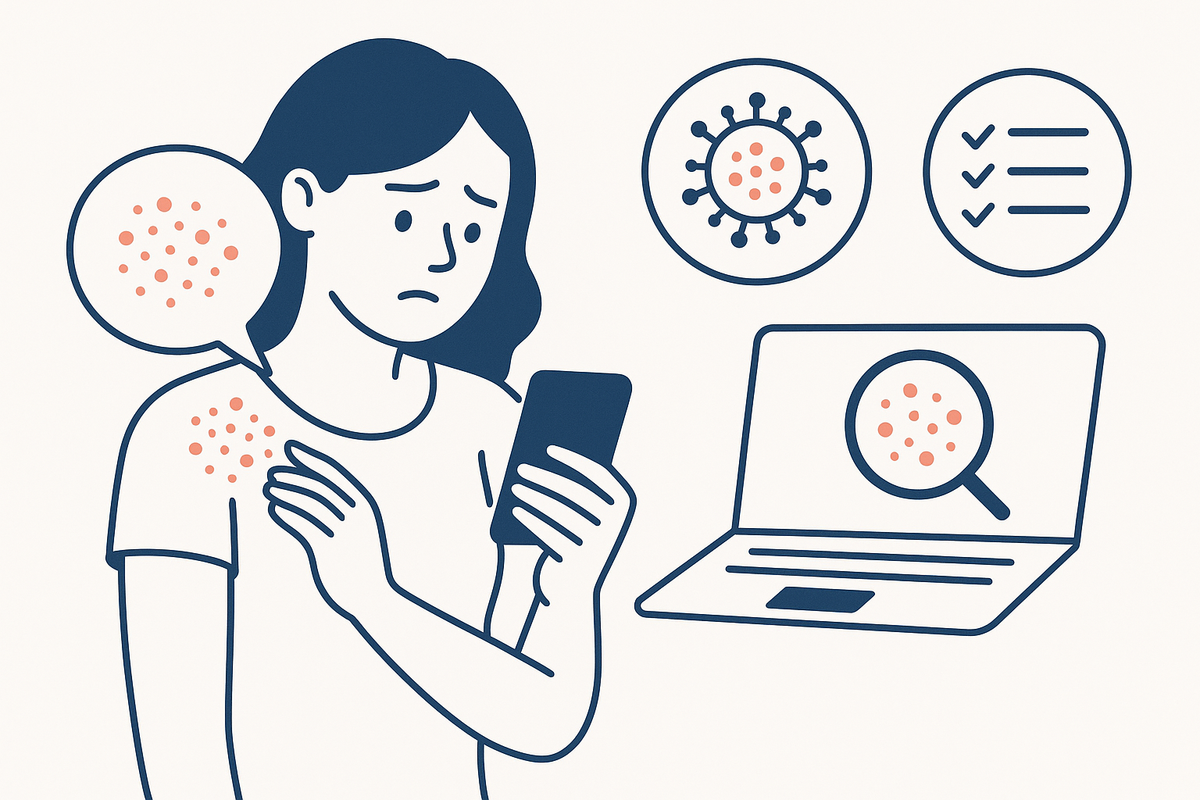
When you wonder what to do if you suspect a rash is herpes, the first step is recognizing possible signs. Herpes simplex virus (HSV) commonly causes clustered, fluid-filled blisters on red skin. These blisters may break and crust over.
- Location: Genitals, mouth, buttocks, thighs, or other areas
- Appearance: Small blisters in groups, sometimes painful or itchy
- Progression: Blisters rupture, form ulcers, then scab
Common Symptoms of Herpes Rash
- Tingling, burning, or itching before the rash appears
- Redness and swelling around affected area
- Pain, tenderness, sometimes fever or swollen glands
Herpes can resemble other skin issues. Accurate identification is crucial for proper treatment and preventing transmission.
Section 2: What to Do If You Suspect a Rash Is Herpes
Step-by-Step Action Plan
- Don’t Panic: Herpes is common and manageable. Early steps make a difference.
- Avoid Touching: Don’t scratch or pick at the rash to reduce spread and infection risk.
- Practice Good Hygiene: Wash hands after touching the area, avoid sharing towels, razors, or personal items.
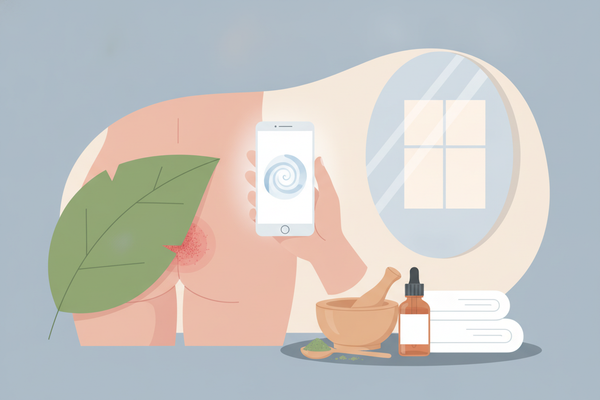
- Document the Rash: Take clear photos from different angles. Note when symptoms started and what you feel.
- Monitor Symptoms: Track any changes—blistering, pain, fever, or new spots.
When to Seek Medical Advice
- First outbreak symptoms (fever, severe pain, trouble urinating)
- Rash spreading rapidly or not healing after 10-14 days
- Weak immune system (due to medication or illness)
A healthcare provider can confirm if the rash is herpes using a swab test or blood test. Early treatment with antiviral medication reduces symptoms and shortens outbreaks.
Section 3: At-Home Care and Symptom Management
Comfort Measures for Herpes Rash
- Keep the Area Clean: Gently wash with mild soap and water.
- Dry Carefully: Pat, don’t rub. Consider using a hairdryer on cool.
- Loose Clothing: Wear breathable fabrics to avoid irritation.
- Cold Compress: Apply a clean, cold cloth to ease pain and itching.
Over-the-Counter Relief
- Pain Relievers: Acetaminophen or ibuprofen can reduce discomfort.
- Anti-itch Creams: Use with caution—some may irritate broken skin. For more on soothing products, see Best Anti Itch Cream: Top Picks and How to Choose.
Preventing Spread
- Avoid sexual or skin-to-skin contact until the rash heals
- Wash hands frequently
- Don’t touch your eyes after contact with the rash
Section 4: Using Rash Detector for Fast Answers
How Rash Detector Can Help
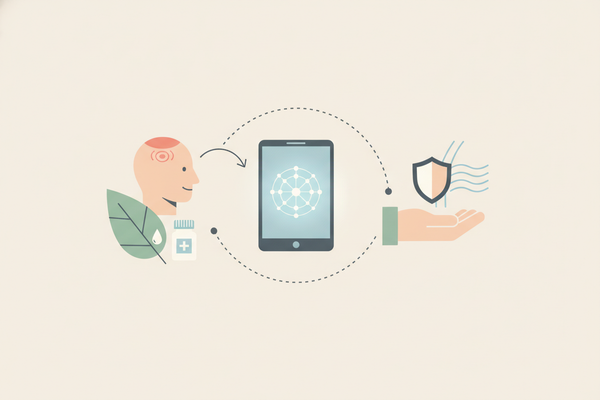
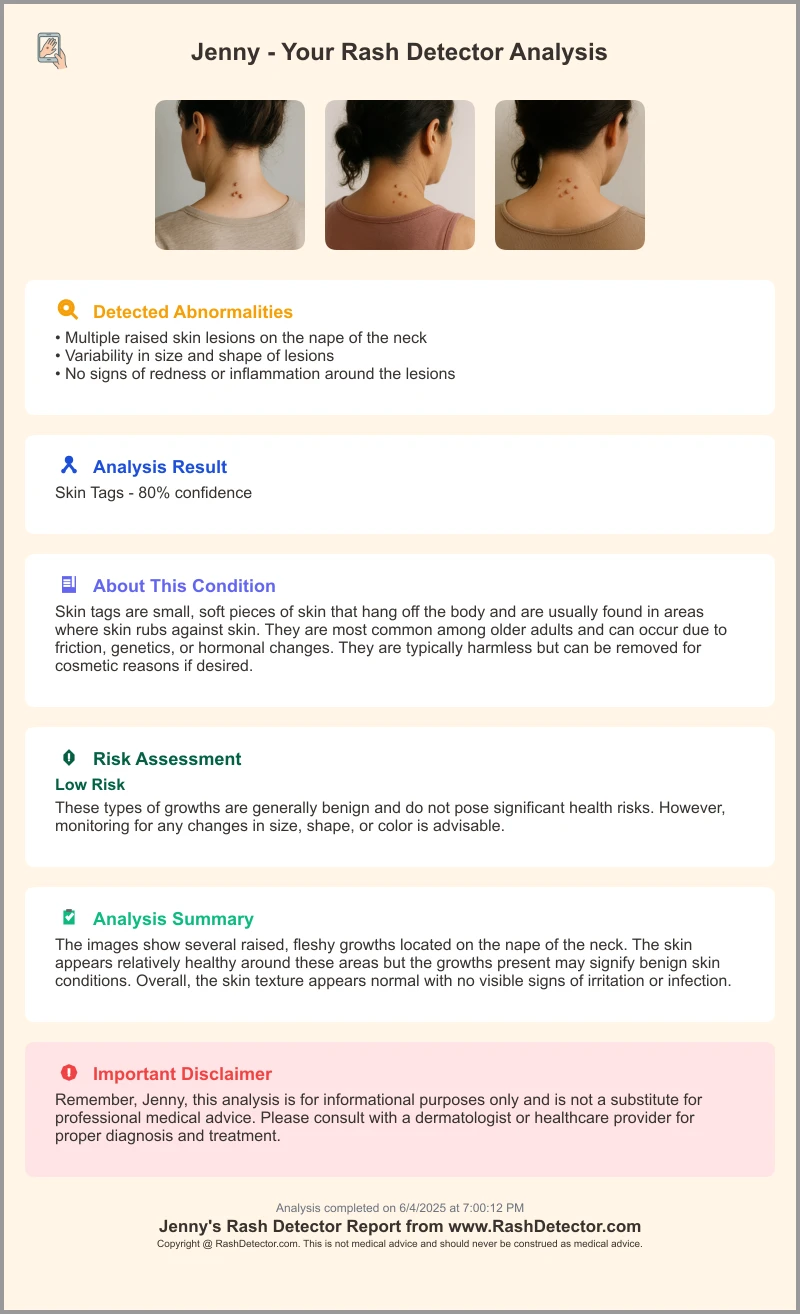
If you’re unsure what to do if you suspect a rash is herpes, AI-powered tools like Rash Detector can help. Upload three photos of your rash, and receive instant analysis to guide your next steps. While not a replacement for medical diagnosis, it’s a fast, private way to get actionable insights early.
Why Early Detection Matters
- Faster Relief: Early antiviral treatment is most effective.
- Reduced Transmission: Knowing when to avoid contact prevents spreading HSV.
- Peace of Mind: Quick answers reduce anxiety and help you act decisively.
Conclusion
If you suspect a rash is herpes, don’t ignore the signs. Take clear photos, avoid touching, and seek medical guidance—especially for first-time or severe symptoms. At-home care can reduce discomfort, and tools like Rash Detector offer instant preliminary guidance to help you act quickly and confidently.
FAQ
Q: What’s the fastest way to know if a rash is herpes?
A: The only way to confirm herpes is through medical testing. However, tools like Rash Detector offer instant analysis to help you decide your next steps.
Q: Can herpes be mistaken for other rashes?
A: Yes. Herpes can look similar to other skin conditions, such as allergic or drug rashes. For more on differentiating rashes, read Drug Rash: Causes, Symptoms, and How to Identify It.
Q: Should I use anti-itch creams on a herpes rash?
ウィッグを通販で探すときは、つむじ、毛量、長さ、セットできる範囲を確認しておくと安心です。複数の候補を比較する際は、コスプレ ツインテール ウィッグで仕様の違いを確認できます。本番前に着用して撮影し、照明による色の見え方を確認しておくと安心です。
A: Use with caution—some creams may irritate broken skin. Always check with a healthcare provider first.