Medication Rash Treatment: A Complete Guide to Identifying, Treating, and Preventing Drug-Induced Rashes
Learn about medication rash treatment with tips on identifying, managing, and preventing drug-induced rashes, while ensuring safe medication use.
Estimated reading time: 8 minutes
Key Takeaways
- Early recognition of drug-induced rashes can prevent serious complications.
- Differentiate between mild side effects and life-threatening reactions like SJS/TEN.
- First-line home treatments include antihistamines, topical steroids, and emollients.
- Maintain clear communication with healthcare providers for prescription interventions.
- Keep detailed allergy records and carry an allergy ID to prevent future rashes.
Table of Contents
- 1. Understanding Medication Rashes
- 2. Identifying a Medication Rash
- 3. Medication Rash Treatment: Options and Guidelines
- 4. Managing and Preventing Future Rashes
- 5. When to Seek Medical Help
- Rash Detector Integration
- Conclusion
1. Understanding Medication Rashes
Medication rashes are skin reactions triggered by drugs, ranging from mild irritations to life-threatening emergencies like Stevens–Johnson syndrome (SJS) or toxic epidermal necrolysis (TEN). They arise through:
- Allergic (immune-mediated): hives, DRESS, SJS/TEN
- Non-allergic: direct toxicity, photosensitivity, predictable side effects
1.1 Common Culprit Drugs
High-risk medications include antibiotics (penicillins, sulfonamides), anticonvulsants, NSAIDs, and chemotherapy agents. Changes like dose increases or drug combinations can act as triggers.
1.2 Mild vs. Serious Reactions
Distinguish between a mild side effect—localized itching or rash without systemic symptoms—and a serious allergic reaction such as anaphylaxis or SJS/TEN, which demand immediate medical attention.
2. Identifying a Medication Rash
2.1 Recognizing Symptoms
Look for:
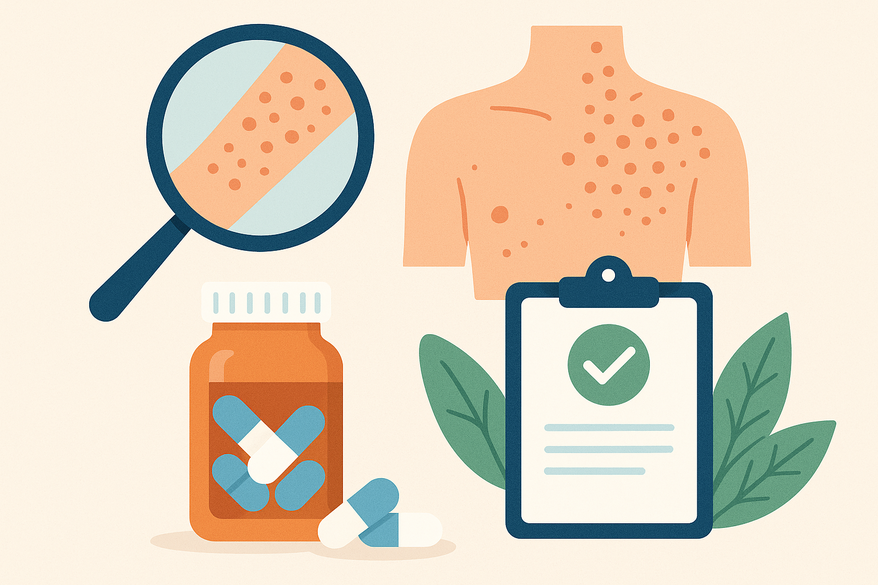
- Maculopapular eruptions (red spots and patches)
- Urticaria (migratory itchy welts)
- Pruritus, burning, mild pain, facial or limb swelling
- Severe signs: blisters, peeling, mucosal sores
For more on early rash patterns and progression, see early rash patterns and progression.
2.2 Differential Diagnosis
Time the rash to your medication—drug rashes typically appear days to weeks after starting and fade upon stopping. This helps differentiate from eczema, viral exanthems, or contact dermatitis.
2.3 Onset Timeline
- Immediate (minutes–hours): allergic reactions
- Delayed (1–2 weeks): morbilliform eruptions
- Rapid progression: SJS/TEN and DRESS require urgent care
3. Medication Rash Treatment: Options and Guidelines
3.1 Home Remedies
- Pause the suspected drug with clinician approval
- Oral antihistamines (diphenhydramine, cetirizine) for itch relief
- Topical hydrocortisone 1% to reduce inflammation
- Cool compresses and emollients to soothe dry, irritated skin
Symptoms often improve within 1–2 weeks after stopping the drug.
3.2 Prescription Interventions
If OTC measures fall short, your provider may advise:
- Stronger topical or brief oral corticosteroids
- Epinephrine and supervised care for anaphylaxis
- Hospital-based support for SJS/TEN (IV fluids, wound care)
For detailed guidance on managing drug allergy rashes, see managing drug allergy rashes.
3.3 Consult Your Healthcare Provider
Never underestimate the importance of professional evaluation. Early intervention can prevent escalation and identify safer alternative medications.
4. Managing and Preventing Future Rashes
4.1 Symptom Maintenance
- Continue antihistamines and short-term topical steroids as prescribed
- Use gentle, fragrance-free skincare; avoid scratching
- Wear loose, breathable clothing
4.2 Prevention Tips
- Keep a detailed allergy list in your medical record
- Discuss past reactions before starting new medications
- Inform all healthcare teams and pharmacists of your allergies
- Carry an allergy ID or wallet card for severe sensitivities
- Choose safer drug alternatives when available
4.3 Skin Health During Treatment
Adopt a gentle daily routine with mild moisturizers and sun protection for photosensitive drugs. Regularly photograph and report any new eruptions.
5. When to Seek Medical Help
5.1 Red Flags
- Breathing difficulty or throat tightness
- Rapid facial or tongue swelling, fainting
- Widespread blistering, raw skin (SJS/TEN)
- High fever, mucosal ulcers, organ involvement
5.2 Professional Care
Medical teams will discontinue the offending drug, find alternatives, and deliver supportive, multidisciplinary care.
5.3 Documenting and Reporting
- Maintain a symptom diary (dates, meds, rash changes)
- Photograph the rash to monitor progression
- Avoid self-rechallenge; seek specialist advice
Rash Detector Integration
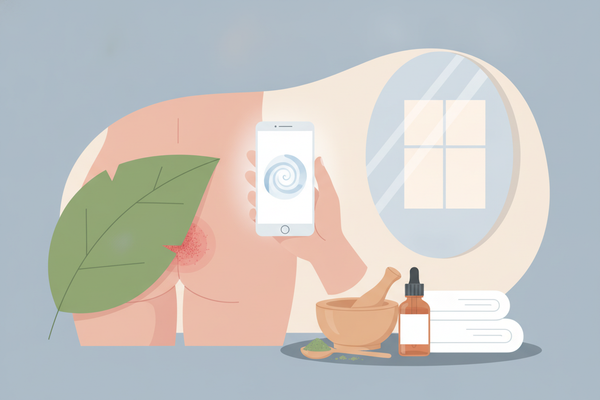
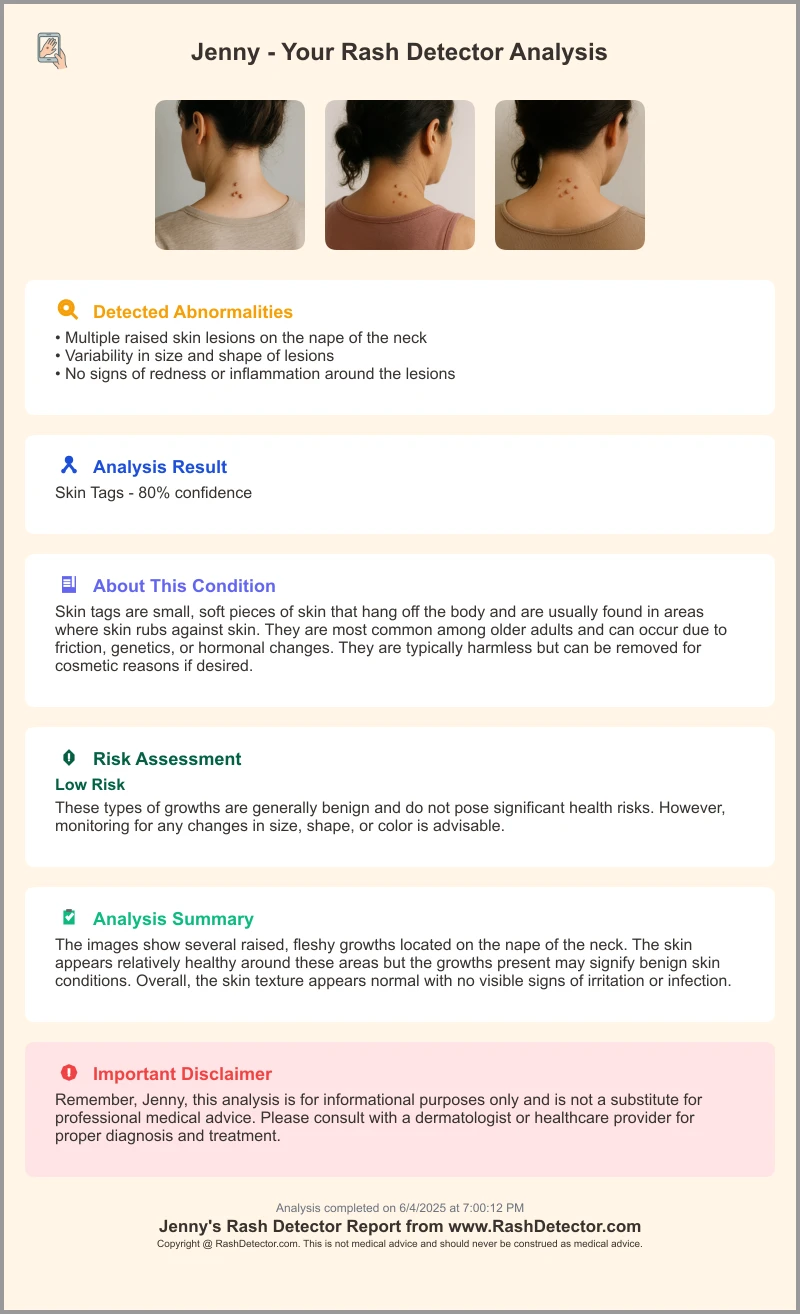
For rapid, AI-driven insights, use Rash Detector, an image-based skin analysis app. Upload your rash photo to receive immediate recommendations.
Conclusion
Successfully managing medication rashes hinges on prompt identification, appropriate home or medical treatments, and clear communication with healthcare providers. While most mild reactions resolve with drug cessation and supportive care, never hesitate to seek help for alarming symptoms. Keep detailed records of your drug history to prevent future episodes and ensure safe, effective therapy.
FAQ
Q: How quickly do medication rashes appear?
A: Most drug rashes develop within 1–2 weeks of starting a new medication, though allergic reactions can occur within minutes to hours.
Q: Can I treat a drug rash at home?
A: Mild rashes may respond to antihistamines, topical steroids, and emollients. Always consult a clinician before stopping any medication.
Q: What distinguishes a serious reaction?
A: Look for systemic signs like fever, blistering, mucosal involvement, or breathing difficulties—these require immediate medical attention.
撮影やイベントに使う衣装は、再現度に加えて動きやすさと着用時間も考えて選びましょう。具体的な候補を確認する場合は、メイド服 コスプレ 大きいサイズから関連する商品や情報を比較できます。使用後は素材に合う方法で手入れし、装飾を傷めない形で保管することが大切です。
Q: How can I prevent future rashes?
A: Maintain an updated allergy list, inform every provider of past reactions, and consider safer alternatives when possible.