How to Recognize Rash Causes from Photos: A Practical Guide
Learn how to recognize rash causes from photos using expert tips, image analysis, and AI tools like Rash Detector for accurate skin condition insights.
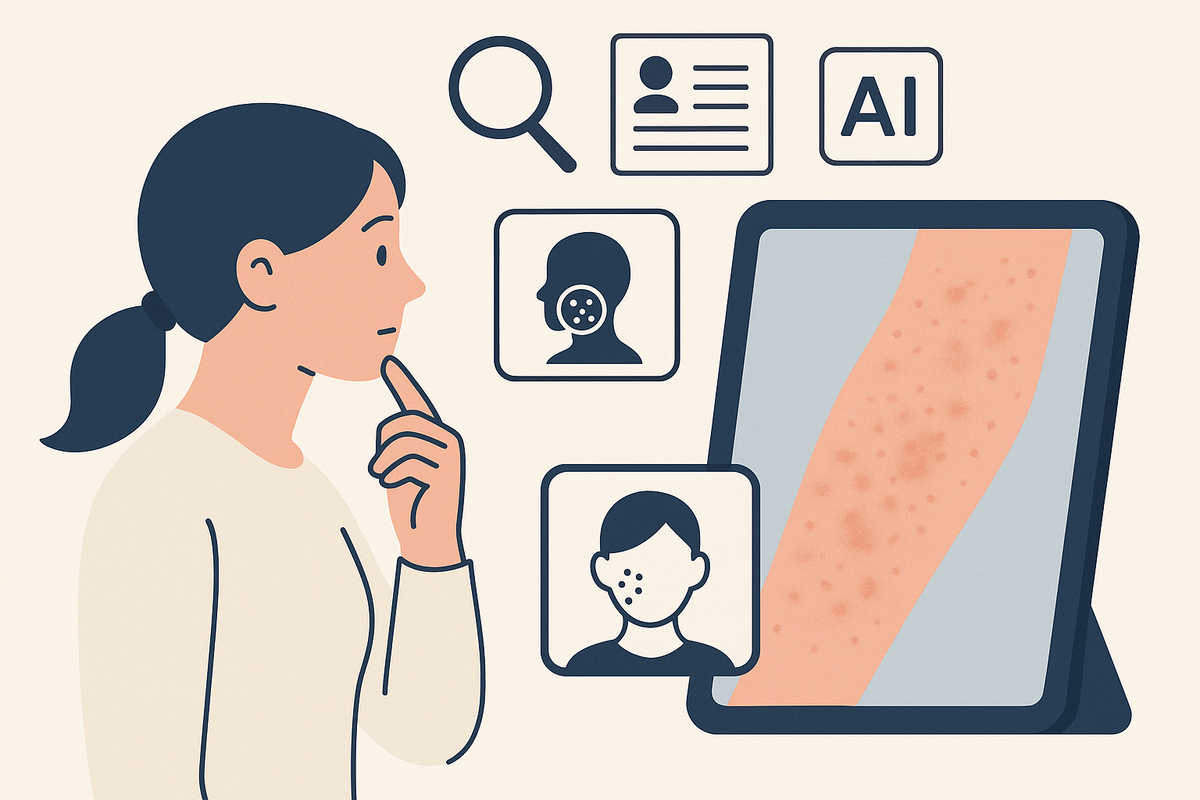
Estimated reading time: 8 min
Key Takeaways
- Understanding how to recognize rash causes from photos can speed up diagnosis and guide treatment.
- Image clarity, lighting, and context are crucial for accurate rash identification.
- AI-powered apps like Rash Detector streamline the process with instant analysis.
- Comparing your photo to trusted medical resources helps rule out serious conditions.
- Consult a healthcare professional for persistent, severe, or spreading rashes.
Table of Contents
- Section 1: Why Photo-Based Rash Recognition Matters
- Section 2: Preparing Effective Rash Photos
- Section 3: Key Features to Analyze in Rash Photos
- Section 4: Using AI Tools Like Rash Detector
- Section 5: Comparing Photos to Trusted Resources
- Section 6: When to Seek Medical Help
Section 1: Why Photo-Based Rash Recognition Matters
Faster Insights, Smarter Care
Learning how to recognize rash causes from photos empowers you to spot potential issues early. Today, skin conditions like allergic rashes, eczema, drug reactions, and infections often present with similar symptoms. Image analysis helps you:
- Identify patterns: Certain rashes have distinct shapes, colors, or distributions.
- Track changes: Comparing photos over time highlights progression or improvement.
- Share with experts: High-quality photos make remote consultations more effective.
With the surge in telehealth, accurate rash photos can help clinicians suggest next steps or treatments even before an in-person visit.
Section 2: Preparing Effective Rash Photos
Get the Basics Right
To recognize rash causes from photos, image quality is essential. Here’s how you can capture the best possible images:
- Good lighting: Natural daylight is best; avoid harsh shadows or yellow indoor lights.
- Clear focus: Hold your camera steady and ensure the rash area is sharp, not blurry.
- Multiple angles: Take at least three photos: close-up, mid-range, and wider shot for context.
- No filters: Avoid using photo filters or beauty modes that alter skin appearance.
- Reference object: Place a coin or ruler next to the rash for size comparison.
Following these tips ensures your images contain the details needed for reliable analysis, either by you, a healthcare professional, or an AI tool.
Section 3: Key Features to Analyze in Rash Photos
What to Look For
When reviewing rash photos, certain characteristics can provide crucial diagnostic clues. Pay close attention to:
- Color: Is the rash red, purple, brown, or flesh-toned?
- Shape and borders: Are the edges well-defined or blurry?
- Pattern: Does it form rings, clusters, or lines?
- Texture: Is the surface smooth, raised, scaly, or blistered?
- Distribution: Is it localized, symmetrical, or spreading?
Noting these features helps differentiate between common irritant rashes, allergic reactions, infections (like ringworm or impetigo), and drug-induced rashes. If you suspect a drug rash, you can read more in our post on drug rash: causes, symptoms, and how to identify it.
Section 4: Using AI Tools Like Rash Detector
Instant, Expert-Level Analysis
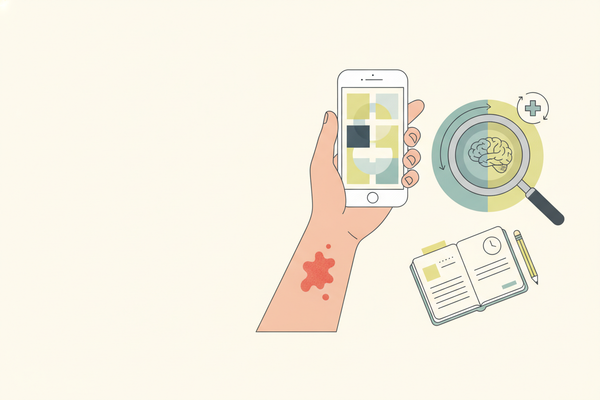
AI-powered apps have transformed how to recognize rash causes from photos. With Rash Detector, you simply upload three clear images of your rash. The app uses advanced machine learning to analyze key features, compare them against a database of skin conditions, and provide instant guidance on possible causes and next steps.
- What you get: A detailed report outlining likely causes, common triggers, and recommended actions.
- When to use: Whenever you notice a new or changing rash and want quick, evidence-based insights.
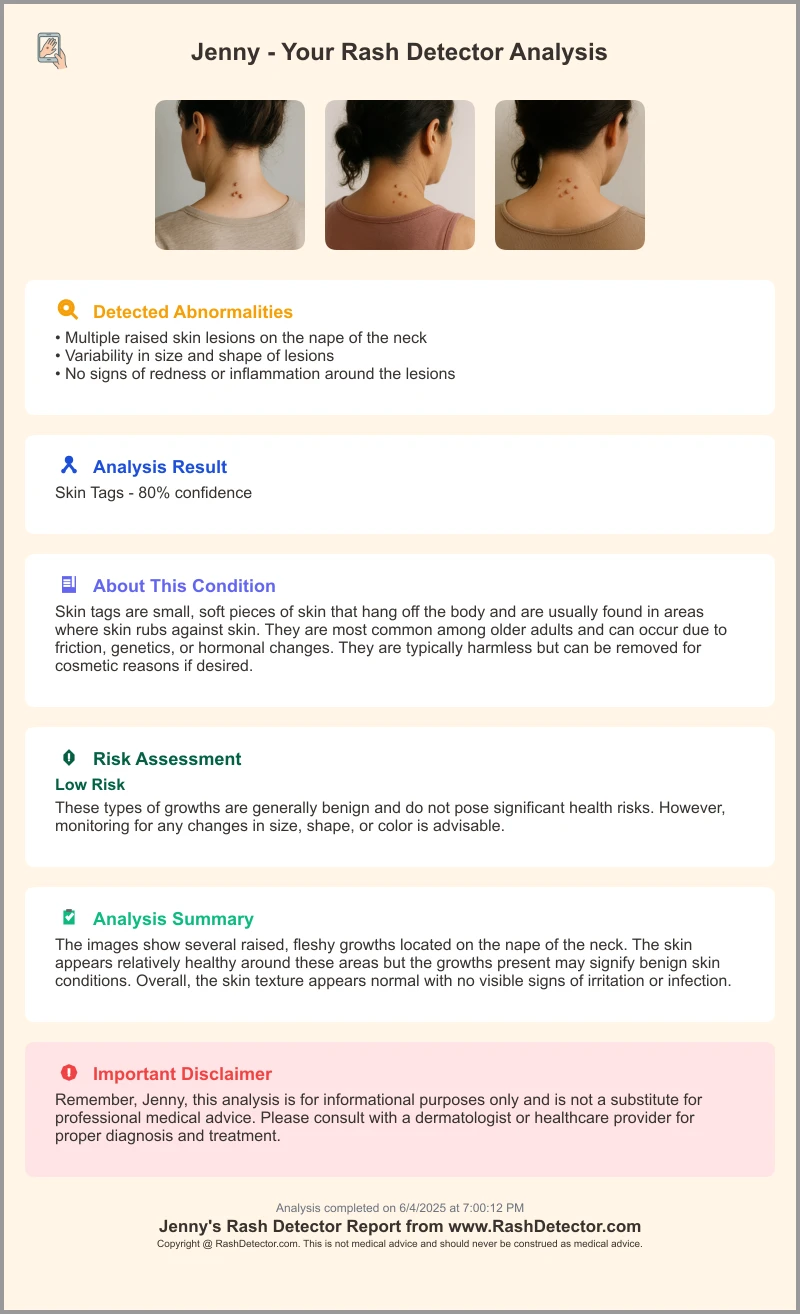
Rash Detector does not replace a healthcare provider, but it can help you make informed decisions sooner, especially if you’re concerned about allergic, drug-related, or infectious rashes. For more on treatment strategies, see our article on skin rash treatment: effective solutions and smart tools.
Section 5: Comparing Photos to Trusted Resources
Use Medical References Wisely
After analyzing your rash photos, it helps to compare them with images from reputable sources. Reliable medical websites, telehealth services, and dermatology guides can offer photo galleries for reference. Look for images that closely match:
- Color and pattern of your rash
- Location on the body
- Associated symptoms (itching, pain, fever)
Be cautious of relying on random internet images, as lighting or editing can mislead. If your rash might be related to medication, review our guide on rash from medication: causes, symptoms & next steps for more context.
Section 6: When to Seek Medical Help
Know the Red Flags
While photo analysis and AI tools provide valuable information, some situations require prompt medical attention. Contact a healthcare provider if you notice:
- Rash spreading rapidly or covering large areas
- Accompanied by fever, swelling, or difficulty breathing
- Blistering, open sores, or signs of infection (pus, warmth, pain)
- Persistent rash not improving after a few days
When in doubt, err on the side of caution. Rash Detector is a helpful step, but it’s not a substitute for professional care in urgent situations.
Conclusion
Knowing how to recognize rash causes from photos can save time, reduce anxiety, and improve outcomes. High-quality images, careful analysis, and modern tools like Rash Detector make it easier than ever to understand and act on skin changes. Always combine tech-powered guidance with trusted medical advice for the best results.
FAQ
Q: Can I diagnose my rash from a photo alone?
A: Photos are a starting point. They help identify patterns and guide next steps, but a healthcare provider should confirm the diagnosis, especially for serious or unclear rashes.
Q: How many photos should I take for accurate analysis?
A: Take at least three: a close-up, a mid-range, and a wider shot so you capture detail, texture, and context.
Q: Is Rash Detector safe to use for children’s rashes?
A: Yes, Rash Detector can analyze rashes for all ages, but for infants and young children, always consult a pediatrician if you have concerns.
Q: What if my rash changes appearance after the photo?
A: Take new photos if the rash evolves, and update your analysis. Rapidly changing rashes should be evaluated by a medical professional.