When Is a Rash an Emergency? Red Flags & Dangerous Rash Signs
Learn when a rash is an emergency, key red flags, dangerous rash signs, and when to seek urgent or ER care. Understand rash with fever and more.

Estimated reading time: 13 min
Key Takeaways
- Some rashes may signal life-threatening emergencies and need immediate medical attention.
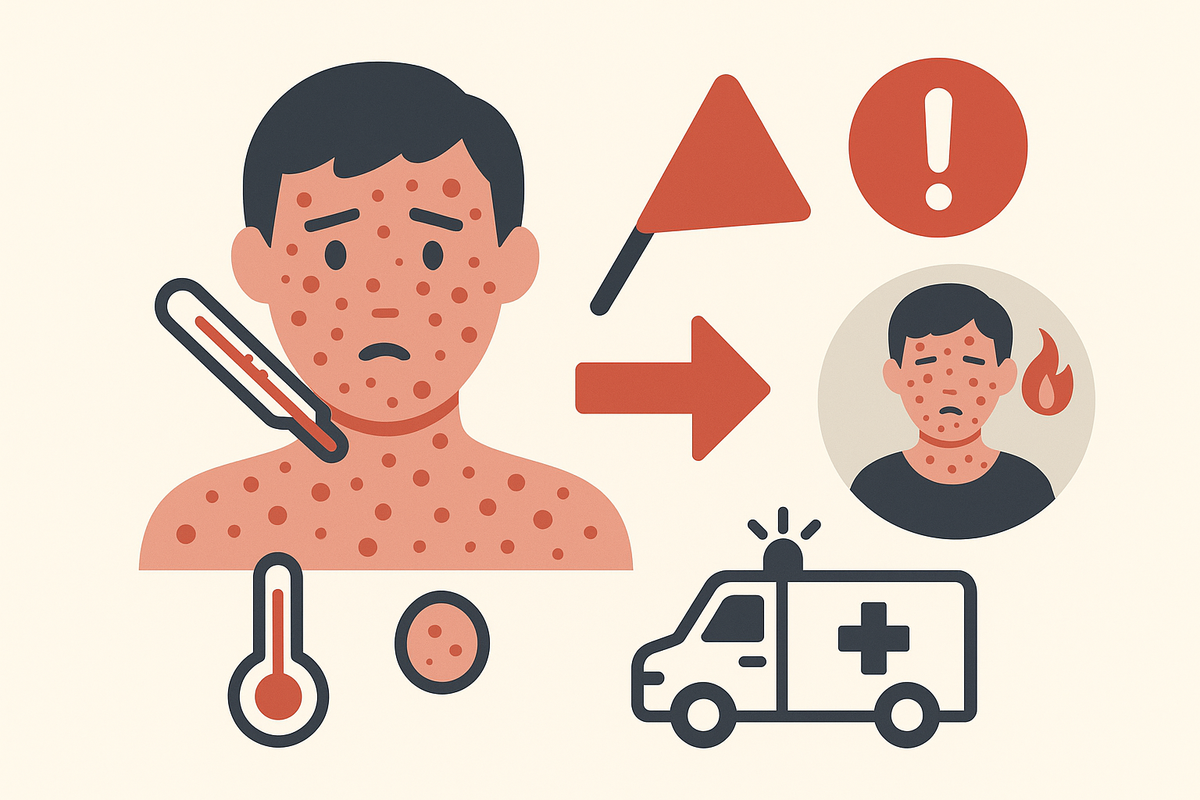
- Red flags include difficulty breathing, swelling, rapidly spreading rash, or rash with fever.
- Non-blanching rashes (that don't fade when pressed), blistering, and mucous membrane involvement are high-risk signs.
- Always seek urgent care or ER help for severe, spreading, painful, or persistent rashes.
- Children and adults may show different warning signs—know what to watch for in each group.
Table of Contents
- Section 1: Understanding When a Rash Is an Emergency
- Section 2: Dangerous Rash Signs and Emergency Red Flags
- Section 3: Rash With Fever and Severe Illness
- Section 4: Drug Reactions, Allergies, and Rashes After New Medications
- Section 5: When to Choose Urgent Care vs the ER for a Rash
- Section 6: Special Considerations for Children vs Adults
Section 1: Understanding When a Rash Is an Emergency
Why Some Rashes Are More Than Skin Deep
Most rashes are harmless and resolve on their own. But sometimes, a skin rash can be the body’s distress signal for a potentially serious condition. Recognizing when a rash is an emergency is important for timely care and preventing complications. It is important to understand that a rash may not just be a skin issue—sometimes, it reflects deeper problems within the body. For example, a sudden widespread rash could indicate an infection in the blood, an autoimmune process, or a severe allergic reaction. Knowing when to worry can make a significant difference in outcomes, especially in vulnerable populations such as infants, elderly adults, and people with compromised immune systems.
- Systemic illness: Some rashes reflect internal diseases or infections. For instance, diseases like meningitis or sepsis may present with characteristic skin findings which can develop rapidly.
- Allergic reactions: Severe allergies (anaphylaxis) can start with a rash. Hives or urticaria may be the only initial sign before more severe symptoms develop.
- Drug reactions: Some medication side effects may appear first as a skin rash. These can progress to severe conditions like Stevens-Johnson Syndrome or toxic epidermal necrolysis.
How to Assess a Rash’s Severity
When you or a loved one develops a rash, consider these key questions to help determine the severity and urgency:
- Is the rash quickly spreading? For example, is it expanding across the body over minutes or hours, or is it stable over days?
- Are there other symptoms (fever, pain, swelling, trouble breathing)? Associated symptoms may indicate a systemic reaction that needs urgent attention.
- Is the rash blistering, bleeding, or involving the eyes, mouth, or genitals? Involvement of mucous membranes or sensitive areas is a high-risk sign.
- Has the person recently started a new medication, food, or supplement? New exposures can trigger dangerous allergic or hypersensitivity reactions.
Dangerous rash signs mean you should not wait. Seek immediate medical attention if in doubt, especially if there is rapid progression, severe discomfort, or the presence of systemic symptoms.
Common Causes of Emergency Rashes
- Meningitis: Serious infection that can cause a non-blanching, purple rash. This often appears as small spots or larger patches and usually does not fade when pressed. It may be accompanied by fever, headache, stiff neck, or confusion.
- Anaphylaxis: Severe allergic reaction, often starting with hives or swelling. Symptoms can escalate to airway swelling, difficulty breathing, and low blood pressure.
- Stevens-Johnson Syndrome (SJS): A rare but dangerous drug reaction with blistering and peeling skin. SJS often starts with flu-like symptoms, then progresses to painful red or purplish rash that spreads and blisters, frequently involving the mouth, eyes, and genitals.
For more on identifying drug-related rashes, see Drug Rash: Causes, Symptoms, and How to Identify It.
Remember: The earlier you recognize a severe rash and seek help, the better the chances for a positive outcome.
Section 2: Dangerous Rash Signs and Emergency Red Flags
Life-Threatening Rash Red Flags
The following symptoms and signs mean you should seek emergency care right away. These red flags often suggest a potentially serious underlying issue and should never be ignored:
- Trouble breathing or swallowing – Signals possible airway involvement or severe allergic response.
- Swelling of lips, tongue, face, or throat – Can cause airway obstruction in minutes.
- Dizziness, confusion, fainting, or unresponsiveness – Indicates low blood pressure, shock, or involvement of the brain.
- Rapidly spreading rash (minutes to hours) – Suggests aggressive infection, severe allergy, or drug reaction.
- Blistering, peeling, open sores, or raw skin – Major sign of conditions like Stevens-Johnson Syndrome, toxic epidermal necrolysis, or severe burns.
- Rash with severe pain or burning – Pain out of proportion to appearance may indicate necrotizing fasciitis or other deep tissue involvement.
- Rash over most of the body – Especially dangerous if accompanied by fever, pain, or systemic symptoms.
- Rash involving eyes, mouth, lips, genitals, or nose – Involvement of these areas can lead to permanent damage or difficulty eating/breathing.
- Non-blanching purple or red spots (do not fade when pressed) – Suggests bleeding under the skin, seen in meningococcemia, vasculitis, or platelet disorders.
- Oozing, crusting, or red streaks suggesting infection – May indicate cellulitis, impetigo, or other serious skin infections that can spread rapidly.
The Non-Blanching Rash: The ‘Glass Test’
Some dangerous rashes do not blanch (fade) when pressed with a glass. This can signal bleeding under the skin (petechiae or purpura), and may be a sign of meningitis or sepsis. To check:
- Press the side of a clear glass firmly against the rash.
- If the red or purple spots do not fade, seek emergency care immediately. This is especially important in children and anyone with fever and signs of severe illness.
Non-blanching rashes may be accompanied by other signs of illness, such as fever, lethargy, or headache, and should be treated as a medical emergency.
Other High-Risk Symptoms
- High fever or feeling very ill – A temperature over 102°F (39°C) or symptoms like chills, rigors, or sweats may suggest a serious infection.
- Stiff neck, severe headache, or sensitivity to light – Classic signs of meningitis or other central nervous system infections.
- Lethargy, excessive sleepiness, or irritability (especially in children) – Children may not verbalize their symptoms but can appear "not themselves," excessively sleepy, or difficult to rouse.
Don’t wait for more symptoms to develop if you notice any of these dangerous rash signs. Early recognition and action can be lifesaving.
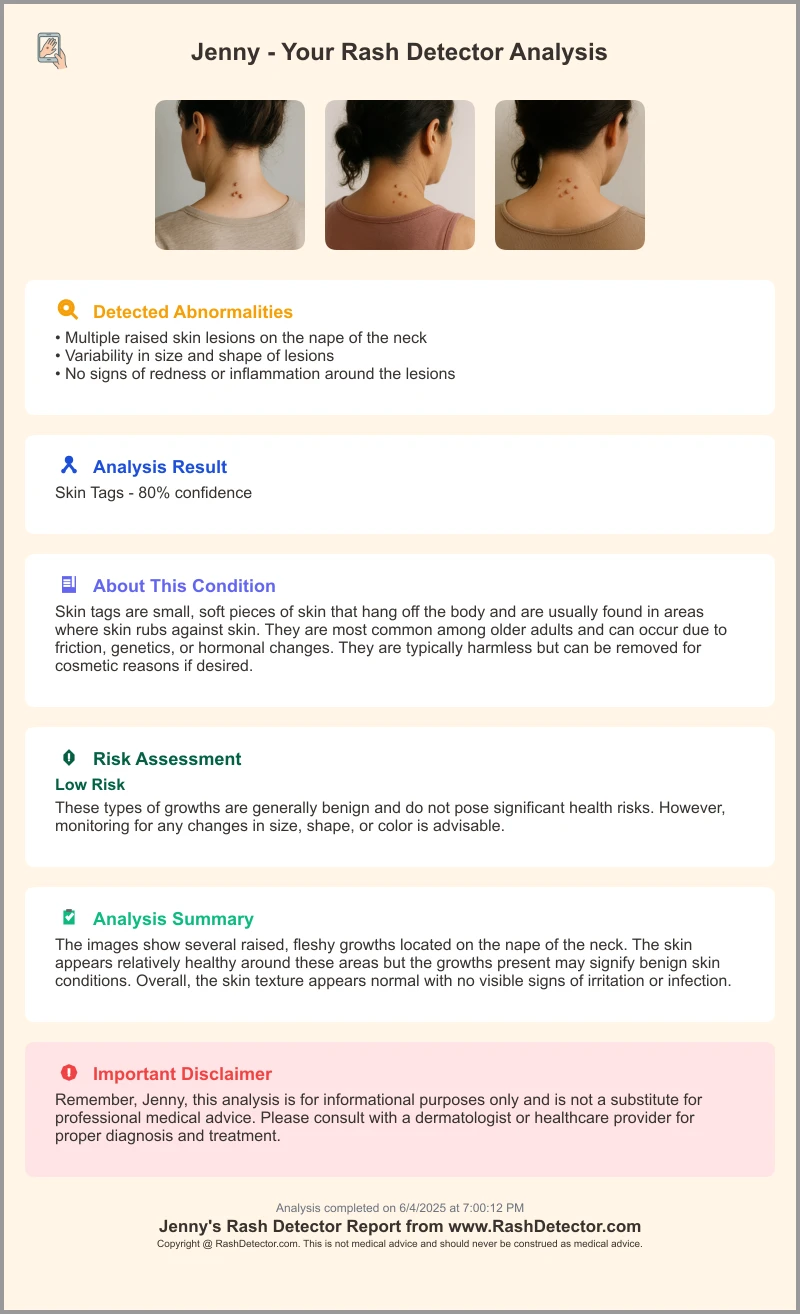
Rash Detector can help you assess your skin concern by analyzing rash images and identifying patterns that may signal emergencies. For instant analysis, visit Rash Detector.
However, no app can replace a healthcare provider’s assessment when it comes to emergency warning signs. If you have any doubts or see red flag symptoms, seek medical care without delay.
Section 3: Rash With Fever and Severe Illness
Why Rash With Fever Is a Red Flag
A rash with fever can indicate a serious infection or immune reaction. This combination should never be ignored, especially if the person appears very ill, weak, or lethargic. While some common viral infections in children and adults (like measles, chickenpox, or roseola) cause fever and rash, more dangerous conditions can present similarly and progress quickly. Always look for the context: is the person acting or feeling much sicker than with a typical viral illness?
- Meningococcemia: Can cause a non-blanching, purple rash and high fever; this is a medical emergency. This requires immediate antibiotics and emergency care.
- Toxic shock syndrome: High fever, rash, vomiting, and confusion. TSS can be related to certain bacterial infections (often linked to tampon use or skin wounds) and can progress rapidly.
- Kawasaki disease (in children): Persistent fever with rash, red lips, and swollen hands/feet. This is a rare, serious childhood illness affecting the blood vessels and requires urgent treatment to prevent heart complications.
- Scarlet fever: Rash with sandpaper texture and fever, usually after strep throat. This can be treated but may lead to complications if not identified promptly.
Rash With Systemic Symptoms
- Severe sore throat, cough, or trouble breathing – Could signal strep throat with scarlet fever, viral infections, or pneumonia with rash.
- Vomiting, diarrhea, or severe abdominal pain – May point to infections like meningococcemia, toxic shock syndrome, or gastrointestinal infections with skin findings.
- Muscle aches, joint pain, or swelling – Can occur with autoimmune diseases (lupus, vasculitis), viral infections, or serious bacterial infections.
- Swollen lymph nodes – Enlarged, tender nodes may suggest systemic infection or immune reaction.
These signs, especially when combined with a rash, require prompt medical evaluation. Document emergence and progression of symptoms and seek care if you notice worsening or additional red flags.
When to Seek Emergency Care
- Fever above 102°F (39°C) with a new rash – Higher fevers increase the likelihood of a serious underlying condition.
- Rash rapidly spreading or developing blisters/peeling – Indicates an aggressive process, whether infectious or drug-related.
- Person is difficult to wake, confused, or has a stiff neck – These symptoms suggest involvement of the nervous system or severe infection.
Never wait to "see what happens" if you or your child have a rash with fever and any red flag symptoms. Early intervention can prevent complications. For skin care basics, see Skin Rash Treatment: Effective Solutions and Smart Tools.
Remember that in some diseases, the rash may be a late sign—so early attention to systemic symptoms is crucial.
Section 4: Drug Reactions, Allergies, and Rashes After New Medications
Drug Rash: A Warning Sign
Rashes can be the first sign of a dangerous drug reaction. Always be alert for rashes after starting a new medication, supplement, or even after eating a new food. Allergic or hypersensitivity reactions can range from mild to extremely severe, and may develop after a single dose or after several days or weeks of use.
- Common triggers: Antibiotics (like penicillin and amoxicillin), seizure medications (phenytoin, carbamazepine), sulfa drugs, painkillers (NSAIDs, acetaminophen), and more. Even herbal supplements and over-the-counter medications can trigger reactions in some individuals.
- Timing: Drug rashes can appear within hours or up to several weeks after starting a new substance. For example, a person may develop a rash after a few doses of an antibiotic, or after weeks of taking an anticonvulsant or allopurinol.
Because drug reactions can escalate rapidly, it is essential to keep a record of all medications taken, including the start date and dosage.
Red Flags: When to Worry About a Drug Rash
- Sudden onset of hives (raised, itchy welts) – Hives can signal an immediate allergic reaction that may progress to anaphylaxis. Monitor for associated symptoms like shortness of breath or throat tightness.
- Swelling of the face, lips, or tongue – This can quickly block the airway and is a hallmark of severe allergy.
- Blistering, peeling, or open sores – Indicates severe skin reaction such as SJS or toxic epidermal necrolysis, which can be life-threatening and require intensive care.
- Fever, sore throat, or mouth ulcers – May be the earliest signs of SJS or other severe drug reactions. Mouth and eye involvement are particularly serious.
- Joint pain, swelling, or yellowing of the skin/eyes – Suggests involvement of internal organs (liver, kidneys) or drug-induced hypersensitivity syndrome.
These may signal severe allergic reactions (anaphylaxis), Stevens-Johnson syndrome, or drug-induced hypersensitivity. Read our full guide on Rash from Medication: Causes, Symptoms & Next Steps.
What to Do If You Suspect a Drug Reaction
- Stop the suspected medication if advised by your doctor. Do not discontinue essential or life-sustaining medications without consulting a healthcare professional unless you have red flag symptoms that require emergency care.
- Seek immediate emergency care for any red flag symptoms. These reactions can progress rapidly, sometimes within minutes or hours.
- Bring a list of all medications to the ER or urgent care facility. Include the name, dosage, start date, and reason for taking each medication.
Never attempt to self-diagnose or "wait it out" if severe symptoms are present. Severe allergic reactions and drug-induced syndromes can worsen quickly and may require medications, fluids, and advanced interventions only available in a hospital. For more, see Drug Allergy Rash: Identification, Causes, and What to Do.
If you have a known drug allergy, make sure to inform all your healthcare providers and wear a medical alert bracelet if recommended.
Section 5: When to Choose Urgent Care vs the ER for a Rash
Urgent Care: For Non-Emergency Rash Symptoms
Some rashes are uncomfortable but not life-threatening. Consider urgent care if:
- The rash is spreading slowly but there are no emergency symptoms such as breathing difficulty, severe pain, or involvement of sensitive areas.
- The affected area is painful, itchy, or showing early signs of infection (mild oozing, mild swelling) but you do not have fever or red streaks extending from the rash.
- You’re unsure if the rash needs immediate attention but there are no red flags like fainting, confusion, or rapidly spreading lesions.
Urgent care can also help with:
- Diagnosing common rashes (eczema, contact dermatitis, mild drug reactions). These often present as itchy, red, scaly patches without systemic symptoms.
- Prescribing creams or oral medications for relief. For example, topical steroids for eczema or antihistamines for allergic rashes.
- Evaluating if further testing or referral is needed. Sometimes, a skin biopsy or blood work may be needed to clarify the diagnosis.
Examples of rashes suitable for urgent care include mild poison ivy, limited ringworm, or mild hand-foot-and-mouth disease without serious symptoms. If you are experiencing mild symptoms or need a professional opinion but are not in distress, urgent care is a practical option.
Emergency Room: For Red Flag Rash Symptoms
Go to the ER immediately if you notice:
- Any breathing or swallowing difficulty – This could indicate airway involvement and is a time-critical emergency.
- Rapidly spreading, blistering, or purple non-blanching rash – These are indicators of severe infection, drug reaction, or vascular problem.
- Rash with high fever, confusion, or neck stiffness – Suggests systemic infection like meningitis or toxic shock syndrome.
- Rash over most of the body or involving sensitive areas (eyes, mouth, genitals) – These rashes are more likely to cause complications or indicate a serious underlying issue.
Remember: When in doubt, err on the side of caution. It is better to be safe and get checked by professionals. Sudden severe symptoms can worsen quickly, and rapid intervention can be lifesaving.
Using Rash Detector as a First Step
If you’re unsure, apps like Rash Detector can help you gather and organize information about your rash before seeing a healthcare provider. Use the app to document the appearance, duration, and progression of your rash, and to note any associated symptoms. This information can assist your healthcare provider in making a diagnosis and determining urgency.
However, always seek in-person care for severe or rapidly changing symptoms. No digital tool can replace the expertise of a medical professional in emergency situations.
Section 6: Special Considerations for Children vs Adults
Red Flags in Infants and Children
Children can become severely ill faster than adults. Their bodies are less able to compensate for serious infections or allergic reactions. Watch for these rash red flags in children:
- Lethargy, limpness, or difficulty waking – A child who is difficult to arouse, unusually sleepy, or unresponsive needs immediate evaluation.
- High-pitched or weak cry – A change in cry can be an early sign of severe illness, especially in infants.
- Refusing to eat or drink – Dehydration can occur rapidly in children, especially with fever and vomiting.
- Bulging soft spot (fontanelle) in infants – This may indicate increased pressure in the brain, a sign of meningitis or other severe illness.
- Stiff neck, persistent vomiting, or seizures – These are neurological red flags associated with serious infections like meningitis or encephalitis.
- Rapidly spreading or non-blanching rash – Dangerous infections can progress faster in children, so urgent care is critical.
Any of these symptoms require immediate evaluation. Children may not always be able to communicate how they feel, so parents and caregivers should trust their instincts and seek care for any concerning changes. For general skin care, see our post on Best Anti Itch Cream: Top Picks and How to Choose.
Adult Emergency Rash Signs
- Sudden confusion, slurred speech, or fainting – These signs may point to sepsis, low blood pressure, or central nervous system involvement.
- Chest pain or breathing difficulty – Can indicate anaphylaxis or systemic infection affecting the lungs or heart.
- Rapidly spreading, blistering, or purple rash – Similar to children, these are high-risk signs of severe illness.
- Rash with severe pain or swelling – In adults, necrotizing infections or deep tissue involvement may present with disproportionate pain.
Adults may sometimes underestimate the severity of their symptoms. Many adults delay care, thinking the rash "can wait" or "isn’t serious." If you have any doubt, seek professional help promptly. Time is critical for life-threatening rash presentations.
Prevention and Ongoing Care
- Keep an updated list of all medications and allergies for your family. This information is vital in emergencies and can help avoid accidental re-exposure to allergens or harmful drugs.
- Use skin self-exam tools and guides (How to Do a Skin Self Exam at Home: A Step-by-Step Guide). Regular self-exams can help you notice changes early and monitor for new or evolving rashes.
- Monitor for new symptoms and document changes with photos. Photographing rashes at different stages can be invaluable for your healthcare provider, especially if the rash changes rapidly or disappears before your appointment.
Always consult a doctor or dermatologist for diagnosis and treatment, especially for severe, spreading, painful, or persistent rashes. If your symptoms worsen or do not improve with initial treatment, follow up promptly. Do not rely solely on internet research or self-diagnosis for serious skin issues.
Conclusion
Knowing when a rash is an emergency can be very important. Red flag symptoms—like trouble breathing, swelling, non-blanching spots, or a rash with fever—require immediate action. For rashes after new medication, rapidly spreading or blistering skin, or involvement of sensitive areas, don’t hesitate to visit the ER. Urgent care is suitable for less severe cases, but if you’re unsure, seek help right away. Documenting your rash with tools like Rash Detector can help provide clear information to healthcare providers.
This article provides general information, not a diagnosis. Always see a doctor or dermatologist for diagnosis and treatment, especially for serious or persistent symptoms.
FAQ
Q: When is a rash considered an emergency?
A: A rash may be an emergency if you have trouble breathing, swelling of lips/tongue/face, rapidly spreading rash, blistering or peeling skin, non-blanching purple spots, or a rash with fever and severe illness. Seek immediate ER care for these symptoms.
Q: What rash symptoms mean I should go to the ER right away?
A: Go to the ER for any rash with breathing difficulty, swelling, severe pain, confusion, fainting, rapidly spreading or blistering rash, rash over most of the body, or involvement of eyes, mouth, genitals, or non-blanching spots.
Q: What does it mean if a rash comes with fever?
A: Rash with fever can signal a serious infection or immune reaction, such as meningitis, toxic shock syndrome, or scarlet fever. Combined symptoms, especially with lethargy or neck stiffness, are emergencies.
Q: What kind of rash does not blanch when pressed?
A: A non-blanching rash (petechiae or purpura) does not fade when pressed with a glass and can signal bleeding under the skin, often from meningitis or sepsis. This is an emergency—seek care immediately.
Q: When should I worry about a rash after taking a new medication?
A: Be concerned if you develop hives, swelling, blistering, peeling, mouth ulcers, or fever after a new medication. These could signal severe drug reactions. Stop the medication and seek medical help.
Q: Should I go to urgent care or the ER for a spreading rash?
A: Choose the ER if the rash is rapidly spreading (over minutes to hours), comes with red flag symptoms, or involves sensitive areas. For slow-spreading rashes without emergency signs, urgent care may be appropriate.