Drug Allergy Rash: Identification, Causes, and What to Do
Learn how to recognize a drug allergy rash, understand symptoms and treatment, and use Rash Detector for instant AI-powered rash analysis.
Estimated reading time: 7 min
Key Takeaways
- Drug allergy rashes can signal a serious reaction to medications.
- Common symptoms include red, itchy skin and hives.
- Recognizing a drug allergy rash early helps prevent complications.
- AI tools like Rash Detector provide fast, accessible analysis from home.
Table of Contents
- Section 1: What Is a Drug Allergy Rash?
- Section 2: Common Causes and Risk Factors
- Section 3: Symptoms and Appearance
- Section 4: Diagnosis and When to Seek Help
- Section 5: Home Care and Prevention
- Section 6: Using Rash Detector for Skin Analysis
- Conclusion
- FAQ
Section 1: What Is a Drug Allergy Rash?
Definition and Overview
A drug allergy rash is a skin reaction triggered by your immune system’s response to a medication. Unlike side effects, these rashes indicate an allergic reaction, which can range from mild redness to severe, widespread eruptions.
- Usually develops within hours to days after starting a new drug
- Can signal mild or life-threatening reactions (like Stevens-Johnson syndrome)
- Common with antibiotics, anticonvulsants, and painkillers
Why Early Recognition Matters
Prompt identification of a drug allergy rash is crucial. Severe allergic reactions can escalate quickly, so knowing the signs helps you seek timely medical care.
Section 2: Common Causes and Risk Factors
Medications Most Likely to Cause Allergic Rashes
- Antibiotics: Penicillins, sulfa drugs
- Anticonvulsants: Carbamazepine, phenytoin
- Pain Relievers: NSAIDs (ibuprofen, aspirin)
- Others: Chemotherapy agents, contrast dyes
Individual Risk Factors
Some people are more prone to drug allergies, especially if they have:
- Previous drug allergy history
- Family history of allergies or asthma
- Weakened immune systems
Section 3: Symptoms and Appearance
How a Drug Allergy Rash Looks
Drug allergy rashes can differ in appearance, but common patterns include:
- Maculopapular rash: Flat, red spots that may merge together
- Hives (Urticaria): Raised, itchy welts
- Blistering: Severe cases may cause blisters or peeling
Associated Symptoms
Watch for additional signs of a serious allergic reaction:
- Swelling of lips, face, or tongue
- Difficulty breathing
- Fever or joint pain
If these symptoms appear, seek emergency care immediately.
Section 4: Diagnosis and When to Seek Help
Getting a Proper Diagnosis
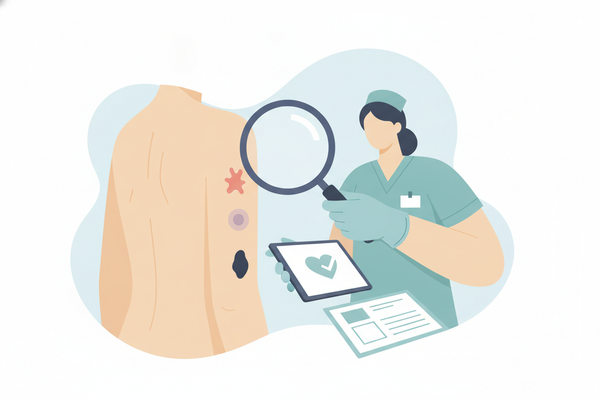
Doctors diagnose drug allergy rashes by evaluating your medication history, timeline of symptoms, and a physical skin examination. Sometimes, additional tests (like skin tests or blood work) may be needed to confirm the diagnosis.
When to Consult a Professional
- Rash spreads quickly or is accompanied by swelling/fever
- Difficulty breathing or swallowing develops
- Rash persists or causes significant discomfort
Do not stop prescription medications without medical advice.
Section 5: Home Care and Prevention
How to Manage Mild Reactions
- Discontinue the suspected medication (after consulting your doctor)
- Use cool compresses to soothe itching
- Take antihistamines if recommended
- Keep the area clean to prevent infection
Preventing Future Drug Allergy Rashes
- Keep a list of medications you’re allergic to
- Inform all healthcare providers about your allergies
- Consider wearing a medical alert bracelet
Section 6: Using Rash Detector for Skin Analysis
How AI-Powered Tools Can Help
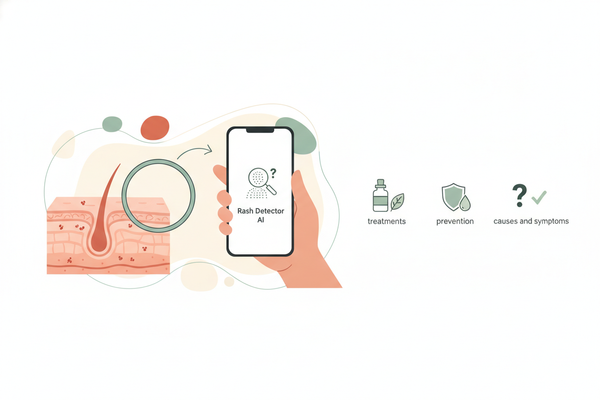
Identifying a drug allergy rash can be challenging, especially if you’re unsure whether your symptoms are related to a new medication. Rash Detector uses advanced AI to analyze photos of your skin and provide instant, science-backed suggestions about possible causes and next steps.
- Upload up to 3 images of your rash for a detailed analysis
- Receive instant, personalized guidance
- Accessible at home, anytime you notice new skin changes
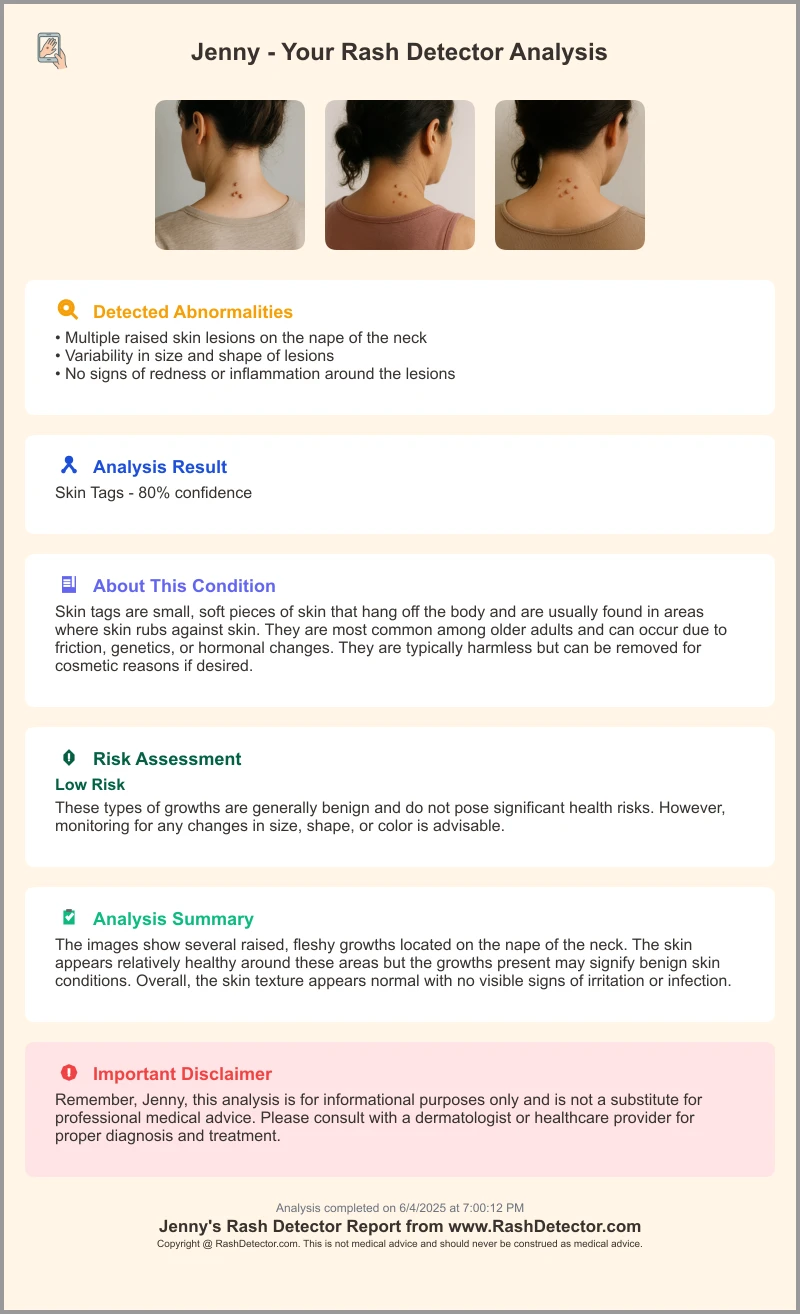
While Rash Detector does not replace medical advice, it can help you decide whether to seek further evaluation or manage your rash at home. Try Rash Detector to get clarity and peace of mind faster.
Conclusion
Drug allergy rashes are common and can range from mild to life-threatening. Early recognition, understanding risk factors, and knowing how to respond are essential for staying safe. AI tools like Rash Detector bring instant skin analysis to your fingertips, helping you make informed decisions about your health.
FAQ
Q: How quickly does a drug allergy rash appear after taking medicine?
A: Most rashes develop within hours to a few days after starting a new drug, but some can appear after weeks of use.
Q: Can a drug allergy rash go away on its own?
A: Mild rashes may resolve after stopping the medication, but severe reactions need medical attention to prevent complications.
Q: Should I stop my medication if I notice a rash?
A: Contact your doctor before stopping any prescription drug. For severe symptoms, seek emergency care immediately.
Q: Is Rash Detector a substitute for seeing a doctor?
A: No, Rash Detector provides guidance and information, but does not replace professional medical evaluation or treatment.
初めて準備する場合は、使用日から逆算して注文、確認、調整の時間を確保すると安心です。商品仕様や選び方を比べたい場合は、コスプレ フルセット 通販から関連情報を確認できます。商品が届いたら内容を早めに確認し、必要な調整や追加準備を本番前に済ませましょう。