What Does a Rash Look Like? Identification Guide & Key Features
Learn what a rash looks like, how to identify common skin rashes by color, texture, and pattern, and when to see a doctor. Expert, photo-based guide.

Estimated reading time: 7 min
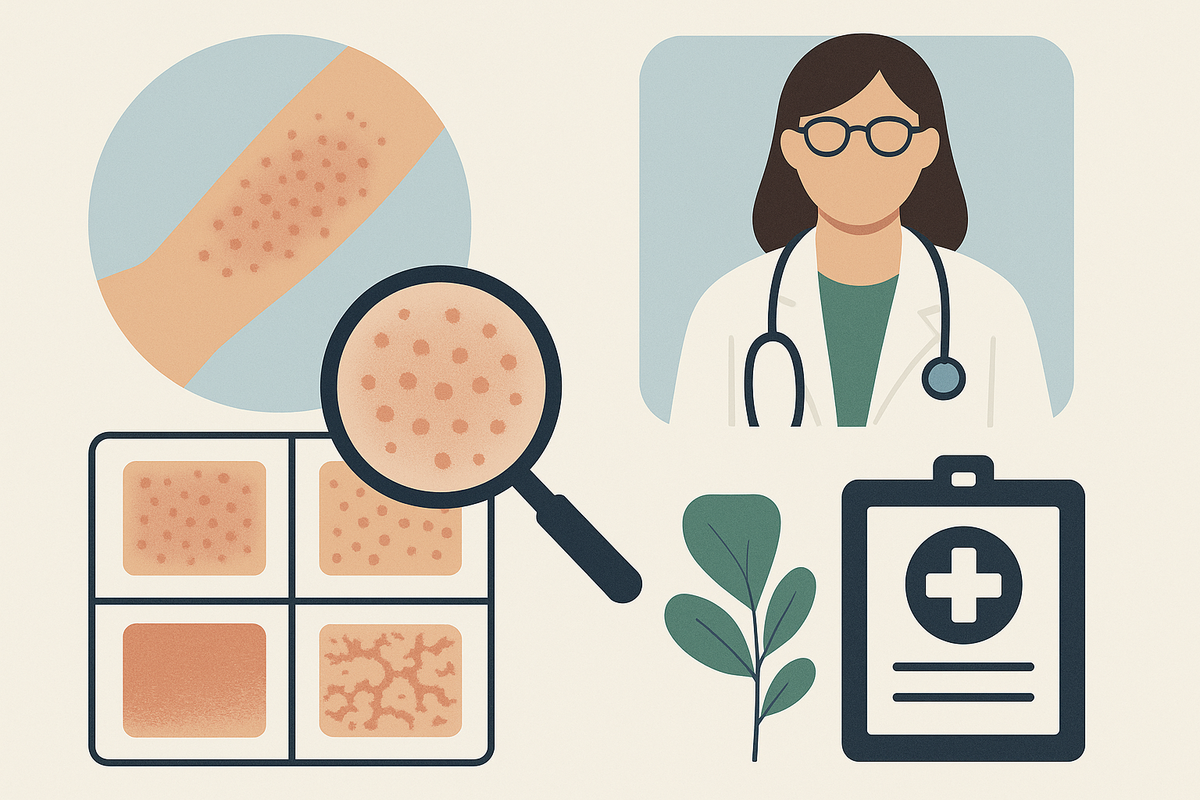
A rash most often looks like an area of skin that is different in color, texture, or both—commonly red, pink, brown, purple, or lighter/darker than your normal skin—and may appear as spots, bumps, patches, blisters, or scaling. Rashes can be itchy, painful, dry, oozing, or accompanied by swelling, and their appearance changes based on skin tone, rash type, and location. To help identify a rash, observe its color, pattern, shape, texture, and distribution, then describe these features to a doctor or use a trusted tool like Rash Detector.
Key Takeaways
- Rashes can appear as red, pink, brown, purple, or pale spots, bumps, blisters, or patches.
- The look of a rash varies with skin tone, type of rash, and body location.
- Describing a rash's color, shape, texture, and symptoms helps with identification.
- Some rashes need urgent care—see a doctor for severe, spreading, or painful rashes.
What Does a Rash Look Like? (Color, Texture, Pattern)
Rashes are visible changes in the skin's appearance, usually marked by:
- Color: Red, pink, brown, purple, white, or simply darker/lighter than your usual skin. Redness is common, but on darker skin, rashes may look brown, purple, or ashen instead of red.
- Texture: Smooth (flat), raised (bumps, plaques), rough, scaly, crusty, or blistered.
- Pattern/Shape: Spots (macules), bumps (papules), patches, rings, clusters, lines, or hive-like welts.
- Other signs: Swelling, oozing, crusting, dryness, or peeling.
On lighter skin, rashes often look pink or bright red. On brown or black skin, they may appear brown, purple, grayish, or darker than the surrounding skin, sometimes with less noticeable redness. Always check in natural light, and consider comparing to photos in trusted guides or tools like Rash Detector.
Common Types of Skin Rashes and Their Appearance
Understanding what a rash looks like depends on its cause. Here are some common types and how they may present:
- Eczema (Atopic Dermatitis): Dry, itchy, red or brown patches; often on cheeks, elbows, knees, or hands; may be scaly or thickened.
- Contact Dermatitis: Red, itchy, sometimes blistered or crusty patches where the skin touched an irritant or allergen; often with clear edges.
- Hives (Urticaria): Raised, pale or red welts with clear edges; often itchy, can appear and disappear quickly, sometimes merge into large areas.
- Ringworm (Tinea): Ring-shaped red or brown patches with raised edges and clearer centers; often scaly.
- Heat Rash: Tiny red or pink bumps, often in clusters, usually in skin folds or areas that get sweaty (learn more about heat rash prevention).
- Drug Rash: Red or purple widespread spots, sometimes merging into larger patches; may itch or peel (see detailed drug rash guide).
- Impetigo: Honey-colored crusts on red sores, usually on face or hands; common in children.
- Viral Rash: Small pink or red spots, sometimes with fever or cold symptoms; often seen in children.
For more on treating rashes, visit Skin Rash Treatment: Effective Solutions and Smart Tools.
How to Identify a Rash and Describe It to a Doctor
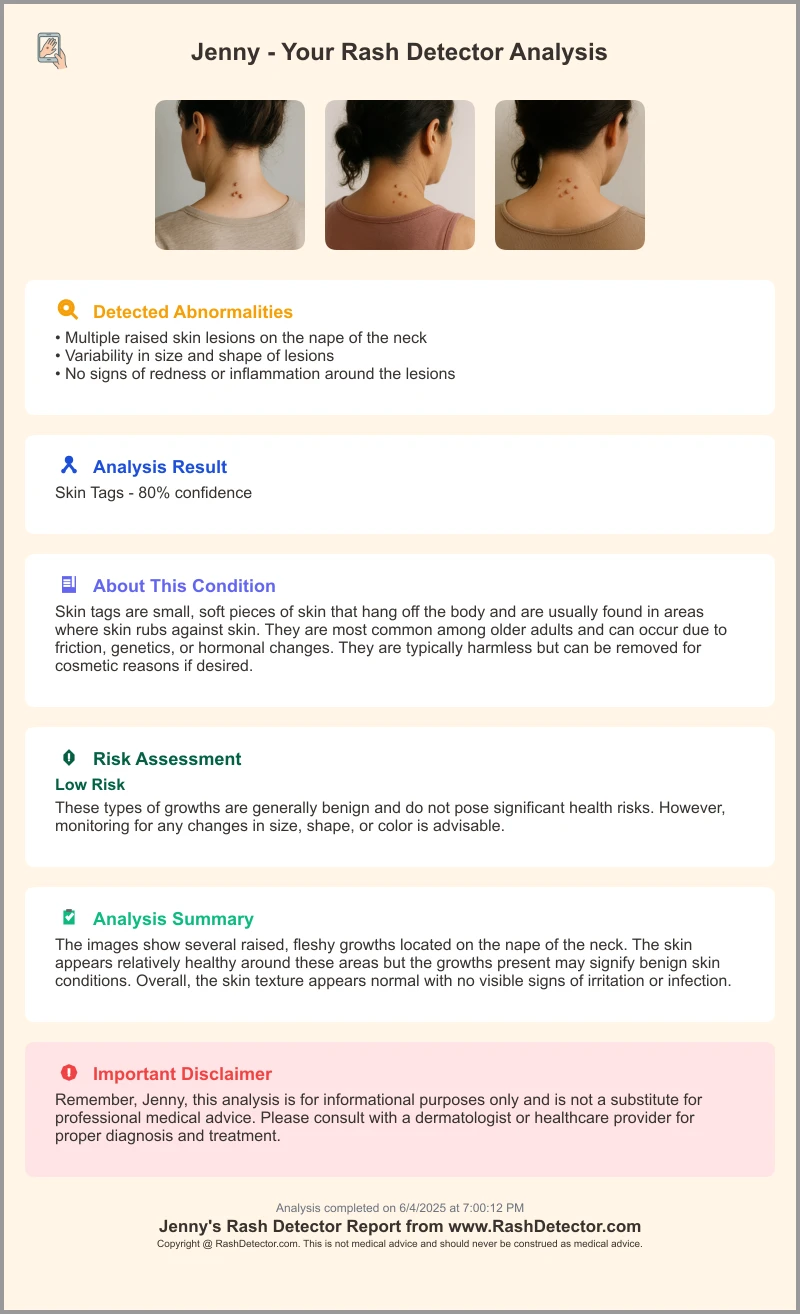
To help your doctor or a rash checker app identify your rash, note:
- Color: Is it red, brown, purple, lighter, or darker?
- Texture: Is the skin rough, scaly, smooth, raised, or blistered?
- Pattern: Are there rings, clusters, patches, lines, or all-over changes?
- Location: Where on your body is the rash? Is it in skin folds, on the trunk, face, arms, or legs?
- Symptoms: Is it itchy, painful, burning, dry, oozing, or swollen?
- Timing and triggers: When did it appear? Any new soaps, foods, medicines, or illnesses?
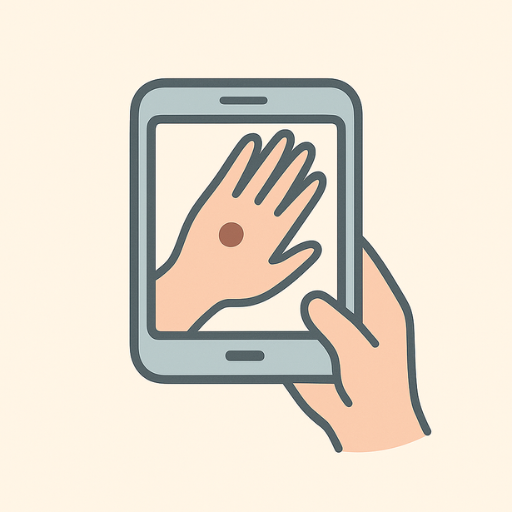
Taking clear photos in natural light from several angles can help your provider or an AI tool identify the rash. Apps like Rash Detector let you upload images for analysis and guidance.
When Is a Rash Serious? When to See a Doctor
Most rashes are mild, but some require urgent care. See a doctor or dermatologist if:
- The rash is rapidly spreading, blistering, or peeling
- You have fever, difficulty breathing, or swelling of the face or mouth
- The rash is very painful or involves the eyes or genitals
- It looks infected (pus, yellow crust, increasing redness, warmth)
- You feel very unwell, or the rash won’t improve after a few days of self-care
For medication-related rashes, see Rash from Medication: Causes, Symptoms & Next Steps. Always seek professional advice for any severe, spreading, or persistent rash. This content is for educational purposes and does not replace a medical diagnosis. Always consult a doctor or dermatologist for diagnosis and treatment, especially for severe, spreading, painful, or persistent symptoms.
FAQ
Q: What does a rash look like on skin of different tones?
A: On fair skin, rashes often appear bright red or pink. On brown or black skin, rashes may look brown, purple, gray, or simply darker than the surrounding skin. Redness can be less obvious, so focus on texture, swelling, or pattern changes.
Q: How can I tell if a rash is eczema, hives, or ringworm?
A: Eczema usually shows as dry, itchy, scaly patches. Hives are raised, pale or red welts that come and go quickly. Ringworm forms ring-shaped, scaly patches with clearer centers. For more, compare your photos or use a tool like Rash Detector. See a doctor for diagnosis and treatment.
Q: What does an allergic rash look like?
A: Allergic rashes often appear as red or pink raised patches, sometimes blistered or swollen. They may be itchy and appear suddenly after contact with an allergen (like plants, soaps, or foods). See our Drug Allergy Rash guide for more examples. Always consult a healthcare provider for diagnosis.
Q: What does a heat rash look like?
A: Heat rash appears as clusters of tiny red or pink bumps, often in sweaty areas or skin folds. It’s common in hot, humid weather. Learn how to help prevent heat rash here.
Q: When should I worry about a rash and see a doctor?
A: See a doctor if the rash is spreading rapidly, is very painful, blisters or peels, involves the face or eyes, or if you feel unwell. Any rash with difficulty breathing, swelling, or signs of infection needs urgent care.
Q: What does a viral rash look like?
A: Viral rashes are usually widespread pink or red spots or patches, sometimes with fever, cough, or runny nose. They are common in children and often resolve as the illness improves. Always consult a doctor for diagnosis and treatment.
Remember: Always consult a doctor or dermatologist for diagnosis and treatment—especially for severe, widespread, or persistent rashes. For home rash checks, you may try Rash Detector for instant AI-powered analysis, but this does not replace professional medical advice.
衣装の候補を絞る場合は、サイズ、素材、装飾、付属品を同じ基準で見比べることが大切です。商品仕様や選び方を比べたい場合は、セーラームーン コスプレ衣装から関連情報を確認できます。最後に衣装全体を試着し、正面だけでなく横や後ろからもシルエットを確認すると安心です。