Skin Rashes from Tight Clothing: Causes, Signs & Prevention Guide
Learn what causes skin rashes from tight clothing, including heat rash, contact dermatitis, and allergic reactions. Discover prevention and treatment tips.

Estimated reading time: 13 min
Key Takeaways
- Tight clothing can contribute to various types of skin rashes, including friction rash, contact dermatitis, and pressure hives.
- Material, fit, sweat, and trapped moisture play major roles in irritation and allergic skin reactions.
- Common rash locations include the waistline, underarms, inner thighs, bra line, and ankles.
- Prevention involves choosing looser, breathable fabrics and maintaining good skin hygiene.
- If a rash is severe, spreading, persistent, or very painful, seek evaluation from a doctor or dermatologist.
Table of Contents
- Section 1: What Causes Skin Rashes from Tight Clothing?
- Section 2: Types of Rashes Linked to Tight Clothing
- Section 3: How to Tell the Difference: Irritation vs Allergy vs Other Rashes
- Section 4: Risk Factors and Common Locations
- Section 5: Prevention Tips for Skin Rashes from Tight Clothing
- Section 6: Treatment and When to See a Doctor
- Conclusion
- FAQ
Section 1: What Causes Skin Rashes from Tight Clothing?
Friction and Chafing
One of the most common causes of skin rashes from tight clothing is friction. When fabric rubs repeatedly against your skin, especially in areas like the waistline, inner thighs, or underarms, it can break down the protective outer layer. This can create a friction rash (chafing), marked by redness, soreness, and sometimes tiny blisters or raw patches.
- Skin folds: Where skin touches skin (e.g., groin, underarms), tight clothing increases friction and sweat. For example, runners often notice chafing on their inner thighs or under their arms after long distances, particularly if their clothing is snug or made of coarse material.
- Activity level: Running, walking, or cycling amplifies friction, especially if clothes are snug. Even simple daily movements, such as climbing stairs or carrying groceries, can lead to chafing if tight seams are involved.
Repeated friction can disrupt the skin’s barrier, making it more susceptible to irritation and, in some cases, secondary infection. The risk may be higher in hot, humid environments where sweat further softens and weakens the skin surface.
Pressure Urticaria (Hives)
Some people develop pressure urticaria, a type of hives, at points where tight clothing presses the skin (such as under bra straps, sock bands, or waistbands). These raised, itchy welts can appear minutes to hours after pressure and fade slowly.
- Red or skin-colored welts in the shape of the pressure (e.g., waistband mark). These welts may be surrounded by normal skin or appear as a continuous band.
- Itching, burning, or tingling sensation. Some people also report mild pain or discomfort as the welts develop.
Pressure urticaria is more likely if you have a personal or family history of hives or allergies. Recurrences can happen when the same pressure is applied repeatedly.
Textile Contact Dermatitis
Contact with certain fabrics, dyes, or chemicals in clothing can trigger contact dermatitis. This is an inflammatory skin reaction, often with redness, scaling, and sometimes blisters.
- Allergic contact dermatitis: Allergic reaction to chemicals (e.g., dyes, resins, rubber, latex, spandex). This form may not develop immediately and can take up to 48-72 hours after exposure to appear.
- Irritant contact dermatitis: Direct irritation from rough, synthetic, or treated fabrics. For instance, unwashed jeans or synthetic sportswear containing certain chemical finishes may provoke a reaction on first wear.
Symptoms can range from mild redness and itching to more severe swelling, blistering, and even weeping or crusting if the reaction is pronounced. Repeated exposure can make the skin more sensitive over time.
Role of Heat, Sweat, and Trapped Moisture
Tight clothes can trap sweat and heat next to the skin, creating a breeding ground for irritation and infection. This may lead to heat rash (miliaria), fungal skin rash (such as yeast infections), or worsening of pre-existing conditions like eczema.
- Blocked sweat ducts under tight, non-breathable fabrics can contribute to heat rash. Typical tight garments include leggings, compression shorts, or fitted athletic tops.
- Moist environments promote fungal overgrowth, particularly in skin folds or under occlusive clothing. The risk may be higher if you remain in damp clothing for long periods after sweating.
If you’re unsure what’s causing your rash, try the instant AI analysis at Rash Detector for guidance.
Important: For any rash that is severe, spreading, painful, or persistent, always see a doctor or dermatologist for diagnosis and treatment.
Section 2: Types of Rashes Linked to Tight Clothing
Friction Rash (Chafing)
Chafing is a direct result of skin and fabric rubbing together. It commonly presents as redness, tenderness, and sometimes raw or cracked skin. Chafing is most frequent in warm, humid conditions or during exercise. For example, marathon runners often develop chafing on their thighs or nipples due to repetitive motion and sweat. The condition can also affect people who wear tight shapewear, compression garments, or even ill-fitting undergarments for extended periods.
- Locations: Inner thighs, armpits, under breasts, waistline. The groin and buttocks are also common sites, especially with tight athletic wear or swimwear.
- Appearance: Red, sometimes shiny or raw patches; painful to touch. Severe chafing can result in small cracks or fissures in the skin, which increases risk of infection.
Heat Rash (Miliaria)
When sweat is trapped under tight clothing, it can block sweat ducts, leading to heat rash. This often appears as clusters of tiny, red bumps or blisters, and is extremely itchy. Miliaria is particularly common in infants and children, but adults who exercise or work in hot environments can also be affected. The rash may sting or feel prickly, and scratching can cause further irritation or secondary infection.
- Most common in hot weather or after physical activity. Wearing non-breathable, synthetic fabrics increases the risk, as does layering clothes.
- Often affects the back, chest, waistline, and folds such as the groin, under the breasts, or back of the knees.
For actionable steps, see our guide on preventing heat rash.
Contact Dermatitis
Contact dermatitis is divided into irritant and allergic types. Tight clothing can contribute to both:
- Irritant: Direct friction or harsh fabric chemicals break down the skin barrier. For example, a new pair of jeans can cause a rash along the waistband, especially if the fabric hasn't been washed.
- Allergic: Immune response to allergens in dyes, latex, rubber, or adhesives. Allergic contact dermatitis can appear as a localized rash precisely matching the area in contact with the offending material, like a red ring under a new smart watch strap or the outline of a bra strap.
Symptoms: Itching, redness, swelling, and sometimes blisters or oozing. Chronic exposure can lead to thickened, scaly patches.
Pressure Hives (Pressure Urticaria)
Pressure urticaria is a form of hives that appears where clothing presses tightly for a prolonged period. Raised, itchy welts may show up hours later and can last for a day or more. These hives may be accompanied by a burning or tingling sensation, and sometimes mild swelling. Unlike traditional hives, which are fleeting and can appear anywhere, pressure urticaria consistently affects areas of mechanical pressure—like under tight watch bands, elastic waistbands, or bra straps.
Fungal Skin Rash
Fungal infections (like candidiasis or tinea) thrive in warm, moist environments created by tight, non-breathable clothes. These rashes are red, itchy, and often have a border or scaling. For instance, athletes who remain in sweat-soaked gear after workouts may be at higher risk. The rash may be circular with a raised edge (as in ringworm/tinea) or may show satellite pustules (as in candidiasis).
- Common in groin (jock itch), under breasts, and between toes. Tight sports bras, compression shorts, or socks can contribute to these infections.
Exacerbation of Pre-existing Skin Conditions
Tight clothing can worsen eczema (atopic dermatitis), psoriasis, or folliculitis by irritating already sensitive skin, trapping sweat, and making it harder for the skin to "breathe." Even mild pressure or warmth can trigger flare-ups in susceptible individuals. For example, people with eczema may notice increased redness and itching under tight sleeves or sports gear after sweating.
Psoriasis plaques may become more inflamed or scaly in areas compressed by clothing. Folliculitis, or inflammation of the hair follicles, often appears as clusters of small red bumps or pimples where tight clothing rubs against the skin, such as the buttocks or thighs.
Section 3: How to Tell the Difference: Irritation vs Allergy vs Other Rashes
Friction/Irritant Rash
Usually appears in areas of repetitive rubbing or tightness. The rash is often red, sore, and may sting. No blisters or oozing unless severe. Improves when friction is reduced. Chafing can sometimes look shiny or feel hot to the touch, but the skin usually heals quickly once the irritant is removed. In severe cases, fissures, minor bleeding, or crusting may develop.
- Most common along waistband, inner thighs, and bra lines. You may notice a burning sensation, especially after showering or further friction.
- Skin may feel raw, tender, or burning. Flaking or peeling can occur as the area heals.
Allergic Reaction Rash
Allergic contact dermatitis is more likely if the rash is very itchy, swollen, and accompanied by blisters or oozing. It often appears hours to days after wearing new clothes, especially if made with latex, rubber, or certain dyes. Key signs include a defined border matching the shape of the clothing, and sometimes spreading beyond the direct contact area if the allergen is potent or if scratching spreads the reaction.
- Look for clear shape or pattern matching the clothing (e.g., wristband, elastic mark). The rash may persist until the allergen is removed and may recur with future exposures.
- May spread beyond the area of contact. Swelling and even mild blistering can occur if the reaction is robust.
Hives (Urticaria) vs Dermatitis vs Folliculitis
- Hives: Raised, pale or red welts, very itchy, come and go quickly. Hives from pressure (pressure urticaria) appear at the site of tight clothing and may last longer than typical hives.
- Contact dermatitis: Red, scaly, itchy, may blister, often lasts days. This rash usually improves with removal of the trigger and use of topical steroids.
- Folliculitis: Red pimples or pustules at hair follicles, tender or itchy. Often occurs under tight clothing or where sweat is trapped, such as the buttocks, thighs, or beneath elastic bands. Shaving can increase the risk, as can remaining in damp clothing.
Some rashes may mimic others. If you suspect a drug rash or have a new rash after starting medication, see a doctor promptly. For more on this, check our detailed guide to rashes from medication.
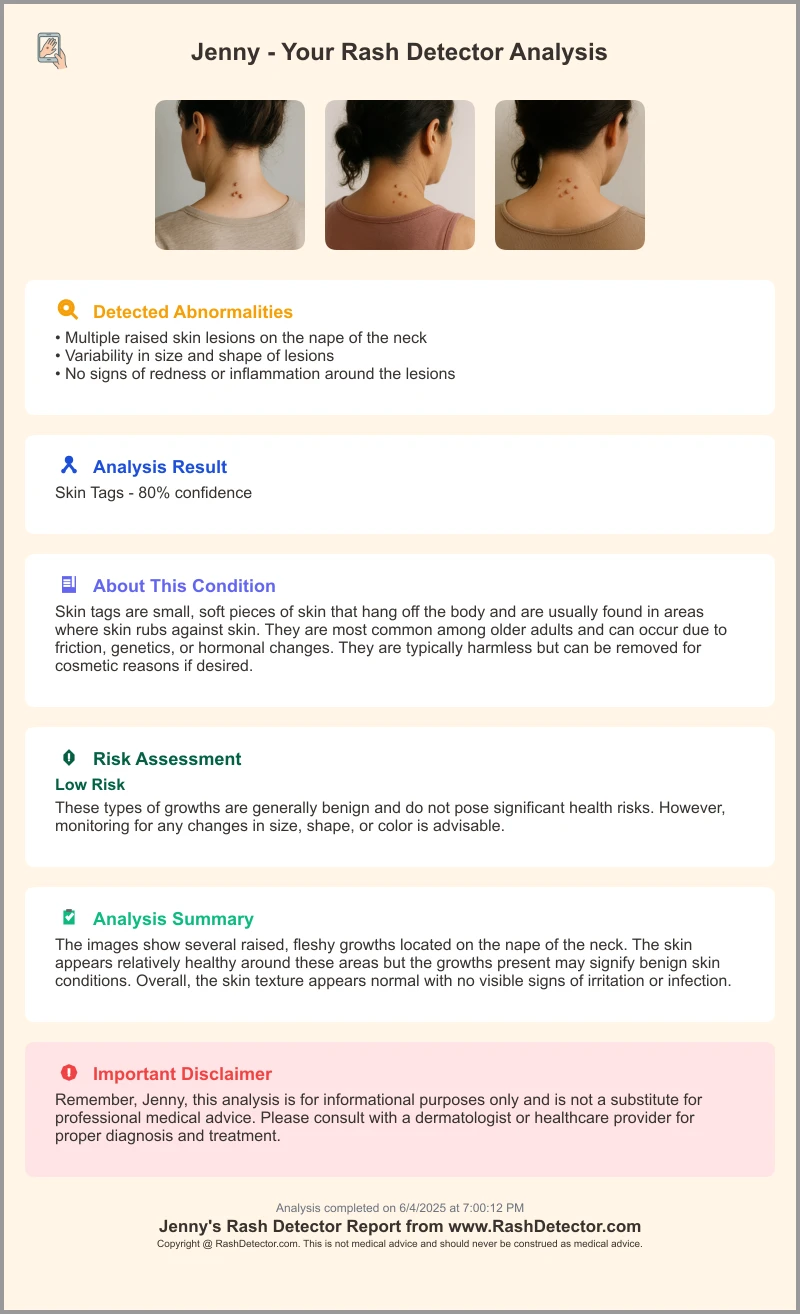
For a quick, AI-powered second look at your skin rash, try uploading your images to Rash Detector.
Remember: Only a healthcare professional can diagnose the exact cause of your rash and recommend the right treatment.
Section 4: Risk Factors and Common Locations
Who Gets Rashes from Tight Clothing?
Anyone can develop a rash from tight clothing, but certain factors may increase your risk:
- Active lifestyles: Runners, cyclists, and athletes often experience chafing, heat rash, and fungal infections due to prolonged sweating and repetitive motion in snug gear.
- Hot, humid climates: More sweating and moisture increase the chance of blocked sweat ducts, irritation, and fungal overgrowth. People living in tropical or subtropical regions may have more frequent issues.
- Sensitive skin or history of eczema/contact dermatitis: Individuals with pre-existing conditions are more likely to react to friction, pressure, or fabric chemicals. Children and the elderly often have more delicate skin barriers.
- Wearing clothing made of synthetic, non-breathable fabrics: These trap moisture and heat, creating an ideal environment for irritation and infection. People who wear uniforms, workwear, or athletic gear for extended shifts are at particular risk.
People with compromised immune systems, diabetes, or obesity may be more susceptible, particularly to fungal or bacterial skin infections, due to altered skin integrity and increased skin folds.
Problematic Fabrics
Some materials are more likely to cause irritation or allergic reactions:
- Synthetics: Polyester, nylon, spandex, rayon. These are less breathable and retain heat and moisture. Spandex is commonly found in athletic apparel and shapewear, which is worn tightly against the skin.
- Latex and rubber: Found in waistbands, bra straps, socks. Even small amounts can cause reactions in sensitive individuals. Latex allergies may manifest as immediate hives or delayed dermatitis.
- Wool: Can be itchy and irritating, especially when tight or worn for long periods. Some people are highly sensitive to the scales on wool fibers.
- Chemically treated fabrics: Dyes, resins, flame retardants, finishing agents. New clothing may carry chemical residues that can irritate or sensitize the skin, especially before the first wash.
To lower your risk, opt for natural, undyed, and pre-washed materials whenever possible, especially if you have a history of sensitive skin or allergies.
Common Rash Locations
- Waistline (from belts, tight pants, leggings). Common when wearing new or rough-textured jeans, or snug shapewear.
- Inner thighs (chafing from shorts, tight skirts, or pants). This area is particularly vulnerable during exercise or in hot weather.
- Underarms (tight sleeves, sports bras). Sweat and friction combine to irritate the delicate skin here.
- Under breasts (sports bras, compression tops). Moisture often accumulates, increasing risk for fungal rashes and irritation.
- Bra line and straps. Pressure and friction are highest where straps dig in, especially with ill-fitting or heavily elasticized bras.
- Ankles (socks, shoe collars). Tight socks or shoes can cause pressure hives, dermatitis, or fungal infections (like athlete’s foot).
If you notice a rash in the same spot as clothing pressure, it’s likely related. Watch for patterns that match your garments, such as linear marks or welts under elastic bands.
Section 5: Prevention Tips for Skin Rashes from Tight Clothing
Choose the Right Clothing
- Go for loose, breathable fabrics: Cotton, bamboo, and moisture-wicking materials allow airflow and reduce sweat buildup. These materials help keep skin dry and cool, minimizing irritation and fungal risk.
- Avoid rough or scratchy fabrics: Wool, synthetics, and heavily treated materials can irritate sensitive skin. Where necessary, use a soft underlayer to protect the skin from rough outer garments.
- Check for latex or rubber in waistbands/straps: Opt for seamless or latex-free options if you’re sensitive. Many brands now offer hypoallergenic and tagless underwear, socks, and bras.
Proper sizing is crucial. Avoid clothing that leaves marks on your skin after removal, as this indicates excessive pressure.
Reduce Friction and Moisture
- Use barrier creams or anti-chafing products on high-friction areas. Examples include petroleum jelly, zinc oxide ointments, or commercial anti-chafe sticks. Apply before activity and reapply as needed.
- Keep skin clean and dry, especially after exercise. Shower promptly and dry thoroughly, paying attention to skin folds. Use a soft towel to avoid additional irritation.
- Change out of sweaty clothes quickly. Even short periods in damp clothing can increase your risk for irritation or infection.
- Wash new clothes before wearing to remove excess dyes and chemicals. Choose fragrance-free and hypoallergenic laundry detergents if you have sensitive skin.
For travelers or people working long shifts, consider carrying a change of clothes or moisture-absorbing body powders to manage sweat.
Special Considerations for Sensitive Skin
- Choose hypoallergenic, fragrance-free laundry detergents. Some people react to detergent residues left in clothing even after rinsing.
- Rinse clothes thoroughly to remove soap residue. Double-rinsing can help if you have a history of allergies or eczema.
- For eczema or contact dermatitis, stick to soft, loose-fitting layers. Avoid tight elastic cuffs or waistbands, and layer with cotton or silk next to the skin for extra protection.
For more on self-care and prevention, see our comprehensive guide to skin rash treatment and smart tools.
Section 6: Treatment and When to See a Doctor
Self-Care for Mild Rashes
- Remove the trigger: Change out of tight or suspect clothing immediately. Give your skin time to recover by wearing loose, breathable garments.
- Cleanse gently: Wash the affected area with mild soap and water. Avoid scrubbing, which can worsen irritation. Pat dry with a soft towel.
- Apply a barrier: Use petroleum jelly, zinc oxide, or anti-chafing cream to soothe irritation. These help protect damaged skin from further friction or moisture.
- Cool compress: Can relieve itching and inflammation. Use a clean, damp washcloth and avoid ice directly on the skin.
- Over-the-counter remedies: Hydrocortisone cream for inflammation, oral antihistamines for itch. Use as directed and avoid long-term use of steroids without medical advice.
If the rash is mild and not worsening, these steps are often enough for healing. Keep the area exposed to air as much as possible and avoid any known irritants until fully healed.
For product recommendations, check our list of best anti-itch creams.
Medical Attention: When to See a Doctor
- Rash is spreading, severe, blistering, or very painful
- Signs of infection (increasing redness, warmth, pus, fever). Infection can develop if skin is broken or if scratching introduces bacteria.
- No improvement after a few days of self-care. Persistent rashes may indicate an underlying allergy or chronic condition.
- Rash is accompanied by other symptoms (breathing difficulty, swelling of lips/face). These may indicate a severe allergic reaction and require immediate medical attention.
Some rashes may be caused by underlying issues, such as a diabetes skin rash, autoimmune conditions, or even a drug rash. For more, read our in-depth post on drug rash treatment. Always consult a doctor or dermatologist for diagnosis and tailored treatment.
Never ignore severe, spreading, or persistent rashes—see a healthcare professional for proper diagnosis and management.
Using Technology for Guidance
If you’re unsure about the type or cause of your rash, consider using AI-powered apps like Rash Detector. By uploading a few images of your rash, you can get instant analysis of possible causes and helpful guidance, but remember: this is not a substitute for professional medical advice. Rash Detector and similar tools can help you decide if your rash might be mild and self-limited or if it warrants a doctor’s visit, but only a healthcare provider can give a definitive diagnosis.
Conclusion
Skin rashes from tight clothing are common and can arise from friction, heat, pressure, or allergic reactions to fabrics and chemicals. The risk increases with sweat, synthetic materials, and sensitive skin. Prevention centers on loose, breathable clothing, good hygiene, and prompt care. Most mild rashes respond well to self-care, but persistent, severe, or spreading rashes require a professional evaluation. For fast, AI-driven rash analysis, you can try Rash Detector—but always consult a healthcare provider for diagnosis or treatment, especially if symptoms are severe.
FAQ
Q: Can tight clothing cause a rash or hives?
A: Tight clothing can contribute to friction rashes (chafing), pressure urticaria (hives), and contact dermatitis—especially in areas under elastic waistbands, bra straps, or fitted sleeves.
Q: Why do I get a rash where my waistband or bra strap presses on my skin?
A: Constant pressure, trapped sweat, friction, or an allergy to materials (like latex or rubber) can all contribute to rashes under waistbands or straps. Moisture and heat make these areas more vulnerable.
Q: Is it a fabric allergy or just friction from tight clothes?
A: It can be either. Allergic reactions (contact dermatitis) usually itch and may blister, while friction rashes are more likely to sting and appear raw. Allergic rashes often match the shape of the clothing.
Q: What fabrics are most likely to cause skin irritation or rashes?
A: Synthetics (polyester, nylon, spandex), wool, latex, rubber, and chemically treated fabrics are common culprits. Cotton and bamboo are less likely to irritate sensitive skin.
Q: How do you treat a rash caused by tight clothing?
A: Remove the tight garment, cleanse the skin, apply barrier creams, and use over-the-counter hydrocortisone or antihistamines for itching. See a doctor if the rash is severe or persistent.
Q: How can I prevent chafing and skin irritation from fitted clothes?
A: Wear loose, breathable fabrics, keep skin dry, use barrier products, and wash new clothes before wearing. Avoid rough, tight, or synthetic materials if you have sensitive skin.
See a doctor or dermatologist for diagnosis and treatment, especially for severe, spreading, painful, or persistent symptoms. This article is for general educational purposes only and does not substitute for professional medical advice.