
Skin Rashes from Pet Allergies: Causes, Symptoms & Relief
Learn about skin rashes from pet allergies—causes, symptoms, triggers, and treatments. Discover how to identify, manage, and prevent allergic skin reactions.

Estimated reading time: 13 min
Key Takeaways
- Skin rashes from pet allergies may appear as hives, eczema, or itchy red blotches after contact with animal dander, saliva, fur, or urine.
- Direct contact and airborne exposure can cause different rash patterns; diagnosis is important for effective treatment.
- Pet allergy rashes can resemble other skin conditions, including contact dermatitis, heat rash, fungal rashes, and drug reactions.
- Antihistamines, topical steroids, and exposure reduction are commonly used for management, but see a doctor for severe or persistent symptoms.
- Using tools like Rash Detector may help you analyze and track skin changes, but always consult a healthcare provider for diagnosis and treatment.
Table of Contents
- Section 1: Understanding Skin Rashes from Pet Allergies
- Section 2: What Causes Skin Rashes? Common Rash Types Explained
- Section 3: Triggers and High-Risk Situations for Pet Allergy Rashes
- Section 4: Recognizing Pet Allergy Rashes vs. Other Skin Conditions
- Section 5: Diagnosis and When to Seek Medical Advice
- Section 6: Treatment Options for Pet Allergy Skin Rashes
- Section 7: Prevention and Exposure Reduction Strategies
- Section 8: When Symptoms Are Serious—What to Watch For
- Conclusion
- FAQ
Section 1: Understanding Skin Rashes from Pet Allergies
Pet Allergies and Your Skin
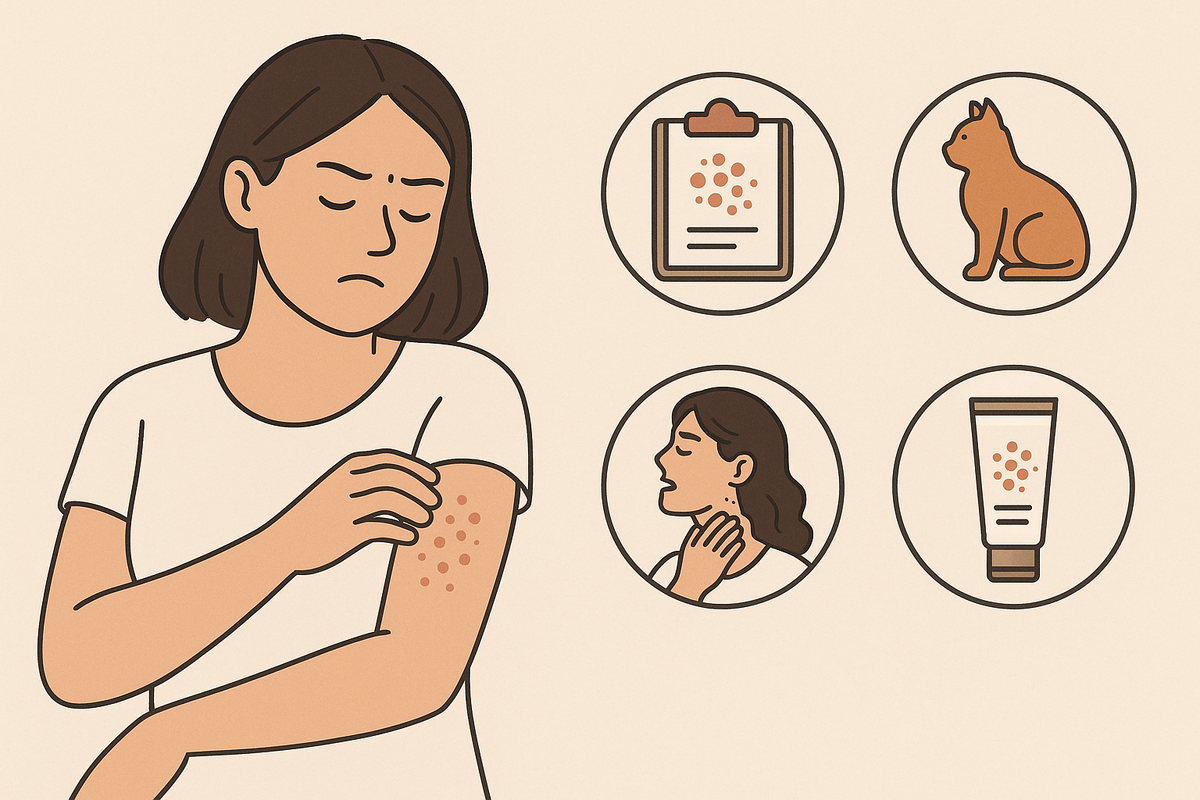
When you think of pet allergies, you might imagine sneezing, watery eyes, or nasal congestion. But skin rashes from pet allergies can also occur and may be uncomfortable. These rashes are the result of your immune system reacting to proteins found in pet dander (dead skin flakes), saliva, fur, or even urine. When these allergens touch your skin or enter your body through the air, they can trigger an inflammatory response, leading to visible skin symptoms.
Typical Skin Symptoms
- Hives (urticaria): Raised, red or skin-colored welts that itch or burn. These can appear minutes to hours after exposure.
- Eczema (atopic dermatitis): Dry, scaly, itchy patches. Pet allergens can be a trigger for eczema flares, especially in children.
- Itchy red rash: This can look like blotchy patches, bumps, or streaks, often wherever skin touches pet fur or saliva.
How Allergens Reach Your Skin
- Direct contact: Petting, holding, or being licked by your pet can transfer allergens right onto your skin.
- Indirect exposure: Allergens stick to bedding, furniture, carpets, and clothes—exposing you even without direct contact.
- Airborne particles: Tiny flakes of dander and saliva can float in the air and land on your skin, especially in homes with poor ventilation.
While these reactions can occur, not everyone with a pet allergy will develop a rash. Genetics, existing skin conditions, and overall immune sensitivity all play a role. If you develop a persistent or severe rash, it's important to seek medical advice for proper diagnosis and management.
Section 2: What Causes Skin Rashes? Common Rash Types Explained
Major Rash Categories
Skin rashes can arise from many different causes—not just pet allergies. Understanding the main categories helps you and your doctor narrow down the trigger and choose the right treatment. The most common causes include:
- Allergic reactions: Such as skin rashes from pet allergies, contact dermatitis, or drug rashes.
- Infections: Fungal skin rash, viral rashes (like chickenpox or measles), or bacterial infections.
- Heat and sweat: Heat rash (miliaria), which appears as tiny red bumps in hot, humid conditions.
- Autoimmune conditions: Eczema, psoriasis, or lupus-related rashes.
- Underlying health issues: Diabetes skin rash, stress rash, or rashes linked to liver or kidney disease.
- Medications: Drug rash or allergic reaction rash from antibiotics or other medications. Learn more about drug rash causes and symptoms.
How Pet Allergy Rashes Compare
Pet allergy rashes are a form of allergic contact dermatitis or immediate hypersensitivity (like hives). They may appear quickly after exposure and are often itchy, red, and sometimes swollen. Unlike heat rash—which is triggered by blocked sweat glands and shows up in skin folds—pet allergy rashes often follow the pattern of exposure (e.g., where a dog licked your arm).
Other Rashes to Consider
- Contact dermatitis: From soaps, plants, or chemicals—often with a clear border where the substance touched.
- Fungal skin rash: Ringworm or athlete's foot, usually with a ring-shaped, scaly border.
- Drug rashes: Widespread redness or spots soon after starting a new medication. See our guide on drug rash treatments.
It’s essential to distinguish between these types, as treatment and urgency can vary. If you’re unsure, using an AI tool like Rash Detector to photograph your rash may provide helpful guidance, but always consult a healthcare professional for a final diagnosis.
Section 3: Triggers and High-Risk Situations for Pet Allergy Rashes
Direct Contact Triggers
Skin rashes from pet allergies are more likely when your skin comes in direct contact with allergenic substances. Key triggers include:
- Petting or holding animals: Dander and oils transfer from fur to skin.
- Animal saliva: Licking is a common trigger—especially with dogs and cats. Their saliva contains allergenic proteins.
- Scratches or bites: These can introduce both allergens and bacteria, sometimes leading to infection.
Household and Environmental Risks
- Bedding and upholstery: Allergens accumulate on fabrics and soft surfaces that aren’t cleaned frequently.
- Clothing: Pet hair and dander cling to clothes, especially after contact with animals.
- Shared spaces: Carpeting, curtains, and even car seats can harbor allergenic particles for weeks.
Airborne Allergen Exposure
Not all pet allergy rashes are from physical touch. Tiny airborne particles of dander or saliva can settle on your skin, especially in homes with poor air filtration or during cleaning (like vacuuming or dusting). This exposure is less likely to cause a sharply defined rash, but can lead to diffuse itching or widespread redness.
High-Risk Activities
- Allowing pets on beds or couches
- Sleeping with pets in your bedroom
- Visiting homes with multiple pets or infrequent cleaning
- Grooming or bathing animals without gloves
Identifying your personal triggers is the first step to managing and preventing skin rashes from pet allergies.
Section 4: Recognizing Pet Allergy Rashes vs. Other Skin Conditions
How Pet Allergy Rashes Look
Pet allergy skin rashes can vary, but they often have features such as:
- Red, raised welts: Hives are a classic sign, appearing suddenly and sometimes migrating across the skin.
- Itchy, inflamed patches: Especially at sites of contact, such as forearms, face, or neck.
- Dry, scaly areas: Eczema flares worsened by pet exposure, common in children or those with a history of atopic dermatitis.
How to Tell It Apart from Other Rashes
- Contact dermatitis: Similar in appearance, but often caused by chemicals, plants, or metals. The rash usually has a well-defined edge.
- Heat rash: Small, red bumps in areas where sweat gets trapped (e.g., neck, back); not typically triggered by pets. Learn more in our guide on how to prevent heat rash.
- Fungal skin rash: Ring-shaped or sharply bordered, itchy, and often found in moist areas.
- Drug rash: May appear as widespread redness or spots after starting a new medication. See our post on rashes from medication.
- Stress rash: Hives or itchy patches that flare during periods of anxiety or emotional stress; can look similar to allergy hives.
- Diabetes skin rash: Chronic, slow-healing, or velvety-textured rashes, often in skin folds.
Clues That Suggest Pet Allergy
- Rash appears or worsens soon after pet exposure
- Rash improves with avoidance of animals or after cleaning pet areas
- Other allergy symptoms (sneezing, itchy eyes, congestion) are present
If you’re unsure whether your rash is from pet allergies or another cause, see a dermatologist. They can help you distinguish between similar-appearing rashes and recommend the right treatment.
Section 5: Diagnosis and When to Seek Medical Advice
Getting a Proper Diagnosis
While some pet allergy rashes may be easy to spot, others can mimic unrelated skin conditions. A clear diagnosis is important for effective treatment and long-term management. Your healthcare provider may use several approaches:
- Medical history: Discussion of your symptoms, timing, and any patterns with pet exposure.
- Physical exam: Inspection of the rash’s appearance, distribution, and severity.
- Allergy testing: Skin prick tests or blood tests (IgE levels) to identify specific pet allergens.
When to See a Doctor
- Rash is severe, spreading, or accompanied by swelling or difficulty breathing
- Rash persists for more than a week or worsens despite home care
- You have signs of infection: pus, pain, fever, or rapidly spreading redness
- Other symptoms develop, such as asthma, hives, or facial swelling
Never ignore a severe or rapidly progressing rash. For sudden swelling of lips, tongue, or trouble breathing, seek emergency care immediately. For more routine but persistent rashes, a dermatologist or allergist can provide a diagnosis and guide treatment.
Using Digital Tools for Early Assessment
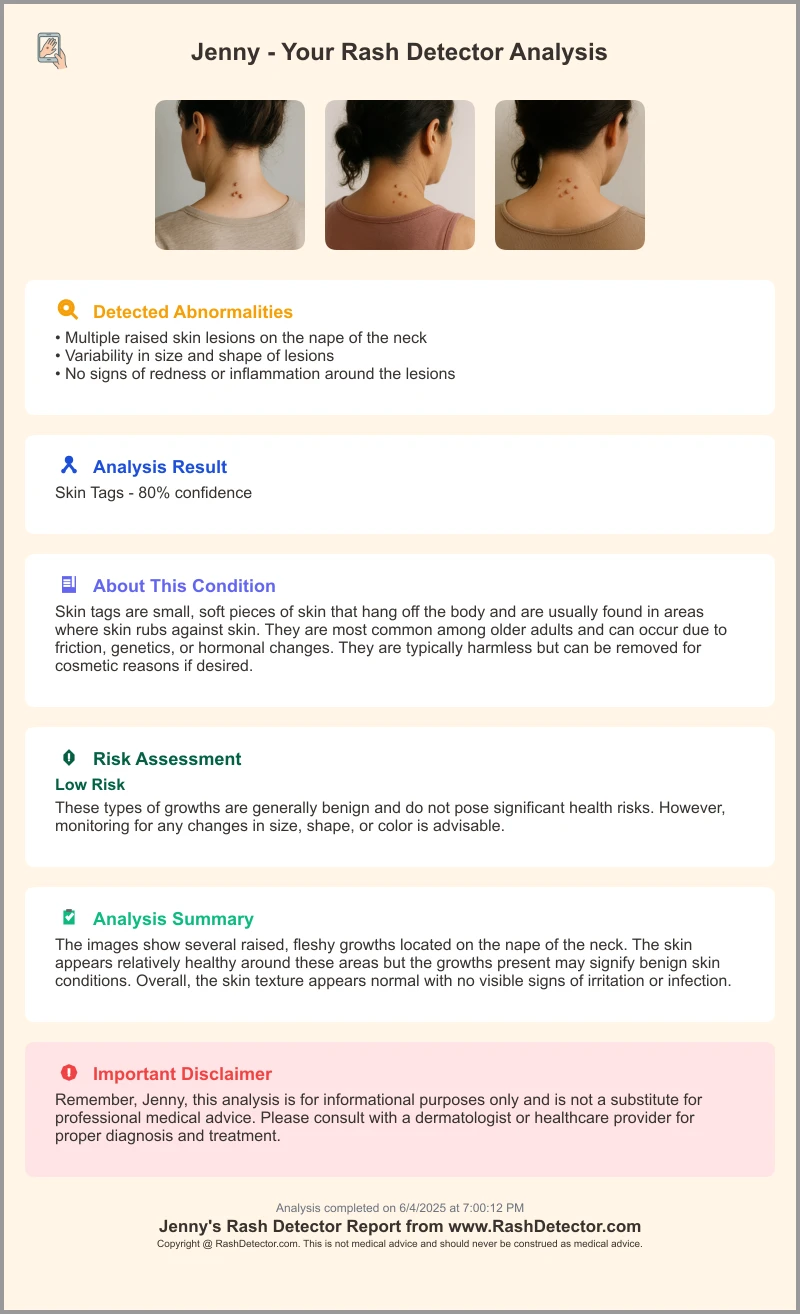
Apps like Rash Detector allow you to upload images of your skin rash and get instant analysis and guidance on possible causes. While not a substitute for a doctor’s visit, these tools may help you track changes and prepare for your appointment.
Section 6: Treatment Options for Pet Allergy Skin Rashes
Immediate Relief Strategies
- Antihistamines: Over-the-counter oral antihistamines (like cetirizine or loratadine) may help reduce itching and redness from allergy rashes.
- Topical steroids: Mild hydrocortisone cream or stronger prescription corticosteroids may help calm inflammation and itching.
- Cool compresses: Applying a cold, damp cloth can soothe burning or itching.
- Fragrance-free moisturizers: Prevent dryness and help skin heal, especially for eczema-prone individuals.
Prescription and Advanced Care
- Stronger corticosteroid creams: For moderate to severe rashes, your doctor may prescribe higher-potency topical steroids.
- Short-term oral steroids: Sometimes used for severe or widespread allergic reactions, under medical supervision.
- Other medications: In some cases, immunosuppressants or phototherapy may be recommended for chronic eczema.
Allergy-Specific Therapies
- Allergen immunotherapy: Allergy shots or tablets given over months to reduce sensitivity to pet allergens.
- Medical monitoring: Especially if you have asthma or other allergic conditions alongside skin symptoms.
Home Care Tips
- Wash skin thoroughly after pet contact
- Change and launder clothes exposed to pets
- Use gentle, hypoallergenic skin products
For more tips on calming itching, see our guide on best anti-itch creams. Always follow your healthcare provider’s instructions, and do not use strong steroid creams without supervision.
Section 7: Prevention and Exposure Reduction Strategies
Reducing Allergen Exposure at Home
- Bathe and brush pets regularly: May help reduce dander and shedding. Use pet-safe shampoos and brushes.
- HEPA vacuuming: High-efficiency vacuums can help trap tiny allergen particles in carpets and upholstery.
- Wash bedding and soft furnishings: Hot water washes may help remove dander from sheets, pillowcases, and blankets.
- Air filtration: Use HEPA air purifiers in bedrooms and living spaces to help lower airborne allergen levels.
- Pet-free zones: Keep pets out of bedrooms and off upholstered furniture as much as possible.
Personal Protective Strategies
- Wear gloves and long sleeves when cleaning pet areas
- Wash hands and face after playing with pets
- Change clothes after close pet contact
Behavioral Changes
- Discourage pets from licking your skin
- Train pets to stay off beds and couches
- Consider professional cleaning of carpets and drapes periodically
These steps may help reduce your risk of developing skin rashes from pet allergies, especially when combined with medical management and regular check-ins with your doctor.
Section 8: When Symptoms Are Serious—What to Watch For
Warning Signs of Severe Reactions
- Widespread rash: Rash covering large areas of the body, or rapidly spreading
- Swelling: Especially of the face, lips, tongue, or throat (angioedema)
- Difficulty breathing or wheezing: May signal asthma or anaphylaxis
- Severe pain, blistering, or open sores: Could indicate infection or a more serious reaction
- Fever, chills, or systemic symptoms: Sign of possible infection or severe allergic response
Associated Conditions
- Asthma attacks: Skin symptoms may be accompanied by coughing, wheezing, or shortness of breath
- Chronic eczema: Persistent, difficult-to-control eczema may require specialist care
- Other allergic reactions: Including allergic conjunctivitis (eye redness/itching) or nasal symptoms
If you experience any of these symptoms, seek immediate medical attention. Severe allergic reactions can be life-threatening. For ongoing or recurring issues, work with an allergist or dermatologist for a personalized treatment plan.
Conclusion
Skin rashes from pet allergies can be a frustrating problem for animal lovers. Recognizing the typical symptoms, understanding the triggers, and knowing how to distinguish pet allergy rashes from other causes—like heat rash, contact dermatitis, fungal infections, drug rashes, stress rash, or diabetes skin rash—are important steps in effective management. While some cases may be managed at home with antihistamines, topical steroids, and exposure reduction, persistent or severe rashes deserve prompt medical attention. For anyone struggling to identify their rash, tools like Rash Detector may offer instant analysis and help guide your next steps—but always consult a healthcare provider for diagnosis and treatment.
FAQ
Q: Can pet allergies cause a skin rash or hives?
A: Pet allergies can cause skin rashes such as hives, eczema flares, or itchy red spots in some individuals. This may happen after direct contact with pet dander, saliva, fur, or urine, or sometimes from airborne allergens landing on your skin.
Q: What does a pet allergy rash look like?
A: A pet allergy rash may appear as red, raised, itchy welts (hives) or as dry, scaly patches (eczema). The rash may show up where your skin touched a pet or areas exposed to airborne allergens.
Q: Can dog saliva or cat saliva cause an itchy rash?
A: Yes, saliva from dogs or cats can be a trigger for allergic skin reactions in sensitive individuals. Licking can transfer allergenic proteins to your skin, causing localized itching, redness, or hives.
Q: How do you get rid of a rash from pet allergies?
A: Wash the affected area, consider taking an oral antihistamine, and apply a mild steroid cream for relief. Minimize further exposure by washing clothes and bedding. If symptoms are severe or persistent, consult a doctor or dermatologist for diagnosis and treatment.
Q: Is it eczema or a pet allergy rash?
A: Pet allergy rashes can trigger or worsen eczema, and the two may look similar. A dermatologist can help distinguish between the two by evaluating your history, triggers, and rash appearance.
Q: What helps pet allergy skin itching fast?
A: Relief may include taking an oral antihistamine, using a cool compress, applying a gentle moisturizer, and using over-the-counter hydrocortisone cream. See a doctor if itching is severe or doesn’t improve.
Always consult a doctor or dermatologist for diagnosis and treatment of any rash, especially if symptoms are severe, spreading, painful, or persistent.