Rashes from Using New Skincare Products: Causes, Symptoms & Solutions
Learn how to identify and manage rashes from new skincare products. Discover causes, symptoms, patch testing, and when to see a dermatologist.
Estimated reading time: 15 min
Key Takeaways
- Rashes from new skincare products are relatively common and can result from irritation, allergies, or sensitivity to specific ingredients.
- Contact dermatitis, allergic reactions, and sometimes fungal skin rashes may be triggered by new products.
- Symptoms include redness, itching, burning, bumps, swelling, and peeling, often appearing where the product was applied.
- Immediate steps: stop using the product, rinse the area, simplify your skincare, and seek medical advice for severe or spreading rashes.
- Patch testing and ingredient awareness can help reduce the risk of future reactions.
Table of Contents
- Section 1: Understanding Rashes from New Skincare Products
- Section 2: Common Symptoms of Skincare Product Reactions
- Section 3: Key Causes – Irritant, Allergic, and Other Rashes
- Section 4: High-Risk Ingredients in Skincare
- Section 5: What to Do Immediately When a Rash Appears
- Section 6: Safe Restart – How to Reintroduce Skincare
- Section 7: Who Is Most at Risk and Which Areas Are Affected?
- Section 8: When to See a Dermatologist or Seek Urgent Care
- Conclusion
- FAQ
Section 1: Understanding Rashes from New Skincare Products
Why Do Skincare Rashes Happen?
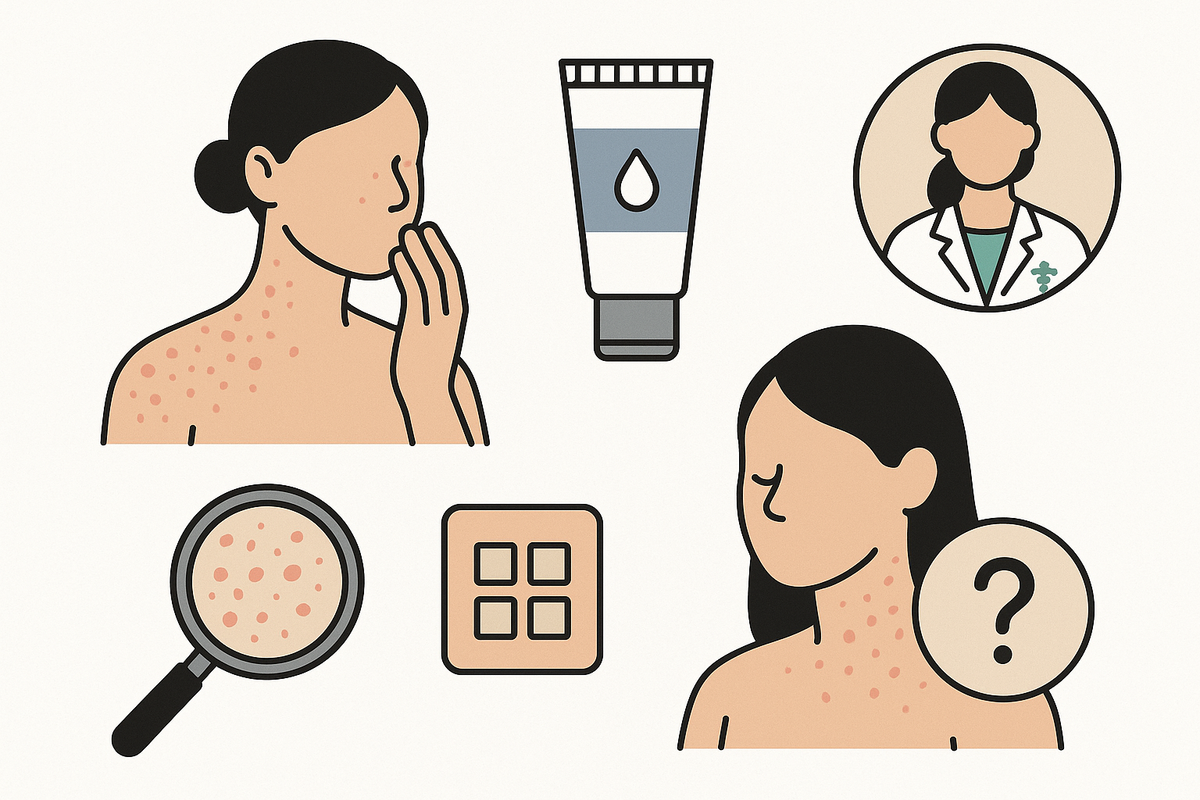
Many people develop rashes from using new skincare products. These rashes, often referred to as contact dermatitis, are the skin's response to an irritant or allergen. The skin is a protective barrier, but new ingredients can sometimes disrupt its balance. Rashes may appear as red, itchy, or bumpy areas where the product was applied.
Types of Skin Reactions
- Irritant Contact Dermatitis: Caused by direct damage to the skin from harsh chemicals, acids, or overuse of products.
- Allergic Contact Dermatitis: A delayed immune response to an ingredient your body recognizes as foreign.
- Photoallergic Reaction: Skin reacts after exposure to both the product and sunlight.
Distinguishing Rashes from Other Skin Issues
Not all changes after starting a new product are rashes. For example, skin purging may happen with active ingredients like retinoids or AHAs/BHAs, leading to temporary breakouts rather than rashes. On the other hand, a heat rash or heat rash is triggered by sweat and blocked pores, not products. Fungal skin rashes and stress rash can also mimic irritation but have different causes and treatments.
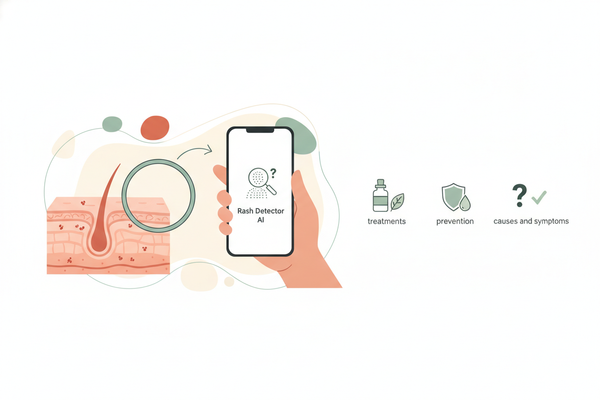
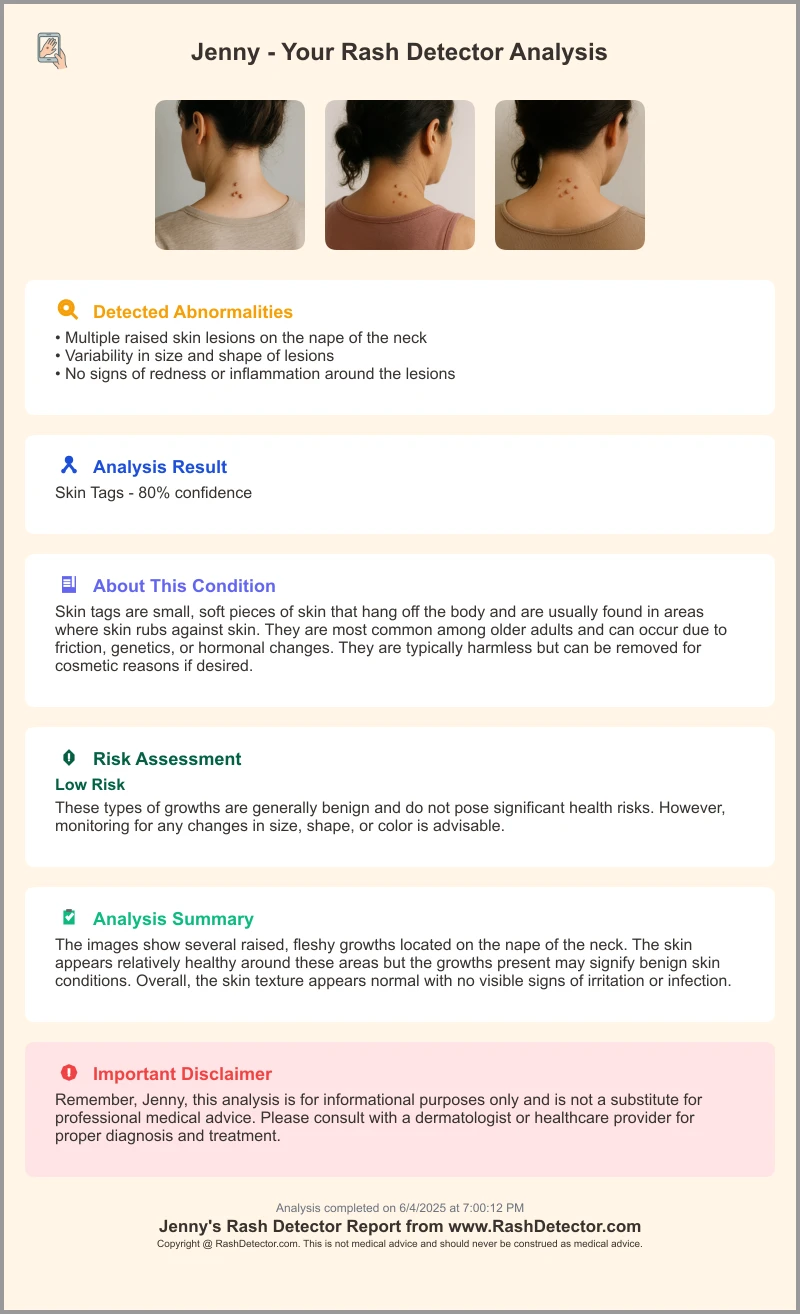
For personalized analysis of skin changes, modern tools like Rash Detector allow you to upload images of your rash for AI-powered guidance on possible causes and next steps. Always consult a healthcare provider for diagnosis and treatment.
Section 2: Common Symptoms of Skincare Product Reactions
What to Watch For
Recognizing the symptoms can help you act quickly and prevent further skin damage. Common signs of a rash from using new skincare products include:
- Redness or pink patches where the product was applied
- Itching or burning sensation
- Bumps (small or large, smooth or rough)
- Swelling, especially around the eyes or lips
- Peeling or flaking skin
- Hives – raised, itchy welts
- Oozing or blistering (less common, but serious)
Timing and Location
Rashes often appear within hours to a few days of starting a new product. Allergic reactions may take up to a week or more. The rash typically shows up where the product was applied – face, eyelids, neck, or hands. Widespread or spreading rashes may indicate a more severe reaction.
When Symptoms Suggest More Than Irritation
Some rashes are more than simple irritation. For example, a drug rash can occur from topical or oral medications and may include fever or general unwellness. Fungal skin rashes may be ring-shaped and itchy. If you notice blistering, pain, or systemic symptoms, seek medical help immediately.
Section 3: Key Causes – Irritant, Allergic, and Other Rashes
Irritant Contact Dermatitis
This is a common cause of rashes from new skincare. Ingredients like acids (AHA, BHA), alcohols, and harsh exfoliants may damage the skin barrier. Over-cleansing or combining multiple actives can increase the risk. Symptoms usually appear quickly – within minutes to hours of contact.
Allergic Reaction Rash
An allergic reaction rash results from your immune system overreacting to a specific ingredient. This can develop even after repeated safe use of a product, due to delayed hypersensitivity. Typical allergens include fragrances, preservatives, and certain dyes. Allergic rashes are often itchy and may spread beyond the area of contact. Learn more about identifying and managing these reactions in our drug allergy rash guide.
Other Rash Types Linked to Skincare Products
- Photoallergic Reaction: Certain ingredients (like some sunscreens or perfumes) may react with sunlight, causing a rash after exposure.
- Fungal Skin Rash: Over-moisturizing or occlusive products can create a warm, moist environment for fungi, sometimes leading to ringworm or yeast infections.
- Drug Rash: Prescription or over-the-counter skin treatments can trigger immune-mediated rashes, sometimes with systemic symptoms. For detailed guidance, see rash from medication: causes, symptoms & next steps.
- Underlying Conditions: Skin affected by diabetes, autoimmune disease, or high stress may be more susceptible to rashes and slower to heal.
Why Patch Testing Matters
Patch testing, which involves applying a small amount of product to a discreet area for several days, can help differentiate between irritation, allergy, and purging. Even if you’ve used a product before, your skin can develop a delayed allergy over time.
Section 4: High-Risk Ingredients in Skincare
Top Culprit Ingredients
Certain ingredients are more likely to cause rashes, especially for sensitive skin types. Watch out for:
- Fragrance and Perfumes: A common allergen, especially in sensitive areas like the eyelids and neck.
- Preservatives: Ingredients such as parabens, methylisothiazolinone, and formaldehyde releasers (quaternium-15, DMDM hydantoin) can cause allergic reactions in some people.
- Acids (AHA/BHA): Glycolic, lactic, and salicylic acids may cause burning, peeling, and red bumps.
- Retinoids: These anti-aging ingredients can sometimes irritate and peel the skin, especially when first used.
- Vitamin C (ascorbic acid): Can be irritating, especially in high concentrations or unstable formulas.
- Benzoyl Peroxide: Common in acne products; may cause dryness, redness, and hives.
- Dyes and Colorants: Synthetic colors are another potential allergen, especially for facial and eye products.
How to Identify High-Risk Ingredients
Read both the ingredient list and the active ingredients panel. Many products labeled "natural" or "clean" still contain essential oils or plant extracts that can be potent allergens. When in doubt, choose fragrance-free, hypoallergenic options and avoid products with long ingredient lists.
Repeated Use and Delayed Reactions
It’s possible to develop a rash from a product you’ve used for weeks or months, due to sensitization. This is why tracking what you use and when symptoms appear is important. Apps like Rash Detector can help keep a record and analyze trends for safer skincare routines.
Section 5: What to Do Immediately When a Rash Appears
First Aid for Skincare-Induced Rashes
- Stop using the product that triggered the rash right away.
- Rinse the area gently with cool or lukewarm water. Avoid soaps, scrubs, or hot water.
- Apply a cold compress to reduce itching, redness, and swelling.
- Simplify your routine: For the next few days, use only a gentle, fragrance-free moisturizer.
- Avoid makeup and other potentially irritating products until the rash clears.
What Not to Do
- Do not scratch – this can worsen irritation and cause infection.
- Avoid exfoliants, acids, and retinoids until skin is fully healed.
- Don’t try to cover with more products. Less is more during the healing process.
Symptom Relief
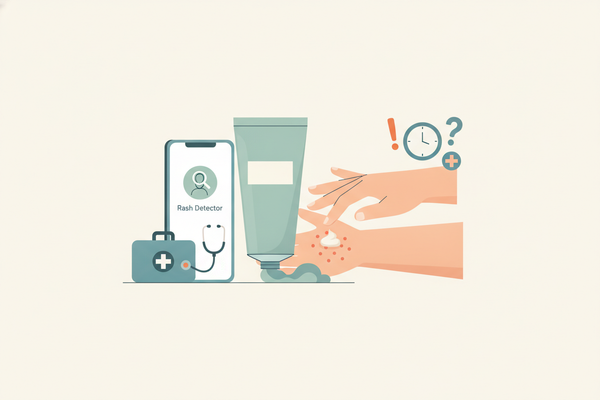
Over-the-counter hydrocortisone cream or a gentle anti-itch lotion may help mild cases. For top recommendations, visit our best anti-itch cream guide. If there is pain, blistering, swelling of the eyes or lips, or if the rash is spreading rapidly, seek urgent medical attention. Always consult a healthcare provider for diagnosis and treatment, especially if symptoms are severe, persistent, or worsening.
Section 6: Safe Restart – How to Reintroduce Skincare
Patch Testing at Home
Before using a new product, do a patch test:
- Apply a small amount behind the ear or inside the elbow.
- Wait 48-72 hours. Watch for redness, itching, or bumps.
- If no reaction, repeat for several days before applying to your face.
This may help catch both immediate and delayed allergic reactions.
Slow Reintroduction
Once your skin heals, restart your skincare routine one product at a time, with several days between each addition. Track the order and timing. Fragrance-free, hypoallergenic, and minimal-ingredient products are generally considered safer to start.
Ingredient Tracking and Apps
Consider keeping a skincare diary to note when new products are added and any rashes or irritation. Digital tools like Rash Detector can help you monitor patterns, spot high-risk ingredients, and support your journey toward healthy, resilient skin.
Section 7: Who Is Most at Risk and Which Areas Are Affected?
Most Vulnerable Groups
- People with sensitive skin, eczema, or allergies may be at higher risk for rashes from new products.
- Those with a history of hay fever or asthma may react to fragrances and preservatives.
- Individuals with autoimmune conditions or diabetes may have skin that is more fragile and slow to heal, increasing the risk of secondary infection.
- Children and the elderly have thinner, more delicate skin.
Commonly Affected Areas
- Face and eyelids: Thin skin, more exposure, and frequent product use make these areas prone to reactions.
- Neck and chest: Often neglected in patch testing, but sensitive to fragrances and dyes.
- Hands: Frequent washing and exposure to multiple products can trigger rashes.
- Spots of direct application: Any site where the new product was used may develop a rash.
Underlying Risk Factors
Stress, hormonal changes, and hot or humid weather can make skin more reactive. Heat rash and stress rash may be confused for product reactions, so consider all possible triggers.
Section 8: When to See a Dermatologist or Seek Urgent Care
Signs You Need Professional Help
- Rash is spreading quickly or covers a large area
- Blistering, oozing, or open sores
- Swelling of the face, eyelids, lips, or tongue
- Pain, fever, or feeling unwell
- Difficulty breathing or swallowing
- Persistent rash that does not improve after a few days of stopping the product
Why Medical Evaluation Matters
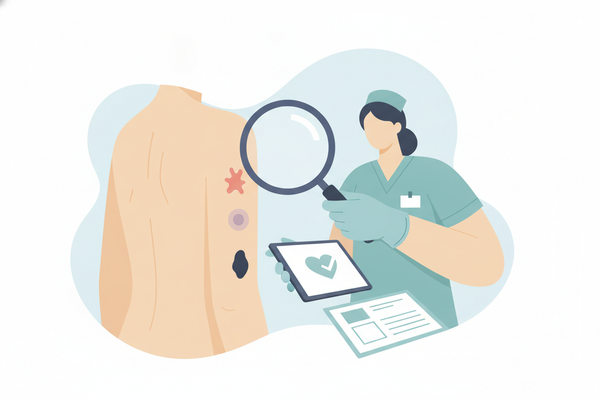
Some rashes—like drug rash, fungal skin rash, autoimmune-related rashes, or rashes related to underlying health conditions—require specific treatment. Severe allergic reactions can be life-threatening. A board-certified dermatologist or healthcare provider can provide an accurate diagnosis, recommend patch testing, and suggest appropriate treatment.
Finding the Right Resources
If you’re unsure about your symptoms, consider uploading images to an AI-powered tool like Rash Detector for instant analysis and possible causes. For more detailed treatment options, see our comprehensive guide to skin rash treatment. Always follow up with a healthcare professional for diagnosis and ongoing care.
Conclusion
Rashes from using new skincare products can be frustrating but are not uncommon. By understanding the causes—whether irritant, allergic, fungal, drug-related, or linked to underlying health—you can take steps to treat and help prevent them. Remember, the key is to stop using the suspected product, simplify your routine, and seek professional help for severe or persistent rashes. Patch testing, careful ingredient selection, and digital tools like Rash Detector can all help you enjoy skincare with greater confidence. For diagnosis and treatment of any severe, spreading, or painful rash, always consult a doctor or dermatologist.
FAQ
Q: Is my rash from a new skincare product or just purging?
A: Skin purging causes temporary breakouts (like whiteheads or small pimples) after starting actives such as retinoids or acids. A rash from a new product usually involves redness, itching, burning, or swelling, sometimes with hives or peeling. If symptoms are severe, spreading, or persistent, see a dermatologist for evaluation.
Q: What ingredient in skincare most commonly causes a rash?
A: Fragrance is a common trigger, followed by preservatives (like parabens or formaldehyde releasers), acids (AHA/BHA), retinoids, and dyes. Patch testing and using fragrance-free products may help reduce your risk.
Q: How long does a skincare allergy rash take to appear?
A: Allergic contact dermatitis can appear within hours but often shows up 1-7 days after using the new product. Irritant reactions typically develop faster, within minutes to hours of application.
Q: What should I do immediately if a new face product causes a rash?
A: Stop using the product, rinse the area with cool water, avoid scrubs or harsh cleansers, and use a gentle, fragrance-free moisturizer. For severe symptoms (swelling, blistering, or spreading), see a doctor promptly.
Q: When should I see a doctor or dermatologist for a skincare rash?
A: Seek medical care if the rash is spreading, blistering, painful, involves your face or eyes, or comes with fever or breathing issues. Also, consult a dermatologist if the rash persists after stopping the product.
Q: Can I patch test skincare products at home to avoid a rash?
A: Yes. Apply a small amount of the product to an area like behind your ear or inside your elbow. Wait 48-72 hours to check for redness, itching, or bumps before using it on your face.