Rash With No Itch: Causes, Types, and When to Worry
Learn why you might have a rash with no itch, common causes, what to watch for, and when to seek help. Get expert tips and guidance here.

Estimated reading time: 13 min
Key Takeaways
- A rash with no itch is relatively common and can be caused by irritation, infection, or blood vessel changes.
- Some viral rashes, drug reactions, and conditions like psoriasis may appear without itching or pain.
- Painless, non-itchy rashes can sometimes signal underlying illnesses—watch for fever, bruising, or spreading.
- Appearance (red spots, blotches, purple marks) may help narrow down the cause, but a doctor should evaluate uncertain or severe cases.
- If you have a rash that doesn’t itch but involves fever, pain, or other symptoms, seek medical advice promptly.
Table of Contents
- Section 1: What Is a Rash With No Itch?
- Section 2: Common Causes of Non-Itchy Rashes
- Section 3: Viral Rashes That Don’t Itch
- Section 4: Skin Conditions With Painless or Non-Itchy Rashes
- Section 5: Bleeding Under the Skin—Petechiae, Purpura, and Non-Blanching Spots
- Section 6: When to Worry About a Rash With No Itch
- Conclusion
- FAQ
Section 1: What Is a Rash With No Itch?
Defining a Non-Itchy Rash
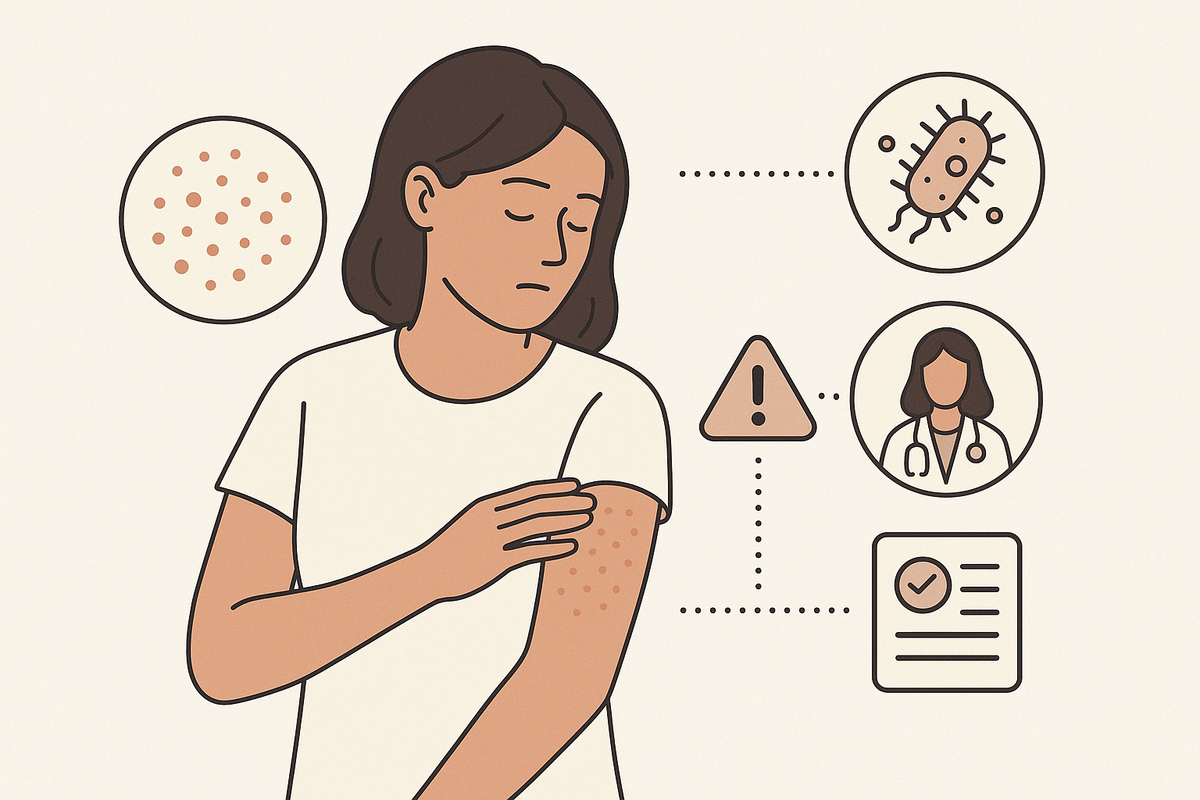
A rash with no itch, also called a non itchy rash or painless rash, refers to any visible change in the skin—such as redness, bumps, spots, or patches—that does not cause the sensation of itching. Most people associate rashes with itching, but many skin eruptions are entirely itch-free. These rashes may also lack pain or burning, making them easy to overlook.
How Non-Itchy Rashes Look
Non-itchy rashes can appear in many forms, including:
- Flat red rash, no itch – smooth, well-defined areas of redness
- Blotches or patches – irregular shapes, sometimes with lighter or darker centers
- Red or purple spots – small dots (petechiae) or larger bruises (purpura)
- Bumps or raised lesions – smooth or rough, but not tender or itchy
The size, color, and distribution of a non itchy rash can help narrow down the cause. For example, a flat red rash with no itch may suggest irritation or a viral illness, while purple, bruise-like spots may indicate bleeding under the skin.
Why Some Rashes Don’t Itch
Itching is a response triggered by certain chemicals (like histamine) in the skin. However, not all skin changes release these chemicals. Causes that do not involve allergic or histamine responses—such as blood vessel inflammation, viral replication, or medication side effects—often result in a rash that doesn’t itch.
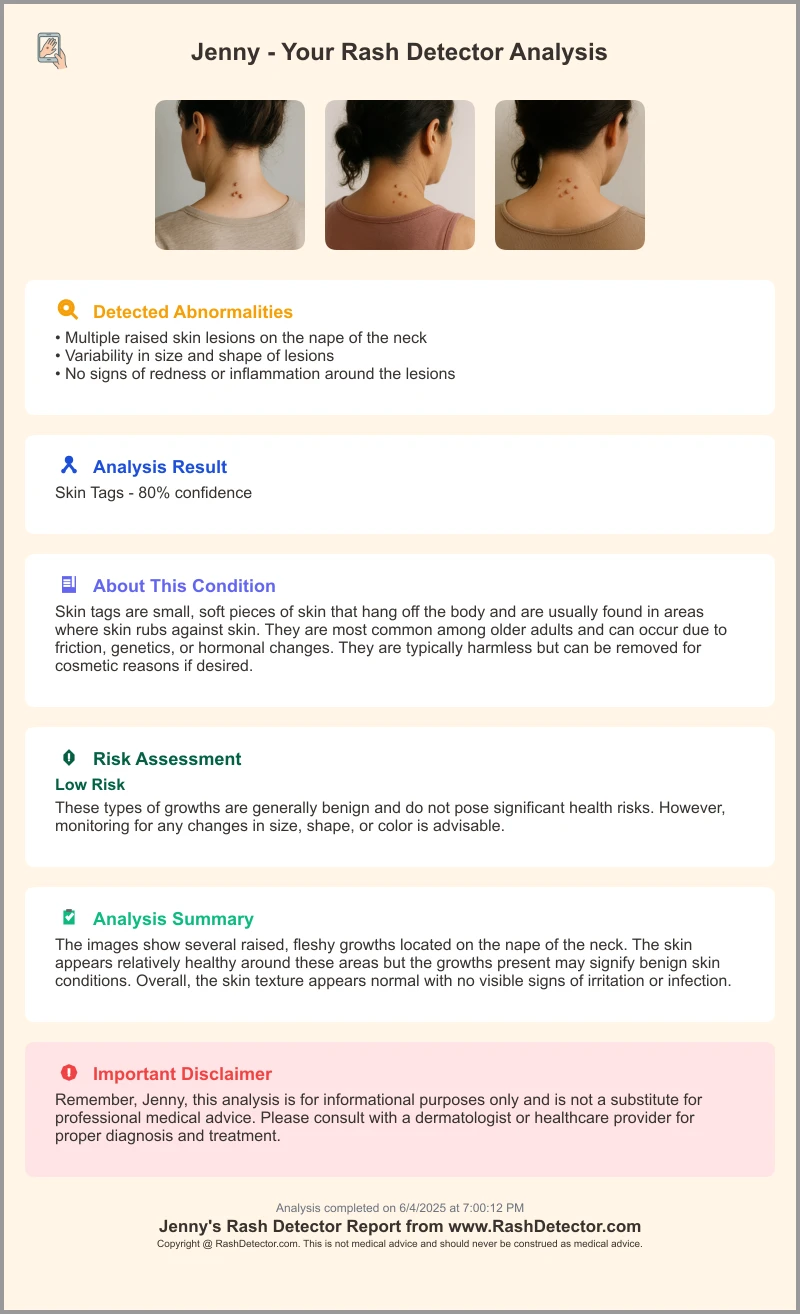
If you’re unsure about your rash, you can use a tool like Rash Detector to analyze your skin changes and get tailored guidance on possible causes.
Section 2: Common Causes of Non-Itchy Rashes
Irritant and Contact Dermatitis
Many rashes that don’t itch are caused by simple irritation of the skin. Irritant contact dermatitis occurs when something (like soap, detergent, or friction) damages the outer layer of skin. This often shows up as a flat red rash with no itch, especially on hands or areas exposed to moisture or chemicals. Unlike allergic dermatitis, there’s typically little or no itching or burning.
- Red, dry, or scaly patches
- Sometimes mild swelling, but no blisters or weeping
- Clears up after removing the trigger
Infections
Some infections can lead to painless rashes. For example:
- Viral exanthems (measles, rubella, roseola) may start as flat, non-itchy red spots
- Bacterial infections like scarlet fever may cause a sandpaper-like rash with minimal or no itch
- Fungal infections (e.g., tinea versicolor) sometimes cause painless discoloration
Other symptoms like fever, sore throat, or malaise often accompany these rashes.
Blood Vessel and Bleeding Issues
When blood vessels leak or bleed under the skin, they cause non-blanching red or purple spots (see Section 5). These rarely itch and may signal a serious underlying condition.
Medication Reactions
Some drug reactions can cause a rash that doesn’t itch. These can range from mild, flat red rashes to more severe, widespread eruptions or purplish spots. For more, see our guide on drug rash causes, symptoms, and how to identify it and rashes from medication.
Autoimmune and Systemic Illnesses
Certain systemic diseases (like lupus, vasculitis, or connective tissue disorders) can cause a rash with no itch as part of a larger set of symptoms, such as fatigue, joint pain, or fever.
Section 3: Viral Rashes That Don’t Itch
Measles (Rubeola)
Measles typically begins with fever, cough, and conjunctivitis, followed by a flat red rash with no itch that starts on the face and spreads downward. The rash may become blotchy, but itch is usually mild or absent. Koplik spots (tiny white spots in the mouth) are a clue to diagnosis.
Rubella (German Measles)
Rubella presents with a pink, non itchy rash that spreads from face to trunk. It’s often accompanied by swollen lymph nodes and mild fever. The rash fades quickly and rarely itches.
Other Viral Exanthems
- Roseola (Sixth Disease): High fever followed by a sudden, flat red rash with no itch on trunk and neck.
- Parvovirus B19 (Fifth Disease): "Slapped cheek" appearance and a lacy rash on the arms/legs, usually painless and non-itchy.
- Enteroviruses: Can cause non itchy rashes, typically in children, sometimes with mild fever or cold symptoms.
Most viral rashes are self-limited, resolving as the infection clears. However, if you or your child develop a rash with fever, consult a healthcare provider—especially if there is lethargy, breathing difficulty, or the rash spreads rapidly.
Section 4: Skin Conditions With Painless or Non-Itchy Rashes
Psoriasis
Psoriasis commonly causes thick, red, scaly plaques. While itching is frequent, some people experience a painless rash that doesn’t itch at all. These plaques can appear on the scalp, elbows, knees, or trunk and may be mistaken for eczema or fungal infections.
Non-Itchy Eczema Variants
Classic eczema (atopic dermatitis) is well known for itching, but certain variants—including nummular eczema and asteatotic eczema—sometimes present with patches that are dry, red, and non itchy. Irritant eczema, as noted earlier, may also lack itch and instead cause rough, flaky skin.
Folliculitis and Rosacea
- Folliculitis: Inflammation of hair follicles, often from bacteria or friction, can appear as red bumps or pustules with little to no itch.
- Rosacea: Persistent redness and visible blood vessels on the face are hallmark signs. Rosacea rarely itches but can cause burning or stinging sensations.
Hives Without Itch
Urticaria (hives) typically itch, but in rare cases, they may appear as transient, raised red spots or welts with no itch or pain. This can be confusing but is usually harmless unless accompanied by swelling, trouble breathing, or other symptoms of severe allergy.
Other Skin Conditions
- Lichen planus may form flat-topped, purple lesions with mild or no itch.
- Pityriasis rosea starts as a single patch, followed by a widespread rash, often with little or no itching.
If you’re uncertain about your rash, using a tool such as Rash Detector can help you compare your symptoms and get guidance on next steps.
Section 5: Bleeding Under the Skin—Petechiae, Purpura, and Non-Blanching Spots
Petechiae
Petechiae are tiny, pinhead-sized red or purple spots that don’t blanch (fade) when pressed. They result from small blood vessels bleeding under the skin. Petechiae are painless and do not itch. They may look like a rash but are actually a sign of bleeding, not inflammation.
Purpura and Ecchymoses
- Purpura: Larger, bruise-like purple or red spots, also non-blanching and painless.
- Ecchymoses: Even larger areas of bleeding, resembling regular bruises.
Causes include blood clotting disorders, certain infections (such as meningococcemia or Rocky Mountain spotted fever), some medications, and autoimmune diseases.
Why Non-Blanching Rashes Matter
A non-blanching rash (petechiae or purpura) is a medical red flag. It may indicate:
- Serious infections (e.g., meningitis, sepsis, RMSF)
- Low platelet counts or clotting problems
- Vasculitis or autoimmune disease
If you notice a sudden, non itchy rash with purple spots or bruising, especially with fever, lethargy, or severe illness, seek urgent medical attention. To learn more about medication-related bleeding rashes, see our article on drug rash treatment and solutions.
Section 6: When to Worry About a Rash With No Itch
Harmless vs. Serious Causes
Most non itchy rashes are mild and resolve on their own. Common harmless causes include mild irritant dermatitis, viral exanthems in children, or non-inflamed psoriasis patches. However, some painless rashes can signal more severe health issues.
Warning Signs to Watch For
- Fever, chills, or sweating
- Rapidly spreading rash
- Rash involving the eyes, mouth, or genitals
- Non-blanching (doesn’t fade when pressed), purple, or bruise-like spots
- Pain, swelling, or ulceration
- Breathing difficulty, facial swelling, or confusion
- Unexplained fatigue, joint pain, or other systemic symptoms
Any of these features mean you should see a doctor promptly. Children, older adults, and people with weakened immune systems are at higher risk for complications.
Home Management Tips
- Avoid irritants and harsh soaps
- Keep the area clean and dry
- Monitor for changes in size, color, or symptoms
- Use cool compresses for comfort
Remember, never self-diagnose a serious or persistent rash. For guidance on effective rash relief, see our post on smart skin rash treatments and solutions.
Always consult a doctor or dermatologist to confirm the diagnosis and discuss appropriate treatment, especially if your rash is severe, spreading, or associated with other symptoms.
Conclusion
While a rash with no itch is often harmless—caused by irritation, mild viral illnesses, or chronic skin conditions—sometimes it can signal something more serious, such as bleeding under the skin, a drug reaction, or an underlying illness. Paying close attention to the appearance, associated symptoms, and how the rash changes over time is key.
If you’re ever in doubt, or if your rash is spreading, comes with fever or bruising, or you feel unwell, seek medical evaluation promptly. Never ignore a non itchy rash that is persistent, worsening, or accompanied by systemic symptoms. For quick analysis and peace of mind, try uploading three images to Rash Detector and get instant guidance about your skin health.
FAQ
Q: What causes a rash that doesn’t itch?
A: A rash that doesn’t itch can result from irritation (like soaps or friction), viral or bacterial infections, blood vessel or bleeding issues (such as petechiae or purpura), some medication reactions, and certain skin conditions like psoriasis or non-itchy eczema. Systemic diseases and autoimmune conditions may also cause non itchy rashes.
Q: Can you have a rash without itching and still have something serious?
A: Yes. Some serious illnesses—such as meningitis, sepsis, Rocky Mountain spotted fever, or clotting disorders—may cause a non itchy rash, especially if it is non-blanching or comes with fever or other symptoms. Always seek urgent care if you notice a sudden, painless rash with bruising, purple spots, or other warning signs.
Q: What does a non-blanching rash mean?
A: A non-blanching rash means the spots do not fade when pressed. This usually indicates bleeding under the skin, as seen with petechiae or purpura. It can be a sign of serious infection, blood disorder, or vasculitis, and warrants prompt medical attention.
Q: When should I worry about a rash that is not itchy?
A: Be concerned if your rash is spreading quickly, is non-blanching or purple, comes with fever, pain, swelling, shortness of breath, or if you feel generally unwell. Seek medical care if any of these are present or if the rash does not improve with simple care.
Q: What does petechiae look like and how is it different from a rash?
A: Petechiae are tiny, flat red or purple spots (like pinpricks) that do not blanch when pressed. They are a sign of bleeding under the skin, not a rash caused by irritation or infection. Petechiae are typically painless and don’t itch, but can signal serious conditions.
Q: Can psoriasis or eczema be non-itchy?
A: Yes, while most people with psoriasis or eczema experience itching, some have patches or plaques that are painless and do not itch at all. This is especially true for certain variants of eczema and mild or early psoriasis lesions.
Important: This article is for general educational purposes only and does not provide medical advice or diagnosis. If you have a rash that is severe, spreading, painful, persistent, or associated with other symptoms, you should see a doctor or dermatologist for diagnosis and treatment.