Rash on Inner Thigh: Causes, Symptoms, and Effective Solutions
Discover causes, treatments, and prevention tips for rash on inner thigh. Learn when to see a doctor and how Rash Detector can help you get answers fast.

Estimated reading time: 15 min
Key Takeaways
- Inner thigh rashes are common and have many possible causes, from irritation to infections.
- Recognizing symptoms and triggers is key to effective management and prevention.
- Most rashes respond well to gentle care, but persistent or severe symptoms require medical attention.
- Rash Detector can help you analyze rashes quickly and guide you on next steps.
- Prevention includes good hygiene, moisture management, and addressing underlying conditions.
Table of Contents
- Section 1: Understanding Rash on Inner Thigh
- Section 2: Common Causes of Inner Thigh Rash
- Section 3: Recognizing Symptoms and Types
- Section 4: Home Care and Over-the-Counter Solutions
- Section 5: When to See a Doctor
- Section 6: Preventing Rash Between Legs
- Conclusion
- FAQ
Section 1: Understanding Rash on Inner Thigh
What Is a Rash on the Inner Thigh?
A rash on the inner thigh refers to any change in skin appearance, texture, or sensation that develops between the upper legs. Such rashes may present as redness, small or large bumps, flaking, scaling, itching, burning, or even discomfort while walking or sitting. The location—where thighs may touch or rub together—makes this area especially prone to various skin reactions. These rashes can be acute (appearing suddenly) or chronic (recurring or persisting over a longer period).
Visually, an inner thigh rash can range from flat pink or red patches to raised, scaly plaques, or even blisters and open sores. The affected area can be small (coin-sized) or spread across a wide region, sometimes extending to the groin, buttocks, or lower abdomen. The appearance can also change over time, especially if scratching or secondary infection occurs. This makes tracking the evolution of the rash important for diagnosis and treatment.
Why Are Inner Thighs Vulnerable?
- Friction: Thighs often rub together during walking, running, or exercise. This repetitive movement can damage the protective outer layer of skin (the stratum corneum), leading to irritation and increased susceptibility to infection.
- Moisture: Sweat, especially in warm or humid environments, accumulates between the legs. Tight or synthetic clothing further traps humidity, creating a damp environment where skin can break down more easily.
- Heat: High temperatures, whether from weather or exercise, can exacerbate sweating and contribute to the breakdown of skin defenses, promoting bacterial and fungal growth.
- Sensitivity: The skin of the inner thigh is often thinner and more delicate than on other parts of the body, making it more prone to irritation from soaps, fabrics, or personal care products.
Collectively, these factors make the area between the legs a hotspot for skin problems, including a red rash on thigh, persistent itching, scaling, and sometimes the development of painful blisters or ulcers. People of all ages can be affected, though certain populations (like athletes, people with obesity, or those with skin conditions) are at higher risk.
How Rash Detector Can Help
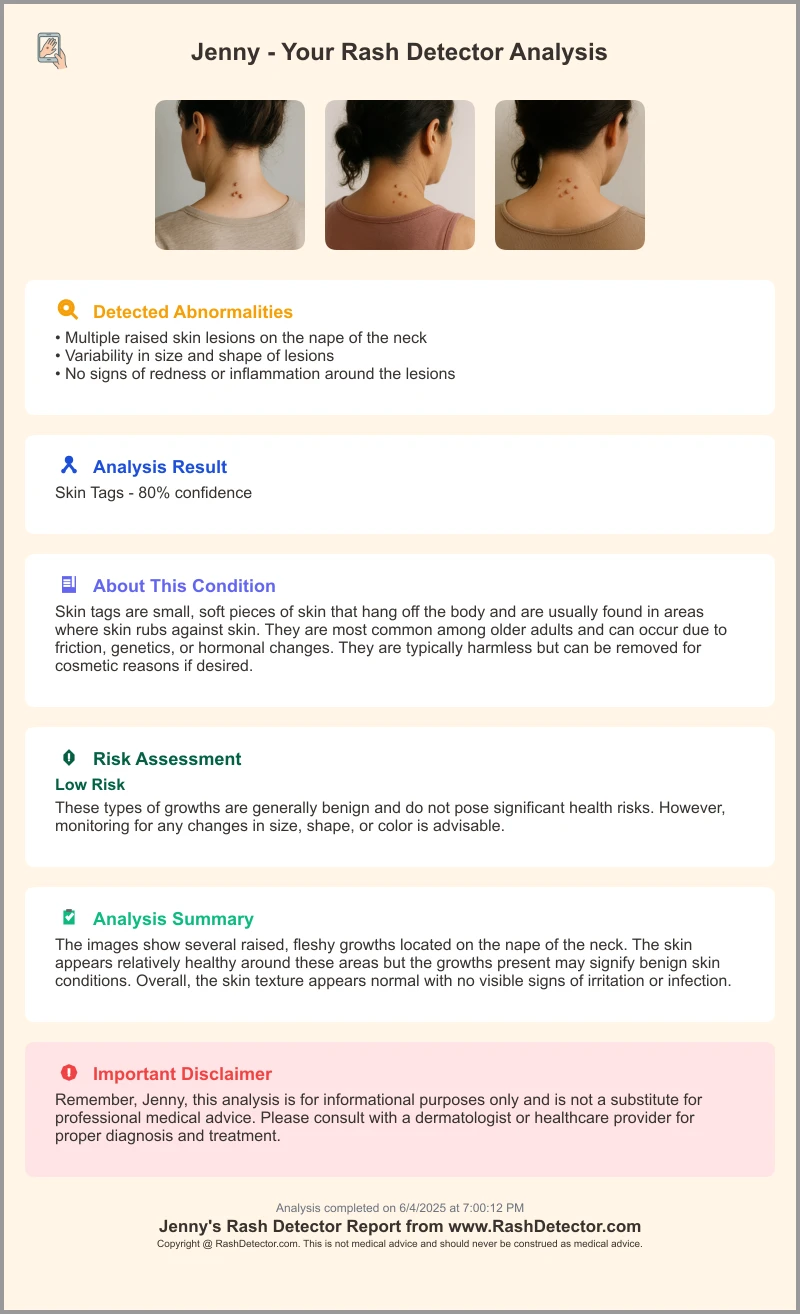
Not sure what’s causing your rash? Rash Detector allows you to upload up to three images of your skin issue and instantly receive an AI-powered analysis. The tool uses advanced image recognition to compare your skin changes with thousands of reference cases. This can provide valuable guidance on what type of rash you might have and suggest possible next steps, such as home care tips or when to seek medical attention. Rash Detector is designed to help you feel more confident in managing minor skin issues and to prompt timely medical care when needed. However, always remember: only a healthcare provider can diagnose and treat skin conditions definitively. Rash Detector is not a substitute for professional evaluation, particularly if symptoms are severe, spreading, or persistent.
Section 2: Common Causes of Inner Thigh Rash
Irritation and Chafing
One of the most frequent sources of a rash between legs is mechanical irritation. Friction from skin-on-skin contact or tight clothing (such as synthetic leggings, jeans, or athletic wear) can cause redness, soreness, and sometimes small bumps or raw patches. Over time, repeated chafing can break down the skin barrier, leaving it vulnerable to further irritation or infection.
- Who’s at risk? Athletes (especially runners and cyclists), people in hot climates, those with larger thighs, and anyone wearing tight or non-breathable clothing for extended periods.
- Symptoms: Red, raw, sometimes painful rash on the thighs, particularly after exercise or long walks. There may be stinging or burning sensations, and in severe cases, open sores or bleeding.
Chafing is especially common during summer or in humid weather, and can be exacerbated by salt from sweat, which further irritates the skin. Prevention and prompt care are key to avoiding complications.
Fungal Infections (Jock Itch)
Warm, moist environments encourage fungi like Trichophyton to multiply. Jock itch (tinea cruris) is a particularly common fungal infection that causes a red, scaly, itchy rash on the inner thigh and groin area. It can start as a small, itchy patch and expand outward, often developing a well-defined, slightly raised border that may appear scaly or have tiny bumps.
- Often has a well-defined border with central clearing, giving a ring-like appearance.
- Can spread to the groin, buttocks, and sometimes lower abdomen.
- More common in men, athletes, and those who sweat heavily or use communal showers/locker rooms.
- May be accompanied by an odor or mild peeling of the skin.
Risk factors include sharing towels, wearing damp clothes, or poor hygiene. Fungal infections are contagious and can be transmitted via skin-to-skin contact or contaminated surfaces.
Bacterial Infections
Bacteria such as Staphylococcus aureus and Streptococcus can infect hair follicles (folliculitis) or enter through minor cuts, abrasions, or areas of broken skin. Symptoms typically include redness, pain, swelling, and sometimes pus formation.
- May start as small, tender red bumps (pustules) clustered around hair follicles.
- Bumps can grow, merge, or develop into deeper abscesses or boils.
- Severe cases may be accompanied by fever, especially if infection spreads.
- Bacterial infections can quickly become serious if left untreated, especially in people with weakened immune systems or diabetes.
Prompt cleaning and medical care are important for suspected bacterial infections to prevent complications.
Allergic Reactions & Contact Dermatitis
Exposure to soaps, detergents, deodorants, fabrics, or personal hygiene products can trigger contact dermatitis. This rash develops where the offending substance touches the thighs and may appear within hours or days after exposure.
- Common triggers: Scented soaps, harsh laundry detergents, latex in underwear or athletic wear, synthetic or tight fabrics, and certain body sprays.
- Rash typically presents as itchy, red, sometimes blistered or swollen skin.
- Symptoms usually improve after removing or discontinuing the irritant.
- In some cases, chronic exposure can cause the skin to thicken and become leathery (lichenification).
Contact dermatitis is not contagious. Identifying and avoiding triggers is key to long-term management.
Heat Rash (Miliaria)
Blocked sweat ducts can cause tiny, itchy bumps and redness, especially in hot, humid weather. Heat rash (miliaria) is common among athletes, children, and those living in tropical climates. It occurs when sweat gets trapped under the skin, leading to inflammation and small, sometimes fluid-filled bumps.
- Most common in infants, but adults can get it too—especially after intense exercise or if bedridden.
- Typically presents as clusters of pink, clear, or white bumps, sometimes with mild tenderness.
- Usually resolves once the skin cools and dries; rarely requires medication unless infected.
- Can be prevented by keeping the skin cool, dry, and wearing loose clothing.
For more prevention tips, see How to Prevent Heat Rash: Practical Tips for Every Season.
Other Causes
Less common causes of inner thigh rash include:
- Eczema (atopic dermatitis): Chronic, itchy, dry skin that may flare on the inner thighs, especially in people with allergies or asthma.
- Psoriasis: Thick, silvery scales and red patches that may affect the inner thighs, especially in skin folds (inverse psoriasis).
- Intertrigo: Inflammation where skin folds rub together, often complicated by bacterial or fungal infection.
- Sexually transmitted infections (STIs): Some, such as herpes or molluscum contagiosum, can cause rashes or bumps in the groin and inner thigh area. These often have additional symptoms such as pain, ulcers, or discharge.
Because symptoms can overlap, accurate diagnosis is important for appropriate treatment. When in doubt, consult a healthcare provider.
Section 3: Recognizing Symptoms and Types
Visual Characteristics
The appearance of a rash on thighs can give clues to the underlying cause. Careful observation—possibly aided by tools like Rash Detector—can help narrow down the possibilities:
- Flat red patches: Common with irritation, heat rash, or allergic reactions. These may have poorly defined edges and can feel warm or tender.
- Raised, scaly borders: Suggestive of fungal infections like jock itch. The border may be more pronounced than the center, sometimes with mild peeling or scaling.
- Pustules or blisters: May indicate bacterial infection (such as folliculitis) or allergic/contact dermatitis. Blisters may rupture and ooze clear or yellowish fluid.
- Crusting or oozing: Possible sign of secondary infection, eczema, or severe dermatitis. Crusting can develop over scratched or open areas.
- Thickened, darkened skin: May occur in chronic cases, especially if there has been repeated irritation or scratching (lichenification).
Tracking these changes with photos can help your healthcare provider assess the evolution of the rash and determine the best course of action.
Common Symptoms
Regardless of the cause, inner thigh rash usually brings one or more of the following:
- Itching: Ranges from mild to severe and can disrupt sleep or daily activities. Persistent scratching may worsen the rash or lead to infection.
- Burning or stinging: Especially with chafing, allergic reactions, or when sweat accumulates in irritated skin.
- Discomfort with movement: Friction may worsen pain and redness, making walking, running, or even sitting uncomfortable.
- Spread: Some rashes, especially infectious ones (fungal or bacterial), may expand to adjacent skin, including the groin, buttocks, or lower abdomen.
- Odor: Fungal or bacterial infections can sometimes produce an unpleasant smell.
- Dryness or flaking: Eczema or healing rashes may leave the skin dry, scaly, or flaky.
When Is It More Than a Simple Rash?
While most inner thigh rashes are mild and self-limited, it’s important to watch for red flags that suggest a more serious problem requiring prompt medical attention:
- Fever, chills, or feeling unwell—may indicate a spreading infection.
- Rapidly spreading redness or swelling, especially if associated with pain or heat.
- Painful, deep blisters or open sores, which can be signs of severe infection or an underlying systemic condition.
- Failure to improve after a few days of gentle care or if the rash worsens despite treatment.
- Signs of tissue breakdown, such as ulceration or blackening of the skin.
If you experience any of these, see a healthcare provider promptly. Early intervention can prevent complications and speed up recovery.
Section 4: Home Care and Over-the-Counter Solutions
Initial Steps at Home
If you develop a rash on inner thigh, basic self-care can often bring relief and prevent complications. Here are step-by-step recommendations:
- Keep the area clean and dry: Gently wash with lukewarm water and a mild, fragrance-free soap. Pat the area dry with a soft towel—avoid rubbing, which can further irritate the skin.
- Avoid scratching: Scratching not only worsens irritation but can introduce bacteria, leading to secondary infection. If itching is severe, use a cool, damp cloth to soothe the area.
- Wear loose, breathable clothing: Opt for cotton underwear and loose-fitting pants or skirts. Avoid tight jeans or synthetic fabrics, which can trap heat and moisture.
- Use a cool compress: Apply for 10-15 minutes at a time to reduce itching and inflammation. Do not use ice directly on the skin; wrap it in a clean cloth.
- Air out the area: When possible, allow the inner thighs to be exposed to air. This helps reduce moisture and speeds healing.
These steps can often resolve mild rashes, especially if started early.
Over-the-Counter Remedies
Depending on the cause and symptoms, several OTC options may help. Always read labels and follow package instructions:
- Antifungal creams: For jock itch and other fungal rashes, look for clotrimazole or terbinafine. Apply twice daily for at least 2-4 weeks, even after symptoms improve, to prevent recurrence.
- Hydrocortisone cream (1%): Can reduce redness and itching from irritation, eczema, or allergies. Use sparingly (once or twice daily) for up to 1 week unless directed by a physician.
- Barrier ointments: Zinc oxide or petroleum jelly can protect against further chafing and lock out moisture. Apply before exercise or any activity likely to cause friction.
- Antihistamines: Oral (e.g., cetirizine or diphenhydramine) or topical antihistamines can help calm allergic itching. Oral forms may cause drowsiness—use with caution.
- Powders: Cornstarch-based or medicated powders (like those containing miconazole) can help keep the area dry and reduce friction.
Explore more about topical solutions in our post on Best Anti Itch Cream: Top Picks and How to Choose.
Monitor your skin for improvement. Most mild rashes begin to resolve within a few days of consistent care.
What to Avoid
- Harsh soaps or scrubs, which can strip natural oils and worsen irritation.
- Fragranced lotions or creams, as these often contain alcohol or additives that may trigger allergic reactions.
- Tight or non-breathable clothing that increases sweating and friction.
- Home remedies that may irritate (like vinegar, undiluted essential oils, or baking soda), unless recommended by a healthcare professional.
- Overuse of steroid creams, which can thin the skin if used excessively or for prolonged periods without supervision.
Note: If you have severe, spreading, or painful symptoms—or if the rash does not improve after a week of home care—see a doctor or dermatologist for a proper diagnosis and treatment. This is especially important for people with underlying health conditions or compromised immune systems.
Section 5: When to See a Doctor
Signs of a More Serious Problem
While most inner thigh rashes are harmless and self-limited, certain signs require professional evaluation to rule out infection, allergic reactions, or underlying diseases:
- Rapid spread of redness or swelling: May indicate cellulitis, a potentially serious skin infection that can spread quickly.
- Severe pain, fever, or chills: Suggests systemic involvement or deep tissue infection.
- Large blisters, open sores, or pus: May be signs of a severe bacterial infection, herpes, or other serious conditions.
- Failure to improve after 7-10 days: Persistent rashes should be evaluated for underlying causes or resistant infections.
- Signs of skin infection: Including increasing warmth, tenderness, swelling, yellow or green discharge, or a foul odor.
- Recurrent rashes: Frequent or chronic rashes may indicate an underlying skin condition, allergy, or immune problem requiring specialized management.
Special Situations
- Diabetes or weakened immune system: People in these groups are at increased risk for skin infections and may have atypical symptoms. Prompt evaluation is important to avoid complications.
- Infants and elderly adults: Delicate skin and less effective immune responses mean rashes can worsen rapidly. These populations should be seen by a provider sooner rather than later.
- Medication reactions: If a rash develops after starting a new medication, stop the medication if safe to do so and contact your provider immediately. Some drug reactions can be life-threatening (e.g., Stevens-Johnson syndrome).
- For more on drug reactions, see Drug Rash Treatment: Effective Solutions for Skin Reactions.
What to Expect from a Medical Visit
Your doctor or dermatologist will typically:
- Take a detailed history, including recent activities, exposures, medications, and personal or family history of skin problems.
- Carefully examine the rash, possibly using a dermatoscope or magnification.
- Order skin scrapings, cultures, or swabs if an infection is suspected. In some cases, a small biopsy may be performed to rule out autoimmune or chronic skin conditions.
- Prescribe stronger topical or oral medications, such as antifungals, antibiotics, or corticosteroids, tailored to the diagnosis.
- Provide guidance on ongoing skin care, prevention of recurrence, and when to follow up.
Remember, only a medical professional can make a definitive diagnosis and recommend appropriate treatment. For any concerning, severe, or persistent rash between legs, don’t delay seeking care. Prompt intervention can often prevent more serious complications and speed recovery.
Section 6: Preventing Rash Between Legs
Daily Habits for Healthy Skin
Many rashes on the inner thigh can be prevented with simple lifestyle adjustments and daily routines:
- Shower after exercise: Sweat and bacteria accumulate in skin folds during physical activity. Showering promptly helps remove these irritants.
- Pat skin dry—don’t rub: Use a soft towel and gently pat the skin dry, especially between folds. Rubbing can cause microtears and increase irritation.
- Apply powder or moisture-wicking products: If you’re prone to sweating, use a non-irritating powder (such as cornstarch-based or medicated powder) to keep skin dry. There are also moisture-wicking gels or creams designed to reduce friction.
- Choose loose, breathable clothing: Natural fibers like cotton and bamboo allow moisture to evaporate, while synthetic fabrics may trap heat and sweat. Avoid wearing the same workout clothes for extended periods.
- Use fragrance-free detergents and soaps: Scented products can leave residue on clothing or skin, increasing the risk of allergic reactions. Choose hypoallergenic brands when possible.
- Change out of wet clothes quickly: Prolonged dampness, whether from sweat or swimming, increases the risk of fungal or bacterial growth.
Managing Chafing and Friction
Friction is a major cause of inner thigh rashes, but can be minimized with some practical steps:
- Wear thigh bands or anti-chafing shorts: Specially designed bands or shorts (often made of soft, stretchy fabric) create a barrier between thighs during exercise or hot weather.
- Apply a thin layer of petroleum jelly or barrier ointment: Before engaging in activities like running, cycling, or hiking, apply a thin layer to areas prone to friction. This reduces direct skin-to-skin contact and helps prevent irritation.
- Maintain a healthy weight: Excess weight can lead to deeper skin folds and increased friction points. Even modest weight loss can reduce the risk of chafing-related rashes.
- Stay hydrated: Well-hydrated skin is more resilient and less prone to damage from friction or dryness.
Addressing Underlying Conditions
If you have chronic skin issues (such as eczema, psoriasis, or allergies), it’s important to work with your doctor to develop a personalized skin care plan. Managing flares with prescribed medications, moisturizers, and lifestyle modifications can significantly reduce your risk of developing secondary rashes from irritation or infection. Keep a symptom diary to identify possible triggers and share this information with your healthcare provider at follow-up visits.
For additional tips on managing and treating rashes, see our comprehensive guide to Skin Rash Treatment: Effective Solutions and Smart Tools.
Conclusion
A rash on inner thigh is a common and often frustrating problem, but understanding its causes and care options empowers you to take action. Most rashes between legs improve with gentle hygiene, moisture management, and over-the-counter treatments, but persistent or severe symptoms always warrant a professional evaluation. The Rash Detector app can provide helpful analysis when you’re unsure, but it’s not a substitute for seeing a doctor—especially if your rash is painful, spreading, or not improving. Take care of your skin, listen to your body, and don’t hesitate to seek expert help when needed.
FAQ
Q: What causes a rash on the inner thigh?
A: Common causes include chafing, fungal infections (like jock itch), bacterial infections, allergic reactions, and heat rash. Identifying triggers is key to effective treatment. Less common causes include eczema, psoriasis, intertrigo, and certain sexually transmitted infections. It’s important to consider your health history, recent activities, and any new products you may have used.
Q: How can I tell if my inner thigh rash is fungal or something else?
A: Fungal rashes (e.g., jock itch) often have a red, scaly border and intense itching, usually in the groin and upper thigh. They may spread outward in a ring or half-ring pattern, sometimes with central clearing. Bacterial rashes tend to form pustules or abscesses, while allergic rashes are often itchy, red, and may blister. If you’re unsure, consult a healthcare provider or use Rash Detector to help guide your next steps, but always seek medical care for severe or persistent symptoms.
Q: Are inner thigh rashes contagious?
A: Some, like fungal or bacterial infections, can spread through close contact or shared clothing, towels, or sports equipment. Irritant or allergic rashes are not contagious, but good hygiene is still important to prevent secondary infection. Avoid sharing personal items if you have an active rash.
Q: When should I see a doctor for a rash between my legs?
A: Seek medical care for severe pain, swelling, pus, fever, spreading rash, or if symptoms don’t improve with home care after a week. For infants, elderly, or anyone with a weakened immune system, see a provider sooner. Also consult a provider if you notice blackening skin, large ulcers, or if you have a history of chronic skin disease that’s not responding to usual treatments.
Q: Can I prevent rashes on my thighs?
A: Yes! Practice good hygiene, keep the area dry, wear breathable fabrics, and address any underlying skin conditions. Using powders or barrier creams can help reduce friction and moisture buildup. Shower after exercise, change out of damp clothes quickly, and use gentle, fragrance-free products whenever possible.
Important: This information is for educational purposes only and should not be used to diagnose or treat any medical condition. Always see a doctor or dermatologist for a definitive diagnosis and treatment, especially if symptoms are severe, spreading, painful, or persistent.