Groin Rash: Causes, Symptoms, Treatments, and Prevention Guide
Comprehensive guide to groin rash: causes, symptoms, treatments, prevention, and when to see a doctor. Learn about jock itch, sweat rash, and more.

Estimated reading time: 13 min
Key Takeaways
- Groin rash is common and often caused by fungal infections like jock itch (tinea cruris).
- Symptoms include itching, redness, and a ring-shaped rash in the groin area or between the legs.
- Treatments range from antifungal creams to lifestyle changes; maintaining dryness is key.
- Other causes include contact dermatitis, STIs, eczema, and hair removal irritation.
- See a doctor for severe, spreading, or persistent rashes to rule out serious conditions.
Table of Contents
- Section 1: Understanding Groin Rash and Its Causes
- Section 2: Jock Itch – The Most Common Groin Rash
- Section 3: Other Infections and Skin Conditions
- Section 4: Irritants, Allergies, and Lifestyle Factors
- Section 5: Treatment Options for Groin Rash
- Section 6: Preventing Groin Rash and Promoting Skin Health
- Conclusion
- FAQ
Section 1: Understanding Groin Rash and Its Causes
What Is a Groin Rash?
A groin rash refers to redness, irritation, or bumps that develop in the crease between the thighs and genitals. Commonly called a "rash between legs" or "rash in the groin area," it can affect anyone, regardless of age or gender. Groin rashes can cause discomfort, embarrassment, and sometimes pain—making quick identification and treatment important.
The appearance of a groin rash can vary widely depending on the cause. Some people may notice only mild redness and itching, while others develop pronounced swelling, blistering, or scaling. In children, diaper rash is a common form of groin irritation, while adults may be more prone to friction-related or infectious rashes. Recognizing the hallmark features of different rash types is the first step toward effective management.
Why Does a Groin Rash Occur?
The groin is prone to rashes because it is a warm, moist area where skin folds trap sweat and friction is common. These conditions create an environment where infections and irritation can develop. Several factors contribute to a rash in the groin area, including:
- Fungal or yeast overgrowth (e.g., jock itch)
- Bacterial infections
- Allergic reactions to soaps, detergents, or fabrics
- Prolonged moisture from sweat or urine
- Mechanical irritation from tight clothing or shaving
Each of these causes can create a slightly different rash. For instance, fungal infections often cause symmetrical, ring-shaped rashes, while contact dermatitis leads to patchy redness or blisters in the area exposed to an irritant. Excessive sweating—such as during hot weather or exercise—increases the risk for all types of groin rash, particularly in people with larger body size or those who wear restrictive clothing. Athletes, people working in hot climates, and individuals with certain medical conditions (like diabetes or immune compromise) may be at greater risk.
Types of Groin Rash
While jock itch is a recognized cause, other conditions such as intertrigo, contact dermatitis, eczema, and sexually transmitted infections can also trigger a rash between the legs. Understanding the type of rash is important for selecting the right treatment and preventing recurrence.
For example, intertrigo results from friction and moisture in skin folds and often affects people who are overweight or bedbound. Eczema and psoriasis may cause chronic, recurring rashes with thickening or scaling. Sexually transmitted infections (STIs) can cause ulcers, blisters, or warty growths. Each requires a different treatment approach.
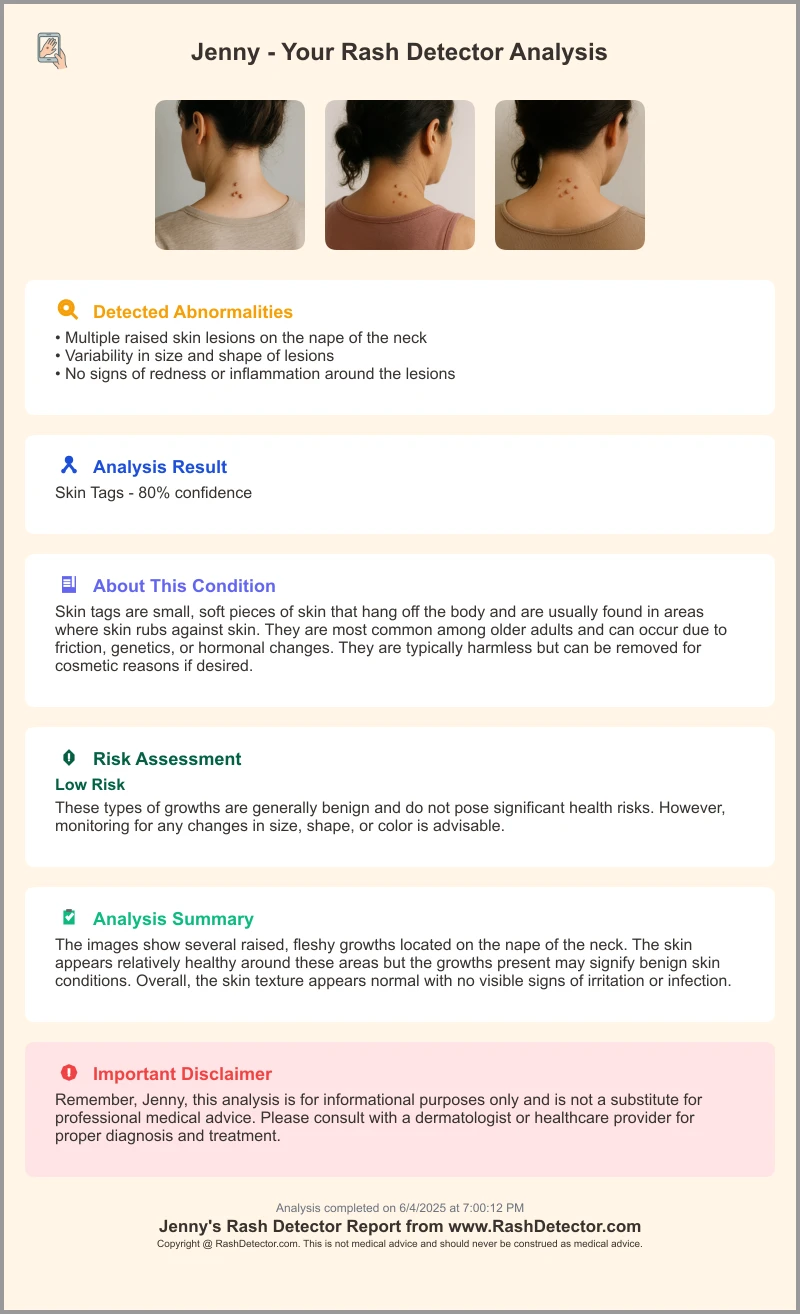
For those unsure about their symptoms, apps like Rash Detector allow you to upload images for AI-powered analysis, which may help you get clarity on possible causes before seeing a doctor. This can guide whether home treatment is appropriate or if you should seek prompt medical attention.
Section 2: Jock Itch – The Most Common Groin Rash
What Is Jock Itch (Tinea Cruris)?
Jock itch, medically known as tinea cruris, is a fungal infection caused by dermatophytes—organisms that feed on keratin in the skin. It thrives in warm, moist environments, making the groin area particularly vulnerable. Jock itch can spread through direct skin contact or sharing towels and clothing, and is more common among athletes, men, and anyone prone to heavy sweating.
While the name "jock itch" suggests an association with athletes, the condition can affect anyone. The fungi responsible (often Trichophyton rubrum) can be picked up in communal showers, gyms, or from contaminated clothing. People who already have athlete’s foot (tinea pedis) may be at higher risk because the same fungus can be transferred from the feet to the groin by scratching or when putting on underwear.
Symptoms and Visual Appearance
- Itching and burning sensation in the inner thighs, genitals, or buttocks
- Red, raised, scaly patches with a distinct border
- Ring-shaped rash often with central clearing
- Peeling, flaking, or cracking skin
The rash often begins as a red or brownish patch that expands outward, sometimes developing small blisters at the edges. It rarely affects the scrotum or penis directly but can extend across the groin crease and onto the upper thigh. In some cases, the border of the rash may be slightly elevated, and the center appears lighter in color due to clearing as the infection spreads outward. Sometimes, the rash may be accompanied by mild swelling or a raw, sore feeling, especially after exercise.
Jock itch is more commonly reported in men, but women can also get jock itch, particularly after intense physical activity or in hot, humid climates. People with underlying medical conditions that impair immune function (such as diabetes or HIV) may be at risk for more severe or persistent infections.
Risk Factors for Jock Itch
- Frequent sweating or wearing tight, non-breathable clothing
- Sharing towels, gym equipment, or personal hygiene products
- Having athlete's foot (the same fungi can spread to the groin)
- Obesity (due to increased skin folds and sweating)
Other notable risk factors include living in warm or humid climates, participating in contact sports, and infrequent changing of underwear or athletic gear. Those who use communal showers (e.g. at gyms or pools) should use sandals and avoid sitting on shared benches without a towel.
Jock itch often responds to over-the-counter antifungal creams, but recurrence can occur if preventive steps aren’t taken. Fungi can survive on damp towels and clothing, so laundering items in hot water and thoroughly drying them is important. For more on managing itch, see our guide on best anti itch creams.
Section 3: Other Infections and Skin Conditions
Fungal and Yeast Infections
Besides jock itch, other fungal infections like candidiasis can cause a sweat rash between legs. Candidiasis, caused by Candida yeast, is more likely in people with diabetes, those on antibiotics, or individuals with weakened immune systems. Symptoms include red, moist, itchy patches, sometimes with a white cottage cheese-like discharge. Unlike jock itch, which often has a well-defined border, candidal rashes are more likely to appear as raw, red, and sometimes shiny areas with satellite pustules (small red bumps or pustules just beyond the main rash).
Yeast rashes may also involve the buttocks, perineum, or lower abdomen. Women may experience vaginal yeast infections alongside groin candidiasis, presenting as itching, burning, and abnormal discharge.
Bacterial Infections
Less commonly, bacteria such as Staphylococcus aureus or Streptococcus species can infect irritated or broken skin in the groin. These infections may result from scratching, shaving, or pre-existing skin conditions. Signs include:
- Pustules (pus-filled bumps) or boils
- Oozing, yellowish crusting
- Red streaks or swelling extending from the rash
- Fever, chills, or feeling unwell (systemic symptoms)
Bacterial infections require prompt medical attention to prevent spreading or complications such as cellulitis. If you notice rapidly worsening redness, swelling, pain, or systemic signs, see a healthcare provider immediately.
Sexually Transmitted Infections (STIs)
- Herpes simplex virus: Painful blisters or ulcers in the genital region
- Syphilis: Firm, painless ulcers followed by a body-wide rash
- Human papillomavirus (HPV): Genital warts
It’s important to note that not all rashes in the groin area are sexually transmitted, but if you notice new sores, blisters, or persistent symptoms after sexual activity, consult a healthcare provider for evaluation. Herpes lesions start as grouped vesicles that rupture to form shallow, tender ulcers. Syphilis may first present as a solitary, painless ulcer, later spreading to a generalized body rash. HPV-associated lesions tend to be painless, flesh-colored, and may cluster in the genital folds. STIs often require specific prescription medications and may have long-term health consequences if untreated.
Chronic Skin Conditions
- Eczema: Dry, itchy, inflamed skin that may affect the groin. Eczema patches in this region are often less scaly due to moisture but can become thickened and darkened from chronic scratching.
- Psoriasis: Red, scaly plaques that can occur in skin folds (inverse psoriasis). In the groin, psoriasis may lose its classic scale and appear as smooth, shiny, and well-demarcated red patches.
- Intertrigo: Inflammation from skin-to-skin friction, often worsened by moisture and secondary infection. Intertrigo often presents as a red, raw rash in the skin folds, and may be complicated by bacterial or fungal superinfection.
Chronic conditions may require prescription treatments and ongoing management. If you have a history of skin issues or rashes that don’t improve, consider reading our post on effective skin rash treatments. For persistent or severe rashes, a dermatologist can help tailor therapy and identify any underlying issues.
Section 4: Irritants, Allergies, and Lifestyle Factors
Contact Dermatitis and Allergic Reactions
Sometimes, a groin rash is an allergic or irritant reaction—known as contact dermatitis—triggered by exposure to soaps, laundry detergents, condom materials (like latex), or fragrances. Symptoms include redness, swelling, blistering, and intense itching.
- Patchy, red rash that follows the pattern of the irritant or allergen
- Burning or stinging sensation
Identifying and avoiding the offending substance is important for healing and prevention. For example, if a new detergent or body wash coincides with rash onset, switching to a hypoallergenic, fragrance-free alternative can help. Allergic contact dermatitis can develop after repeated exposure—even to previously tolerated products. In some cases, patch testing by a dermatologist may be needed to pinpoint the trigger.
Hair Removal and Razor Burn
- Shaving or waxing the groin area can lead to razor burn, ingrown hairs, and folliculitis (inflamed hair follicles).
- Symptoms include small red bumps, tenderness, and sometimes pus-filled lesions.
- Using a clean razor, shaving in the direction of hair growth, and moisturizing can reduce risk.
For some, switching to gentle hair removal methods or avoiding shaving altogether may be best to prevent recurring irritation. Consider electric trimmers or depilatory creams labeled for sensitive skin (always patch test first). After hair removal, applying a fragrance-free moisturizer or aloe vera gel can soothe the skin. If folliculitis occurs frequently, a dermatologist might suggest topical antibiotics or antiseptics.
Friction, Sweat, and Clothing Choices
- Tight underwear or synthetic fabrics trap moisture and heat, increasing risk for sweat rash between legs.
- Skin folds rubbing together (chafing) can create raw, painful areas prone to infection.
- Opt for loose, breathable, cotton underwear and change out of sweaty clothes promptly.
Practical adjustments—like using moisture-absorbing powders or barrier creams—are often effective for those who experience rashes after exercise or during hot weather. Barrier creams (such as zinc oxide or petroleum jelly) can be especially helpful for people who walk or run long distances, as they reduce friction and protect the skin from breakdown. During hot, humid months, carrying an extra change of underwear and using talc-free powders can make a significant difference. For more prevention tips, see our article on preventing heat rash.
In addition, those with larger body sizes or mobility limitations should pay particular attention to skin care in the groin and thigh areas, as skin folds increase the likelihood of moisture buildup, friction, and subsequent irritation or infection.
Section 5: Treatment Options for Groin Rash
Antifungal Treatments
Many cases of jock itch and fungal groin rashes respond well to over-the-counter (OTC) antifungal creams, sprays, or powders. Common active ingredients include:
- Clotrimazole
- Miconazole
- Terbinafine
Apply these as directed, usually twice daily for 2–4 weeks. Continue for several days after the rash clears to help prevent recurrence. Consistency is important—stopping treatment early can lead to relapse. For larger or hard-to-reach areas, sprays or powders might be easier to apply. If the rash does not improve after four weeks or worsens, it’s time to consult a healthcare provider.
Prescription-strength topical or oral antifungals may be needed for severe or recurrent cases. Oral medications such as terbinafine or fluconazole are sometimes used for persistent infections or when topical treatments fail, but these require medical supervision.
Other Topical Treatments
- For contact dermatitis: Use fragrance-free moisturizers and, if needed, mild hydrocortisone cream (avoid long-term use without medical supervision).
- For bacterial infection: Prescription antibiotics may be required.
- For chronic skin conditions: Physicians may prescribe steroid creams, calcineurin inhibitors, or other targeted therapies.
Hydrocortisone and other topical steroids can reduce redness and itching in inflammatory rashes but should be used sparingly in the groin area as the skin here is thin and more prone to side effects. Infections (fungal or bacterial) can worsen if steroids are used without an accurate diagnosis, so it’s important not to self-treat persistent or worsening rashes without medical input.
Home Remedies and Supportive Care
- Keep the area clean and dry; wash with gentle soap and water
- Change underwear daily and after sweating
- Apply cool compresses to relieve itching
- Consider barrier creams (like zinc oxide) for chafing
Never use harsh chemicals, perfumed products, or hot water on irritated skin. If itching is severe, over-the-counter oral antihistamines may provide temporary relief. Oatmeal baths or calamine lotion can also soothe irritation, especially if the rash is itchy or inflamed. For individuals prone to friction or sweating, applying a thin layer of petroleum jelly or a hypoallergenic powder to the inner thighs before physical activity can help prevent flare-ups.
When to Seek Medical Advice
- The rash is severe, spreading, bleeding, or shows no improvement after a week of home treatment
- You develop blisters, ulcers, or systemic symptoms (fever, chills)
- There is significant pain or suspected STI risk
For guidance on drug-related rashes, see our post on drug rash treatments.
Note: Always consult a doctor or dermatologist for diagnosis and treatment, especially for persistent or severe symptoms. Early medical attention helps prevent complications, ensures correct treatment, and reduces risk of spreading infectious causes to others. Never ignore rapidly worsening rashes or those associated with pain, fever, or blisters.
Section 6: Preventing Groin Rash and Promoting Skin Health
Daily Habits and Hygiene
- Shower daily and after exercise, using mild, fragrance-free cleansers
- Thoroughly dry the groin area with a clean towel
- Wear loose, moisture-wicking underwear made of natural fibers
- Rotate shoes and socks to prevent athlete’s foot (which can spread to the groin)
After showering, pay special attention to drying the groin and inner thigh area, as even small amounts of trapped moisture can promote fungal growth. For those who perspire heavily, consider carrying a spare pair of underwear to change into during the day, especially after physical activity. Avoid using scented soaps or body washes, as these can irritate sensitive skin and predispose to contact dermatitis.
Clothing and Environmental Tips
- Avoid tight jeans, synthetic leggings, or non-breathable athletic gear
- Change out of wet or sweaty clothing promptly
- Use powders or moisture-absorbing products in skin folds if prone to sweating
Choose underwear with a cotton gusset or opt for brands marketed as "moisture-wicking" or "breathable." Avoid sitting in damp workout clothes after exercise; bring a change of clothes to the gym or pool. In hot or humid climates, consider using a fan or air conditioning to keep the skin cool and dry.
Managing Risk Factors
- Maintain a healthy weight to reduce skin fold friction
- Avoid sharing towels, linens, or personal hygiene items
- If you have athlete’s foot, treat it promptly to prevent spreading fungi to the groin
- For sensitive skin, choose unscented detergents and avoid fabric softeners
If you live with others, wash personal items like towels and underwear in hot water and avoid sharing them. For people with chronic or recurrent rashes, regular self-exams help catch early signs before the rash becomes severe. If overweight, gradual weight loss can help reduce skin fold friction and rash frequency.
Self-Examination and Tech Tools
Regular self-exams help you catch changes early. To perform a self-exam, stand in front of a mirror and check for new rashes, sores, or color changes in the groin, thighs, and buttocks. Look for symmetry, borders, scaling, or blistering. For step-by-step guidance, visit our skin self-exam guide. If you’re unsure about your rash, Rash Detector offers instant AI analysis—just upload 3 images for a detailed report. This can provide helpful information on what type of rash you might have and what next steps to take—but remember, only a doctor can give a definitive diagnosis or prescribe treatment.
Conclusion
A groin rash—whether it’s a sweat rash between legs, jock itch, or another irritation—can be uncomfortable but is often manageable with proper care. Recognizing symptoms, practicing good hygiene, and using the right topical treatments are important. Remember, not all groin rashes are infections or STIs; allergies, shaving, and chronic skin conditions can also play a role. If symptoms persist or worsen, consult a healthcare provider for an accurate diagnosis and tailored treatment. For fast, AI-powered guidance, try uploading photos to Rash Detector.
While many groin rashes respond to home care and over-the-counter treatments, it’s essential to stay alert for signs that require medical attention—such as severe pain, spreading redness, blistering, or systemic symptoms like fever. Early intervention can help prevent complications and reduce the risk of recurrence. Maintaining daily hygiene, choosing breathable clothing, and being mindful of skin sensitivities are your best defenses. For persistent or recurrent cases, a dermatologist can help identify underlying causes and provide advanced management options. Above all, do not hesitate to seek professional help for any rash that is severe, persistent, or accompanied by other concerning symptoms.
FAQ
Q: Is a groin rash always an STD?
A: No, most groin rashes are not sexually transmitted. Common causes include fungal infections (like jock itch), irritation, allergies, and chronic skin conditions. However, some STIs can cause genital rashes, so see a doctor for persistent or unusual symptoms.
Q: What does jock itch rash look like?
A: Jock itch typically appears as a red, itchy, ring-shaped rash with a well-defined border. It often affects the inner thighs and groin folds, sometimes with scaling or blistering at the edges.
Q: How do I get rid of a rash in my groin area?
A: Treatment depends on the cause. Many fungal rashes respond to OTC antifungal creams. Keep the area clean, dry, and avoid irritants. Seek medical advice if the rash is severe, persistent, or worsening.
Q: Can shaving cause a rash in the groin?
A: Yes, shaving can cause razor burn, irritation, or ingrown hairs, leading to a red, bumpy rash. Use clean razors, shave gently, and moisturize the skin to reduce risk.
Q: What are the home remedies for groin rash?
A: Home care includes washing with mild soap, keeping the area dry, wearing loose clothing, and applying cool compresses. For fungal rashes, antifungal creams are often recommended. Avoid harsh chemicals and fragrances.
Q: Is groin rash contagious and how do I prevent spreading it?
A: Some groin rashes, like jock itch, can be contagious. Prevent spreading by not sharing towels, keeping the area clean and dry, and treating athlete’s foot promptly. Practice good hygiene and avoid close contact until healed.
Always consult a doctor or dermatologist for diagnosis and treatment, especially for severe, spreading, painful, or persistent symptoms.