Zinc Deficiency Symptoms on Skin: Rash, Signs & What to Know
Learn how zinc deficiency symptoms appear on the skin, including rashes and related vitamin deficiency skin issues. Recognize signs and get expert guidance.

Estimated reading time: 14 min
Key Takeaways
- Zinc deficiency can cause a range of skin symptoms, including rashes and delayed healing.
- Nutritional deficiencies, including zinc and other vitamins, may present as distinct skin changes.
- Recognizing zinc deficiency rash and related vitamin deficiency skin issues helps guide next steps.
- Professional diagnosis is crucial — see a healthcare provider for persistent, severe, or spreading symptoms.
- Apps like Rash Detector can help analyze rashes and guide you toward appropriate care.
Table of Contents
- Section 1: Understanding Zinc Deficiency and Skin Health
- Section 2: Zinc Deficiency Symptoms on Skin
- Section 3: Zinc Deficiency Rash – Appearance and Common Locations
- Section 4: Nutritional Deficiency Rash vs. Other Causes
- Section 5: Vitamin Deficiency Skin Symptoms – Beyond Zinc
- Section 6: Diagnosing and Managing Zinc Deficiency Skin Issues
- Conclusion
- FAQ
Section 1: Understanding Zinc Deficiency and Skin Health
What is Zinc and Why Is It Important?
Zinc is a trace mineral essential for over 300 enzyme reactions in the body. It's vital for immune function, DNA synthesis, cell division, and wound healing. The skin, as our largest organ, relies on adequate zinc levels to maintain its structure and function.
- Cell Growth: Zinc supports the renewal of skin cells and helps prevent cellular damage.
- Immune Defense: It bolsters the skin's barrier against bacteria, viruses, and irritants.
- Repair and Healing: Zinc accelerates wound healing and limits inflammation.
On a microscopic level, zinc is involved in the synthesis of proteins and DNA, which are building blocks for new cells. It also regulates apoptosis (programmed cell death), an essential process in skin renewal and repair. Zinc's antioxidant properties help to combat oxidative stress, further protecting skin cells from environmental damage.
Without enough zinc, the skin’s ability to produce collagen and maintain its integrity is compromised. Collagen is a key structural protein that provides firmness and elasticity. Adequate zinc also helps regulate oil production, which can impact conditions like acne or seborrheic dermatitis.
How Common Is Zinc Deficiency?
While severe zinc deficiency is rare in developed countries, mild to moderate deficiency can occur due to poor diet, digestive disorders, or certain chronic illnesses. Groups at higher risk include:
- Vegetarians and vegans (plant-based diets may lack bioavailable zinc)
- People with gastrointestinal diseases (e.g., Crohn’s, celiac disease)
- Pregnant or breastfeeding women
- Infants and young children
- Elderly individuals
The bioavailability of zinc from plant-based foods is lower because compounds like phytates (found in whole grains and legumes) can inhibit zinc absorption. For people with chronic digestive disorders, such as inflammatory bowel disease, absorption of zinc through the small intestine can be reduced. Pregnant and breastfeeding women have higher zinc requirements, as do growing children and teens. In older adults, factors like reduced appetite, medications, and chronic illness can contribute to lower zinc intake or absorption.
The Skin as a Window to Nutritional Health
The skin often shows the earliest signs of nutritional deficiencies, including not only zinc but other essential vitamins and minerals. Noticing changes — such as unusual rashes, slow wound healing, or increased infections — can provide early clues to underlying health issues.
For example, cracked skin at the corners of the mouth (angular cheilitis) may be linked to riboflavin or zinc deficiency. Bleeding gums may point toward vitamin C deficiency. Infections like impetigo or fungal skin infections can become more frequent in the context of nutritional deficits, as the skin's immune defenses are weakened.
Apps like Rash Detector can help you identify and document skin changes for discussion with your healthcare provider.
Section 2: Zinc Deficiency Symptoms on Skin
Key Skin Signs of Zinc Deficiency
Zinc deficiency symptoms on skin tend to be distinctive, though they can sometimes resemble other skin conditions. Key symptoms include:
- Zinc Deficiency Rash: Red, scaly, sometimes blistering rash, often around the mouth, eyes, or genitals.
- Delayed Wound Healing: Cuts and scrapes take longer to heal or may easily become infected.
- Cracked or Dry Skin: Especially on the hands and around body orifices.
- Periorificial Dermatitis: Rash around the mouth, nose, eyes, and anus.
- Scaly, Eczematous Plaques: Thickened patches of itchy, inflamed skin.
Some people notice the skin becomes more fragile and prone to fissures, particularly in areas that flex or are frequently washed. In infants, diaper area involvement is common, and the rash may be mistaken for severe diaper dermatitis.
How Quickly Do Symptoms Develop?
Symptoms of zinc deficiency skin issues can develop over weeks to months, depending on the severity and underlying cause. Acute deficiencies (such as in rare genetic disorders) may present rapidly, while milder deficiencies develop more slowly.
For example, in inherited forms like acrodermatitis enteropathica, infants may develop symptoms within weeks of weaning from breast milk. In adults, gradual dietary insufficiency or malabsorption may lead to skin signs only after months of low zinc intake. If zinc loss is due to chronic diarrhea or kidney problems, symptoms may progress more quickly.
Other Systemic Clues
Often, skin symptoms are accompanied by other signs of zinc deficiency, including:
- Hair loss (alopecia), especially in patches or generalized thinning
- Frequent infections, such as colds, respiratory infections, or skin infections
- Poor appetite, sometimes leading to weight loss
- Impaired taste (hypogeusia) or smell (hyposmia)
Other possible symptoms include diarrhea, irritability, night blindness, and changes in nail appearance (such as white spots or ridging). The combination of skin and systemic clues can help differentiate zinc deficiency from other conditions.
If you notice a combination of these symptoms, it may point toward an underlying nutritional deficiency rash, warranting a medical evaluation.
Section 3: Zinc Deficiency Rash – Appearance and Common Locations
What Does a Zinc Deficiency Rash Look Like?
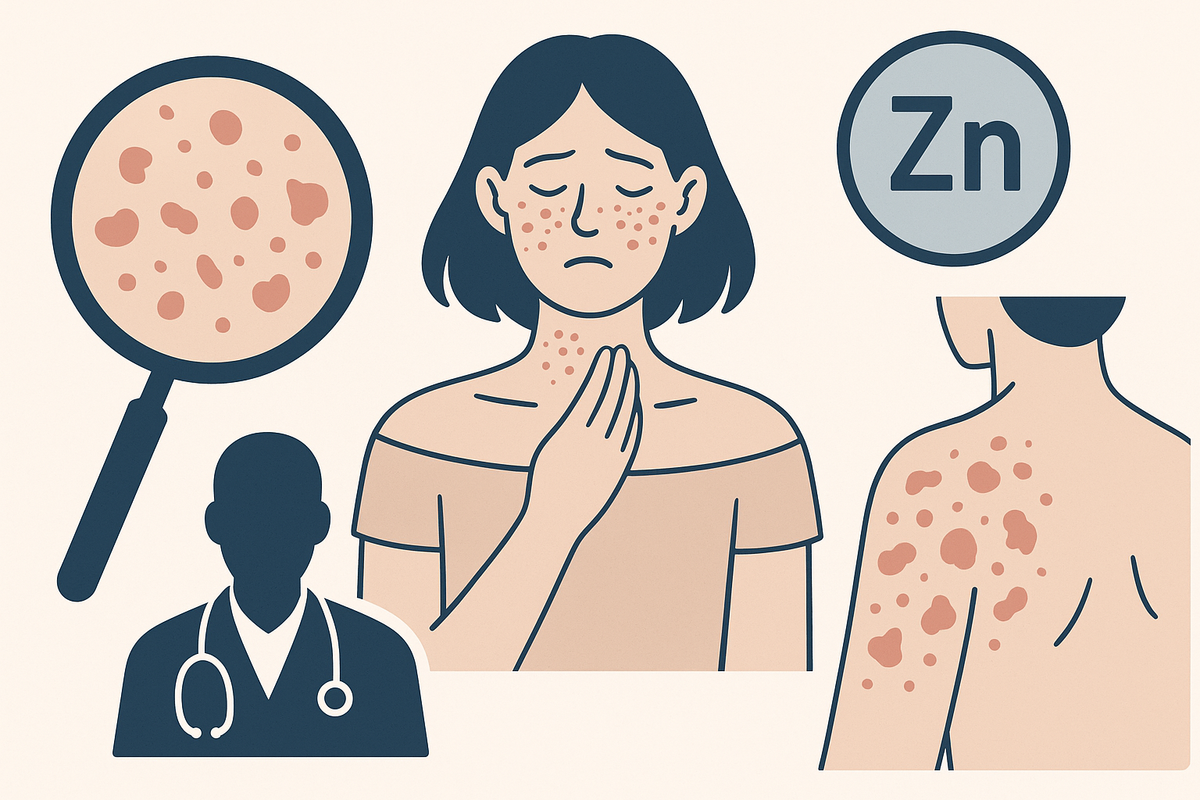
The classical zinc deficiency rash, also called acrodermatitis enteropathica when inherited, is:
- Red and inflamed, often with well-defined edges
- Scaly or crusted, sometimes with oozing or cracking
- Sometimes blistered or eroded, especially in severe or prolonged cases
- Itchy or painful, causing discomfort and sometimes interfering with sleep
The rash may begin as small, red bumps that merge into larger plaques. In advanced cases, erosions and secondary infections (bacterial or fungal) can complicate the appearance, making the skin moist and tender. In infants, the rash often starts in the diaper area and spreads to the mouth, fingers, or toes. In adults, the rash may be more subtle but typically follows a similar pattern.
Where Does the Rash Usually Appear?
Typical locations for a zinc deficiency rash include:
- Around the mouth (perioral), eyes (periocular), and nose
- Genital and anal areas (perineal, perianal), especially in infants and young children
- Hands (dorsal surfaces, between fingers), feet (toes, heels), and sometimes the scalp or neck
The rash often appears symmetrically and can spread if the deficiency is not corrected. In severe cases, involvement of multiple body sites at the same time is common. In adults, the rash may be less dramatic but still tends to involve areas subject to friction, moisture, or contact with irritants.
How Is It Different from Other Skin Rashes?
While the zinc deficiency rash has some characteristic features, it can be mistaken for eczema, psoriasis, or even allergic reactions. The key clues are the distribution (around orifices and extremities), failure to respond to typical treatments, and accompanying signs of nutritional deficiency. For example, eczema may affect the flexural areas (like elbows and knees), while psoriasis often appears on the scalp and extensor surfaces. Zinc deficiency rash, on the other hand, classically clusters around body openings and in the groin, with a tendency to be symmetrical.
If you are uncertain, using a skin analysis tool like Rash Detector can help you capture and track the rash’s development for your healthcare provider. The app also allows you to compare your rash to similar cases, helping to rule out other common conditions such as fungal infections, contact dermatitis, or impetigo.
Remember: If your rash is spreading quickly, is very painful, or is associated with fever or systemic symptoms (like lethargy), seek urgent medical attention.
Section 4: Nutritional Deficiency Rash vs. Other Causes
What Makes a Rash a "Nutritional Deficiency Rash"?
Nutritional deficiency rashes arise when the skin lacks the nutrients it needs to function and repair itself. Besides zinc, deficiencies in vitamins like B3 (niacin), B2 (riboflavin), C, and essential fatty acids can cause distinctive rashes.
- Pellagra (Niacin Deficiency): Symmetrical, sun-exposed skin rashes with scaling and hyperpigmentation. Pellagra also features the "three Ds": dermatitis, diarrhea, and dementia. The rash is typically dark, thickened, and may be mistaken for a burn.
- Scurvy (Vitamin C Deficiency): Easy bruising, petechiae (tiny red or purple spots), swollen gums, and poor wound healing. Skin may feel rough or bumpy due to follicular hyperkeratosis.
- Essential Fatty Acid Deficiency: Dry, scaly, eczema-like rash, especially in infants. The skin may appear shiny or peel easily, and hair may become thin or brittle.
These rashes usually develop gradually. For example, in pellagra, the rash worsens with sun exposure and is often bilateral on the hands, forearms, neck, or face. In scurvy, skin bruising and bleeding may be mistaken for trauma or blood disorders.
How Do Nutritional Deficiency Rashes Differ from Allergic or Drug Rashes?
Nutritional deficiency rashes often develop slowly and may not improve with typical anti-itch creams or allergy medications. They may also be accompanied by other symptoms like hair loss, mouth sores, or fatigue. For instance, an allergic rash (like urticaria or hives) is usually sudden in onset, intensely itchy, and may resolve quickly with antihistamines or corticosteroids. Drug rashes can present with a wide range of appearances—maculopapular, urticarial, or blistering—but usually have a clear history of medication exposure.
If you’re interested in how drug rashes differ, see our guide on drug rash causes, symptoms, and how to identify them.
Common Misdiagnoses and Overlap
Doctors sometimes mistake nutritional deficiency rashes for eczema, psoriasis, fungal infections, or allergic dermatitis. For example, zinc deficiency in infants is sometimes misdiagnosed as persistent diaper rash, and niacin deficiency rash may be confused with sunburn or lupus. Fungal infections may be suspected if the rash is moist and in body folds, leading to incorrect treatments.
A careful history, examination, and sometimes lab tests are needed to pinpoint the cause. A nutritional deficiency rash is more likely if the rash is chronic, fails to respond to standard treatments, and is accompanied by other deficiency symptoms. If your rash is persistent, severe, or involves other symptoms, consult a dermatologist for accurate diagnosis and treatment.
Section 5: Vitamin Deficiency Skin Symptoms – Beyond Zinc
Other Vitamin Deficiencies Affecting the Skin
While zinc deficiency skin symptoms are distinctive, other vitamin deficiencies can also leave their mark on the skin. Recognizing these patterns can help distinguish between different underlying causes:
- Vitamin A Deficiency: Causes dry, rough skin (xerosis), and follicular hyperkeratosis—tiny, hard bumps on the arms, thighs, or buttocks. Severe deficiency can lead to night blindness and increased susceptibility to infections.
- Vitamin B2 (Riboflavin): Results in cracked lips, angular cheilitis (painful fissures at the corners of the mouth), and a red, greasy scaling rash around the nose and mouth. The tongue may appear swollen and magenta-colored.
- Vitamin B3 (Niacin): Pellagra features a symmetrical, dark, scaly rash on sun-exposed areas, as well as oral inflammation and, in advanced cases, neurological symptoms.
- Vitamin B7 (Biotin): Causes a red, scaly rash around the eyes, nose, and mouth, as well as thinning hair and brittle nails. Deficiency can occur in people who consume large amounts of raw egg whites or have rare genetic disorders.
- Vitamin C: Leads to easy bruising, petechiae, poor wound healing, and corkscrew-shaped body hairs. Bleeding gums and tooth loss can occur in advanced cases.
- Vitamin D: While not typically causing a rash, deficiency may worsen eczema, psoriasis, or other inflammatory skin conditions due to its role in immune regulation.
It's important to note that multiple deficiencies can coexist, especially in people with malnutrition, chronic alcoholism, or severe eating disorders. This can result in overlapping symptoms that are difficult to distinguish without laboratory testing.
When to Suspect a Vitamin Deficiency Skin Rash
Consider a vitamin deficiency if you have:
- Dietary restrictions (vegan, vegetarian, severely restricted caloric intake, or poorly planned weight loss diets)
- Chronic digestive or absorption problems (celiac disease, Crohn's disease, chronic pancreatitis, bariatric surgery)
- Multiple skin symptoms or slow healing (persistent rashes, wounds that don’t close, frequent infections)
- Other systemic symptoms (fatigue, mouth sores, hair loss, brittle nails, unexplained weakness)
Children, the elderly, and people with mental health conditions such as eating disorders are especially at risk. Populations in areas with limited food variety or food insecurity may also be more likely to develop multiple deficiencies.
Getting Professional Help
Because many vitamin deficiency skin symptoms overlap, a doctor’s assessment, sometimes with blood tests, is the best way to determine which deficiency is present. For example, blood levels of zinc, vitamin B12, folate, iron, and other nutrients can help clarify the diagnosis. In some cases, a skin biopsy may be performed if the diagnosis is unclear or to rule out other causes.
Never self-diagnose or start supplements without professional guidance, as excess zinc or vitamins can cause their own problems. For example, too much zinc can interfere with copper absorption and lead to additional health issues, while overuse of vitamin A or D can be toxic. Your healthcare provider will recommend the appropriate dose and monitor your progress.
Section 6: Diagnosing and Managing Zinc Deficiency Skin Issues
How Is Zinc Deficiency Diagnosed?
Diagnosis is based on a combination of clinical suspicion, medical history, physical examination, and sometimes laboratory tests. Steps include:
- History: Dietary habits, digestive health, family history of inherited zinc disorders, and history of recent illnesses or surgeries.
- Physical Exam: Distribution and character of skin lesions, signs of other deficiencies (such as hair loss or oral changes), and assessment of the severity and extent of the rash.
- Laboratory Testing: Blood zinc levels, though these can sometimes be unreliable due to fluctuations related to meals, time of day, or inflammation. Testing for other deficiencies (copper, iron, vitamins) and markers of inflammation or malabsorption may also be performed.
In some cases, a "therapeutic trial" of zinc supplementation may be used to see if symptoms improve, especially if the diagnosis cannot be confirmed by laboratory tests alone. This is more common in children or resource-limited settings.
Treatment Approaches
- Addressing Diet: Increase intake of zinc-rich foods such as red meat, shellfish (especially oysters), poultry, dairy, nuts, seeds (pumpkin seeds, sesame), legumes (chickpeas, lentils, beans), and whole grains. Soaking or fermenting beans and grains can improve zinc absorption by reducing phytate content.
- Supplementation: Under medical supervision, oral zinc supplements (such as zinc sulfate, gluconate, or acetate) may be prescribed. The dose and duration depend on age, severity, and underlying cause. Supplements should be taken as directed to avoid nausea or interfering with absorption of other minerals.
- Managing Skin Symptoms: Moisturizers, gentle cleansers, and wound care may help, but treating the underlying deficiency is crucial. Avoid harsh soaps or topical steroids unless prescribed, as they may worsen skin barrier damage in deficiency rashes. Infected areas may require topical or oral antibiotics.
- Monitoring for Improvement: Skin symptoms often begin to improve within days to weeks of correcting the deficiency, but full healing may take longer if the rash was severe or secondary infections occurred. Regular follow-up with your healthcare provider is important to ensure resolution and to monitor for recurrence.
For individuals with inherited zinc absorption disorders, lifelong supplementation and close monitoring are usually needed. In acquired deficiency, addressing the underlying cause (such as treating digestive disease or improving diet) is key to preventing recurrence.
Using Technology to Track and Monitor Rashes
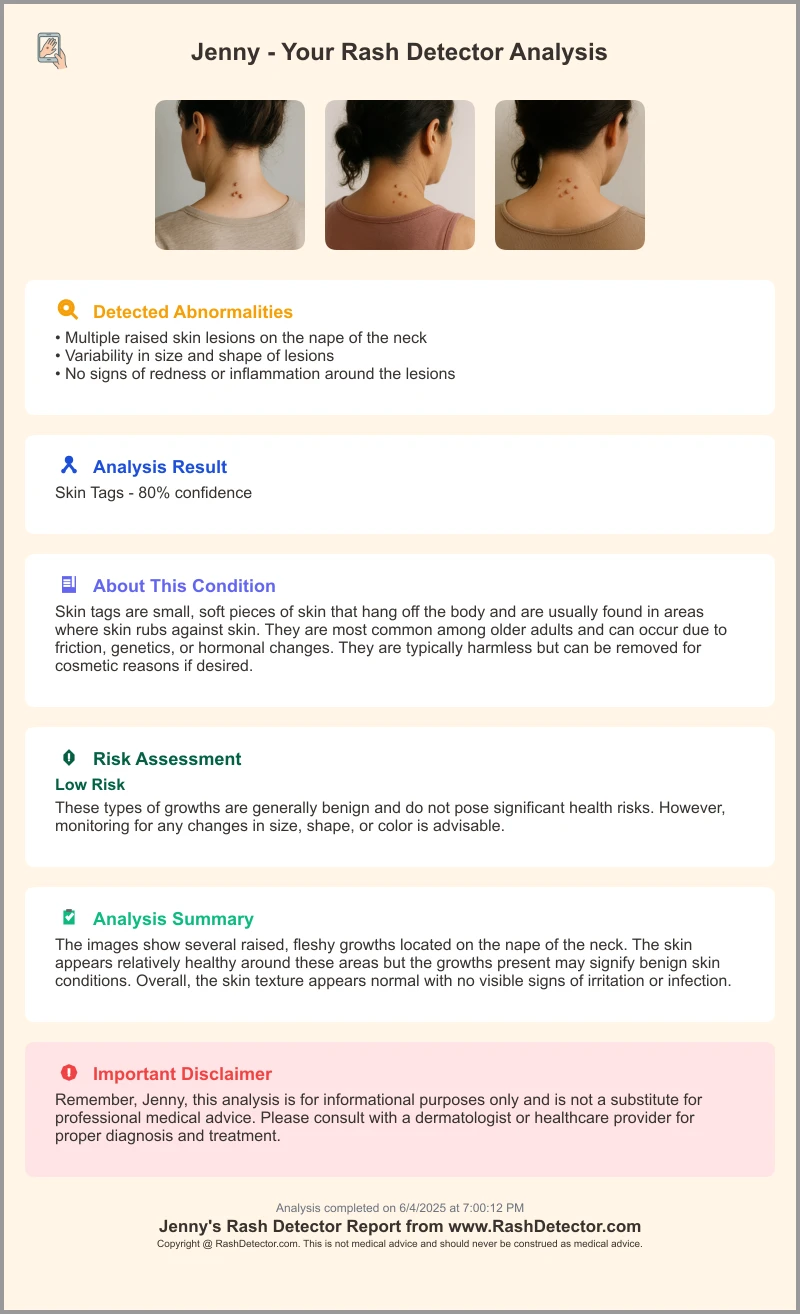
Capturing images of your rash over time helps both you and your provider see how it’s changing. The Rash Detector app lets you upload up to three images and get instant analysis, which can be helpful for tracking your progress or sharing with your doctor. You can also add notes about symptoms such as itching, pain, or changes in color and size, creating a timeline for your provider to review. The app can help detect patterns—such as whether the rash worsens with certain foods, medications, or activities.
For more tips on managing skin symptoms, check out our post on skin rash treatment and smart tools.
Important: Always consult a healthcare professional for diagnosis and treatment. Severe, spreading, painful, or persistent rashes require prompt medical attention. Rash Detector and similar apps are tools to supplement, not replace, professional medical evaluation.
Conclusion
Zinc deficiency symptoms on skin can be an early warning sign of nutritional problems. Recognizing the characteristic zinc deficiency rash — especially around the mouth, eyes, and genitals — and understanding related vitamin deficiency skin issues can help you know when to seek help. While topical treatments may provide some relief, addressing the underlying deficiency is essential for lasting improvement.
Nutritional deficiencies can affect multiple body systems, but the skin often provides the first clue. If you notice persistent changes in your skin, especially when accompanied by other symptoms or if you fall into a higher risk group, it’s important to act quickly. Early recognition and intervention can prevent complications and improve your overall health.
Remember, only a healthcare provider can diagnose and treat zinc deficiency and distinguish it from other causes of skin rashes. If you notice a persistent or unusual rash, or other signs of nutritional deficiency, use tools like Rash Detector to document your symptoms and consult a professional as soon as possible. Do not delay seeking help for severe, spreading, or painful rashes.
FAQ
Q: What is the most common zinc deficiency skin symptom?
A: The most typical skin symptom is a red, scaly rash around the mouth, eyes, and genitals. The rash can be itchy, painful, or crusted, and is often accompanied by delayed wound healing.
Q: Can a zinc deficiency rash be mistaken for eczema or psoriasis?
A: Yes, the rash can resemble eczema, psoriasis, or allergic reactions. Key differences include the location (around body openings), failure to improve with standard creams, and accompanying nutritional symptoms.
Q: How quickly does skin improve after treating zinc deficiency?
A: Skin symptoms often begin to improve within days to weeks of correcting the deficiency, but full recovery may take longer, depending on severity.
Q: Should I use topical creams for a zinc deficiency rash?
A: While moisturizers and gentle care can help, lasting improvement requires addressing the underlying deficiency. Always see a doctor for diagnosis and treatment.
Q: Can apps really help with rash diagnosis?
A: Apps like Rash Detector provide instant analysis and help you document and track rashes, but they do not replace professional medical advice. Use them as a supplement to, not a substitute for, a healthcare provider’s evaluation.