Causes of Rashes from Laundry Detergent: Complete Guide
Discover the causes of rashes from laundry detergent, symptoms, prevention tips, and how to tell if your rash is from detergent or another skin issue.

Estimated reading time: 15 min
Key Takeaways
- Laundry detergents can contribute to skin rashes, mainly through contact dermatitis—either allergic or irritant.
- Common triggers include fragrances, dyes, preservatives, enzymes, and surfactants in detergents.
- Detergent residue, overuse, and poor rinsing may increase the risk of skin irritation for children and adults.
- It's important to differentiate detergent rashes from eczema, heat rash, fungal infections, and other conditions.
- Use fragrance-free detergents and extra rinses to help prevent rashes; consult a doctor for persistent or severe symptoms.
Table of Contents
- Section 1: What Causes Skin Rashes?
- Section 2: Contact Dermatitis from Laundry Detergent
- Section 3: Key Laundry Detergent Ingredients That Trigger Rashes
- Section 4: How Residue and Laundry Habits Worsen Skin Irritation
- Section 5: Identifying Detergent Rashes vs. Other Skin Conditions
- Section 6: Prevention and Treatment of Detergent Rashes
- Conclusion
- FAQ
Section 1: What Causes Skin Rashes?
Overview of Common Rash Triggers
Skin rashes are a common problem, affecting people of all ages and backgrounds. Understanding what causes skin rashes is essential for finding the right treatment and prevention strategies. The skin, as the body’s largest organ, acts as a barrier against irritants, pathogens, and allergens. However, this barrier can be compromised or overwhelmed by a range of triggers, leading to visible rashes and discomfort. The most frequent causes include:
- Contact dermatitis: A reaction when the skin touches an irritant or allergen, such as laundry detergent. This is one of the most prevalent causes of rashes in both children and adults. Even short-term exposure can provoke symptoms, especially in people with sensitive skin or existing conditions like eczema.
- Heat rash: Also known as prickly heat, this develops when sweat ducts become blocked in hot, humid weather. It’s particularly common in babies, athletes, and people who sweat heavily. The rash often appears as small, red bumps or blisters in skin folds or areas where clothing traps heat.
- Fungal skin rash: Infections like athlete’s foot or ringworm caused by fungi thriving in warm, moist environments. These rashes can be itchy, scaly, and sometimes ring-shaped, and often spread if not properly treated.
- Allergic reaction rash: Hives or other eruptions caused by the immune system’s response to allergens. These can appear suddenly after exposure to foods, medications, or environmental triggers like pollen or pet dander.
- Drug rash: Skin reactions triggered by medications, ranging from mild redness to severe blistering. New medications are a common culprit, and reactions can develop after days or even weeks of use.
- Diabetes skin rash: People with diabetes may develop specific rashes related to high blood sugar or poor circulation. These can include conditions such as diabetic dermopathy or necrobiosis lipoidica diabeticorum, which often appear as brownish patches or shiny, raised areas on the skin.
- Stress rash: Emotional stress can provoke hives or other rashes in sensitive individuals. These are often transient and may flare up in response to anxiety, major life changes, or acute stressors.
How Laundry Detergent Fits In
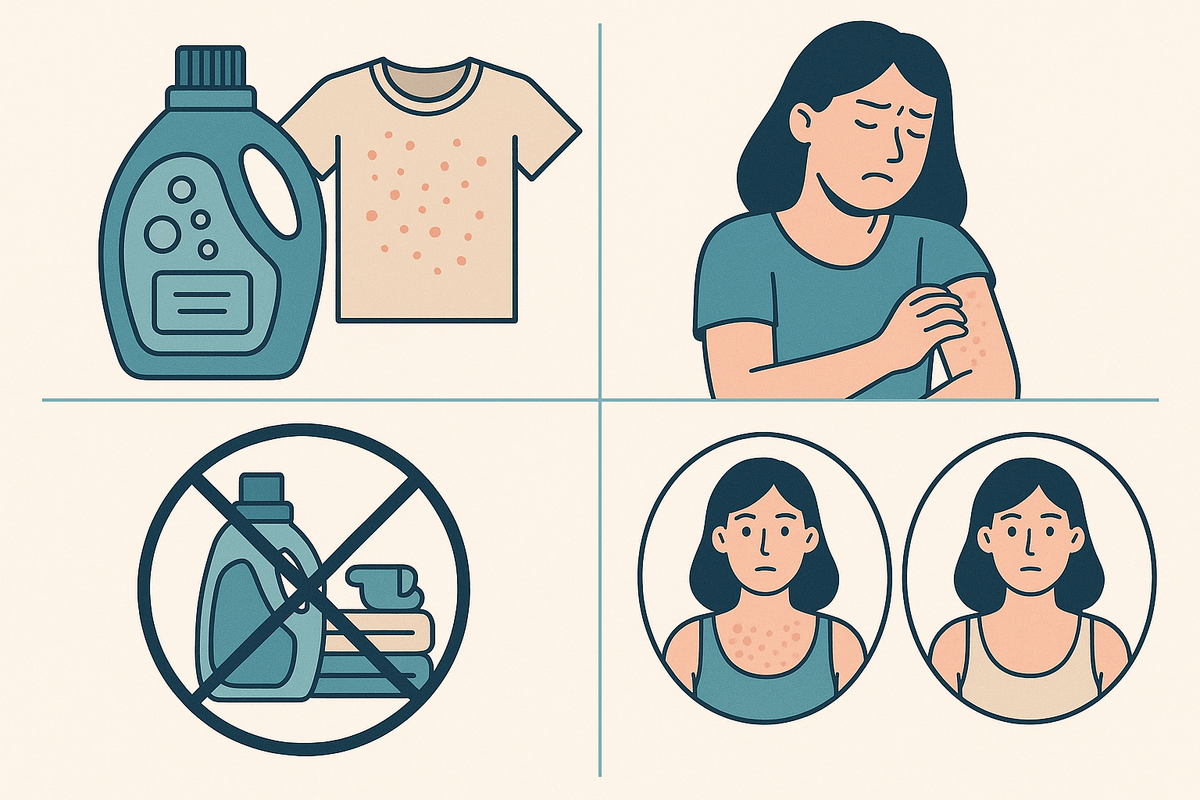
Of all these triggers, contact dermatitis is the main connection to laundry detergent. This reaction can occur when your skin comes in contact with clothes or linens that retain detergent residue, leading to irritation or an allergic reaction. Both allergic and irritant contact dermatitis can be triggered by laundry products. For example, someone sensitive to fragrances may develop a rash after wearing a freshly washed shirt, while another person might react to surfactants or preservatives with repeated exposure. It’s important to distinguish this from other rash types, as treatment and prevention will differ substantially. The distribution of the rash—such as where clothing rubs or sweat collects—can also offer clues that point toward detergent as the culprit.
When to Seek Medical Advice
Some rashes can be managed at home, but others require medical attention. See a doctor or dermatologist if your rash is severe, spreading, painful, blisters, or does not improve within a few days. This is especially important if you notice systemic symptoms such as fever, difficulty breathing, or facial swelling. Rash Detector can help you analyze and track your rash, but only a healthcare provider can provide a definitive diagnosis and treatment plan. Never ignore rashes that become infected, ooze pus, or are associated with other symptoms like joint pain or mouth ulcers, as these may indicate more serious conditions.
Section 2: Contact Dermatitis from Laundry Detergent
Contact Dermatitis: Irritant vs. Allergic
Contact dermatitis is a common skin reaction to laundry detergent, divided into two types:
- Irritant contact dermatitis: Occurs when an ingredient physically damages the skin barrier. Everyone can be affected, especially with repeated exposure. For example, using too much detergent or failing to rinse clothes thoroughly can leave irritant chemicals in fabric, which then disrupt the protective oils and proteins in your skin. Symptoms often develop gradually, with dryness and redness progressing to more severe irritation if exposure continues.
- Allergic contact dermatitis: Happens when the immune system overreacts to a specific ingredient, like a fragrance or preservative. Only sensitized individuals react. This means that you may wear the same detergent for years before suddenly developing a reaction. Once sensitized, even small amounts of the offending ingredient can provoke a rash, often within 24–48 hours of contact.
Both forms can produce similar symptoms: redness, itching, burning, sometimes swelling or blisters where the skin touched detergent residue. The primary difference is the underlying mechanism—direct chemical irritation versus immune-mediated allergy. A patch test by a dermatologist can help determine which form you have.
How Detergent Rashes Develop
After washing clothes, small amounts of detergent can remain in the fibers, especially if too much is used or rinsing is inadequate. When these clothes touch your skin—especially areas that sweat or rub (waistbands, armpits, necklines)—they can trigger contact dermatitis. Babies, children, and people with sensitive skin are particularly vulnerable. For example, a baby’s onesie or a sports uniform may hold onto more residue if washed in a full load or with excess detergent. The warm, moist environment under clothing amplifies the effect, making the skin more permeable and reactive to residual chemicals.
It’s also worth noting that detergent rashes may not appear immediately. In some cases, the skin becomes gradually more irritated over days or weeks, with the first signs being subtle dryness or itching. As exposure continues, the rash can escalate into more noticeable redness, swelling, or even blistering. People who sweat heavily, such as athletes or those working in hot conditions, may see more severe symptoms due to increased absorption of irritants through damp skin.
Symptoms of Detergent-Related Contact Dermatitis
- Red, itchy patches or hives, often with a defined border corresponding to clothing lines.
- Burning or stinging sensations that may worsen with heat or sweating.
- Dry, flaky, or cracked skin, particularly in areas with repeated friction (e.g., waistband, bra straps, socks).
- Swelling or small blisters in severe cases, which may ooze clear fluid if scratched.
- Symptoms usually appear on skin covered by clothing, rarely affecting exposed areas like the face or hands unless gloves or hats are involved.
Symptoms may be delayed, appearing hours or even days after exposure. This can make it difficult to pinpoint the source of the rash without careful observation. Persistent or worsening rashes should be checked by a doctor, especially if they interfere with daily activities or sleep.
Section 3: Key Laundry Detergent Ingredients That Trigger Rashes
Common Irritants and Allergens in Detergents
Laundry detergents contain a range of chemicals designed to remove dirt and stains. However, several of these can irritate sensitive skin or cause allergic reactions:
- Fragrances: Added for scent; among the most common allergens in detergents. Many different fragrance compounds may be used in a single product, including both synthetic and natural chemicals. Even “unscented” detergents may contain masking fragrances, so it’s important to look for “fragrance-free” labeling.
- Dyes: Provide color but can trigger allergic contact dermatitis. Blue and yellow dyes are particularly common culprits, and even tiny amounts can provoke a reaction in sensitive individuals.
- Preservatives: Chemicals like methylisothiazolinone and parabens extend shelf life but are frequent allergens. Methylisothiazolinone, in particular, is a known trigger for allergic reactions and has been increasingly restricted in some countries due to its sensitizing potential.
- Enzymes: Break down proteins or fats; may irritate or sensitize some people. Protease, amylase, and lipase are common in “high-efficiency” and stain-fighting detergents. While effective at cleaning, they can provoke rashes if not thoroughly rinsed out.
- Surfactants: The main cleaning agents; strong surfactants can strip the skin’s protective oils. Sodium lauryl sulfate and sodium laureth sulfate are examples, both known to irritate skin with repeated exposure.
Other Laundry Additives to Watch Out For
- Fabric softeners: Often contain additional fragrances and preservatives. These are designed to cling to fabric, making them more likely to remain in clothing and cause prolonged skin contact. Liquid softeners and dryer sheets are both common offenders.
- Bleach, boosters, and stain removers: May contain harsh chemicals. Oxygen and chlorine bleaches, as well as pre-treat sprays, can leave residues that irritate sensitive skin, especially if used in excess or not rinsed thoroughly.
Even "natural" or "green" detergents can trigger rashes if they contain plant-based allergens or essential oils. Ingredients like limonene, linalool, tea tree oil, or citrus extracts are sometimes added for scent or cleaning power, but these can be potent allergens for some individuals. Always read ingredient lists carefully, and do a patch test if you’re trying a new product.
Vulnerable Groups
People with eczema, allergies, sensitive skin, or a history of allergic reactions may be more likely to react to these ingredients. Children and babies have thinner skin, making them more susceptible to irritants and allergens in laundry products. Elderly individuals may also have thinner, more fragile skin that is easily irritated by residual chemicals.
Those with chronic skin conditions, such as psoriasis or rosacea, may experience flares triggered by detergent exposure, even if the detergent is marketed as hypoallergenic. People undergoing chemotherapy or other medical treatments that compromise the skin barrier are also at increased risk. In these groups, even minor exposures can result in disproportionate discomfort or secondary infections.
Section 4: How Residue and Laundry Habits Worsen Skin Irritation
Detergent Residue: The Hidden Culprit
Even if you use a "gentle" detergent, leftover residue can cause problems. Detergent residue refers to any chemicals that remain on clothing, towels, or bedding after the wash cycle is complete. Factors that increase residue on clothing and linens include:
- Overuse of detergent: More is not better—excess doesn’t rinse away and stays in fabric. Many people use more than the recommended amount, thinking it will clean better, but this leads to more residue and a greater chance of irritation.
- Poor rinsing: Short or overloaded wash cycles leave more detergent on clothes. When the machine is packed too full, water and detergent can’t circulate properly, resulting in incomplete rinsing.
- Hard water: Minerals in hard water bind with detergent, leaving more residue behind. This is common in many regions and can be addressed with water softeners or detergents formulated for hard water.
- Using fabric softeners or boosters: These add their own chemicals, increasing the total irritant load. Softener residue is designed to remain on fabric to create a “soft” feel, but can be a persistent allergen source.
Why Residue Matters for Sensitive Skin
When residue builds up, it’s more likely to irritate the skin, especially in areas that sweat or experience friction. Residual chemicals can disrupt the natural protective oils on your skin, making it more vulnerable to irritation and allergens. Babies’ clothing, bedding, towels, and underwear are common culprits. People with eczema or sensitive skin may notice flare-ups after sleeping on freshly laundered sheets or wearing washed clothing. In some cases, even switching to a hypoallergenic detergent won’t help if old residue remains in the fabric or washing machine.
Another risk comes from reusing towels or wearing tight-fitting clothes that haven’t been adequately rinsed. For example, athletic uniforms, bras, and synthetic fabrics (like polyester or spandex) may hold onto more detergent than looser, natural fibers. This is why athletes and people with physically demanding jobs often experience more frequent or severe detergent rashes.
Good Laundry Practices
- Use only the recommended amount of detergent—less for lightly soiled loads. Double-check the detergent cap or instructions, as many caps are larger than the suggested dose.
- Opt for an extra rinse cycle to remove more residue, especially if you or your family members have sensitive skin. Many modern washers offer an “extra rinse” setting—use it for all clothing that touches the skin directly.
- Clean your washing machine regularly to prevent buildup. Run a hot, empty wash with vinegar or a washing machine cleaner monthly to remove soap scum and mold, which can harbor irritants and allergens.
- Consider a water softener if you have hard water. Softened water helps detergent rinse away more completely, reducing the risk of residue-related irritation.
These steps can help reduce the risk of detergent-induced contact dermatitis. Additionally, avoid stuffing the washer full—clothes need room to move and rinse thoroughly. Washing new clothes and linens before first use can also remove manufacturing chemicals that may irritate the skin.
Section 5: Identifying Detergent Rashes vs. Other Skin Conditions
How to Tell If It’s a Detergent Rash
Detergent rashes can be confused with other skin conditions, such as eczema, heat rash, or fungal skin rash. Here’s how to spot the difference:
- Location: Detergent rashes appear where clothing fits tightly or where sweat accumulates—waistbands, underarms, neck, behind knees. For example, if you develop a rash under your bra strap or at the tops of your socks, detergent contact is possible.
- Timing: Flare-ups often occur after wearing freshly washed clothes or sleeping on new sheets. If symptoms start within a day or two of laundry day, or after switching to a new detergent, suspect a detergent-related cause.
- Appearance: Red, itchy patches, sometimes with small bumps or blisters; usually not scaly or ring-shaped. The rash may be more diffuse than a ringworm infection, but less persistent than chronic eczema.
- Other symptoms: No fever or systemic symptoms; just localized skin discomfort. If you have fever, joint pain, or widespread symptoms, other causes should be considered.
Distinguishing from Eczema, Fungal, Drug, and Other Rashes
- Eczema: Chronic, can affect hands, face, and flexures; usually a history of atopy. Eczema patches may last for weeks or months, are often dry and scaly, and may not correspond to clothing patterns. Eczema also commonly affects the insides of elbows and knees, wrists, and ankles.
- Fungal skin rash: Often ring-shaped, scaly, itchy; seen in moist areas. These rashes can spread gradually and may have a clear center with a red, raised border. They usually do not clear up with changes in detergent or laundry habits alone.
- Heat rash: Tiny red bumps, stinging, in hot weather; not linked to clothing chemicals. Appears most often in skin folds or areas covered by tight clothing, but usually resolves with cooling and ventilation.
- Drug rash: May start on trunk, spread, often associated with new medications. Learn more about drug rashes in our guide: Drug Rash: Causes, Symptoms, and How to Identify It.
- Stress rash: Usually hives (raised, red, itchy welts) that come and go quickly. Hives may migrate over hours and often resolve on their own.
Photographing your rash over time can help you and your doctor track changes and identify triggers. Note any changes in laundry products, personal care items, or medications. If your rash improves after switching detergents or improving your laundry routine, contact dermatitis is possible. However, some cases may require patch testing or other investigations if the diagnosis is unclear.
When in Doubt, Get Guidance
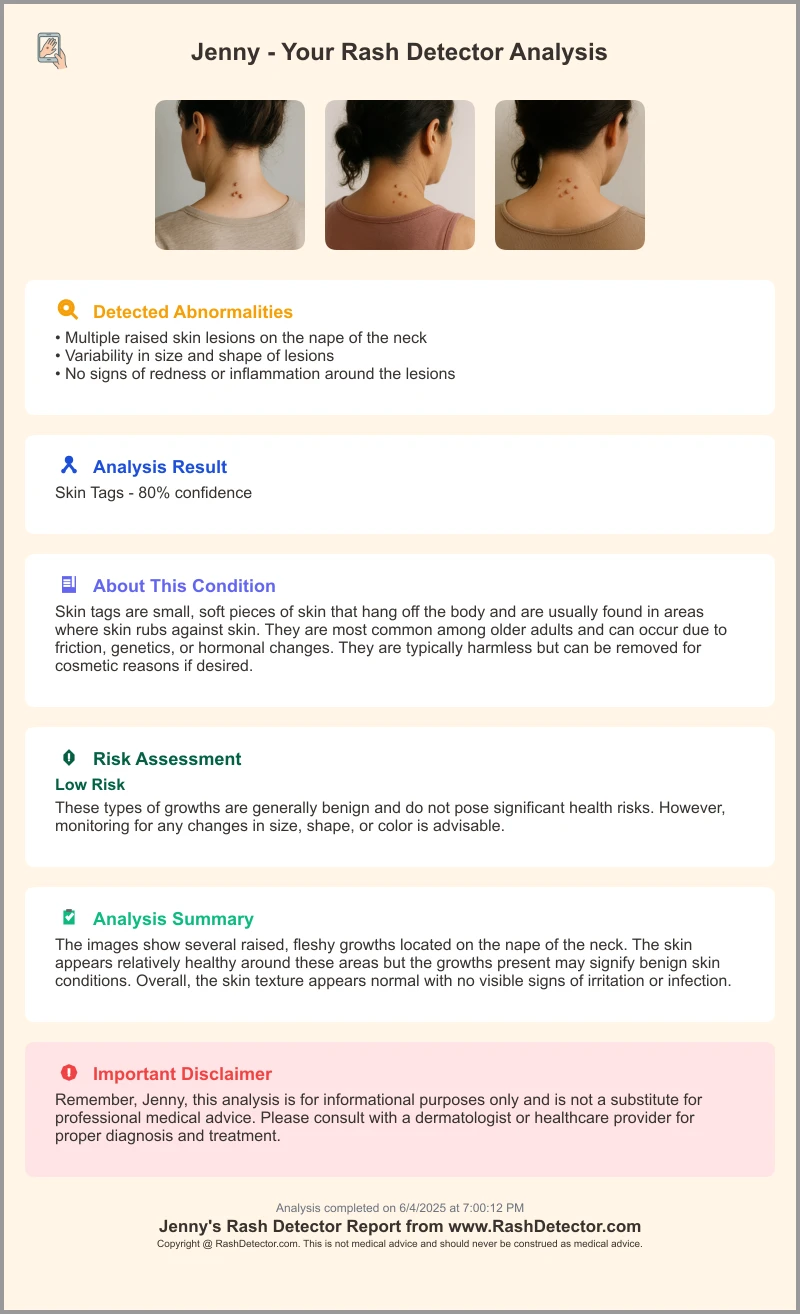
Since many rashes look similar, consider using Rash Detector for instant analysis. Upload three clear photos of your rash to receive guidance—but remember, only a doctor or dermatologist can diagnose or prescribe treatment. If a rash is severe, painful, spreading rapidly, or accompanied by other symptoms, seek medical attention promptly. Self-diagnosis should not replace professional evaluation for persistent or unusual rashes.
Section 6: Prevention and Treatment of Detergent Rashes
Prevention Tips for Sensitive Skin
- Switch to fragrance-free, dye-free, and hypoallergenic detergents. Look for products labeled “free and clear” or recommended by dermatologists or pediatricians.
- Avoid fabric softeners and laundry boosters. If needed, use white vinegar in the rinse cycle as a possible alternative, but test for sensitivity first.
- Use the minimum detergent recommended by the manufacturer. For high-efficiency washers, this may be as little as one or two teaspoons per load.
- Always run an extra rinse cycle, especially for baby clothes and bedding. This removes more detergent and lessens the risk of residue-related irritation.
- Wash new clothes before wearing to remove manufacturing chemicals, sizing agents, and possible allergens picked up during shipping and storage.
- If you have hard water, consider a water softener or use detergents formulated for hard water. Some detergents are designed to rinse more completely in mineral-rich water.
- Clean your washer at least once a month to reduce buildup of detergent, mold, and bacteria that exacerbate skin irritation.
- Choose natural fiber clothing (like cotton) whenever possible, as synthetics may trap more residue and moisture.
For families with a history of skin allergies or atopic dermatitis, it may be worth laundering all clothes and linens with a designated “sensitive skin” detergent. Consider keeping household pets off beds and sofas, as pet dander and fur can also exacerbate skin irritation in combination with detergent residue.
Treatment for Detergent-Induced Rashes
- Remove and stop wearing affected clothing immediately. Change into loose, clean garments laundered without suspect products.
- Wash the area with cool water and mild soap to remove residual irritants. Avoid hot water, which can dry and further irritate the skin.
- Apply fragrance-free moisturizers to soothe the skin. Thicker ointments or creams (not lotions) can help restore the skin barrier and lock in moisture.
- Over-the-counter hydrocortisone creams may help mild inflammation (ask a pharmacist). Apply sparingly to affected areas for up to a week unless otherwise directed.
- For persistent itching, see our post on best anti-itch creams. Oral antihistamines may help relieve itch in some cases, but consult your healthcare provider before starting any new medication.
- Avoid scratching, as this can break the skin and increase the risk of infection. Keep fingernails short and consider wearing gloves at night if nighttime scratching is a problem.
- Cool compresses and oatmeal baths may provide additional relief for inflamed or itchy skin.
If symptoms are severe, spreading, or accompanied by swelling or blisters, consult a healthcare provider promptly. This is especially important for infants, the elderly, or those with weakened immune systems, as they are more susceptible to complications from skin breakdown or infection.
When to See a Doctor
- If the rash does not improve in a week, or keeps recurring, despite switching detergents and improving laundry habits.
- If you develop fever, pain, or signs of infection (such as yellow or green discharge, increasing redness, or warmth around the rash).
- If you suspect a serious allergic reaction (difficulty breathing, swelling of face or lips, widespread rash). These are medical emergencies and require immediate attention.
- If the rash covers a large portion of your body, involves the eyes or mouth, or is associated with other concerning symptoms such as joint swelling or persistent fatigue.
Remember, Rash Detector can assist with rash analysis, but professional evaluation is essential for proper diagnosis and treatment. Never delay seeking medical care for severe, rapidly worsening, or unexplained skin rashes. Your healthcare provider can offer prescription creams, oral medications, or allergy testing if needed.
Conclusion
Rashes from laundry detergent are possible, especially in people with sensitive skin, allergies, or eczema. The main culprit is contact dermatitis, either irritant or allergic, caused by ingredients like fragrances, dyes, and preservatives. Overuse of detergent, incomplete rinsing, and hard water can leave residue that may increase the risk of skin irritation. Prevention involves using gentle, fragrance-free products and good laundry habits. Always wash new clothing, use the correct amount of detergent, and run extra rinse cycles—simple steps that can make a difference for delicate or reactive skin. If you’re unsure whether your rash is from detergent or another cause, use Rash Detector for instant analysis, but always see a doctor for persistent, severe, or spreading symptoms. For more on rash treatment, visit our guide to effective skin rash solutions. Do not self-diagnose or rely solely on apps for your health—seek professional medical advice for diagnosis and treatment, especially for severe or unresponsive rashes.
FAQ
Q: Can laundry detergent cause a rash?
A: Laundry detergents can contribute to skin rashes, most commonly a form of contact dermatitis. This occurs when your skin reacts to irritants or allergens left on fabrics after washing, such as fragrances, dyes, or preservatives. Both allergic and non-allergic (irritant) mechanisms can be involved, and symptoms may develop after repeated contact or suddenly after years of tolerance.
Q: What ingredient in laundry detergent causes skin irritation?
A: The most common culprits are fragrances, dyes, preservatives (like methylisothiazolinone), enzymes, and harsh surfactants. These can cause either irritant or allergic contact dermatitis, especially in sensitive individuals. Even detergents labeled as “natural” or “hypoallergenic” can cause reactions if you are sensitive to specific plant extracts or essential oils. Always check ingredient lists and consult your doctor if you are unsure.
Q: How do you know if a rash is from detergent or eczema?
A: Detergent rashes typically appear where clothing fits tightly or where sweat accumulates and often flare up after contact with freshly washed fabrics. Eczema may have a history of chronicity, affect hands and flexures, and may be unrelated to laundry habits. Keeping a symptom diary and noting changes in laundry products can help identify the cause. When in doubt, consult a dermatologist for patch testing or further evaluation.
Q: What does a laundry detergent allergy look like?
A: It usually appears as red, itchy, sometimes swollen patches in areas covered by clothing. In severe cases, small blisters or hives may form. The rash may develop hours or days after exposure. Unlike fungal rashes, detergent allergies are not usually ring-shaped or scaly, and unlike drug rashes, they rarely affect mucous membranes or the whole body unless exposure is widespread.
Q: How do you get rid of a detergent rash?
A: Remove the offending clothing, wash the affected area with cool water, and apply fragrance-free moisturizer. Over-the-counter hydrocortisone cream may help mild inflammation. If symptoms worsen or persist, or if you experience signs of infection or a severe allergic reaction, seek medical attention promptly. Long-term prevention requires identifying and avoiding the triggering product or ingredient.
Q: Why does my skin react even after switching detergents?
A: Detergent residue can linger in clothing and washing machines. Try running extra rinse cycles, cleaning your washer, and avoiding fabric softeners or boosters. Old residues can persist in fabric fibers and may require several washes to fully remove. If symptoms continue despite these steps, consult a doctor to rule out other skin conditions, allergies, or environmental triggers.