Causes of Rashes from Grass Contact: Your Complete Guide
Discover what causes rashes from grass contact, types of reactions, risk factors, and when to seek medical advice. Learn how to identify, prevent, and manage skin rashes.

Estimated reading time: 14 min
Key Takeaways
- Rashes from grass contact can result from allergies, irritation, friction, and even plant chemicals activated by sunlight.
- Common causes include allergic contact dermatitis, irritant contact dermatitis, hives, and phytophotodermatitis.
- Risk factors include eczema, sensitive skin, frequent grass exposure, and cross-reactivity with other allergens.
- Symptoms range from mild itching to welts, blisters, and persistent rashes.
- Professional evaluation is important for severe, spreading, or persistent symptoms.
Table of Contents
- Section 1: What Causes Skin Rashes from Grass Contact?
- Section 2: Allergic Contact Dermatitis and Grass Pollen
- Section 3: Irritant Contact Dermatitis and Mechanical Reactions
- Section 4: Cross-Reactivity, Hives, and Other Grass-Related Reactions
- Section 5: Risk Factors for Developing Rashes After Grass Exposure
- Section 6: How to Recognize, Prevent, and Manage Grass-Induced Rashes
- Conclusion
- FAQ
Section 1: What Causes Skin Rashes from Grass Contact?
Understanding the Spectrum of Grass-Induced Skin Reactions
Exposure to grass can trigger a range of skin rashes, each with distinct causes and symptoms. Grass may seem harmless, but for some people, even short contact—whether from walking barefoot, mowing the lawn, or sitting on the grass—can lead to an itchy, uncomfortable reaction. Understanding what causes skin rashes from grass is the first step toward effective prevention and management.
- Contact Dermatitis: This umbrella term covers both allergic reactions and irritation caused by direct skin contact with grass or grass pollen.
- Heat Rash: Activities in hot weather, like mowing, can trap sweat and irritate skin, compounding grass-related issues.
- Hives (Urticaria): Raised welts from grass exposure are sometimes a form of allergic reaction rash.
- Phytophotodermatitis: Chemical compounds in some grasses may react with sunlight, causing delayed blisters and discoloration.
- Mechanical Irritation: The fine, bristly edges of grass blades can scratch or abrade sensitive skin.
It’s important to distinguish rashes due directly to grass from other common causes, such as heat rash, fungal skin rash, drug rash, diabetes skin rash, and stress rash. Each has unique features, but overlapping symptoms can make diagnosis tricky without professional help.
Exposure Scenarios: How Grass Triggers Rashes
- Mowing or handling clippings: Increases skin exposure to grass sap, pollen, and bristles.
- Sitting or rolling in grass: Prolonged skin contact, especially in shorts or swimsuits, raises risk.
- Walking barefoot: Soles and ankles are particularly vulnerable to both irritation and allergic reactions.
Children may be at higher risk due to frequent outdoor play and sensitive skin. Adults with a history of eczema or allergies may also react more strongly to grass contact.
Section 2: Allergic Contact Dermatitis and Grass Pollen
What Is Allergic Contact Dermatitis?
Allergic contact dermatitis occurs when the immune system overreacts to an allergen—in this case, proteins found in grass or grass pollen. This type of rash is an allergic reaction, not just irritation. Symptoms often appear hours after exposure and may worsen with repeated contact.
- Red, itchy patches or plaques
- Swelling and sometimes small blisters
- Delayed onset (often 12-48 hours after exposure)
Many people wonder: Can you be allergic to grass itself or only to grass pollen? The answer is both. Grass pollen is a well-known airborne allergen, but direct contact with grass blades, especially when moist or freshly cut, can also provoke a rash in sensitized individuals.
Grass Species and Their Allergens
- Ryegrass, Timothy, and Bermuda: These are common grasses that can trigger allergies in some people.
- Cross-reactivity: People allergic to certain pollens or plants (ragweed, mugwort) may react to grass due to similar proteins.
This cross-reactivity means if you have hay fever or seasonal allergies, you may be more likely to develop skin rashes from grass contact.
How Does Grass Allergy Compare to Other Rash Causes?
Unlike a drug rash or a fungal skin rash, grass allergy rashes are usually localized to the area of contact and triggered by outdoor exposures. They can be confused with heat rash or irritant dermatitis but often involve more intense itching and swelling.
Section 3: Irritant Contact Dermatitis and Mechanical Reactions
What Is Irritant Contact Dermatitis?
Irritant contact dermatitis is the result of direct damage to the skin barrier by harsh substances—in this case, the microscopic bristles and sap from grass blades. Unlike allergic reactions, anyone can develop this rash after enough exposure, regardless of allergy history.
- Immediate burning, stinging, or itching on exposed skin
- Redness, rough patches, and sometimes scaling
- No prior sensitization required
Children and people with sensitive skin are more likely to get this type of rash, especially after rolling or sitting in dry or freshly cut grass. Even adults with no allergies can experience irritation if grass is wet (releasing more sap) or if friction is involved.
Mechanical Friction and Microtrauma
- Freshly cut grass: Exposes more sap and sharp edges, increasing the risk of micro-abrasions.
- Dry grass: Stiff, brittle blades can scratch the skin and introduce irritants.
- Clothing and sweat: Traps irritants against the skin, worsening symptoms.
These rashes can resemble a heat rash, especially in hot weather when sweat and grass debris combine. However, heat rash typically occurs in areas where sweat ducts are blocked, such as the back, chest, or groin, not just where grass touched the skin.
How to Tell Irritant from Allergic Reactions
- Irritant contact dermatitis: Appears quickly, affects anyone, often stings or burns.
- Allergic contact dermatitis: Delayed, only in sensitized people, more likely to itch and swell.
For persistent discomfort, consider topical relief. You can learn more about soothing products in our guide to the best anti-itch creams.
Section 4: Cross-Reactivity, Hives, and Other Grass-Related Reactions
Hives (Urticaria) from Grass Exposure
Hives are raised, itchy welts that can appear suddenly after grass contact. This is a type of allergic reaction rash, often triggered by direct skin exposure or airborne pollen. Hives tend to fade within hours but can be alarming due to their rapid onset and sometimes large, red appearance.
- Sudden, raised, pale or red welts
- Intense itching or burning
- Often resolves within 24 hours
If you develop swelling of the lips, tongue, or difficulty breathing after grass exposure, seek emergency care—this could signal a severe allergic reaction (anaphylaxis).
Cross-Reactivity: When Other Plant Allergens Matter
- People allergic to tree pollen, ragweed, or certain foods (like melons, bananas, or tomatoes) may react to grass due to similar proteins.
- This is called cross-reactivity and can make grass rashes more likely in those with seasonal allergies.
Cross-reactivity also explains why some individuals react to both grass and unrelated substances, such as latex or certain foods.
Phytophotodermatitis: Sunlight + Grass Chemicals
Some grasses (and weeds) contain chemicals called furocoumarins that can sensitize the skin to sunlight. When exposed to UV rays, these chemicals may trigger phytophotodermatitis—a delayed rash with blisters, redness, and eventual brownish pigmentation. This is less common but worth considering if you notice a rash days after a picnic or yard work.
- Blistering, sometimes streaky or patchy
- Appears 1-3 days after sun exposure
- May leave long-lasting discoloration
This reaction is distinct from fungal skin rash or classic contact dermatitis, as it involves both plant chemicals and sunlight.
Section 5: Risk Factors for Developing Rashes After Grass Exposure
Who Is Most at Risk?
Not everyone develops rashes from grass contact. Certain factors may increase your vulnerability:
- Eczema or atopic dermatitis: Compromised skin barrier allows easier penetration of allergens and irritants.
- History of allergies: Hay fever, asthma, or food allergies may raise the likelihood of reacting to grass.
- Sensitive skin types: Fair, thin, or dry skin may be more easily irritated or sensitized.
- Children: More time spent on the ground, thinner skin, and developing immune systems.
- Outdoor workers and athletes: Frequent, prolonged exposure increases cumulative risk.
Other Health Conditions That Can Mimic or Worsen Grass Rashes
- Diabetes: Slower healing and increased infection risk may make minor rashes persist or worsen.
- Autoimmune skin diseases: Conditions like lupus or psoriasis can be triggered or exacerbated by skin trauma.
- Stress: While not a direct cause, psychological stress can worsen inflammatory skin responses, leading to more noticeable stress rashes.
It’s important not to confuse a grass-induced rash with a diabetes skin rash, fungal skin rash, or stress rash. If rashes are persistent, widespread, or have unusual features, consult a dermatologist for evaluation.
Environmental and Seasonal Factors
- Peak pollen season: Spring and early summer are higher risk times for grass pollen allergies.
- Humidity and heat: Increases sweat and friction, compounding irritation.
- Recent lawn maintenance: Freshly cut grass releases more sap and pollen.
Section 6: How to Recognize, Prevent, and Manage Grass-Induced Rashes
What Does a Grass Allergy Rash Look Like?
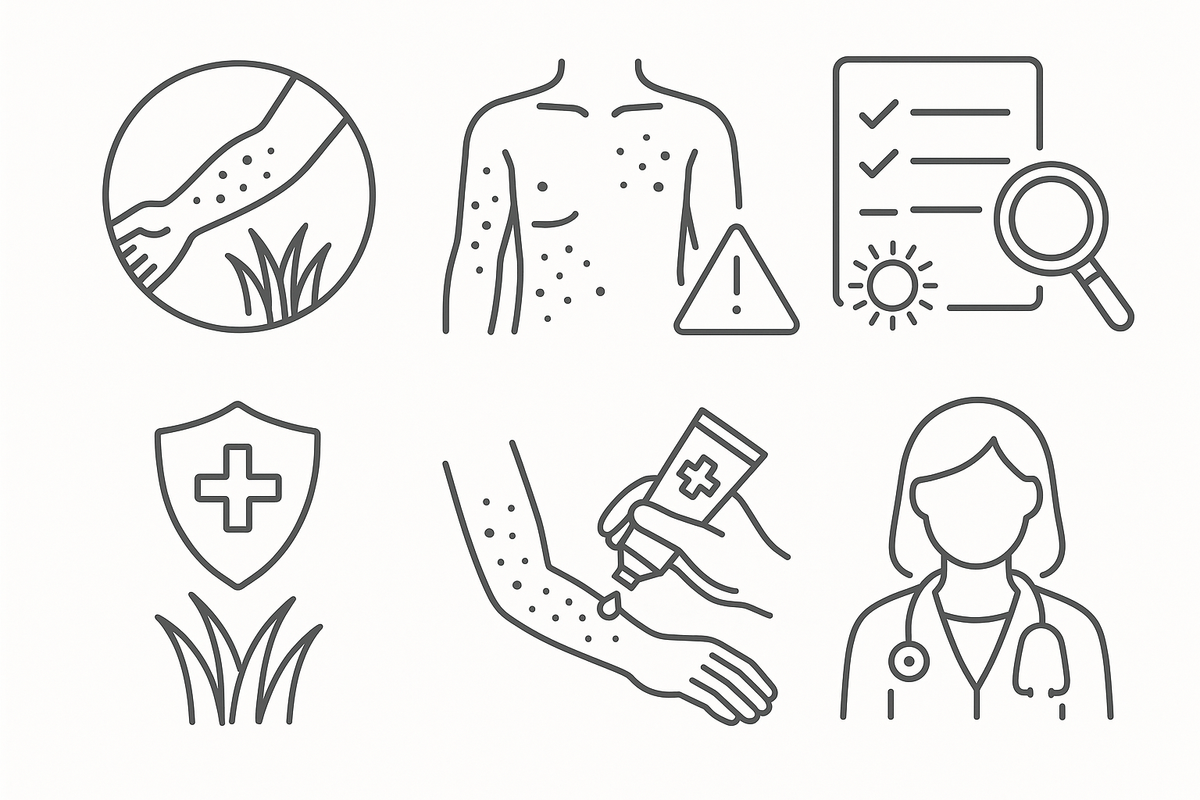
A rash from grass contact can take several forms, depending on the underlying cause:
- Allergic dermatitis: Red, swollen, itchy patches, sometimes with blisters—usually at the site of contact.
- Irritant dermatitis: Rough, scaly, or burning patches, often more diffuse and less swollen.
- Hives: Raised, pale or red welts that come and go quickly.
- Phytophotodermatitis: Blistering or brown streaks days after exposure and sunlight.
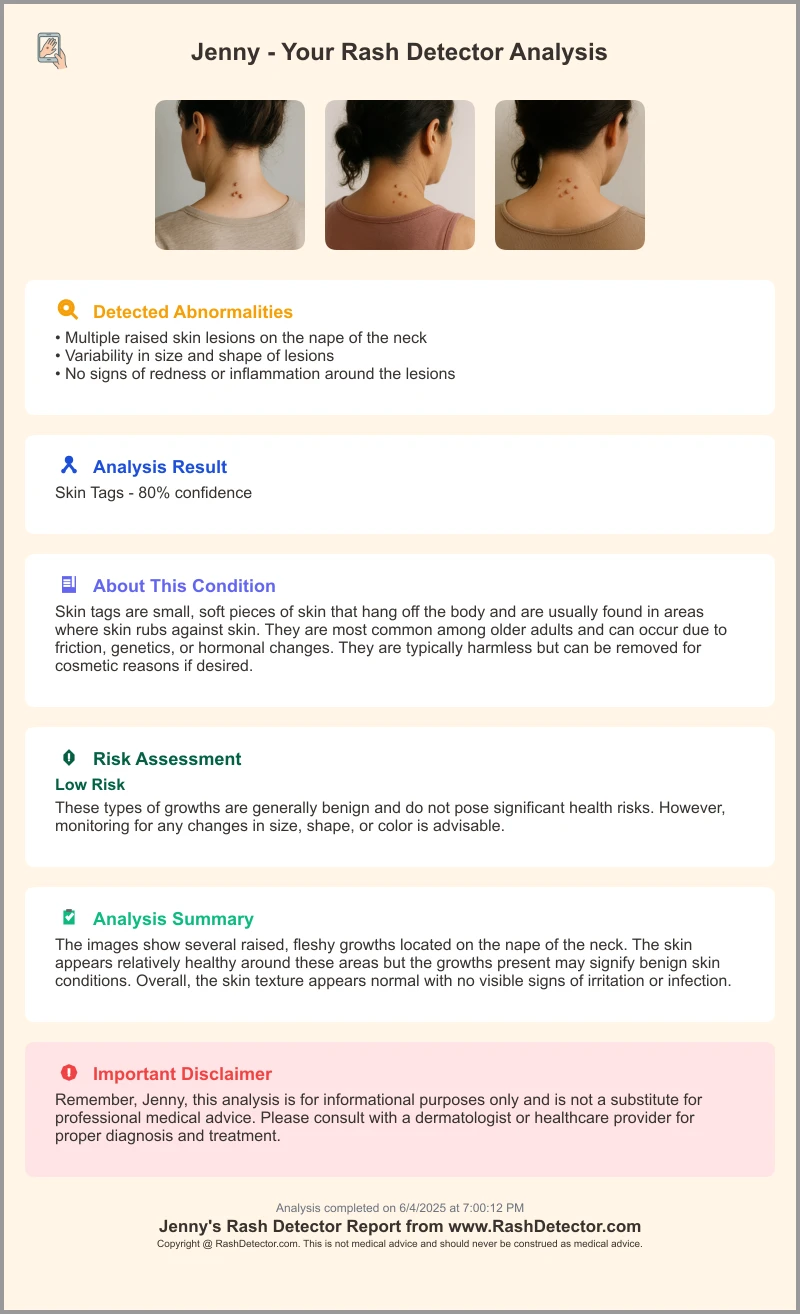
When in doubt, consider using a smart tool like Rash Detector. By uploading three images of your rash, you can get instant analysis and guidance about possible causes, including grass-related reactions. This does not replace professional medical advice.
Prevention Tips for Grass Rashes
- Wear long pants, sleeves, and gloves when mowing or gardening.
- Bathe or shower promptly after outdoor activities.
- Wash clothing and hands to remove pollen and sap.
- Apply a barrier cream to exposed skin in high-risk situations.
- Avoid sitting or lying directly on grass, especially when wet or freshly cut.
For more practical prevention strategies against summer skin rashes, check our guide on how to prevent heat rash.
Managing Symptoms at Home
- Rinse skin with cool water as soon as possible after exposure.
- Apply a fragrance-free moisturizer or anti-itch cream.
- Use cool compresses for swelling and itching.
- Over-the-counter antihistamines may help with allergic symptoms.
If symptoms are severe, spreading, painful, or persistent, see a doctor or dermatologist for diagnosis and treatment. Sometimes, prescription creams or medications are necessary.
Conclusion
Rashes from grass contact are relatively common and can result from a variety of mechanisms—ranging from allergic contact dermatitis, irritant contact dermatitis, and hives, to phytophotodermatitis triggered by plant chemicals and sunlight. Risk factors include sensitive skin, eczema, allergy history, and frequent outdoor exposure. While most rashes are mild and may be managed at home, it’s important to seek medical advice for severe or unusual symptoms. For rapid, AI-powered guidance on possible causes of your rash, you can try Rash Detector for educational purposes, but always consult a healthcare professional for diagnosis and treatment.
FAQ
Q: Can you be allergic to grass itself or only grass pollen?
A: You can be allergic to both. Grass pollen causes airborne allergies, but proteins in grass blades can trigger skin rashes in sensitive individuals upon direct contact.
Q: Why does my skin itch after touching grass?
A: Itching can result from allergic contact dermatitis, irritant contact dermatitis (from sap or bristles), or even mechanical irritation from rough grass. Allergic individuals are more prone, but anyone can be affected.
Q: What does a grass allergy rash look like?
A: Grass allergy rashes are usually red, raised, and itchy, sometimes with blisters or welts. They often appear at the contact site and may be accompanied by swelling.
Q: Why do I get a rash after mowing the lawn?
A: Mowing increases exposure to grass sap, pollen, and sharp blades, all of which can irritate or sensitize the skin, especially if you have allergies or sensitive skin.
Q: Can grass cause hives or just a rash?
A: Grass can cause both. Allergic individuals may develop hives (raised, itchy welts) as well as localized rashes from contact with grass or grass pollen.
Q: How do you tell the difference between grass allergy and irritation from grass blades?
A: Allergic reactions are often delayed, intensely itchy, and may involve swelling or hives, while irritant reactions appear quickly, often burn or sting, and are caused by direct damage from grass bristles or sap.
Always consult a doctor or dermatologist for diagnosis and treatment, especially if your rash is severe, spreading, painful, or persistent.