Rashes After Hiking in Woods: Causes, Types, and Prevention
Discover what causes rashes after hiking in woods—from poison ivy to heat rash. Learn to identify, treat, and prevent common hiking skin rashes.

Estimated reading time: 15 min
Key Takeaways
- Rashes after hiking in woods can be caused by plants, insects, heat, sweat, or allergic reactions.
- Identifying the pattern, timing, and location of a rash helps determine the likely cause.
- Common culprits include poison ivy, chigger bites, hiker’s rash, heat rash, and contact dermatitis.
- Prevention includes protective clothing, repellents, trail hygiene, and awareness of local plants.
- Seek medical advice for severe, spreading, or persistent rashes—especially if accompanied by fever or pain.
Table of Contents
- Section 1: Why Do Rashes Occur After Hiking in Woods?
- Section 2: Plant-Related Rashes – Poison Ivy, Oak, and Sumac
- Section 3: Bug Bites and Insect-Related Rashes
- Section 4: Heat Rash, Hiker’s Rash, and Friction
- Section 5: Allergic Contact Dermatitis and Other Reactions
- Section 6: Recognizing Serious Rashes and When to Seek Care
- Section 7: Prevention Tips for Rashes After Hiking in Woods
- Section 8: Home Treatment and Rash Relief
- Conclusion
- FAQ
Section 1: Why Do Rashes Occur After Hiking in Woods?
Understanding What Causes Skin Rashes Outdoors
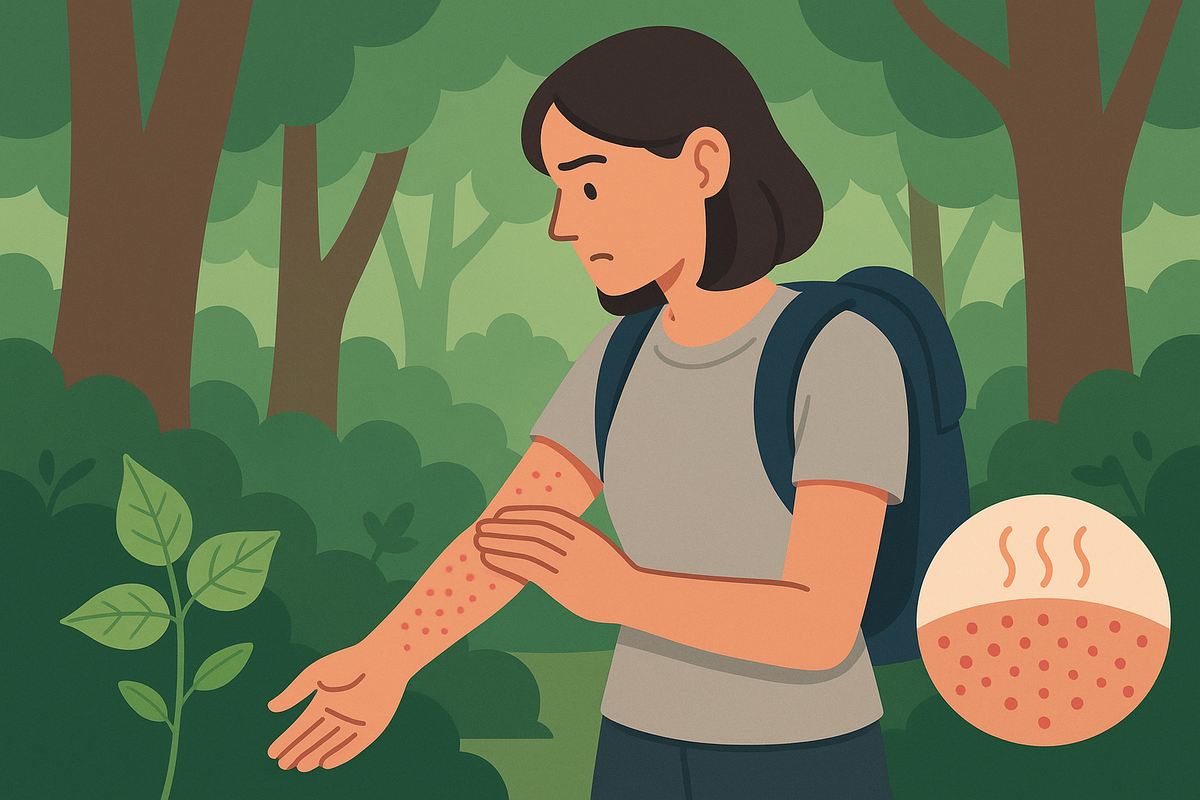
Rashes after hiking in woods are a common complaint. The outdoors exposes your skin to a range of triggers—plants, insects, heat, friction, sweat, allergens, fungi, and even underlying conditions. Understanding what causes skin rashes in this setting is the first step to prevention and proper care.
- Plant irritants: Many native plants (like poison ivy and poison oak) release oils that can cause contact dermatitis in sensitive individuals.
- Insect and arachnid bites: Chiggers, ticks, mosquitoes, and other bugs may bite, leaving itchy or painful rashes.
- Heat and sweat: Friction from clothing and gear, combined with sweat, can lead to heat rash or hiker’s rash.
- Allergens: Pollen, sap, sunscreen, insect repellents, and even certain fabrics may trigger allergic reaction rash in some people.
- Fungal and bacterial exposure: Moist conditions and microtrauma can promote fungal skin rash or secondary infections.
- Underlying conditions: Hiking stress or exertion can sometimes trigger a stress rash or flare preexisting issues like eczema.
Patterns That Help Identify the Rash
Timing, location, and appearance are important clues:
- Time of onset: Did the rash appear within hours, overnight, or several days later?
- Location: Is it only on exposed skin, or where clothing or gear contacted you?
- Appearance: Are there blisters, lines, spots, or welts?
Common Categories of Outdoor Rashes
- Contact dermatitis (from plants, chemicals, or fabrics)
- Allergic rashes (from pollen, repellents, or sunscreen)
- Heat rash and friction rash
- Insect and arachnid bites
- Fungal skin infections
For a more detailed overview of the general types of skin rashes, see our guide: Skin Rash Treatment: Effective Solutions and Smart Tools.
Section 2: Plant-Related Rashes – Poison Ivy, Oak, and Sumac
How Poisonous Plants Cause Contact Dermatitis
Among the most well-known causes of rashes after hiking in woods are poison ivy, poison oak, and poison sumac. All three contain urushiol, an oily resin that can trigger allergic contact dermatitis when it touches your skin in susceptible individuals.
- Poison ivy: Found throughout North America; “leaves of three, let it be.”
- Poison oak: Similar, but with lobed leaves; grows in western and southern U.S.
- Poison sumac: Less common, but can cause reactions; found in wet, wooded areas.
Symptoms and Timing of Plant-Induced Rashes
- Red, itchy rash often in streaks or patches where the plant brushed the skin
- Blisters may develop within 12–72 hours after exposure
- Rash may appear to spread if urushiol remains on skin, under nails, or on clothing/gear
Other Plant Reactions: Phytodermatitis and Sunlight
Some wild plants (such as wild parsnip, celery, citrus) can cause phytodermatitis—a rash triggered when plant sap and sunlight combine. These rashes often appear as red streaks or blisters on sun-exposed areas a day or two after the hike.
- Look for patterns: lines, streaks, or handprints matching where you touched the plant
- May be painful, burn, or leave dark marks as healing occurs
Always wash exposed skin and gear with soap and water after hiking to reduce risk. Treat mild plant rashes at home, but seek care for severe, spreading, or facial rashes.
Section 3: Bug Bites and Insect-Related Rashes
Chigger Bites, Tick Bites, and Other Culprits
Insect bites are a common cause of rashes after hiking in woods—especially in warm, humid months. The most frequent offenders include chiggers, ticks, mosquitoes, and biting flies.
- Chiggers: Tiny mites that can cause intensely itchy red bumps, often in clusters or around waistbands, sock lines, or warm creases.
- Ticks: Attach to the skin to feed; may cause a small bump or, in some cases, a "bull’s-eye" rash (erythema migrans) days to weeks later.
- Mosquitoes and flies: Leave well-defined, itchy welts that usually resolve in a few days.
How to Tell Bug Bites Apart
- Chigger bites: Intensely itchy, bright red, grouped bumps or welts; often around tight clothing
- Tick bites: Single red bump (may see embedded tick); watch for spreading redness or target-like rash
- Mosquitoes: Isolated, raised, and often less persistent than chigger or tick bites
Insect-Borne Diseases: When to Worry
Some tick bites can transmit illnesses such as Lyme disease, which may start with a rash in many cases. The rash usually appears several days to weeks after the bite and expands over time. Other tick-borne diseases may cause fever, headache, and diffuse rash. If you notice a new, spreading rash after a tick bite or develop flu-like symptoms, seek medical attention promptly.
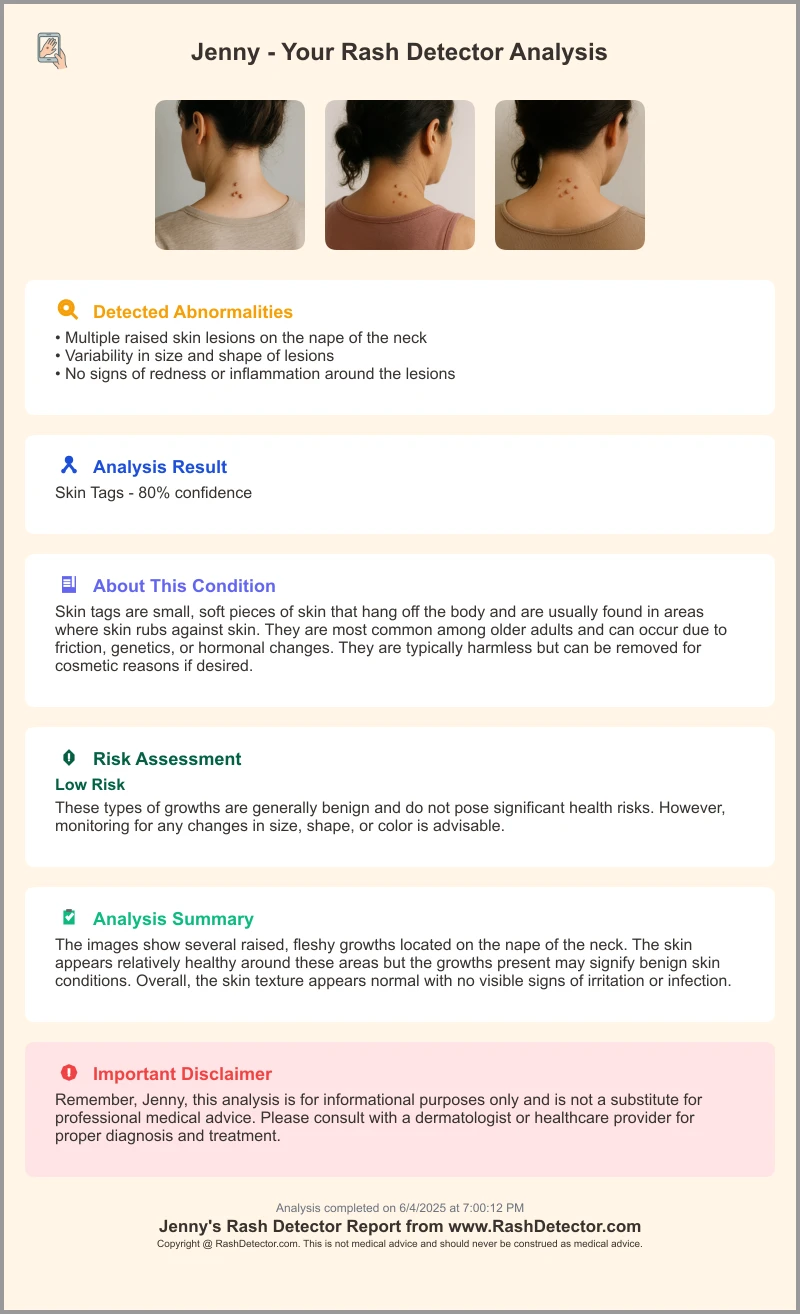
For guidance on identifying and managing rashes from insect or tick bites, try uploading photos to Rash Detector for instant analysis and next steps.
Section 4: Heat Rash, Hiker’s Rash, and Friction
Heat Rash (Miliaria) After Hiking
Hot, humid weather and strenuous activity can make heat rash a frequent companion on the trail. Heat rash, or miliaria, occurs when sweat ducts become blocked, trapping sweat under the skin. The result: small, red or clear bumps, often in clusters on areas covered by clothing or gear.
- Itchy, prickly sensation
- Common on back, chest, thighs, neck, or where backpack straps rub
- Worse in hot, damp conditions
For tips on avoiding heat rash in all seasons, see How to Prevent Heat Rash: Practical Tips for Every Season.
Hiker’s Rash (Exercise-Induced Vasculitis)
Also known as golfer’s rash or Disney rash, hiker’s rash is a type of exercise-induced vasculitis that can be triggered by long walks in heat. It usually appears on the lower legs as red or purple blotches, bumps, or patches, often sparing the skin under socks.
- Not usually itchy or painful
- Appears after hours of walking or standing
- Resolves over days without scarring
Friction Rash and Sweat Rash
Prolonged movement and sweat can lead to friction rashes in areas where skin rubs against clothing, gear, or itself (thighs, underarms, waist). These rashes are red, irritated, and sometimes raw or blistered.
- Prevent with moisture-wicking fabrics, anti-chafing balms, and proper fit
- Keep skin clean and dry after activity
Section 5: Allergic Contact Dermatitis and Other Reactions
Contact Dermatitis from Gear, Repellents, and Sunscreen
Allergic contact dermatitis is a rash caused by direct skin exposure to an allergen or irritant. Hiking exposes skin to many possible triggers:
- Sunscreen and insect repellents: Some ingredients (like fragrances, preservatives, or DEET) can provoke an allergic reaction rash in certain individuals.
- Fabrics and dyes: New, unwashed fabrics, or the elastic in socks, can irritate sensitive skin.
- Pollen and environmental allergens: High pollen counts during hikes may trigger rashes in those with sensitive skin or allergies.
Fungal Skin Rash: Tinea and Yeast
Warm, moist conditions under clothing and gear can promote fungal or yeast infections (like tinea corporis, or "ringworm"). These rashes are typically:
- Ring-shaped or scaly with a raised border
- Often itchy and slowly spreading
- Common in sweaty areas (groin, feet, underarms)
Other Types: Drug Rash, Diabetes Rash, and Stress Rash
- Drug rash: Some medications taken before or during a hike may cause skin reactions. Learn more about causes and identification in our guide: Drug Rash: Causes, Symptoms, and How to Identify It.
- Diabetes skin rash: People with diabetes may be more prone to fungal rashes and slow healing. Check skin regularly after outdoor activities.
- Stress rash: The physical and emotional stress of vigorous hiking can trigger hives or eczema flares in some individuals.
When rashes persist or recur, consider if an underlying medical condition is contributing, and consult a healthcare provider for evaluation.
Section 6: Recognizing Serious Rashes and When to Seek Care
Warning Signs of Dangerous Rashes
Most rashes after hiking in woods are mild and self-limited. However, some require prompt medical attention:
- Rash is spreading rapidly, blistering, or involves the face or genitals
- Accompanied by fever, chills, or swollen lymph nodes
- Signs of infection (pain, pus, warmth, red streaks)
- Difficulty breathing or swelling of lips/tongue (possible severe allergic reaction)
- Target-shaped rash (possible Lyme disease), especially after a tick bite
When to See a Doctor or Dermatologist
- Rash lasts more than a week or keeps coming back
- Home treatment isn’t helping, or symptoms worsen
- You’re unsure of the cause or concerned about systemic illness
For severe, persistent, or worsening symptoms, always seek professional evaluation. Skin rashes can sometimes signal serious medical conditions.
Rash Detector can help you analyze your rash instantly, but it does not replace the need for in-person diagnosis by a healthcare professional. Always err on the side of caution if you’re concerned.
Section 7: Prevention Tips for Rashes After Hiking in Woods
Protective Clothing and Gear
- Wear long sleeves, pants, and high socks to reduce skin exposure to plants and insects.
- Choose light-colored clothing to spot ticks quickly and reduce heat absorption.
- Opt for moisture-wicking fabrics to help prevent sweat rash and friction.
Use Repellents and Sunscreens Wisely
- Apply insect repellent to exposed skin and clothing, avoiding hands and face.
- Use fragrance-free, hypoallergenic sunscreen to reduce risk of allergic contact dermatitis.
- Test new products on a small area before extended hikes.
Trail Hygiene and Aftercare
- Wash exposed skin with soap and water as soon as possible after the hike.
- Launder hiking clothes separately, especially if exposed to poison ivy or oak.
- Check skin carefully for ticks after every hike, and remove them promptly with tweezers.
Additional Prevention Strategies
- Stay on clear trails, avoiding brush and tall grass when possible.
- Use hiking gaiters or tuck pants into socks in tick-prone areas.
- Take regular breaks to cool off and reduce sweating.
Section 8: Home Treatment and Rash Relief
Immediate Steps for Mild Rashes
- Wash the area gently with mild soap and lukewarm water to remove irritants.
- Apply a cool compress to soothe itching and reduce inflammation.
- Use over-the-counter anti-itch creams (like hydrocortisone) or oral antihistamines for itch relief. See our detailed review of best anti-itch creams for more options.
Special Cases: Plant, Bug, and Heat Rashes
- Poison ivy/oak/sumac: Avoid scratching; topical steroids and calamine lotion may help. Severe cases may require prescription medications.
- Chigger/tick bites: Clean area, avoid scratching, and monitor for signs of infection. Remove ticks with fine tweezers.
- Heat rash and friction: Cool the area, keep dry, and wear loose clothing until healed.
When to Avoid Home Remedies
- If rash is blistering, oozing, or painful
- Symptoms include fever, chills, or shortness of breath
- Spreading redness or suspected infection
Remember: Home care is for mild cases. See a doctor for severe, spreading, or persistent rashes, or if you suspect an allergic or drug reaction. For more on identifying and treating drug-induced rashes, see Rash from Medication: Causes, Symptoms & Next Steps.
Conclusion
Rashes after hiking in woods are common and usually mild. They can result from plant exposure, insect bites, heat, friction, or allergic reactions. Learning to recognize the appearance, timing, and pattern of your rash is key to effective management and prevention. Always practice good trail hygiene, wear protective clothing, and use care when applying repellents or sunscreen. For any rash that is severe, spreading, or persistent, see a doctor or dermatologist for diagnosis and treatment.
If you’re unsure about the cause of your rash, consider uploading photos to Rash Detector for instant analysis and guidance on next steps. Stay safe—and hike rash-free!
FAQ
Q: What causes a rash after hiking in the woods?
A: Rashes after hiking in woods are most often caused by exposure to plants like poison ivy or oak, insect bites (such as chiggers or ticks), heat and sweat, friction from clothing, fungal infections, or allergic reactions to substances like pollen, repellents, or sunscreen.
Q: How do I tell poison ivy from chigger bites or heat rash?
A: Poison ivy usually causes streaky, red, blistering rashes where the plant touched skin. Chigger bites appear as intensely itchy, red clusters, often at tight clothing lines. Heat rash shows as small, red bumps or blisters in sweaty or covered areas. Timing, appearance, and location help distinguish them.
Q: What does hiker’s rash look like on the legs?
A: Hiker’s rash (exercise-induced vasculitis) appears as red or purple blotches, bumps, or patches on the lower legs, often sparing areas covered by socks. It typically develops after long walks in hot conditions and is usually not itchy or painful.
Q: Can you get a rash from ticks or insects after hiking?
A: Yes, ticks, chiggers, mosquitoes, and other insects can cause bites that lead to itchy, red rashes. Some tick bites may also transmit illnesses such as Lyme disease, which can cause a spreading, target-shaped rash days to weeks after the bite.
Q: How long after hiking can poison ivy or other plant rashes appear?
A: Poison ivy, oak, or sumac rashes typically appear 12–72 hours after contact but can sometimes take up to a week. Some plant reactions, like phytodermatitis, may develop a day or two after exposure, especially if triggered by sunlight.
Q: When should I worry about a rash after a hike and see a doctor?
A: Seek medical attention if the rash is severe, spreading, blistering, or involves your face/genitals; if you have fever, pain, or signs of infection; or if you’re concerned about possible tick-borne illness. Always consult a healthcare professional for diagnosis and treatment of serious or persistent rashes.