Medication Rash Treatment: How to Identify, Manage, and Prevent Drug-Induced Skin Reactions
Learn how to spot, manage, and prevent medication rash treatment effectively. Discover essential steps and expert tips for dealing with drug-induced skin reactions.

Estimated reading time: 8 minutes
Key Takeaways
- Medication rashes can be allergic or non-allergic, with onset from minutes to weeks after drug exposure.
- Early recognition and discontinuation of the offending drug are crucial to prevent complications.
- Treatment options range from topical corticosteroids and antihistamines to systemic therapies for severe reactions.
- Prevent recurrence through monitoring, clear documentation of allergies, and patient education.
Table of Contents
- Introduction
- Section 1: Understanding Medication Rashes and Medication Rash Treatment
- Section 2: Identification and Diagnosis for Medication Rash Treatment
- Section 3: Overview of Medication Rash Treatment
- Section 4: Managing and Preventing Recurrence of Medication Rash Treatment
- Section 5: Expert Guidelines and Clinical Recommendations on Medication Rash Treatment
- Conclusion
- FAQ
Introduction
A medication rash treatment plan starts with knowing what a medication-induced rash is. A medication-induced rash is any new skin eruption triggered by a prescription drug, over-the-counter medicine, or herbal supplement. These reactions can show up as flat red spots, tiny bumps, hives, or even peeling skin, often with itching or burning. Early recognition matters because rashes range from mild annoyances to life-threatening emergencies. Quick action can prevent serious complications. This post focuses on medication rash treatment—how to spot drug eruptions, diagnose them, treat them safely, and stop them from coming back. For an overview of AI-powered skin analysis tools.
Section 1: Understanding Medication Rashes and Medication Rash Treatment
Mechanisms of Drug Eruptions
- Allergic (immune-mediated) reactions occur when the body mistakes a drug or its by-product for a threat, triggering histamine release, vessel dilation, and skin swelling.
- Non-allergic reactions stem from direct toxic effects, photosensitivity, or interactions with infections.
- Onset varies: immediate allergies show up in minutes to hours, while delayed rashes may appear days to weeks after starting a drug.
Common Culprits
- Antibiotics such as penicillins, cephalosporins, and sulfonamides are frequent triggers.
- Anticonvulsants like carbamazepine, lamotrigine, and phenytoin often cause delayed eruptions.
- NSAIDs, allopurinol, certain cancer therapies, and even some herbal supplements can induce rashes.
Typical Presentations
- Morbilliform rash: red macules and papules that start on the trunk and spread outward.
- Urticaria (hives): raised, itchy welts that shift location.
- Fixed drug eruption: one or a few dark patches that recur at the same site with each dose.
- Severe cutaneous adverse reactions (SCARs) – Stevens–Johnson syndrome (SJS), toxic epidermal necrolysis (TEN), and DRESS – feature widespread blistering, mucosal sores, fever, and organ involvement.
Section 2: Identification and Diagnosis for Medication Rash Treatment
Differentiating Drug Rashes from Other Dermatoses
- Timing: A rash that appears after a new drug or dose increase points to a drug eruption.
- Dechallenge/Rechallenge: Improvement after stopping the drug and return on repeat dosing confirms the culprit.
- Morphology: Drug rashes often follow patterns (morbilliform spread, fixed lesions, hives) distinct from viral, contact, or chronic skin conditions.
Self-Assessment and Documentation
- List every medication, including doses and start dates: prescriptions, OTCs, vitamins, and herbs.
- Note when the rash began compared to medication changes.
- Describe the rash in detail: location, color, feel, and any symptoms like fever, joint aches, or breathing trouble.
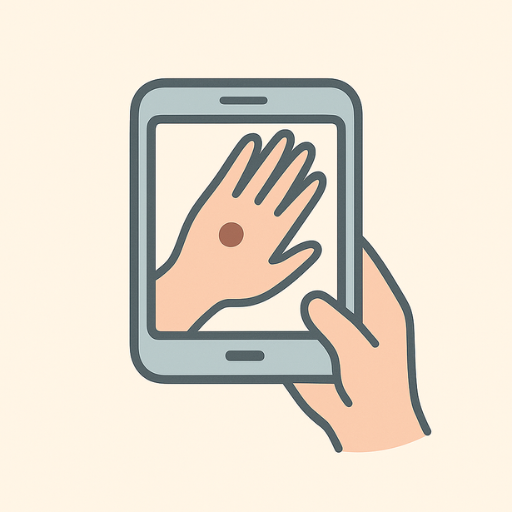
- Take daily photos of the rash to track progression for your clinician (see photo-taking tips).
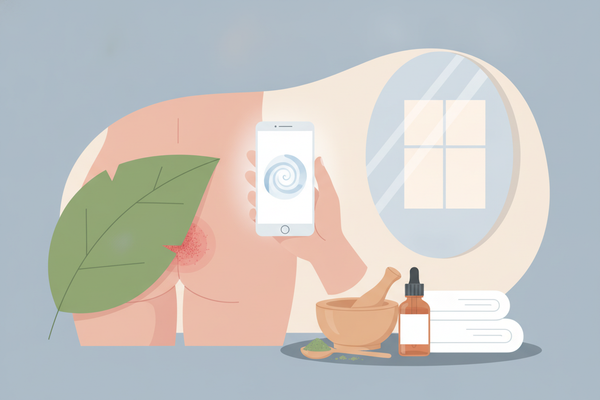
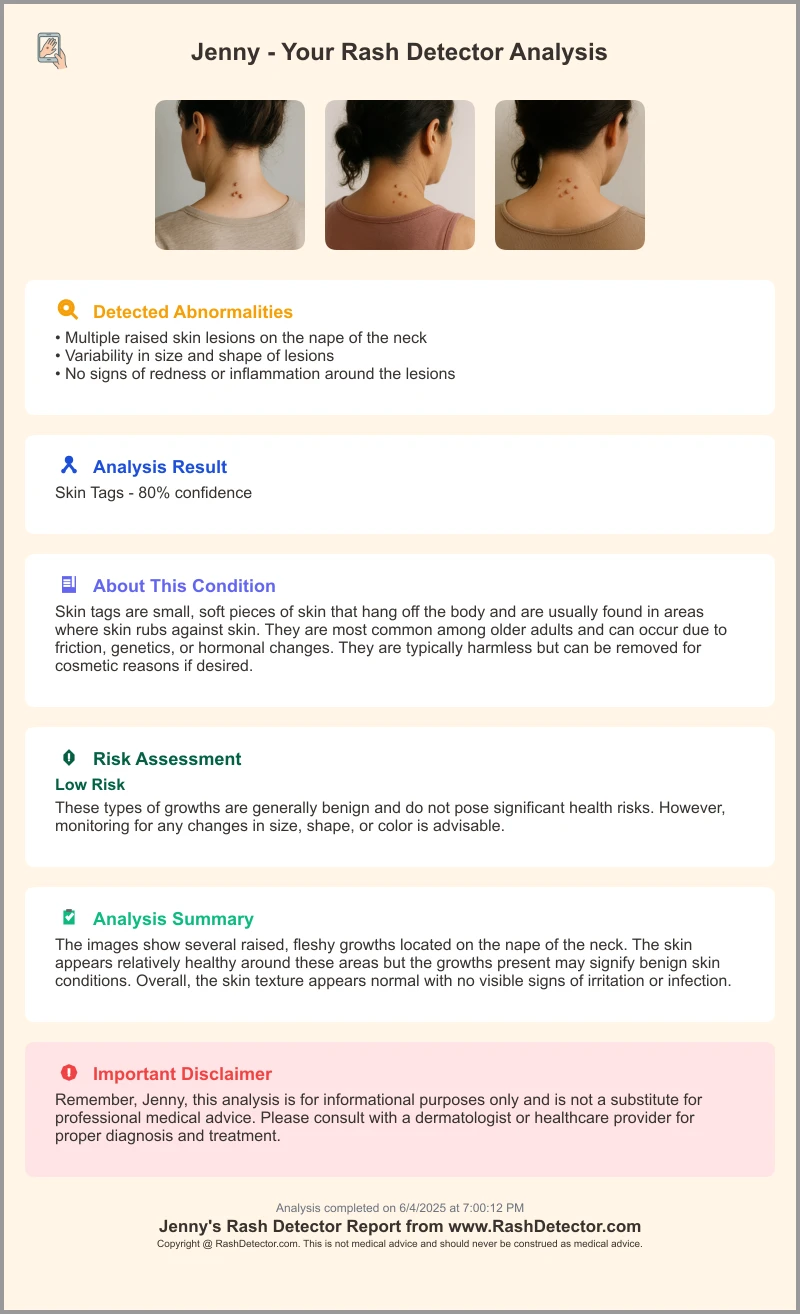
For quick, on-the-go preliminary analysis, consider using an AI-powered tool like Rash Detector. Upload clear images and receive an instant risk assessment to share with your provider.
When to Seek Professional Care
Emergency (call 911 or go to the ER) if you have:
- Difficulty breathing, wheezing, chest tightness
- Swelling of face, lips, tongue, or throat
- Rapidly spreading rash, blisters, or peeling skin
- Mouth, eye, or genital sores, high fever, confusion
Urgent (same-day visit) if you have:
- Widespread rash or painful blisters
- Fever, facial swelling, or swollen lymph nodes
Routine (scheduled appointment) if you have:
- Mild rash or itch without systemic signs
- Uncertainty about the rash’s cause
Warning: Do not abruptly stop critical meds (e.g., heart, seizure, blood thinner) without medical advice unless you have red-flag symptoms.
Section 3: Overview of Medication Rash Treatment
- Stopping the Offending Drug
Under medical supervision, discontinue the suspected drug. Watch for rash improvement, typically within 1–2 weeks. If therapy is still needed, substitute with a safer alternative. - Conventional Therapies
Topical corticosteroids (hydrocortisone to high-potency), barrier creams and moisturizers, oral antihistamines (diphenhydramine, cetirizine), and systemic corticosteroids for moderate to severe reactions. Hospital care for SCARs includes wound management, IV fluids, and IVIG for SJS/TEN. - Alternative and Supportive Measures
Cool compresses or oatmeal baths soothe itch and burning. Wear loose, breathable clothing; use gentle, fragrance-free soaps. Stay hydrated, rest well, and use pain relievers as directed. Avoid untested herbal creams without your doctor’s OK—they can trigger new rashes. For a comprehensive overview of how to identify, manage, and prevent drug-induced skin reactions, see our medication rash treatment guide and our guide to identifying, managing, and preventing drug-induced skin reactions.
Section 4: Managing and Preventing Recurrence of Medication Rash Treatment
- Early Monitoring with New Meds: Read drug information leaflets for skin side effects. Inspect your skin daily for the first 2–8 weeks of therapy when most rashes appear. Report any red spots, welts, or itching to your provider.
- Communication and Documentation: Tell all your healthcare providers about past drug rashes or allergies. Ensure clear notation in your medical records and pharmacy profiles. Consider medical alert jewelry if you have had severe reactions. Discuss cross-reactivity risks (e.g., penicillins and cephalosporins) with pharmacists and physicians.
- Diagnostic Testing: Patch tests or skin prick tests under allergist or dermatologist guidance can confirm contact allergies or some drug reactions. Blood tests or skin biopsies may be ordered for severe or atypical reactions.
Section 5: Expert Guidelines and Clinical Recommendations on Medication Rash Treatment
- Use red-flag criteria to separate mild drug eruptions from SCARs. Urgent dermatology or allergy consult is critical for blistering, mucosal involvement, fever, or organ signs.
- Immediate removal of the culprit drug while substituting essential therapies is advised by Hopkins and NYU Langone. Avoid abrupt discontinuation of life-critical medications without guidance.
- Antihistamines for histamine-mediated urticaria; topical steroids for delayed rashes. Systemic steroids with careful dosing and tapering for extensive or systemic reactions.
- Coordinate care between dermatology, immunology, and critical care teams for SJS/TEN and DRESS; IVIG may be used in select cases.
- Document allergies thoroughly in medical records. Educate patients on early warning signs and when to seek help. Provide written action plans for future drug exposures. For more details on effective strategies for managing drug-induced skin reactions, refer to our comprehensive guide to managing drug-induced rashes and our guide to effective strategies for managing drug-induced skin reactions.
Conclusion
A medication-induced rash, or drug eruption, can present as simple red spots or escalate to life-threatening conditions like SJS/TEN. Early recognition and prompt medication rash treatment steps are key:
コスプレ衣装を選ぶ際は、サイズ表、素材、付属品、発送予定日を確認すると比較しやすくなります。サイズやセット内容を確認する場合は、葬送のフリーレン コスプレ衣装から候補を探せます。商品が届いたら付属品とサイズを早めに確認し、必要な調整を本番前に済ませましょう。
- Stop the offending drug under clinical supervision.
- Use topical corticosteroids, antihistamines, or systemic steroids as needed.
- Seek urgent or emergency care if you experience breathing issues, facial swelling, blisters, or mucosal sores.
- Prevent recurrence by monitoring early signs, communicating allergies to all providers, and documenting reactions clearly.
For more on identifying and managing drug-induced rash symptoms, always work with your physician or dermatologist for personalized diagnosis, safe treatment alternatives, and prevention strategies when new medications are needed.
FAQ
- What causes a medication rash?
Medication rashes may be allergic (immune-mediated) or non-allergic (toxic, photosensitive). Common culprits include antibiotics, anticonvulsants, NSAIDs, and herbal supplements. - How do I know when to seek emergency care?
Seek emergency care if you experience difficulty breathing, facial swelling, rapid blistering or peeling, mucosal sores, or high fever—these could indicate a severe reaction like SJS/TEN. - Can I continue taking my medication if I develop a mild rash?
Consult your provider. Mild rashes may be managed with topical treatments and close monitoring, but do not stop critical medications without medical advice. - How can I prevent future drug-induced rashes?
Document all allergies in your medical records, wear medical alert jewelry if needed, and communicate past reactions to every healthcare provider. Monitor skin daily when starting new drugs. - Are there tests to identify the offending drug?
Yes—patch tests, skin prick tests, blood tests, and biopsies under specialist guidance can help confirm certain drug allergies or reactions.