Medication Rash Treatment: A Comprehensive Guide to Managing Drug-Induced Rashes
Discover medication rash treatment solutions with expert tips to identify, manage, and prevent drug-induced rashes effectively and safely.

Estimated reading time: 10 minutes
Key Takeaways
- Early detection and precise timing are crucial for managing medication rashes.
- Cessation or substitution of the offending drug under medical supervision is the first step.
- Symptom-directed therapies range from OTC antihistamines to systemic steroids for severe cases.
- Home care with cool compresses and gentle moisturizers supports healing.
- Urgent signs like blistering, swelling, or breathing difficulty require immediate care.
Table of Contents
- I. Introduction to Medication Rash Treatment
- II. Understanding Medication Rashes
- III. Identifying a Medication-Induced Rash
- IV. Medication Rash Treatment Options
- V. Home Care and Preventative Measures
- VI. When to Seek Medical Help
- VII. Conclusion: Effective Medication Rash Treatment
I. Introduction to Medication Rash Treatment
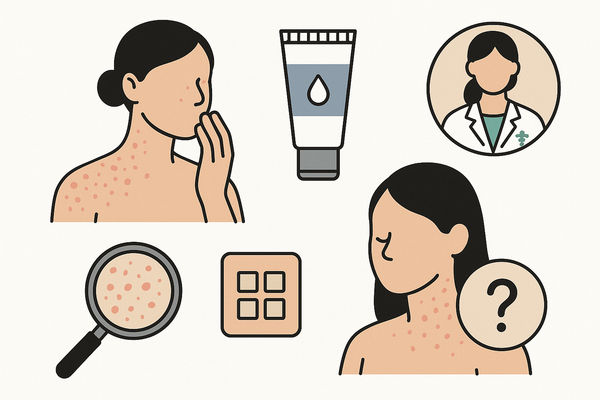
A medication rash is an immune-mediated skin reaction to a drug or its breakdown products. It can manifest as flat red spots, hives, blisters, or peeling skin, sometimes accompanied by fever or swelling.
In this guide, you will learn how to recognize early symptoms, obtain a proper diagnosis, and safely relieve discomfort. Our goal is to provide clear, actionable steps for identifying and managing drug-induced rashes.
For detailed symptom descriptions and initial differentiation, see Identifying Drug-Induced Rash Symptoms.
II. Understanding Medication Rashes
Immune mechanisms
- Immediate reactions (IgE-mediated): occur within minutes to hours, presenting as hives, swelling, or anaphylaxis.
- Delayed reactions (T-cell–mediated): occur days to weeks later, leading to maculopapular rashes, Stevens-Johnson syndrome (SJS/TEN), or DRESS (drug reaction with eosinophilia and systemic symptoms).
Early symptoms and signs
- Red macules (flat spots) and papules (raised bumps)
- Itching or burning skin
- Hives (itchy, raised welts)
- Mild swelling of skin or lips
Common culprit medications
- Antibiotics: penicillins, sulfonamides, cephalosporins
- Anticonvulsants: carbamazepine, lamotrigine, phenytoin
- NSAIDs (ibuprofen, naproxen)
- Allopurinol (gout medicine)
- Some antiretrovirals and cancer therapies
III. Identifying a Medication-Induced Rash
Structured differentiation steps
- Review all new or changed prescription, OTC, herbal, and topical agents in the past 1–8 weeks.
- Match rash onset timing:
- Minutes–hours – immediate reactions.
- 4–14 days – morbilliform (measles-like) eruptions.
- 1–6 weeks – severe reactions (SJS/TEN, DRESS).
- Evaluate rash pattern and distribution:
- Symmetric on trunk/limbs suggests drug eruption.
- Localized areas (sun, friction) suggest other causes.
- Check for systemic symptoms: fever, facial swelling, lymphadenopathy, organ involvement.
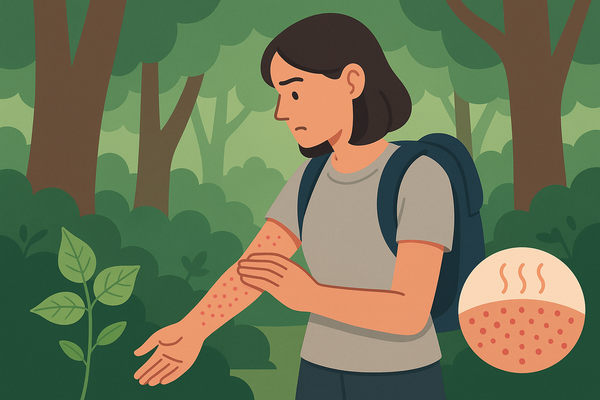
- Exclude other triggers: infections, new skin products, insect bites, chronic skin conditions.
Importance of precise timing
Tracking when you started or changed a medication versus when the rash began is critical. Accurate dates help pinpoint the culprit drug and guide treatment decisions.
Role of professional diagnosis
- Contact your prescribing clinician before stopping any essential medication.
- Dermatologists can perform skin biopsies and manage complex cases, especially severe cutaneous adverse reactions (SCARs).
IV. Medication Rash Treatment Options
1. Discontinuation or adjustment
- Under medical supervision, stop the offending drug; most rashes clear in 1–2 weeks.
- Pause non-essential medications and reintroduce one at a time if needed.
- Substitute with chemically unrelated alternatives when possible.
For long-term management of drug allergy rashes, see Managing Drug Allergy Rash.
2. Symptom-directed therapies (mild to moderate)
- Oral antihistamines: diphenhydramine, cetirizine, loratadine (prescription options for severe itch).
- Topical corticosteroids: hydrocortisone or stronger prescription steroids.
- Systemic corticosteroids: short tapers for simple eruptions; extended courses under supervision for DRESS.
3. Emergency and severe reaction management
- Epinephrine for anaphylaxis, plus IV antihistamines and systemic steroids.
- Hospitalization: IV fluids, nutrition, pain control, infection prevention.
- Advanced therapies: IVIG for SJS/TEN; cyclosporine in select cases.
V. Home Care and Preventative Measures
Home comfort measures
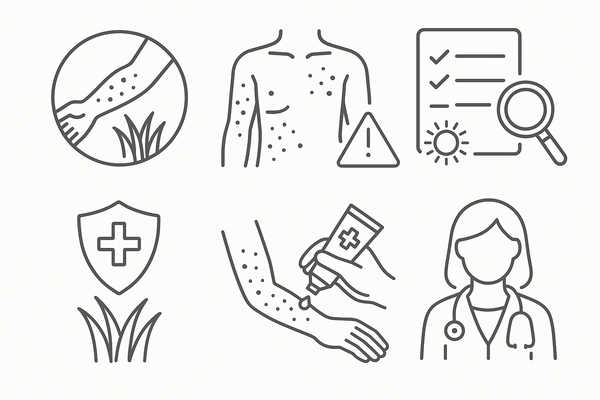
- Cool compresses or baths to relieve itching and burning.
- Gentle, fragrance-free moisturizers to repair the skin barrier.
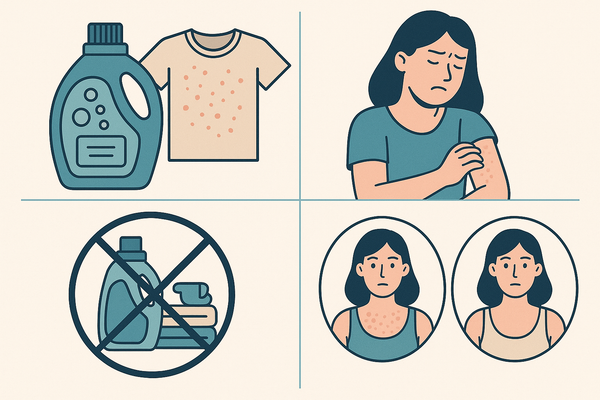
- Avoid heat, friction, harsh soaps, and perfumes.
- Wear loose, soft clothing.
- Use approved OTC antihistamines and low-strength topical cortisone as directed.
Preventative strategies
- Keep a detailed medication and allergy list (drug name, reaction type/severity).
- Avoid re-exposure to confirmed culprit drugs, especially after severe reactions.
- Start high-risk medications with proper titration and close monitoring—daily skin checks for 1–6 weeks.
- Discuss genetic/comorbidity risk factors and pre-prescription testing with your clinician.
VI. When to Seek Medical Help
Urgent warning signs
Seek emergency care if you have:
- Rapidly spreading or painful rash, blistering, peeling, mucosal involvement (mouth/eyes/genitals).
- Facial or throat swelling, difficulty breathing, fainting, low blood pressure.
Same-day evaluation signs
Get same-day care if you have:
- Spreading rash with fever, pain, or eye/mouth/genital involvement.
Outpatient consultation
- Prescribing clinician: to adjust or stop medication and start treatment.
- Board-certified dermatologist: for unclear, persistent, or severe cases.
Preparing for appointments
Bring a complete list of all medications (including OTC and supplements) with start and dose-change dates to your visit.
VII. Conclusion: Effective Medication Rash Treatment
Medication rashes range from mild to life-threatening. Early recognition, precise timing, and prompt medical evaluation are key. Effective treatment combines:
- Prompt, supervised drug withdrawal or adjustment
- Symptom relief with antihistamines and corticosteroids
- Emergency care for severe reactions (anaphylaxis, SJS/TEN, DRESS)
Maintain accurate records, monitor skin changes when starting new medications, and consult healthcare providers early.
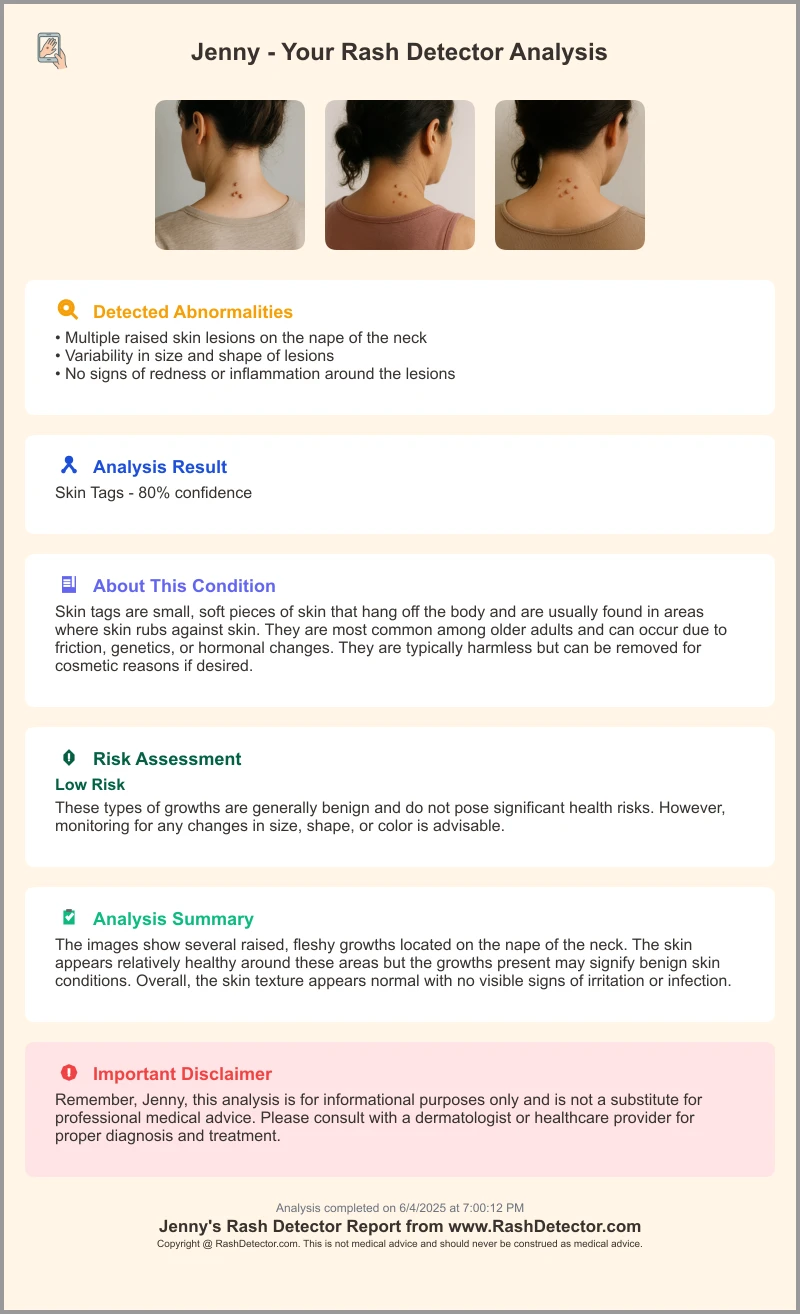
For instant preliminary analysis and a structured report, consider using Rash Detector, a convenient AI skin analysis app.
FAQ
Q: What causes medication rashes?
They result from immune reactions to drugs or their metabolites, manifesting through various mechanisms like IgE-mediated or T-cell–mediated responses.
Q: How do I differentiate immediate from delayed reactions?
Immediate reactions appear within minutes to hours; delayed reactions occur days to weeks later and often present as maculopapular eruptions or severe cutaneous adverse reactions.
Q: Can I treat a mild rash at home?
Yes, with cool compresses, gentle moisturizers, OTC antihistamines, and low-strength topical steroids—unless you experience severe symptoms.
Q: When should I seek emergency care?
If you have blistering, peeling, mucosal involvement, facial or throat swelling, or breathing difficulty, call emergency services immediately.
Q: Is it safe to reintroduce a medication after a rash?
Only under strict medical guidance—clinicians may perform graded challenges or choose alternatives based on risk and history.
撮影やイベントに使う衣装は、再現度に加えて動きやすさと着用時間も考えて選びましょう。商品仕様や選び方を比べたい場合は、初音ミク コスプレ衣装 通販から関連情報を確認できます。最後に衣装全体を試着し、正面だけでなく横や後ろからもシルエットを確認すると安心です。