Why Do Rashes Occur During Pregnancy? Causes, Types, and What to Know
Learn why rashes occur during pregnancy, common causes, types like PUPPP, and when to seek help. Comprehensive guide for expectant mothers.

Estimated reading time: 15 min
Key Takeaways
- Pregnancy triggers hormonal, immune, and physical changes that can cause or worsen skin rashes.
- Common causes include heat rash, contact dermatitis, fungal infections, and specific pregnancy rashes like PUPPP.
- Itching and rashes can sometimes signal serious conditions like cholestasis—always seek medical advice for severe symptoms.
- Pre-existing skin conditions like eczema may flare up during pregnancy due to hormonal shifts and stress.
- Apps like Rash Detector can help analyze rashes, but a definitive diagnosis requires a healthcare provider.
Table of Contents
- Section 1: How Pregnancy Changes Your Skin
- Section 2: Common Types of Pregnancy Rashes
- Section 3: Underlying Causes—Why Do Rashes Occur During Pregnancy?
- Section 4: Non-Pregnancy-Specific Rashes During Pregnancy
- Section 5: Recognizing Dangerous Rashes—When to Seek Medical Help
- Section 6: Managing and Preventing Pregnancy Rashes
Section 1: How Pregnancy Changes Your Skin
Hormonal Fluctuations and Skin Sensitivity
During pregnancy, your body undergoes dramatic hormonal changes. Estrogen and progesterone levels increase, affecting almost every organ—including your skin. These hormones can increase skin sensitivity, making you more prone to irritation, itchiness, and rashes. Many people notice their skin becomes drier, oilier, or more reactive, and substances that never previously caused problems may now trigger rashes or allergic reaction rashes.
For example, some people develop new sensitivities to jewelry, laundry detergents, or even their regular skincare products. What once felt soothing might suddenly cause redness or itching. This heightened reactivity is thought to be related to the way hormones alter the skin barrier and immune response. In addition, hormonal changes can disrupt the normal balance of skin lipids, which means the skin may lose moisture faster, resulting in dryness, flakiness, and discomfort.
Blood Flow, Heat, and Sweat Production
Pregnancy increases your blood volume significantly. This increased circulation helps nourish your growing baby, but it also makes you feel warmer. You may sweat more, especially in skin folds like under the breasts, belly, and thighs. All this extra heat and moisture creates an environment that can encourage heat rash (prickly heat) and fungal skin rashes. Learn about practical tips to prevent heat rash if you are struggling with excess sweating.
Higher blood flow also results in more pronounced blood vessels at the skin’s surface, sometimes leading to redness (also known as erythema), visible capillaries (spider veins), or flushing. The body’s attempt to dissipate heat leads to increased perspiration, and sweat trapped in blocked pores can cause tiny, itchy bumps characteristic of heat rash. Such skin changes are particularly common in hot climates or during warmer months.
Immune System Changes
Your immune system adapts during pregnancy to prevent rejection of the fetus. These changes can cause immune responses to shift, sometimes triggering or worsening pre-existing skin conditions (like eczema) or resulting in new rash patterns. In some cases, immune system shifts can contribute to autoimmune-related pregnancy rashes such as pemphigoid gestationis.
This immune modulation is complex; some aspects of immunity are suppressed while others are activated. For instance, the body may become more tolerant to the fetus but less effective at fending off certain skin infections, which can increase vulnerability to viral, bacterial, or fungal rashes. Meanwhile, autoimmune flares (where the immune system attacks the body's own tissues) may become more likely, leading to rare but specific pregnancy rashes.
- Key point: Hormonal, circulatory, and immune system changes during pregnancy set the stage for various types of rashes, making your skin more vulnerable than usual.
Section 2: Common Types of Pregnancy Rashes
PUPPP (Pruritic Urticarial Papules and Plaques of Pregnancy)
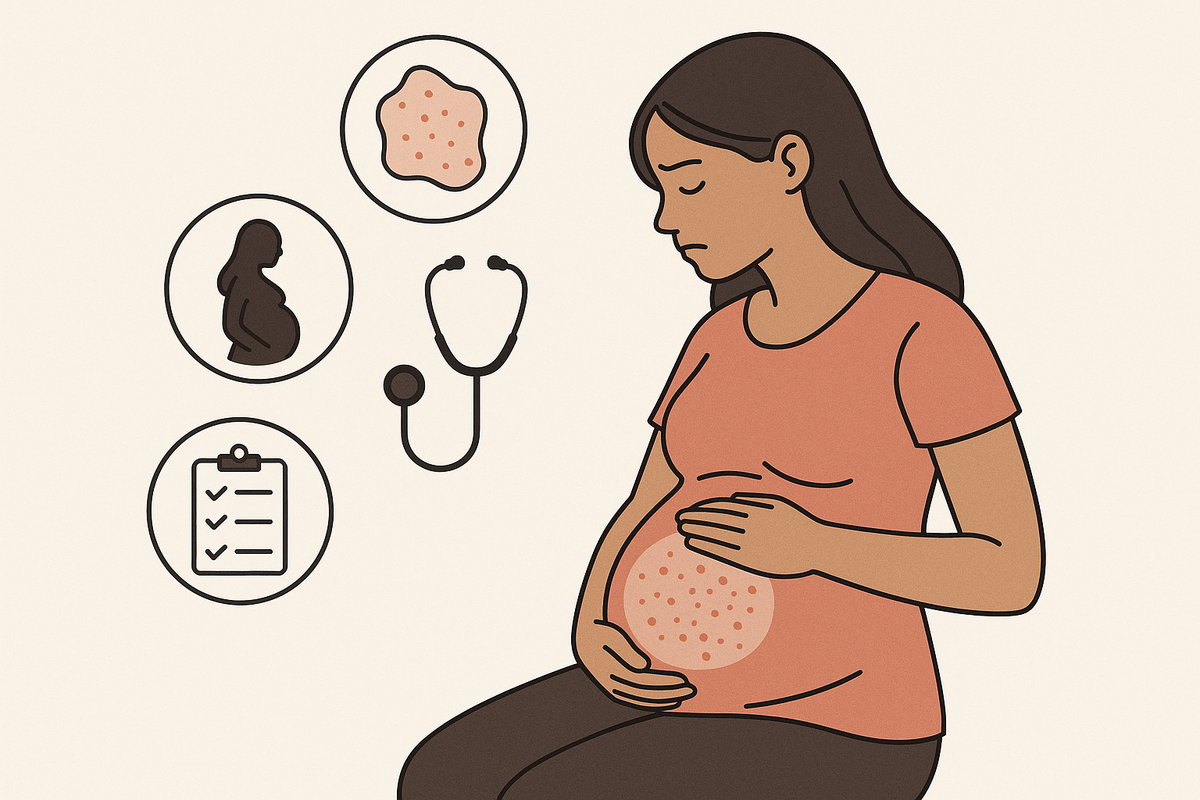
PUPPP rash, also known as polymorphic eruption of pregnancy (PEP), is considered the most common pregnancy-specific rash. It typically emerges in the third trimester and starts as itchy, red bumps in stretch marks on the belly, often spreading to the thighs, buttocks, and sometimes arms. The rash is not considered dangerous but can be extremely uncomfortable.
- PUPPP is more frequently reported in first pregnancies and those carrying multiples.
- The rash usually spares the face, palms, and soles.
- It may look like hives but tends to form plaques and is intensely itchy.
- Symptoms often worsen at night, disrupting sleep.
- The rash typically resolves within a few weeks after delivery.
People with PUPPP commonly report that the itching begins in stretch marks and feels deep and persistent. The affected skin may appear raised, red, and in clusters, and scratching often leads to excoriations or secondary infection if not managed carefully. While the rash is uncomfortable, it is not known to pose a threat to the baby.
Prurigo of Pregnancy
This condition causes small, itchy, red bumps (papules) on the arms, legs, or torso. Unlike PUPPP, it can appear at any time during pregnancy. The bumps often become scabbed from scratching and may persist for weeks.
- Prurigo can start in the first, second, or third trimester.
- Lesions are usually discrete and can number in the dozens or more.
- Itching is often worse at night and may interfere with sleep.
- Prurigo may persist postpartum for several weeks.
Careful skin care and medical advice are important, as persistent scratching can result in scarring or secondary infection. Treatment typically focuses on relieving itch and preventing skin damage.
Other Pregnancy-Specific Rashes
- Pemphigoid gestationis: A rare autoimmune rash that starts around the belly button and spreads, forming blisters.
- Impetigo herpetiformis: A pustular psoriasis variant, very rare, causing pustules and systemic symptoms like fever.
- Cholestasis of pregnancy: Technically not a rash, but causes severe itching (especially on hands/feet) due to liver dysfunction. Usually, there is no rash, but scratching may cause marks.
Pemphigoid gestationis often begins in the second or third trimester and can progress rapidly. The blisters may burst, leaving areas of raw skin that are prone to infection. This condition requires medical management and close monitoring due to potential risks for both the mother and baby.
Impetigo herpetiformis is characterized by the appearance of pustules that may merge into larger plaques, often accompanied by systemic symptoms such as fever, nausea, and malaise. This condition is considered a medical emergency and needs prompt treatment.
With cholestasis of pregnancy, the skin may look normal but the urge to scratch is overwhelming. This can lead to marks or sores, especially on the hands, feet, arms, or legs. Because of the baby’s risk, cholestasis is always managed in consultation with your OB-GYN.
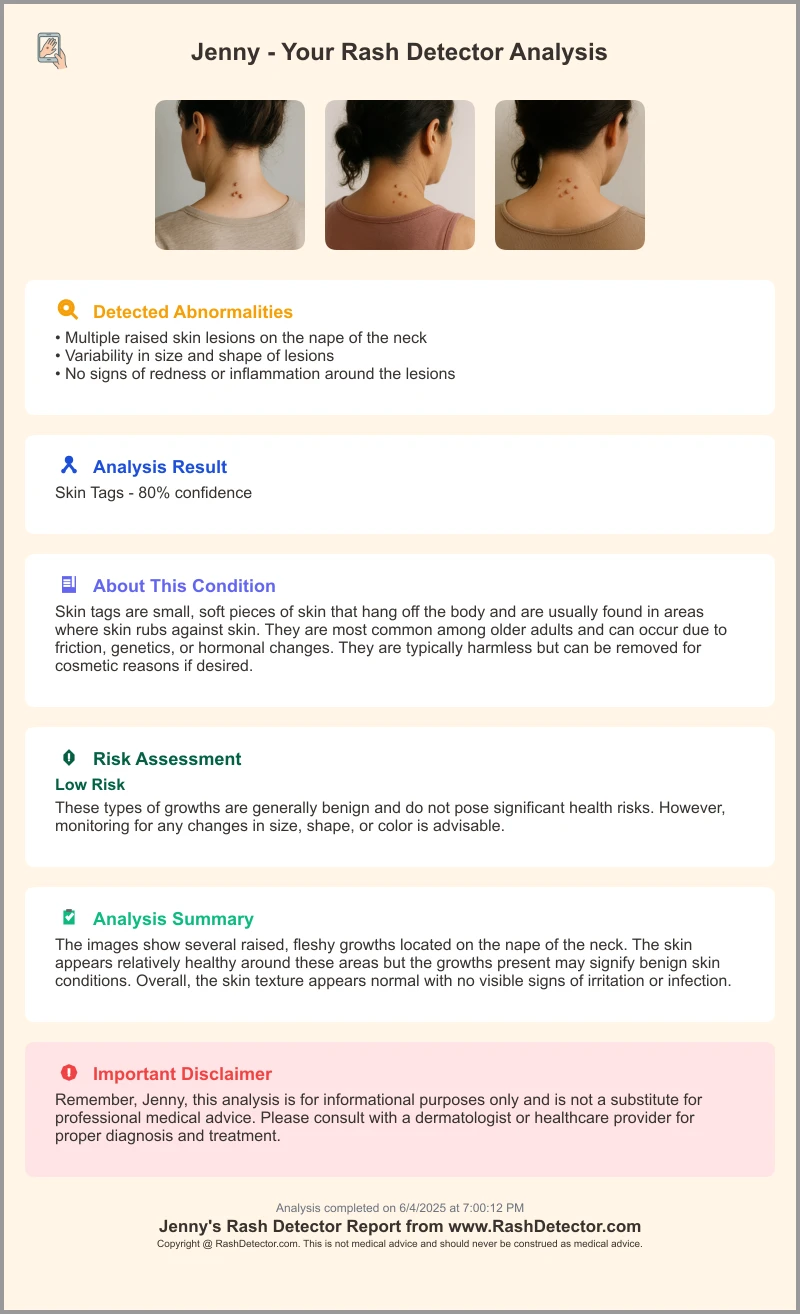
For a closer look at how rashes present, Rash Detector can help analyze images and offer possible explanations, but always consult a healthcare provider for diagnosis.
Section 3: Underlying Causes—Why Do Rashes Occur During Pregnancy?
Skin Stretching and Friction
As your belly, breasts, and thighs expand, the skin stretches and can develop micro-tears. This stretching, combined with friction from clothing or skin folds, can lead to irritation, chafing, and the formation of rashes. Areas prone to moisture retention—like under the belly, breasts, or between thighs—can develop heat rash or even fungal skin rash due to trapped sweat.
- Skin folds are warm and moist, which can promote fungal overgrowth.
- Chafing can break down the skin barrier, increasing risk for infection and irritation.
For example, people in the third trimester may notice redness, itching, or stinging under the belly where skin overlaps. Tight clothing, especially synthetic fabrics, can worsen friction and trap sweat. Using gentle, non-irritating powders (not talc-based) and wearing loose cotton clothing can help reduce risk and discomfort.
Hormonal and Immune Factors
Pregnancy hormones can increase skin dryness or oiliness, leading to sensitivity. The immune system, altered to allow fetal growth, sometimes misfires—contributing to autoimmune rashes or amplifying allergic reactions to products (soaps, lotions, fragrances) that never caused a problem before. This can result in contact dermatitis (rash from direct irritation or allergy to something touching the skin).
This may explain why some people suddenly develop rashes in response to jewelry, new soaps, or exposure to common allergens like nickel or fragrances. The skin's barrier function can be weakened due to hormonal influence, making it easier for allergens or irritants to penetrate and trigger inflammatory reactions.
Heat, Sweat, and Blood Flow
With more blood circulating, your body temperature may rise. Excessive sweating can clog sweat glands, resulting in heat rash (miliaria). Heat rash causes small, red, sometimes stinging bumps, especially in areas with poor ventilation.
For instance, during summer or in warmer climates, pregnant people may develop prickly, red patches under the breasts or the abdomen. These rashes typically resolve with cooling the skin and improving ventilation. However, persistent or worsening symptoms should prompt a check for secondary infection.
Cholestasis of Pregnancy
This liver condition can cause severe itching, especially at night, without any visible rash. High bile acids in the blood are considered dangerous for the baby and require medical intervention. If itching is severe and not linked to a visible rash, consult your OB-GYN promptly.
While there may be no visible skin changes at first, persistent scratching can result in excoriations (linear scratch marks), bleeding, or even secondary infection. Prompt diagnosis is important since cholestasis can increase the risk of preterm delivery or complications for the baby. Symptoms may be worse on the palms and soles, and routine blood tests can help confirm the diagnosis.
Section 4: Non-Pregnancy-Specific Rashes During Pregnancy
Pre-Existing Skin Conditions
Many people find that skin conditions such as eczema (atopic dermatitis) or psoriasis flare up or change during pregnancy. Hormonal shifts and increased stress can worsen these. Chronic hives (urticaria) may also reappear.
- If you have a history of eczema, you may see new patches or more intense itching.
- Autoimmune skin diseases may worsen or sometimes improve, depending on the individual.
For example, a person with psoriasis may find their plaques become thicker, spread to new areas, or, occasionally, improve. Eczema, on the other hand, often becomes more troublesome, especially in winter or in dry environments. Pregnancy can also unmask previously mild dermatologic conditions, making them more prominent or symptomatic.
Infectious Rashes
Pregnant people can be susceptible to viral (e.g., chickenpox, shingles), bacterial (e.g., impetigo), and fungal skin rashes (e.g., candidiasis). Fungal rashes particularly thrive in warm, moist skin folds. Any new, widespread, or blistering rash should be evaluated by a doctor, as some infections can harm the fetus.
For instance, candidiasis (yeast infection) often appears as red, moist patches with satellite lesions in areas like under the breasts or in the groin. Bacterial infections such as impetigo can cause honey-colored crusts on the skin, while viral rashes may present as vesicles or widespread redness. Some infections, such as rubella or herpes, are especially concerning during pregnancy due to potential risk to the developing fetus.
Allergic Reactions and Contact Dermatitis
Exposure to new detergents, skincare products, or even plants can cause allergic reaction rash or contact dermatitis. These rashes are often red, itchy, and may blister or peel. The skin's increased sensitivity during pregnancy may make allergic and irritant reactions more common.
For example, switching to a new laundry detergent or coming into contact with poison ivy can cause a rash within hours to days. The rash may be sharply demarcated, with swelling, weeping, or crusting. Identifying and avoiding the trigger is key, and topical treatments may help soothe symptoms.
Drug Rashes and Medical Reactions
Some medications prescribed during pregnancy can lead to a drug rash—a skin reaction triggered by an allergic or non-allergic response to a drug. Drug rashes may be mild (red, spotty) or severe (blistering, widespread). Learn more about drug rash causes and symptoms and when to seek urgent care.
- Antibiotics and prenatal vitamins are among the medications that can sometimes cause rashes.
- Never stop prescribed medication without discussing with your provider.
Drug-induced rashes can appear as simple pink or red spots (morbilliform rash), or as more severe reactions such as Stevens-Johnson syndrome (SJS), which is rare but very serious. Any medication-related rash should be reported to your doctor promptly, especially if accompanied by fever, blisters, or mucosal involvement (mouth, eyes, genitals).
Other Medical Causes
- Diabetes skin rash: Pregnant people with gestational diabetes may develop certain rashes linked to blood sugar control.
- Stress rash: Emotional stress during pregnancy can sometimes result in hives or flare-ups of existing skin problems.
For example, poorly controlled blood sugar can lead to dry, itchy skin or more frequent infections. Stress, which is common during pregnancy, may trigger episodes of urticaria, presenting as raised, red, and itchy welts that come and go. Managing underlying medical conditions with the help of your healthcare team is important for skin health during pregnancy.
Section 5: Recognizing Dangerous Rashes—When to Seek Medical Help
Warning Signs and Symptoms
Most pregnancy rashes are benign and resolve after delivery. However, certain symptoms may indicate a serious underlying problem. Seek prompt medical attention if you experience:
- Sudden, severe, or rapidly spreading rash
- Blisters, open sores, or intense pain
- Rash with fever, joint pain, or swelling
- Persistent, severe itching—especially on hands and feet (possible cholestasis)
- Any rash accompanied by difficulty breathing (possible severe allergic reaction)
Other warning signs include skin that is warm to the touch, oozing pus, or associated with systemic symptoms such as headaches, dizziness, or confusion. Rashes that involve the eyes, mouth, or genitals should be evaluated immediately, as they may indicate serious systemic reactions.
Cholestasis of Pregnancy
This liver disorder often presents as intense itching with little or no rash. It is associated with increased risk to the baby and requires urgent medical management. Blood tests for bile acids and liver function are standard. If you suspect cholestasis, call your doctor promptly.
Additional symptoms may include dark urine, pale stools, or yellowing of the skin/eyes (jaundice). Cholestasis can increase the risk of preterm birth and fetal distress, so early identification and monitoring are important. Your doctor may recommend more frequent fetal monitoring and, in some cases, early delivery if the risk to the baby is high.
When to See a Dermatologist
If a rash is severe, persistent, spreading, or not responding to simple measures, a dermatologist can help determine the cause and recommend safe treatments. This is especially important if there is concern for drug rash, autoimmune conditions, or infectious causes. For more information about managing rashes from medications, read our guide on drug rash treatment and solutions.
Dermatologists are trained to differentiate between benign and dangerous rashes, and can offer biopsies or specialized testing if needed. They can also coordinate care with your OB-GYN to ensure treatments are safe for pregnancy.
Always consult your doctor or dermatologist for diagnosis and treatment. This article is for general educational purposes only. For any severe, spreading, painful, or persistent rash, seek urgent medical evaluation.
Section 6: Managing and Preventing Pregnancy Rashes
Skin Care and Daily Habits
Simple measures can help prevent and manage pregnancy rashes:
- Wear loose, breathable clothing made of natural fibers.
- Keep skin folds dry; use talc-free powders if needed.
- Shower after sweating and gently pat skin dry.
- Avoid hot showers, which can dry out the skin.
- Moisturize with fragrance-free, hypoallergenic creams.
- Avoid harsh soaps or detergents that strip the skin of natural oils.
- Use a humidifier in dry climates or winter months to prevent skin from drying out.
- Change out of wet or sweaty clothes as soon as possible.
For those prone to heat or sweat rashes, stay in cool environments, use fans, and avoid prolonged exposure to direct sunlight. Applying a cold, damp washcloth to irritated areas can bring relief. Always gently pat, not rub, your skin dry after bathing to avoid further irritation.
Topical Treatments
For mild itching, over-the-counter remedies like calamine lotion, oatmeal baths, or hydrocortisone (if approved by your doctor) may help. Learn more about choosing safe creams in our guide to the best anti-itch creams for sensitive skin.
Oatmeal baths, in particular, can be soothing for widespread itching or irritation. You can find colloidal oatmeal at most pharmacies or make your own by grinding plain oats into a fine powder. Apply moisturizer immediately after bathing to lock in moisture. If using any medicated cream, use the smallest amount necessary and only under the supervision of your healthcare provider.
When to Avoid Self-Treatment
- Never use strong steroids or prescription medications without medical supervision.
- If the rash worsens or spreads, seek medical evaluation.
- Monitor for signs of infection: pus, warmth, swelling, or severe pain.
- Do not use over-the-counter antifungal or antibacterial creams without checking with your doctor, as some are not recommended in pregnancy.
Certain over-the-counter treatments may not be safe in pregnancy, especially if absorbed through broken skin. Always confirm with your doctor before starting any new medication or topical application.
The Role of Technology
Apps like Rash Detector allow you to upload images and get instant AI-powered insights on possible causes and next steps. While technology can help you track and understand your symptoms, it is crucial to follow up with your healthcare provider for diagnosis and treatment—especially during pregnancy.
For example, you can use Rash Detector to monitor changes in the rash over time, keep a photographic record for your doctor, and access educational resources about common skin issues in pregnancy. However, the app’s analysis is informational, not diagnostic. Any worsening, spreading, or severe symptoms require in-person medical assessment.
Conclusion
Pregnancy is a unique phase that brings dramatic changes to your skin. Understanding why rashes occur during pregnancy can help you stay vigilant, address symptoms early, and seek the right care. Most rashes are harmless, but some signal important underlying issues. Always listen to your body, and do not hesitate to consult your doctor or dermatologist for a proper diagnosis—especially for severe, spreading, or persistent rashes. For more detailed information about specific rash types, visit the Rash Detector website or review our guides on skin rash treatment options and prevention tips.
FAQ
Q: What causes rashes during pregnancy?
A: Rashes in pregnancy can be triggered by hormonal changes, immune system shifts, skin stretching, heat, sweat, contact dermatitis, allergic reactions, infections, and pregnancy-specific conditions like PUPPP or cholestasis. Pre-existing skin conditions may also flare up.
Q: Is it normal to get a rash while pregnant?
A: Yes, it is relatively common for pregnant people to develop rashes due to the body’s many changes. Most are harmless, but any new, severe, or spreading rash should be evaluated by your healthcare provider.
Q: What does PUPPP rash look like during pregnancy?
A: PUPPP starts as itchy, red bumps in stretch marks on the belly and may spread to thighs, buttocks, and arms. It forms plaques and is very itchy, but usually spares the face, hands, and feet.
Q: Can pregnancy hormones cause itchy skin or hives?
A: Yes. Increased hormone levels can make skin more sensitive and prone to dryness, itchiness, and even hives. Hormonal changes may also worsen existing skin conditions like eczema or urticaria.
Q: How do you know if itching in pregnancy is cholestasis?
A: Cholestasis usually causes severe, persistent itching (especially on the hands and feet) without a visible rash. If you suspect cholestasis, contact your doctor promptly for evaluation and blood tests.
Q: When should I see a doctor for a rash during pregnancy?
A: See a doctor if your rash is severe, widespread, blistering, accompanied by fever or pain, or if you have intense itching without a rash (possible cholestasis). Always seek professional evaluation for diagnosis and safe treatment.