What to Do If a Rash Is Progressing: Essential Steps & Guidance
Discover what to do if a rash is progressing, including when to seek help, home care, and fast digital analysis using Rash Detector. Quick, actionable advice.

Estimated reading time: 7 min
Key Takeaways
- If a rash is progressing, act quickly to identify causes and relieve symptoms.
- Monitor for signs of severe reactions or infection that require urgent care.
- Use digital tools like Rash Detector for fast, expert guidance.
- Adjust home care strategies as the rash evolves.
Table of Contents
- Section 1: Understanding Rash Progression
- Section 2: Immediate Actions to Take
- Section 3: When to Seek Medical Attention
- Section 4: Using Rash Detector for Fast Answers
- Section 5: Home Management Tips
- Conclusion
- FAQ
Section 1: Understanding Rash Progression
What Does It Mean If a Rash Is Progressing?
Knowing what to do if a rash is progressing begins with recognizing what "progressing" actually means. This typically involves:
- Expansion: The rash is spreading to new areas of the body.
- Intensity: Symptoms like redness, swelling, or pain are increasing.
- Complications: Blisters, oozing, or signs of infection are developing.
Common Causes of Progressing Rashes
Several triggers can cause a rash to worsen:
- Allergic reactions (food, medication, contact allergens)
- Infections (bacterial, viral, or fungal)
- Autoimmune conditions
- Worsening eczema or psoriasis
If you recently started a new medication, see our guide on rash from medication: causes, symptoms & next steps.
Section 2: Immediate Actions to Take
Stop Suspected Triggers
Immediately discontinue any new skincare products, foods, or medications (but consult your doctor if the medication is prescribed and essential).
Document the Rash
- Take clear photos as the rash changes.
- Note any new symptoms (fever, swelling, pain, breathing difficulties).
- Track when and where the rash spreads.
Protect the Area
- Avoid scratching or rubbing the rash.
- Keep the area clean and dry.
Section 3: When to Seek Medical Attention
Red Flags Requiring Immediate Care
- Difficulty breathing or swallowing
- Swelling of the lips, tongue, or face
- High fever, confusion, or severe pain
- Signs of infection (pus, red streaks, rapidly worsening redness)
If you suspect a drug allergy, see our in-depth post on drug allergy rash: identification, causes, and what to do.
Other Situations Requiring Medical Advice
- The rash covers a large portion of your body.
- Symptoms don’t improve with basic care.
- You have underlying health conditions (immunosuppression, chronic illness).
Section 4: Using Rash Detector for Fast Answers
Why Use Rash Detector?
If you’re unsure what to do if a rash is progressing, the Rash Detector app offers instant, AI-powered analysis. Upload up to three images of your rash and receive personalized feedback on possible causes and next steps.
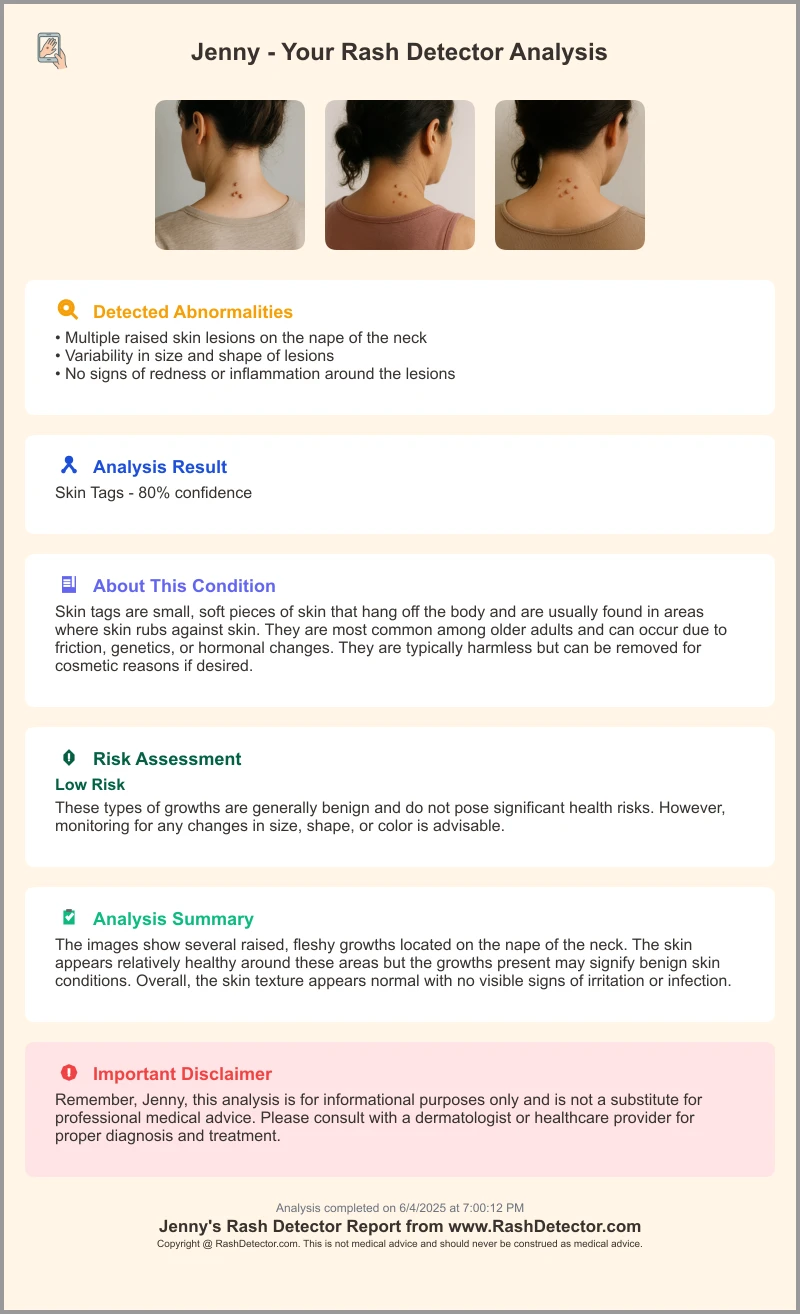
How Rash Detector Works
- Take clear, well-lit photos from different angles.
- Submit up to three images for more accurate analysis.
- Get instant suggestions and guidance based on your rash’s features.
Benefits of Digital Analysis
- Quick answers when symptoms are changing rapidly.
- Peace of mind between doctor’s visits.
- Useful documentation for sharing with healthcare providers.
Section 5: Home Management Tips
Managing Common Symptoms
- Itching: Use a gentle, fragrance-free moisturizer. For acute itching, see our post on best anti itch creams.
- Redness or Swelling: Apply a cool compress for short periods.
- Dryness or Scaling: Keep skin hydrated but avoid heavy, greasy ointments unless recommended.
What to Avoid
- Scratching, which can worsen irritation or cause infection.
- Harsh soaps, scented products, or alcohol-based lotions.
- Covering the rash with tight or non-breathable fabrics.
Monitoring Progress
- Continue tracking symptoms daily.
- If the rash continues to get worse, re-evaluate and consider medical advice.
If you need ongoing treatment ideas, see skin rash treatment: effective solutions and smart tools for more strategies.
Conclusion
When you’re faced with a progressing rash, rapid assessment and action are key. Monitor your symptoms carefully, avoid triggers, and don’t hesitate to reach out for medical help if red flags appear. Digital tools like Rash Detector can empower you with fast, informed guidance, helping you decide your next steps with confidence.
FAQ
Q: What should I do first if my rash is spreading?
A: Stop any new products or medications and document the rash’s progression with photos. Monitor for severe symptoms.
Q: Can Rash Detector diagnose my rash?
A: Rash Detector provides guidance and possible causes, but it’s not a substitute for a professional diagnosis if your symptoms are severe or worsening.
Q: When should I go to the ER for a rash?
A: Go to the ER if you have trouble breathing, swelling of your face or throat, high fever, or rapidly spreading redness with pain.