Viral Rash in Adults: Causes, Symptoms, and What to Do
Learn what a viral rash in adults looks like, causes, symptoms, treatment, and when to see a doctor. Comprehensive guide for shingles, COVID-19, and more.
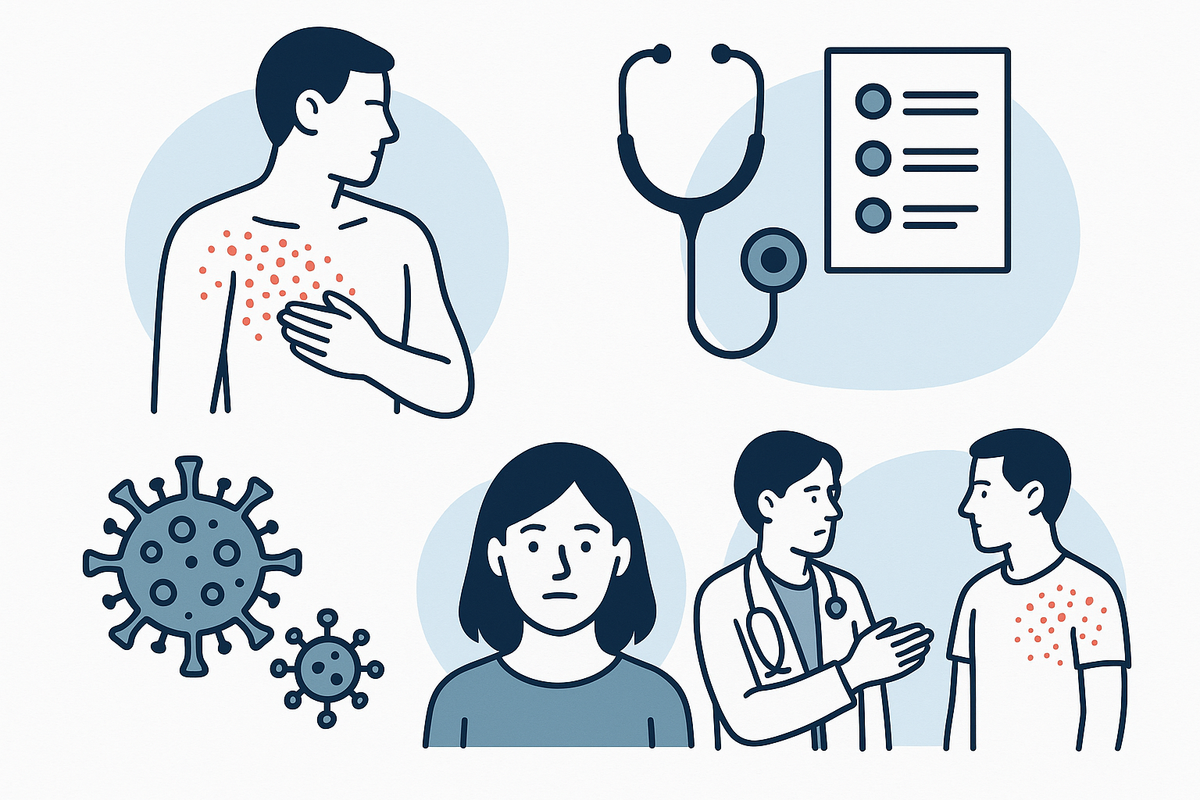
Estimated reading time: 13 min
Key Takeaways
- Viral rashes in adults can be caused by a range of infections, including shingles, COVID-19, and measles.
- Symptoms may include itchy, painful, blotchy, or blistering skin—sometimes with fever, headache, or fatigue.
- Location and appearance of the rash can sometimes help distinguish viral causes from allergic or drug reactions, but overlap is possible.
- Treatment focuses on symptom relief; in some cases, antivirals or urgent medical care may be needed.
- Always consult a healthcare professional for diagnosis and if symptoms are severe, spreading, or persistent.
Table of Contents
- Section 1: What Is a Viral Rash in Adults?
- Section 2: Common Causes of Viral Rash in Adults
- Section 3: How a Viral Rash Looks and Feels
- Section 4: Where Viral Rashes Appear and Associated Symptoms
- Section 5: Diagnosis and When to Seek Medical Evaluation
- Section 6: Treatment and Home Care for Viral Rash in Adults
- Section 7: Prevention and Reducing Recurrence
- Section 8: Rash Detector: Smarter Rash Evaluation
- Conclusion
- FAQ
Section 1: What Is a Viral Rash in Adults?
Definition and Overview
A viral rash in adults refers to skin changes—such as spots, blotches, bumps, or blisters—triggered by a viral infection. While viral rashes are often associated with children, they can also affect adults. Unlike allergic or drug-related rashes, viral rashes are the skin's response to fighting off an infection.
How Viral Rashes Differ from Other Rashes
- Allergic rashes (like urticaria or hives) often appear suddenly after exposure to a trigger and are intensely itchy, but usually fade with removal of the trigger.
- Drug rashes can mimic viral rashes but are linked to new medications. For more on this, see our detailed guide on drug rash causes and symptoms.
- Viral rashes tend to be accompanied by systemic symptoms such as fever, fatigue, or swollen glands.
Why Adults Get Viral Rashes
Adults may develop viral rashes during primary infection (first encounter with a virus) or when a dormant virus, such as varicella-zoster (which causes shingles), reactivates. Factors such as a weakened immune system, close contact with children, or outbreaks in the community can increase risk.
Key Points
- Viral rashes often signal an underlying infection and can help with diagnosis.
- Some viral rashes are contagious, while others (like shingles) are less likely to spread via casual contact.
- Early identification may help prevent complications and reduce spread.
Section 2: Common Causes of Viral Rash in Adults
1. Shingles (Herpes Zoster)
Shingles rash is caused by reactivation of the varicella-zoster virus (the same virus that causes chickenpox). It typically starts as pain or tingling in one area, followed by red patches and clusters of fluid-filled blisters.
- Early signs: Burning, itching, or stabbing pain before the rash appears (shingles early signs).
- Location: Usually one side of the body (trunk, face), following a nerve path.
2. COVID-19-Related Rash
Some adults with COVID-19 develop a viral skin rash. This can range from hives-like outbreaks to chilblain-like lesions (sometimes called "COVID toes") and can appear on the trunk, limbs, or extremities.
3. Mononucleosis (Epstein-Barr Virus)
Mononucleosis can cause a faint, widespread rash, especially if the patient has taken certain antibiotics like amoxicillin. Accompanying symptoms include sore throat and swollen glands.
4. Measles and Rubella
- Measles: Starts with fever, cough, and conjunctivitis, followed by a blotchy, red rash that begins on the face and spreads downward.
- Rubella (German measles): Causes a mild fever and a fine pink rash, often with swollen lymph nodes.
5. Chickenpox (Varicella)
Though less common in adults (due to widespread vaccination), chickenpox can cause a highly itchy, blistering rash starting on the trunk and face, then spreading.
6. Pityriasis Rosea
This viral rash starts with a single large "herald patch" followed by smaller, scaly spots in a pattern on the trunk. It is not usually itchy and often resolves on its own.
7. Viral Urticaria (Hives)
Some viral infections trigger viral hives, causing raised, itchy welts that move around the body. These are often confused with allergic hives but tend to appear alongside fever or other viral symptoms.
Section 3: How a Viral Rash Looks and Feels
Typical Appearance of Viral Rashes
- Blotchy/red spots: Seen in measles, rubella, and some COVID-19 rashes.
- Blisters: Characteristic of shingles and chickenpox.
- Flat or raised areas: Pityriasis rosea and viral exanthems often have both.
- Widespread vs. localized: Shingles is usually localized, while measles is widespread.
Itchiness and Pain
Many viral rashes are itchy (chickenpox, hives), while others are painful (shingles). Shingles pain can be significant and may last for weeks.
Color and Progression
- Pink or red: Most viral rashes start as pink or red spots or patches.
- Blistering: Fluid-filled blisters appear in shingles or chickenpox.
- Scaly patches: Seen with pityriasis rosea.
Photos and Self-Assessment
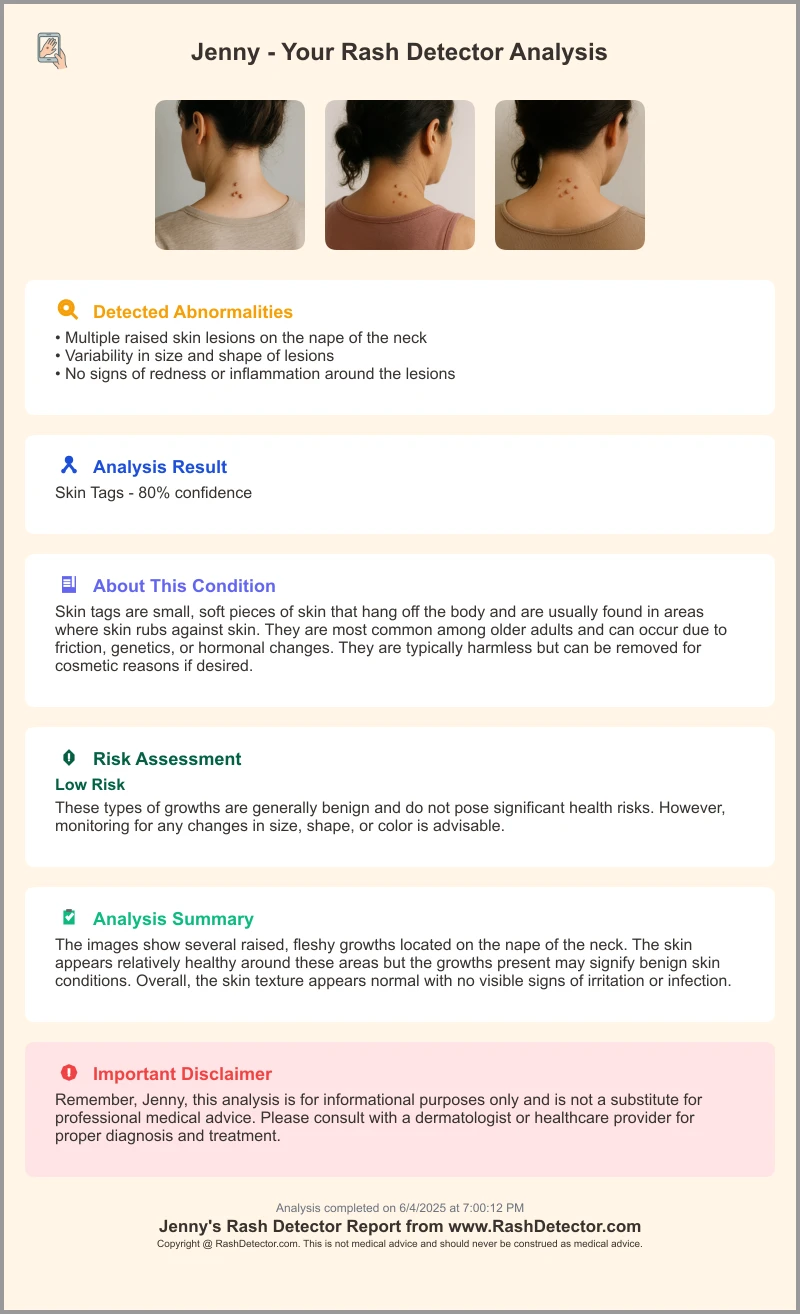
If you're unsure how to identify your rash, consider using a tool like Rash Detector. Uploading three clear images can help analyze the rash for possible causes and suggest next steps.
Section 4: Where Viral Rashes Appear and Associated Symptoms
Common Sites for Viral Rashes in Adults
- Trunk (chest, back, abdomen): Pityriasis rosea, chickenpox, and measles often start here.
- Face: Measles and rubella begin on the face; shingles can affect one side of the face or eye.
- Genitals: Some forms of shingles or herpes simplex can involve the genital area.
- Mouth and eyes: Measles can cause mouth spots (Koplik spots); COVID-19 may involve the eye area.
Associated Non-Skin Symptoms
- Fever: Common with measles, mono, COVID-19, and chickenpox.
- Headache and malaise: General feeling of being unwell is frequent.
- Sore throat, cough: Often seen with measles, rubella, and mono.
- Swollen glands: Rubella and mono can cause lymph node enlargement.
Red Flags Indicating Severe Illness
- Rash spreading rapidly
- Blisters near the eyes or inside the mouth
- Rash with breathing difficulty or swelling of the face/throat
- Painful, pus-filled, or oozing rash
- Rash lasting over a week with no improvement
If you have any of these symptoms, seek urgent medical attention.
Section 5: Diagnosis and When to Seek Medical Evaluation
How Doctors Diagnose a Viral Rash in Adults
Diagnosis is based on history, symptom pattern, and examination of the rash. Doctors may ask:
- When did the rash start and how did it change?
- Are there any accompanying symptoms (fever, pain, cough)?
- Any recent exposures to sick individuals or travel history?
- Have you started new medications? (To rule out drug rash—see drug rash treatment).
Occasionally, lab tests (blood work, viral swabs) or a skin biopsy may be needed if the diagnosis is unclear or severe disease is suspected.
When to See a Doctor
- Rash is spreading quickly or involves the face, eyes, or genitals.
- Associated with high fever, severe pain, or breathing trouble.
- Rash lasts longer than a week or fails to improve with home care.
- There is pus, oozing, or signs of infection.
Never attempt to self-diagnose a serious or persistent rash. Consult a doctor or dermatologist for accurate diagnosis and treatment—especially if you are immunocompromised or pregnant.
Section 6: Treatment and Home Care for Viral Rash in Adults
Supportive Care Approaches
- Antihistamines: May help reduce itching, especially for viral hives or chickenpox.
- Hydrocortisone cream: May relieve mild inflammation and itching (avoid on open sores or blisters).
- Calamine lotion: Can soothe and cool itchy skin.
- Pain relief: Acetaminophen or ibuprofen may help with fever and discomfort.
- Hydration: Drink plenty of fluids to support recovery.
For more tips on itch relief, check out our guide to the best anti itch creams.
Antiviral Medications
- May be prescribed for shingles (acyclovir, valacyclovir), especially if started within 72 hours of rash onset.
- May be used for severe chickenpox or certain complications.
Antibiotics do not help viral rashes unless there is a bacterial superinfection.
Home Care and Self-Isolation
- Do not scratch: Prevents scarring and secondary infection.
- Practice hand hygiene: Wash hands frequently to reduce spread.
- Stay home: Avoid contact with others, especially those who are pregnant or immunocompromised, until cleared by your doctor.
What Not to Do
- Avoid using harsh soaps or hot water on affected skin.
- Do not apply topical antibiotics unless advised by a physician.
- Don't self-prescribe steroids for widespread rash without medical input.
Section 7: Prevention and Reducing Recurrence
Vaccination
- Shingles vaccine: Recommended for adults over 50; may reduce risk and severity of shingles rash.
- MMR vaccine: Protects against measles and rubella.
- Varicella vaccine: Prevents chickenpox in those not previously exposed or vaccinated.
- COVID-19 vaccines: May reduce risk of viral rashes linked to coronavirus infection.
Avoiding Sick Contacts and Good Hygiene
- Wash hands regularly and avoid sharing towels or bedding with infected individuals.
- Practice cough and sneeze etiquette.
- Avoid close physical contact with those known to have contagious viral rashes.
Managing Recurrence Risks
- For shingles, minimizing stress and maintaining immune health may help.
- If you have frequent viral hives, track triggers and discuss with your physician.
Interested in other skin health tips? Learn how to do a skin self-exam at home for early detection of skin changes.
Section 8: Rash Detector: Smarter Rash Evaluation
How Rash Detector Works
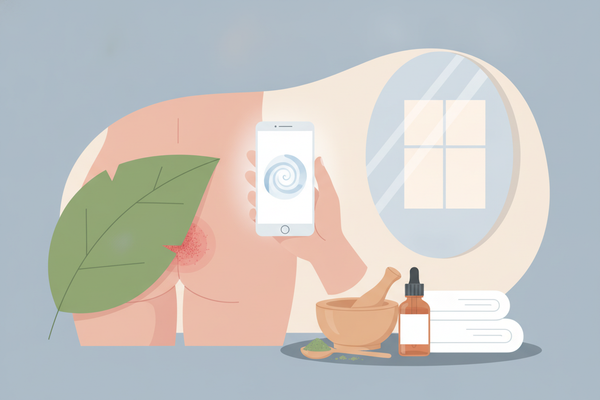
Rash Detector is an AI-powered app designed to help adults identify possible causes of their skin rashes. Simply upload three images of your rash or skin issue and receive an instant, personalized analysis. The report may include possible viral, allergic, or drug-induced causes—plus recommendations for next steps, including when to seek medical attention.
Benefits for Adults with Viral Rash
- Quick, convenient pre-evaluation from home
- May help differentiate between viral, allergic, and drug rashes
- Supports better communication with healthcare providers
Remember, Rash Detector does not replace professional medical evaluation. Always consult a doctor for diagnosis and treatment—especially for severe, spreading, or persistent symptoms.
Conclusion
Viral rashes in adults can have a variety of causes, including shingles, COVID-19, measles, and mononucleosis. Recognizing the appearance, location, and associated symptoms may help guide home care and prompt the right medical attention. Many viral rashes resolve with supportive measures, but some require urgent care or antiviral medications. Vaccination and good hygiene are important for prevention. Always consult a healthcare professional for a definitive diagnosis—especially if symptoms are severe, persistent, or spreading. If you want a quick, AI-powered pre-evaluation, try Rash Detector today.
FAQ
Q: What does a viral rash look like in adults?
A: A viral rash in adults can appear as red, pink, or blotchy patches, sometimes with blisters (as in shingles or chickenpox), or as raised, itchy welts (hives). The rash can be widespread or localized and may change over a few days.
Q: How do you tell a viral rash from an allergic reaction or hives?
A: Viral rashes often appear with other symptoms like fever, sore throat, or malaise, and may last longer than allergic rashes. Allergic hives are usually intensely itchy, come on quickly, and fade within hours after removing the trigger. Drug rashes are linked to new medications—see our detailed drug rash guide for more info.
Q: Can shingles cause a rash in adults?
A: Yes, shingles is a possible cause of a painful, blistering rash in adults. It usually affects one side of the body, following a nerve path, and is often preceded by pain or tingling (shingles early signs).
Q: How long does a viral rash last in adults?
A: Many viral rashes last from a few days to two weeks, depending on the cause. Shingles rash can last 2–4 weeks; pityriasis rosea usually resolves in 6–8 weeks. If your rash persists longer, see a doctor.
Q: When should you see a doctor for a viral rash?
A: See a doctor if the rash is rapidly spreading, painful, blistering, involves the eyes or mouth, is accompanied by fever or difficulty breathing, or lasts more than a week without improvement.
Q: What is the best treatment for a viral rash in adults?
A: Treatment depends on the cause but may include antihistamines, hydrocortisone, calamine lotion, and pain relief. For shingles, antivirals may be prescribed. Always consult a healthcare professional for proper diagnosis and treatment.
Important: This information is for general educational purposes only and is not a substitute for professional medical advice. Always see a doctor or dermatologist for diagnosis and treatment, especially for severe, spreading, painful, or persistent symptoms.
衣装を通販で探すときは、商品画像だけでなく実寸とセット内容も確認しておくと安心です。用途に合う候補を整理するときは、コスプレ衣装 メンズで商品内容を見比べられます。最後に衣装全体を試着し、正面だけでなく横や後ろからもシルエットを確認すると安心です。