Sweat Rash: Causes, Symptoms, and How to Treat Chafing and Friction Rash
Comprehensive guide to sweat rash, chafing rash, and friction rash. Learn causes, symptoms, treatment, prevention, and when to see a doctor.

Estimated reading time: 14 min
Key Takeaways
- Sweat rash (heat rash, prickly heat, miliaria) develops from blocked sweat ducts, causing red, itchy, or prickly bumps.
- Common triggers include hot weather, tight clothing, synthetic fabrics, and skin friction—often seen as chafing rash between the legs or in skin folds.
- Treatment focuses on cooling the skin, keeping it dry, and using soothing topical remedies; most cases resolve within a few days.
- Prevention includes wearing breathable clothes, managing moisture, and avoiding overheating.
- Seek medical advice for rashes that are severe, spreading, persistent, or accompanied by signs of infection.
Table of Contents
- Section 1: What Is Sweat Rash? Definitions and Synonyms
- Section 2: How Sweat Rash Develops – Causes and Triggers
- Section 3: What Does Sweat Rash Look and Feel Like?
- Section 4: Types and Patterns – Miliaria and Chafing Rash
- Section 5: How to Treat Sweat Rash and Chafing at Home
- Section 6: Prevention Tips for Sweat Rash and Friction Rash
- Section 7: Special Considerations for Babies, Children, and Adults
- Section 8: When to See a Doctor & How to Tell Similar Rashes Apart
- Conclusion
- FAQ
Section 1: What Is Sweat Rash? Definitions and Synonyms
Understanding Sweat Rash
Sweat rash, sometimes called heat rash, prickly heat, or by its medical term miliaria, is a common skin reaction that appears when sweat ducts become blocked. The trapped sweat leads to inflammation, causing itchy, red, or prickling rashes. It's especially prevalent in hot, humid environments or after intense physical activity.
Key Synonyms and Related Terms
- Miliaria: The medical name for heat rash, with several subtypes (see Section 4).
- Prickly Heat: Describes the characteristic prickling or stinging sensation.
- Chafing Rash: Skin irritation from repeated friction, often overlapping with sweat rash in areas like the inner thighs.
- Friction Rash: A broader term for rashes caused by rubbing, which may include chafing or even some forms of sweat rash.
Who Gets Sweat Rash?
Anyone can get sweat rash, but it's most common in:
- Infants and young children (due to immature sweat ducts)
- Active adults, athletes, or laborers in hot climates
- People who wear tight or non-breathable clothing
- Individuals with limited mobility or bed-bound patients
Understanding the basic definitions helps you recognize sweat rash quickly and take appropriate steps to manage it.
Section 2: How Sweat Rash Develops – Causes and Triggers
The Science: Blocked Sweat Ducts
Sweat rash develops when sweat glands produce moisture faster than it can evaporate—especially if the skin is occluded by clothing or skin folds. Sweat gets trapped under the skin, causing inflammation and characteristic bumps.
Common Causes
- Hot, Humid Weather: Most cases occur during summer or in tropical climates.
- Physical Activity: Exercise or manual labor increases sweat production.
- Tight or Synthetic Clothing: Fabrics like polyester trap heat and moisture, increasing risk.
- Occlusion: Bandages, casts, or lying in bed for long periods can block sweat ducts.
- Chafing/Friction: Repeated rubbing—such as sweat rash between the legs—damages skin and makes sweat duct blockage more likely.
Additional Triggers
- Heavy creams or ointments that block pores
- Poorly ventilated environments (public transport, crowded spaces)
- Obesity (increased skin folds and friction)
- Diapers in infants (wetness and warmth)
Understanding these causes is key to both prevention and effective treatment. For more on practical heat rash prevention, visit How to Prevent Heat Rash: Practical Tips for Every Season.
Section 3: What Does Sweat Rash Look and Feel Like?
Common Locations
Sweat rash often appears in areas where sweat collects or skin rubs together, such as:
- Neck and upper chest
- Back and torso
- Under the breasts
- Groin and inner thighs (including sweat rash between legs)
- Armpits
- Elbow and knee creases
- Skin folds (especially in infants, overweight individuals, or those with large breasts)
Appearance and Symptoms
- Small red or pink bumps
- Clear, fluid-filled blisters (especially in infants)
- Clusters of tiny, raised spots
- Prickling, stinging, or intense itching
- Occasionally mild swelling or tenderness
The rash can range from mild to severe. In some cases, skin may become moist, raw, or even shed.
Chafing and Friction Rash
Chafing rash—common between the thighs, underarms, or under the breasts—appears as red, irritated, or sometimes broken skin. It may co-exist with sweat rash in hot, active conditions.
Section 4: Types and Patterns – Miliaria and Chafing Rash
Types of Miliaria (Heat Rash)
- Miliaria crystallina: The mildest form, with tiny, clear blisters that break easily; usually not itchy or painful.
- Miliaria rubra: The classic “prickly heat,” with red, inflamed, and itchy bumps; the most common type in adults.
- Miliaria profunda: Rare, with larger, flesh-colored bumps; more likely in people with recurrent heat rash issues.
Chafing Rash vs. Sweat Rash
Chafing rash is caused by repeated friction—skin-on-skin or skin-on-fabric—leading to redness, rawness, and sometimes open sores. It often overlaps with sweat rash, especially in the groin or between the legs during exercise. Understanding skin rash treatment options can help you manage both.
Severity Patterns
- Mild: Slight redness, mild itching, no broken skin.
- Moderate: Pronounced bumps, more intense itching, possible clear blisters.
- Severe: Raw, weeping, or crusted skin—may signal infection or require medical assessment.
Recognizing which type of rash you have helps in tailoring your treatment plan and knowing when to seek help.
Section 5: How to Treat Sweat Rash and Chafing at Home
Immediate Steps for Relief
- Cool Down: Move to a cooler, less humid environment or use air conditioning/fans.
- Remove Wet or Tight Clothing: Loosen clothing and allow skin to breathe.
- Keep Skin Dry: Pat (don’t rub) the affected areas dry with a soft towel.
Topical Treatments
- Cool Showers or Compresses: Soothe inflamed skin.
- Calamine Lotion: May help ease itching and dry damp skin.
- Mild Hydrocortisone Cream: May help reduce inflammation (short-term use only; consult a healthcare provider before use, especially for children or on sensitive areas).
- Powders: Cornstarch or talc-free powders may help reduce moisture (avoid on broken skin).
For more details on choosing anti-itch products, see Best Anti Itch Cream: Top Picks and How to Choose.
Managing Chafing and Friction Rash
- Apply a barrier ointment (e.g., petroleum jelly or zinc oxide) if the skin is intact.
- Let the area air out as much as possible.
- Wear loose, breathable clothing to minimize further friction.
Avoid using greasy ointments on actively weeping or blistered skin without medical guidance.
When to Avoid Self-Treatment
- If you notice pus, spreading redness, or fever, seek medical care.
- Persistent or severe rashes should be evaluated by a healthcare provider.
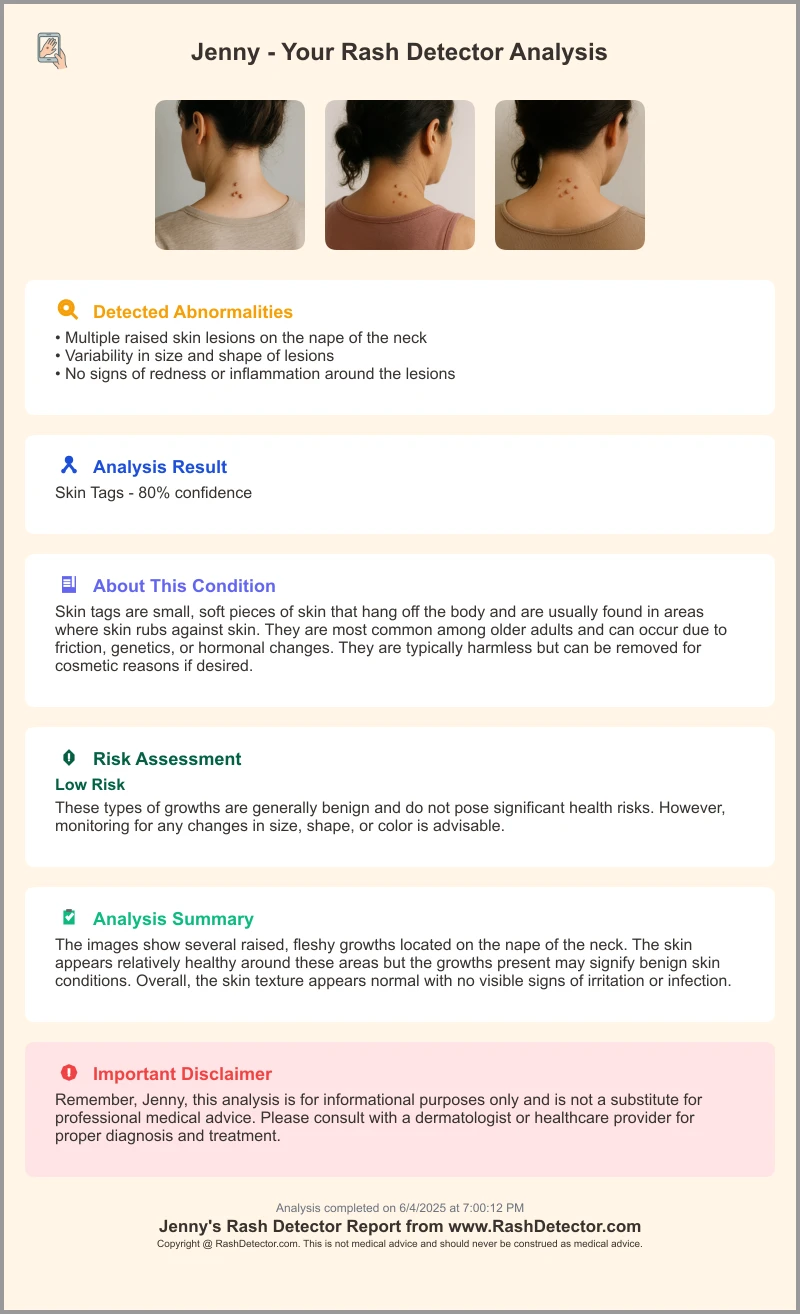
For personalized guidance, consider uploading photos to Rash Detector for instant analysis and suggestions—but always see a doctor for severe or worsening symptoms.
Section 6: Prevention Tips for Sweat Rash and Friction Rash
Clothing Choices
- Wear loose-fitting, lightweight cotton or moisture-wicking fabrics.
- Avoid synthetic materials (polyester, nylon) that trap sweat against the skin.
- Change out of wet or sweaty clothes promptly after activity.
Skin Care Habits
- Shower and dry off thoroughly after sweating.
- Use fragrance-free, gentle cleansers that don’t clog pores.
- Avoid heavy creams or ointments in hot weather; opt for light, non-occlusive moisturizers.
Environmental & Lifestyle Adjustments
- Stay in air-conditioned or well-ventilated areas during heat waves.
- Use fans or cooling towels during exercise.
- Stay hydrated—adequate water intake helps regulate body temperature.
Preventing Chafing
- Apply anti-chafing balms or powders to friction-prone areas before activity.
- Wear seamless, moisture-wicking undergarments.
- Keep skin folds clean and dry, especially in hot, humid conditions.
For deep prevention tips, read How to Prevent Heat Rash: Practical Tips for Every Season.
Section 7: Special Considerations for Babies, Children, and Adults
Infants and Newborns
- Heat rash is especially common in babies due to immature sweat glands.
- Watch for clusters of tiny red or clear bumps, often in the neck, back, or diaper area.
- Change diapers frequently and avoid overdressing.
- Let the skin air dry after baths and avoid thick ointments on heat rash.
Children
- Kids are at risk when playing outdoors or during physical activity.
- Encourage breathable clothing and regular breaks in the shade.
- Teach them to recognize early symptoms (itching, prickling) and seek help.
Adults (Including Athletes and Outdoor Workers)
- Monitor for sweat rash between legs, under breasts, or in skin folds after exercise or work.
- Use moisture-wicking layers and rehydrate often.
- Apply preventive balms to high-friction zones before activity.
Older Adults and Those with Limited Mobility
- Risk increases with immobility (bedridden or wheelchair users) due to occlusion and skin folds.
- Caregivers should inspect skin daily and promote frequent repositioning.
If you’re unsure whether a rash is caused by sweat, friction, or another issue, uploading images to Rash Detector can help provide preliminary insights before seeing a healthcare provider.
Section 8: When to See a Doctor & How to Tell Similar Rashes Apart
When to Seek Medical Advice
- The rash is severe, spreading, or doesn’t improve within a week.
- You notice pus, yellow crusting, or spreading redness (signs of infection).
- Fever, chills, or feeling unwell accompany the rash.
- The rash is painful or associated with blisters or open sores.
- You suspect a drug allergy or medication-related rash—see Drug Rash Treatment: Effective Solutions for Skin Reactions.
Commonly Confused Rashes
- Allergic Rashes: May appear similar but often have a more widespread, hivelike pattern. For details, visit Drug Allergy Rash: Identification, Causes, and What to Do.
- Eczema (Atopic Dermatitis): Tends to be chronic, with dry, scaly patches and recurrent flares.
- Fungal Infections: Often found in skin folds, with clear borders and possible scaling.
- Bacterial Infections: May develop if sweat rash becomes secondarily infected—watch for oozing, pain, and fever.
Safety Reminder
This guide is for educational purposes only. Always consult a doctor or dermatologist for diagnosis and treatment, especially for severe, spreading, painful, or persistent symptoms.
Conclusion
Sweat rash—also known as heat rash, prickly heat, or miliaria—is a common skin problem in hot, humid, or active conditions. Understanding its causes, symptoms, and general home care can help bring relief and may help prevent future outbreaks. For chafing rash and friction rash, special care with clothing and skin hygiene is important. If you’re ever unsure about a rash or if symptoms worsen, always seek medical advice. For instant analysis and tailored guidance, try uploading images to Rash Detector—but remember, only a healthcare provider can give a definitive diagnosis.
FAQ
Q: What is sweat rash and what causes it?
A: Sweat rash, also called heat rash or miliaria, occurs when sweat ducts become blocked and trap sweat under the skin. This leads to red, itchy, or prickling bumps, especially in hot, humid conditions or under tight clothing.
Q: How do you get rid of sweat rash fast?
A: Move to a cool environment, remove tight or damp clothing, keep the skin dry, and use soothing treatments like calamine lotion or a mild hydrocortisone cream (consult a healthcare provider before use). Most mild cases may clear up within a few days if triggers are avoided.
Q: What does sweat rash look like?
A: Sweat rash appears as clusters of small red or clear bumps, often with itching or a prickly sensation. It commonly affects the neck, chest, back, groin, and skin folds.
Q: Is sweat rash contagious?
A: No, sweat rash is not contagious. It results from blocked sweat ducts and skin irritation, not from infection or person-to-person spread.
Q: How long does sweat rash last?
A: Many sweat rashes resolve within a few days with proper care. Persistent, worsening, or recurrent rashes should be evaluated by a healthcare provider.
Q: When should I see a doctor for heat rash?
A: See a doctor if the rash is severe, spreading, painful, lasts longer than a week, or shows signs of infection (pus, fever, increased redness). Always consult a professional for diagnosis and treatment if you’re unsure.