Sun Rash: Causes, Symptoms, Treatment & How to Prevent Sun Allergy Rash
Learn about sun rash, sun allergy rash, symptoms, causes like polymorphic light eruption, and fast treatments. Instantly analyze your rash with Rash Detector.


Estimated reading time: 12 min
Key Takeaways
- Sun rash, often called sun allergy rash or polymorphic light eruption, appears as itchy red bumps or blisters after sun exposure.
- It is different from sunburn and heat rash; recognizing the symptoms and triggers can help you manage it better.
- Immediate relief may include cool compresses, anti-itch creams, and antihistamines; prevention focuses on sun protection.
- Certain medications and skin-care products can make you more sensitive to the sun, increasing rash risk.
- For diagnosis or severe symptoms, see a doctor; AI tools like Rash Detector can provide instant analysis from photos, but do not replace professional medical advice.
Table of Contents
- Section 1: What Is Sun Rash? Understanding the Basics
- Section 2: Symptoms and How Sun Rash Looks
- Section 3: Causes and Triggers of Sun Rash
- Section 4: Differentiating Sun Rash from Other Summer Rashes
- Section 5: Treatment Options for Sun Rash and Sun Allergy Rash
- Section 6: Prevention Tips and Special Cases
- Conclusion
- FAQ
Section 1: What Is Sun Rash? Understanding the Basics
Defining Sun Rash
Sun rash refers to a group of skin reactions that develop after being exposed to sunlight. The most common type is called polymorphic light eruption (PMLE), but other forms include sun allergy rash and solar urticaria. All involve red, itchy bumps or blisters showing up on areas of skin exposed to the sun. Sun rash is not a single disease but rather describes a spectrum of photodermatoses, which are abnormal skin reactions to ultraviolet (UV) light. While the underlying causes can differ, what unites these conditions is their direct relationship to sun exposure and their tendency to recur during sunny months or after sudden increases in outdoor activity.
- Polymorphic Light Eruption (PMLE): The most frequent sun rash, especially in spring and early summer when skin is not yet used to sunlight. The term "polymorphic" means "many forms," reflecting the fact that the rash can appear as bumps, plaques, or blisters, and can look different from person to person.
- Photosensitivity: Some people’s skin reacts more strongly to UV rays, either due to genetics, medications, or skin-care products. Photosensitivity reactions can be inherited or acquired, and individuals may not know they are sensitive until they have a reaction.
- Sun Allergy Rash: This term is often used interchangeably with sun rash and describes immune reactions triggered by sunlight. Although "sun allergy" is not a formal diagnosis, it is commonly used to describe these dramatic rashes that are immune-mediated and often family-related.
Who Gets Sun Rash?
Anyone can develop a rash after sun exposure, but it is more commonly reported in:
- Women (especially ages 20–40). PMLE is reported more frequently in women than in men, possibly due to hormonal influences or skin care routines that include photosensitizing products.
- People with lighter skin. Lighter skin has less melanin, which means less natural protection from UV light. This may increase the risk of developing a sun-induced rash, especially after months without sun exposure (such as after winter).
- Those living in temperate climates who get sudden, intense sun after winter. The abrupt increase in sunlight in the spring and early summer doesn’t allow time for gradual adaptation, so skin is more likely to react with a rash.
- People with a family history of sun allergy or PMLE. A family tendency has been observed in some cases, suggesting a possible genetic component.
- Individuals who use medications or skin care products that increase sun sensitivity. This includes antibiotics (such as doxycycline), nonsteroidal anti-inflammatories, certain diuretics, and products containing retinoids or alpha hydroxy acids.
- Children and adolescents. Although less common than in adults, children can develop sun rash, especially if they have fair skin or a family tendency.
Where and When Does It Appear?
Sun rash almost always shows up on skin that was exposed to sunlight—neck, chest, arms, hands, legs, and sometimes the face. The distribution is often a key clue: covered areas are spared, while exposed skin shows the rash. It can appear within minutes to hours after sun exposure and may worsen with repeated exposure over days or weeks. In some people, the rash becomes less severe as the summer progresses and the skin adapts, a phenomenon sometimes referred to as "hardening."
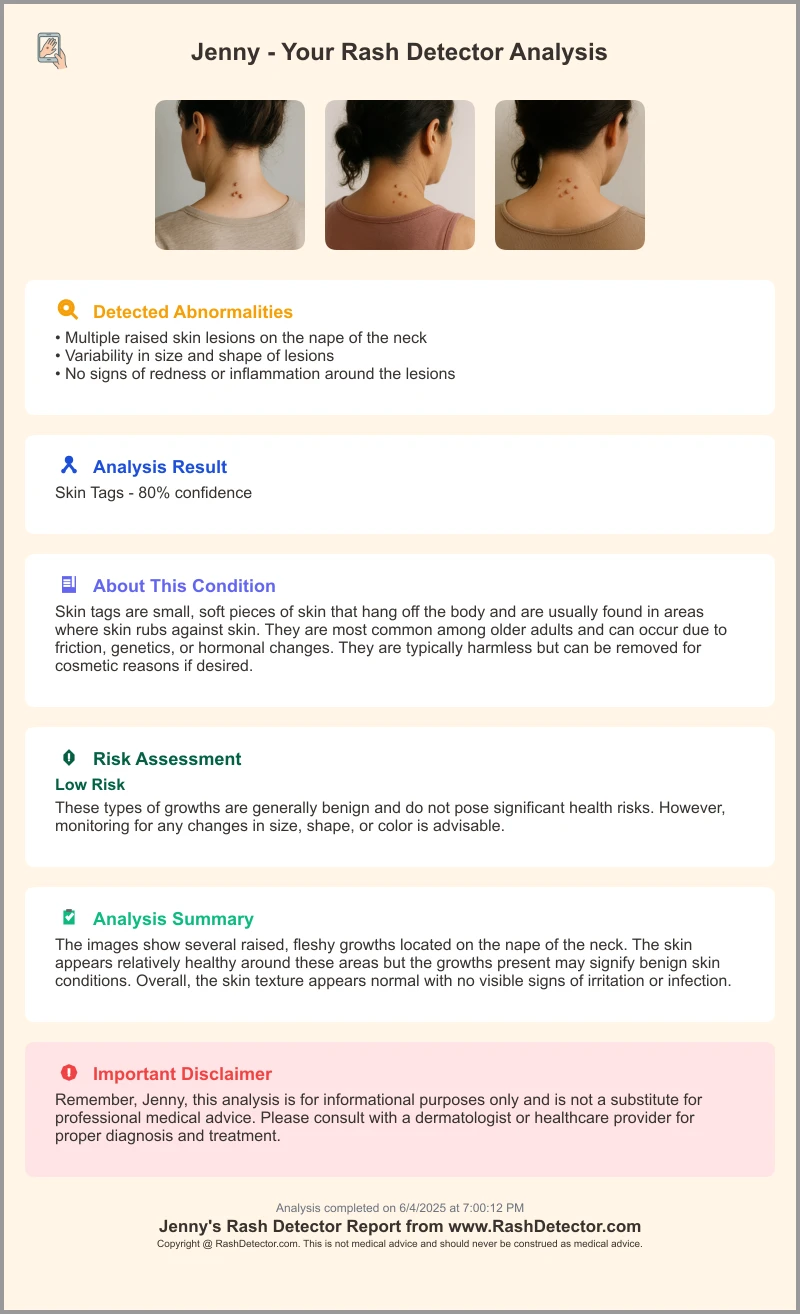
If you notice a new rash after spending time outdoors, you can use the Rash Detector app to analyze your skin instantly. Just upload three clear images for an AI-powered report, which may help you decide if your rash fits a common sun-induced pattern or if you should see a doctor for further evaluation. Remember, only a healthcare professional can provide a diagnosis.
Section 2: Symptoms and How Sun Rash Looks
Typical Appearance of Sun Rash
Sun rash manifests differently from sunburn. It tends to include:
- Small, red bumps (most common). These are usually a few millimeters in size and may be flat-topped or slightly raised. They can be scattered or clustered and often feel rough or bumpy to the touch.
- Itchy or burning sensation. Intense itching is often the first and most bothersome symptom. Some people also describe a tingling, prickling, or burning feeling in the affected area.
- Clusters of blisters or fluid-filled bumps (in some cases). These can break open, crust, or weep. Blistering is more common in severe PMLE or in cases of solar urticaria.
- Patches of redness that may merge together. Areas of inflamed skin can coalesce, forming larger plaques or patches with irregular borders.
- Occasionally, scaling or peeling develops as the rash resolves, but this is less dramatic than with sunburn.
The rash usually spares areas that are covered by clothing or jewelry, highlighting the clear link to sun exposure. Watch for a sharp border where a watch, ring, or sleeve blocked the sun: this is a classic sign of a sun-induced rash.
Where Does Sun Rash Show Up?
It typically affects:
- Forearms, backs of hands. These areas are often the first exposed in spring and early summer, especially if you wear short sleeves.
- Chest and upper back. The "v" of the neck and chest is a classic location due to open-necked shirts or swimsuits.
- Neck and shoulders. These spots are commonly missed when applying sunscreen, making them particularly vulnerable.
- Lower legs (in shorts or skirts). Especially in people who spend long periods outdoors after winter.
On children, it’s often seen on the cheeks and nose as well. In rare cases, the face may be more affected than the body, although this is less common because facial skin builds up sun tolerance faster due to frequent exposure.
How Long Does It Last?
Symptoms usually start within 30 minutes to a few hours after sun exposure. In PMLE, the rash often develops several hours after being in the sun and peaks within a day or two. They may last a few days to a week, fading gradually if you avoid further sun. If you are exposed again, the rash may worsen or flare, but over the season, some people find their skin adapts and the rash becomes less severe.
Related Symptoms
- Swelling or puffiness. The affected areas can become mildly swollen, especially on the hands, arms, or face.
- Warmth or tenderness. The skin may feel warm to the touch, although severe pain is uncommon.
- Rarely, mild pain or stinging. Intense pain or deep blistering suggests another diagnosis or a severe reaction and requires prompt medical attention.
- In solar urticaria (a rare form), welts or hives can develop within minutes of sun exposure and can be accompanied by burning and swelling.
- Crusting or mild scaling as the rash heals. This usually occurs as blisters dry out or if the rash is scratched.
Blistering, widespread rashes, or severe discomfort should prompt you to see a doctor or dermatologist to rule out other causes, such as drug reactions, infections, or autoimmune diseases.
Section 3: Causes and Triggers of Sun Rash
Why Does Sun Rash Happen?
Sun rash isn’t the same as sunburn. While sunburn is a direct injury from UV rays, sun rash is usually an immune reaction to sunlight. Your body may treat certain molecules in your skin—changed by the sun—as foreign, causing inflammation and rash. This is called a "phototoxic" or "photoallergic" reaction. The process involves immune cells in the skin becoming activated by sun-altered proteins, leading to the release of histamine and other inflammatory chemicals.
- Genetics: Family history may increase your risk. Specific genetic factors are still being studied, but the tendency to react to sunlight often runs in families.
- Immune System: Some people’s immune systems are more reactive to sun-exposed skin. In PMLE, T-cells and other white blood cells accumulate in the affected skin, causing swelling, redness, and itching.
- Skin Barrier Function: Individuals with dry skin or eczema may be more susceptible due to a weaker barrier, allowing more UV penetration and triggering reactions more easily.
Common Triggers
- Sudden intense sun after months indoors or in winter. This abrupt increase in UV exposure can overwhelm the skin’s natural protective mechanisms.
- UV-sensitive medications (like antibiotics, diuretics, or anti-inflammatories). Examples include doxycycline, tetracycline, sulfa drugs, thiazide diuretics, and NSAIDs like naproxen or ibuprofen. These medications can make the skin more likely to react to sunlight, sometimes even causing rashes in areas that are only moderately exposed.
- Skin-care products that increase photosensitivity (retinoids, some exfoliants, perfumes). Retinoids (such as tretinoin), alpha hydroxy acids, benzoyl peroxide, and certain essential oils can lower the threshold for rash development by thinning the outer skin layer or reacting with sunlight.
- Genetic conditions—rare, but can make the skin extremely sun-sensitive. Examples include xeroderma pigmentosum and certain forms of lupus, which can cause dramatic reactions even to low levels of UV light.
- Underlying skin diseases: People with autoimmune skin diseases (such as lupus or dermatomyositis) can develop sun-induced rashes as part of their condition. These rashes often have distinctive features and may require specialized treatment.
If you recently started a new medication and notice a rash after being in the sun, you may also want to check out Drug Rash: Causes, Symptoms, and How to Identify It for more details, as some rashes are triggered by both sun and medication.
Related Conditions
- Solar Urticaria: A rare allergy where hives develop within minutes of sun exposure. Solar urticaria is triggered by specific wavelengths of light and can cause intense itching, swelling, and even systemic symptoms like dizziness or low blood pressure in extreme cases.
- Chronic Actinic Dermatitis: A persistent, eczema-like rash from UV light, mostly in older adults. This condition can cause thickened, itchy, scaly patches on the face, neck, and hands, and often persists throughout the year.
- Heat Rash from Sun: Blocked sweat glands, not an allergy, but can look similar on hot sunny days. Heat rash (miliaria) is more common in children and appears as tiny, pinpoint blisters or red spots in areas where sweat is trapped, such as under clothing or in skin folds.
- Photoallergic reactions: Some rashes occur when a substance on the skin (such as sunscreen, fragrance, or medication) is altered by UV light and triggers an allergic reaction. These rashes may not be limited to exposed areas and can sometimes spread.
Section 4: Differentiating Sun Rash from Other Summer Rashes
Sun Rash vs. Sunburn
- Sunburn: Skin turns red, hot, often painful, peels after a few days. No bumps or blisters unless severe. Sunburn is a direct result of UVB-induced cell injury and DNA damage, usually takes hours to develop, and is associated with soreness and tenderness rather than itching.
- Sun Rash: Itchy red bumps, blisters, or patches; less pain, more itching and swelling. Appears faster than sunburn and often resolves without peeling. Sun rash typically appears in less time and is confined to sun-exposed areas.
Sun Rash vs. Heat Rash
- Heat Rash (Miliaria): Tiny, clear blisters or red bumps, usually in skin folds or places where sweat gets trapped. Caused by blocked sweat glands, not UV rays. It often develops under tight clothing, in the groin, armpits, or under breasts and is aggravated by hot, humid weather.
- Sun Rash: Appears only on sun-exposed areas, not in folds or covered skin. Sun rash is not dependent on sweating or humidity and is triggered by direct sunlight.
For tips on avoiding heat rash, see How to Prevent Heat Rash: Practical Tips for Every Season.
Sun Rash vs. Hives and Drug Rashes
- Hives (Urticaria): Raised, pale, very itchy welts that move around the body. May be triggered by sun (solar urticaria) or other causes. Hives typically resolve within 24 hours and do not leave marks, while sun rash can persist for days.
- Drug Rash: Can look similar but often spreads beyond sun-exposed areas. Drug-induced photosensitivity can cause rashes that are more widespread and may include other symptoms, such as fever or joint pain. For more, see Skin Rash Treatment: Effective Solutions and Smart Tools.
Key Clues for Diagnosis
- Did the rash only appear on areas exposed to sunlight? If so, sun rash is possible.
- Is it mostly itchy bumps and blisters, not flat redness or peeling? Sun rash is usually raised and bumpy, while sunburn is flat and red.
- Did it start quickly after being outdoors? Sun rash often develops within hours, while sunburn appears more gradually.
- Are you taking new medications or using new skin-care products? These can be clues for photosensitivity reactions.
- Does the rash recur every spring or summer? Recurrent seasonal rashes are classic for PMLE.
If you’re unsure, upload photos to the Rash Detector app for instant analysis and possible causes. Still, always see a doctor for a final diagnosis—especially if the rash is severe, spreading, or associated with other symptoms like fever or joint pain.
Section 5: Treatment Options for Sun Rash and Sun Allergy Rash
Immediate Relief
- Get out of the sun: Move indoors or into the shade right away. Continued sun exposure can worsen the rash and prolong symptoms.
- Cool compresses: Apply a cold, damp cloth to affected skin for 10–20 minutes. This can soothe burning, reduce itching, and limit swelling. Repeat several times daily as needed.
- Over-the-counter antihistamines: May help reduce itching and swelling (e.g., cetirizine, loratadine). These work by blocking histamine, a chemical released during allergic reactions. Antihistamines are especially helpful if itching is severe or disrupts sleep.
- Hydrocortisone cream: A mild steroid cream can ease itch and inflammation. Apply a thin layer to affected skin up to twice daily for no more than 5–7 days unless advised by a doctor.
- Calamine lotion or aloe vera gel: Can provide a cooling effect and further relieve irritation, especially if blisters are present.
For the best anti-itch creams, see Best Anti Itch Cream: Top Picks and How to Choose.
What Not to Do
- Don’t scratch—the rash can worsen or become infected. Scratching breaks the skin's protective barrier and increases the risk of bacterial infection, which may require antibiotics.
- Avoid heavy, greasy lotions that trap heat and sweat. These products can make itching worse and slow healing by preventing the skin from "breathing."
- Don’t apply strong topical steroids without a doctor’s advice for more than a few days. Overuse can thin the skin and cause other side effects, especially on the face or in children.
- Avoid home remedies containing alcohol, fragrances, or essential oils, as these can irritate already sensitive skin.
When to Use Medication
- For mild cases, OTC hydrocortisone and oral antihistamines are usually enough. Many people see improvement within a few days.
- Severe, painful, or spreading rashes may need prescription-strength topical or oral steroids. Dermatologists may prescribe these for short courses to control intense inflammation.
- Photosensitivity from medication? Talk to your doctor about alternatives. Sometimes, adjusting the medication or its timing can reduce rash risk. Always consult your healthcare provider before stopping or changing any prescribed drug.
- For chronic or recurring PMLE, dermatologists may recommend phototherapy (medical light therapy), oral antihistamines, or other preventive treatments in select cases.
If your rash is caused by a medication, see our guide on Rash from Medication: Causes, Symptoms & Next Steps.
When to See a Doctor
- Severe pain, blistering, or large areas affected. Large blisters (bullae) or involvement of the face, lips, or eyes require prompt medical attention.
- Rash not improving after a week of home treatment. Persistent rashes may need stronger therapy or further investigation.
- Signs of infection (pus, warmth, fever). Infected rashes can spread quickly and should be treated with antibiotics as needed.
- Rash with other symptoms (like difficulty breathing, swelling of lips or eyes). These may indicate a severe allergic reaction (anaphylaxis) and require immediate emergency care.
- If you have a history of autoimmune disease, lupus, or other skin conditions and develop a new or unusual rash after sun exposure.
Remember: only a healthcare professional can diagnose and treat severe or persistent rashes. If in doubt, seek prompt evaluation, especially for children, older adults, or those with weakened immune systems.
Section 6: Prevention Tips and Special Cases
How to Prevent Sun Rash and Sun Allergy Rash
- Use broad-spectrum sunscreen (SPF 30 or higher) on all exposed skin. Reapply every two hours and after swimming or sweating. Look for formulations that block both UVA and UVB rays, as both can trigger sun rash.
- Wear protective clothing: Long sleeves, wide-brimmed hats, and UV-blocking sunglasses. Choose tightly woven fabrics labeled with an Ultraviolet Protection Factor (UPF) for added coverage.
- Avoid peak sun hours: 10 a.m. to 4 p.m., when UV rays are strongest. Plan outdoor activities for early morning or late afternoon when possible.
- Introduce sun exposure gradually: Let your skin build up tolerance in spring and early summer. Start with short periods outdoors and increase exposure by 10–15 minutes each day, always using protection.
- Check your products: Be aware of skin-care products and medications that can cause photosensitivity. Review medication leaflets and ask your pharmacist or doctor if you are unsure.
- Apply sunscreen before going outdoors: Sunscreen takes about 15–30 minutes to become effective. Apply it generously and don't forget often-missed spots like the ears, back of the neck, and tops of feet.
- Use lip balm with SPF: The lips are prone to sun damage and can develop rashes too.
Special Cases: Chronic and Rare Sun-Induced Rashes
- Solar Urticaria: Hives within minutes of sun. Requires special management by a dermatologist. Treatments may include antihistamines, phototherapy, and in rare cases, immunosuppressive drugs.
- Photodermatoses: Umbrella term for rare genetic or autoimmune conditions causing extreme sun sensitivity. These include lupus erythematosus, porphyria, xeroderma pigmentosum, and others. Management is complex and requires specialized care.
- Phototherapy: In frequent, recurring PMLE, dermatologists may prescribe medical UV therapy to build tolerance. This involves controlled exposure to specific UV wavelengths in a clinical setting over several weeks before the sunny season starts.
- Physical sunscreens: People with extreme photosensitivity may benefit from physical (mineral) sunscreens containing zinc oxide or titanium dioxide, which reflect rather than absorb UV rays and are less likely to cause irritation or allergic reactions.
If you have a history of severe or recurring rashes after sun, consult a dermatologist about preventive treatments or allergy testing. Some individuals may qualify for advanced therapies or need to take extra precautions, such as using window filters or UV-protective films indoors.
Habits That Help
- Keep a sun diary: Note when and where rashes appear to identify patterns. Record exposure duration, weather conditions, and any new products or medications.
- Stay hydrated and keep your skin moisturized with gentle, fragrance-free products. Well-moisturized skin may be more resilient to irritation and less prone to inflammation.
- Consider a pre-summer checkup if you have a known history of sun allergy rash. Your doctor can review your medications and recommend preventive strategies tailored to your needs.
- Educate family members: If you or someone in your family has a hereditary tendency for sun rash, make sure children and relatives know how to spot symptoms early and what steps to take.
- Check the UV index: Many weather apps provide real-time UV index ratings. If the index is high (6 or above), take extra precautions or limit outdoor activities.
For more tips on skin safety and self-checks, visit our guide: How to Do a Skin Self Exam at Home: A Step-by-Step Guide.
Conclusion
Sun rash—also known as sun allergy rash, PMLE, or photosensitivity reaction—is a common issue for many after sun exposure, especially in spring and summer. Recognizing the differences between sun rash, sunburn, heat rash from sun, and drug rashes can help you get the right treatment and avoid unnecessary discomfort. Most cases are mild and improve with simple home care, but severe, spreading, or persistent rashes demand medical attention.
If you develop a sudden, new, or unexplained rash after being in the sun, consider uploading images to the Rash Detector app for instant analysis and possible guidance. For your health and safety, always consult a doctor for diagnosis and treatment—especially if symptoms are severe, spreading, or don’t improve with standard care. Remember, no app or online tool can replace professional medical advice, especially for rashes that are widespread, blistering, painful, or associated with other symptoms like fever, malaise, or swelling of the lips or eyes.
Taking simple precautions—like using sunscreen, wearing protective clothing, and gradually increasing sun exposure—can help prevent most sun rashes. Be proactive about sun safety and keep track of your skin’s reactions. If you’re ever unsure, err on the side of caution and reach out to a healthcare provider for peace of mind and proper care.
FAQ
Q: What does a sun rash look like?
A: Sun rash usually appears as small, red, itchy bumps or blisters on sun-exposed skin. It can also form patches or clusters, often with swelling or a burning sensation. The rash typically spares areas covered by clothing or jewelry. In some cases, blisters may form, and as the rash heals, mild scaling or crusting can develop. The borders of the rash are often sharply defined by the edges of clothing or accessories that blocked sunlight.
Q: How do I know if I have sun rash or sunburn?
A: Sunburn causes flat, red, painful skin that may peel after several days. Sun rash shows up as itchy bumps or blisters, usually soon after sun exposure, and is more likely to itch than hurt. Sun rash is found only on exposed areas, while sunburn can affect any area with too much sun. Sunburn tends to develop more slowly (within hours) and is associated with soreness and tenderness, not itching. If your rash develops quickly, is mainly bumpy and itchy, and matches sun-exposed skin, sun rash is possible.
Q: How do you treat a sun rash quickly?
A: Move out of the sun, use cool compresses, and consider over-the-counter hydrocortisone cream or an antihistamine to reduce itching and inflammation. Avoid scratching and keep the area clean and dry. For severe or persistent rashes, see a doctor. Reapplying gentle moisturizers and avoiding further sun exposure may help speed healing. If you notice blisters, swelling, or signs of infection, seek medical care promptly.
Q: Can sunscreen prevent sun rash?
A: Using a broad-spectrum sunscreen with SPF 30 or higher may reduce the risk of sun rash by blocking UV rays. Wearing protective clothing and avoiding peak sun hours also helps prevent sun allergy rash. Make sure to apply sunscreen 15–30 minutes before going outdoors and reapply every two hours, especially after swimming or sweating.
Q: What causes a rash after being in the sun?
A: Sun rash is usually caused by an immune reaction to sunlight (often UV rays) on the skin. Risk may increase with certain medications, genetic factors, or photosensitizing products. Some people are naturally more sensitive to the sun and can develop rashes even after brief exposure. Other causes can include rare genetic or autoimmune conditions or reactions to products applied to the skin that react with sunlight.
Q: When should I see a doctor for a sun rash?
A: See a doctor if the rash is severe, widespread, blistering, painful, lasts more than a week, or is associated with other symptoms like fever or swelling of the lips/eyes. Always consult a professional to rule out other causes. Children, older adults, or individuals with preexisting medical conditions should seek medical attention sooner if symptoms are concerning or not improving with standard care.