Best Oils for Soothing Skin Rash: Top Home Remedies & Safety Tips
Discover the best oils for soothing skin rash, how to use them safely, key home remedies, and when to see a doctor. Expert tips for gentle rash care at home.


Estimated reading time: 11 min
Key Takeaways
- Some oils, such as lavender, chamomile, and tea tree, are commonly used to soothe skin rashes—always dilute before applying.
- Essential oils may help calm itch and redness for some people, but can trigger irritation or allergic reactions in others.
- Carrier oils like coconut or jojoba add moisture and may reduce the risk of irritation.
- See a doctor if a rash is severe, spreading, or not improving with home care.
- Rash Detector can help you understand your rash and guide you to the right care.
Wondering about the best oils for soothing skin rash or how to treat a rash at home? Mild rashes are common and can sometimes be managed with gentle, proven home remedies. This guide breaks down commonly used essential oils, how to use them safely, and when to seek medical advice—plus, learn how apps like Rash Detector can help you identify your rash and get next steps instantly.
1. Lavender Oil
Lavender is one of the most popular essential oils for calming irritated, itchy skin. Its soothing scent and reported anti-inflammatory properties make it a common choice for minor rashes, including mild eczema, contact dermatitis, and insect bites.
For example, lavender oil may help reduce discomfort from a poison ivy rash or heat rash for some people. To use, mix 1-2 drops of lavender essential oil with a tablespoon of carrier oil (like coconut or jojoba) and dab gently on the affected area up to twice a day.
- Targets: Eczema, contact dermatitis, insect bites, mild hives
- Benefits: May help calm itch, reduce redness, gentle aroma
- Safety: Never apply undiluted; always patch test first
2. Chamomile Oil
Chamomile oil is known for its calming effect—on both the mind and the skin. With natural anti-inflammatory and anti-itch qualities, it’s sometimes used for sensitive, easily irritated skin or for children’s mild rashes (with extra caution and proper dilution).
Mix 1 drop of chamomile oil with 2 teaspoons of a mild carrier oil (such as almond or olive). Apply gently as a compress or in a soothing bath. Chamomile may be especially helpful for dry, flaky eczema or atopic dermatitis.
- Targets: Eczema, atopic dermatitis, heat rash, itchy skin
- Benefits: May help reduce inflammation, relieve itch, gentle on sensitive skin
- Safety: Avoid if allergic to ragweed or related plants
3. Tea Tree Oil
Known for its antimicrobial and anti-inflammatory effects, tea tree oil is sometimes chosen for rashes at risk of infection (like minor cuts, insect bites, or shaving bumps). Some people find it soothing for poison ivy or mild psoriasis, but it can be irritating if used undiluted.
Always dilute well—try 1 drop of tea tree oil per tablespoon of carrier oil. Never use tea tree oil on broken or oozing skin. Apply with a cotton swab and monitor for any signs of irritation.
- Targets: Insect bites, contact dermatitis, mild fungal rashes
- Benefits: May help fight germs, reduce inflammation, and help with itching
- Safety: Can cause irritation—do a patch test first
4. Peppermint Oil
Peppermint oil delivers a cooling sensation that can offer temporary relief from itch and burning. Some use it for heat rash or itchy allergic rashes, but it must be used sparingly and diluted (never for infants or young children).
Mix 1 drop per tablespoon of carrier oil (like coconut or jojoba). Use as a light rub or compress no more than once daily. Avoid on sensitive or broken skin, and never near the eyes.
- Targets: Heat rash, mild allergic rashes, itchy spots
- Benefits: Cooling effect, may reduce itch, refreshing scent
- Safety: Not for young children; can be sensitizing
5. Geranium Oil
Geranium oil is sometimes used for its ability to calm inflamed, red skin and support skin healing. It’s occasionally included in blends for eczema, psoriasis, or contact dermatitis, and it pairs well with moisturizing carrier oils.
Blend 1-2 drops with a tablespoon of argan or jojoba oil. Massage gently into dry, flaky patches once or twice daily. If irritation develops, discontinue use.
- Targets: Eczema, psoriasis, contact dermatitis
- Benefits: May help reduce redness, support skin repair, floral aroma
- Safety: Patch test before first use
6. Eucalyptus Oil
Eucalyptus oil’s menthol-like scent and reported anti-inflammatory properties can help cool and calm red, itchy skin. It’s sometimes chosen for heat rash or to ease swelling from bug bites, but must be used with caution—especially for kids.
Try 1 drop in 2 teaspoons of carrier oil. Apply only to intact skin (not broken or blistered). For a cooling bath, add a single drop to a tub of water mixed with a tablespoon of carrier oil.
- Targets: Heat rash, bug bites, inflamed areas
- Benefits: Cooling, may reduce swelling, helps breathing
- Safety: Not for young children; can be irritating
7. Frankincense Oil
Frankincense has a long history in skin care for its gentle, soothing qualities and may help calm chronic rashes like eczema or contact dermatitis. It is sometimes used to reduce the look of scars and support healing.
Mix 1 drop with a teaspoon of carrier oil (rosehip is a good choice for healing). Massage on dry patches or use in a roller bottle blend. Use only on intact skin.
- Targets: Eczema, atopic dermatitis, healing skin
- Benefits: Gentle, may be anti-inflammatory, supports skin renewal
- Safety: Rarely irritating, but always patch test
8. Sandalwood Oil
Sandalwood oil is valued for its calming, moisturizing effects, making it a favorite for dry, itchy rashes. It may help soothe atopic dermatitis, psoriasis, or mild allergic reactions for some people.
Blend 1 drop with a teaspoon of carrier oil (like almond or jojoba). Use as a massage oil or add to a warm bath for an all-over soothing effect. Do not use on open, weeping, or infected skin.
- Targets: Dry eczema, psoriasis, mild allergic rashes
- Benefits: Softens skin, may reduce itch, pleasant scent
- Safety: Generally safe, but patch test before use
9. Choosing and Using Carrier Oils
Carrier oils are vital for diluting essential oils and preventing irritation. They also add moisture, which may help soothe rashes from dry skin or eczema. Popular choices include:
- Coconut oil: Moisturizes, has mild antibacterial properties
- Jojoba oil: Closest to natural skin oils, absorbs quickly
- Almond oil: Gentle, suitable for sensitive skin
- Olive oil: Rich and soothing, good for dry patches
- Argan, rosehip: Good for healing and sensitive areas
General dilution: 1-2 drops of essential oil per tablespoon (15 ml) of carrier oil. Always do a patch test before wider use.
10. How to Apply Oils for Rash Relief
There are several ways people use essential oils for rash relief:
- Topical blend: Apply diluted oil gently to the rash with clean hands or a cotton pad.
- Roller bottle: Combine pre-diluted oil in a roller bottle for easy, mess-free application.
- Compress: Add diluted oil to a cool, damp cloth and hold on the rash for relief.
- Bath: Mix a drop of oil with a tablespoon of carrier oil, then add to bath water for all-over soothing.
- Spray: Combine diluted oil and water in a spray bottle for a light mist over large areas (shake before use).
Apply 1-2 times daily, watching for any sign of irritation. Never apply essential oils to broken or infected skin.
11. When to Avoid or Use Extra Caution
Essential oils aren’t for everyone. Avoid or use extreme caution if you:
- Have sensitive skin, eczema, or a history of allergies
- Are applying to children, older adults, or those with weakened immune systems
- Have open, blistered, or oozing rashes
- Notice any stinging, burning, or worsening redness—wash off and stop use
Essential oils can sometimes trigger allergic reactions or worsen rashes, especially in those prone to sensitivities. If your rash is severe, spreading, painful, or not improving, see a doctor or dermatologist promptly.
For more on when to see a doctor for a rash or how to spot drug-related rashes, visit Skin Rash Treatment: Effective Solutions and Smart Tools or Drug Rash: Causes, Symptoms, and How to Identify It.
Conclusion
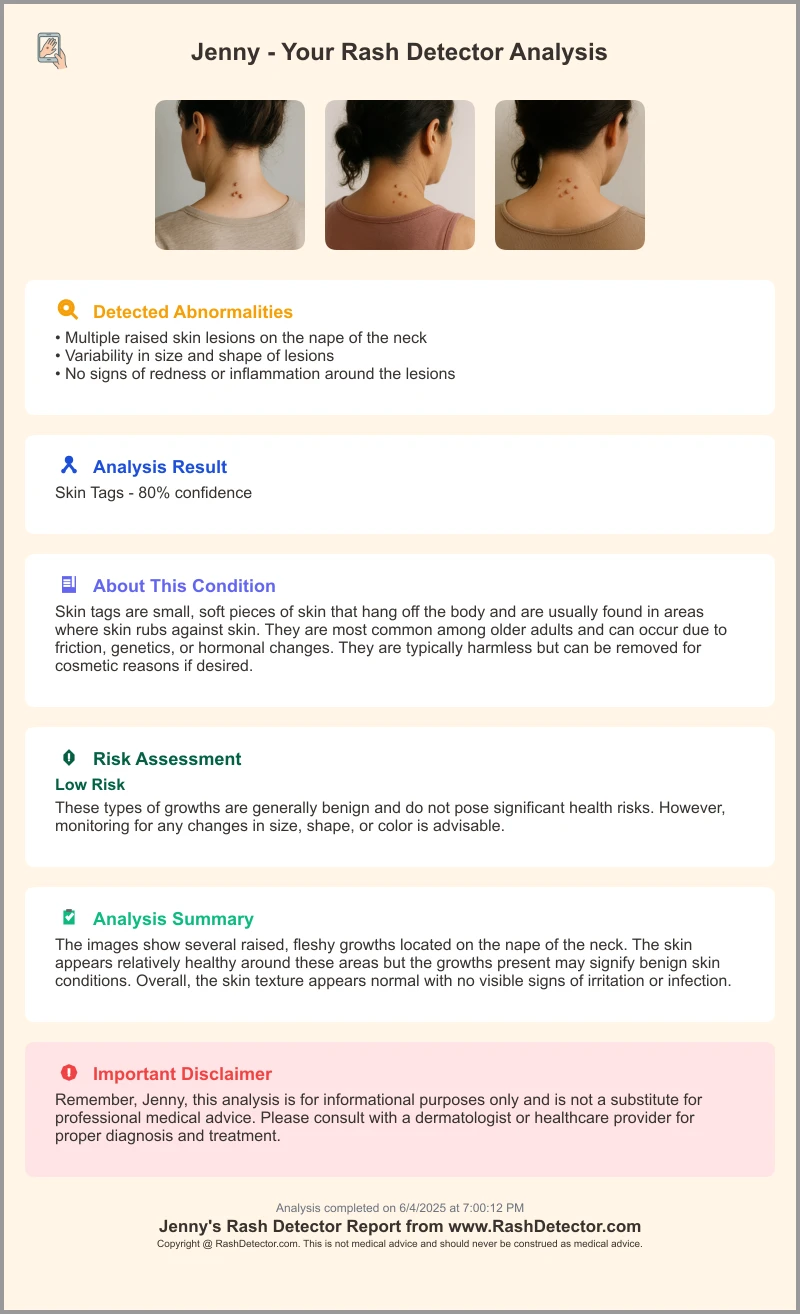
Some oils—like lavender, chamomile, and tea tree—are commonly used to help relieve itch, redness, and irritation when used safely and correctly. Always dilute essential oils, patch test, and avoid broken skin. While home remedies for a rash may provide relief for minor cases, professional care is vital for severe, spreading, or persistent rashes. For instant help identifying your rash and getting clear next steps, try Rash Detector—just upload three photos and get an AI-powered report in seconds.
Remember, this information is for educational purposes only. Always consult a doctor or dermatologist for diagnosis or if you suspect a serious skin condition.
FAQ
Q: What is the best essential oil for an itchy rash?
A: Lavender and chamomile oils are commonly used for itchy rashes. Both are reported to offer soothing and anti-itch properties and are less likely to irritate sensitive skin when diluted. Always patch test and dilute before use.
Q: Which essential oils are safe for eczema or contact dermatitis?
A: Lavender, chamomile, and frankincense are generally considered safe for eczema or contact dermatitis when properly diluted with a carrier oil. Tea tree oil may be used, but with caution as it can cause irritation. Always avoid applying any essential oil to broken or oozing skin.
Q: How do you dilute essential oils for a skin rash?
A: Dilute 1-2 drops of essential oil in one tablespoon (15 ml) of carrier oil such as coconut, jojoba, or almond. For children or sensitive skin, use even less—1 drop in 2 tablespoons of carrier oil. Always patch test first.
Q: Can I put essential oils directly on a rash?
A: No, you should never apply undiluted essential oils directly to a rash. This can lead to increased irritation or allergic reactions. Always mix with a carrier oil and test on a small area of skin first.
Q: What carrier oil is best to mix with essential oils for irritated skin?
A: Coconut oil, jojoba oil, and almond oil are all commonly used choices. They are gentle, moisturizing, and unlikely to aggravate a rash. For dry or healing skin, rosehip or argan oil may also be beneficial.
Q: Are essential oils good for poison ivy or heat rash?
A: Some people find relief with diluted lavender, chamomile, or peppermint oil for poison ivy or heat rash. However, essential oils can sometimes irritate sensitive or broken skin. Always dilute, use sparingly, and stop if irritation occurs. If the rash is severe or worsening, seek medical help.