Best Anti Itch Medicine: Top OTC Picks for Fast Relief
Searching for the best anti itch medicine? Compare creams, pills, and remedies for hives, eczema, bug bites, and more. See what actually works—plus safety tips.

Estimated reading time: 9 min
Key Takeaways
- The best anti itch medicine depends on your itch cause, age, and symptoms.
- Non-drowsy antihistamines may help allergic rashes and hives; topical creams can soothe localized itch.
- Hydrocortisone, pramoxine, calamine, and menthol are common anti-itch ingredients.
- See a doctor for severe, spreading, or persistent rash or itch.
- Apps like Rash Detector may help you identify rash types and choose the right remedy, but do not replace professional medical advice.
Looking for the best anti itch medicine to finally stop the scratching? Whether you're dealing with hives, eczema, bug bites, or an unknown rash, the right over-the-counter (OTC) relief can make a difference. Below, we break down common anti-itch medicines, key ingredients, fast-acting options, and how to choose between pills and creams. Plus, learn when to see a doctor—and how smart tools like Rash Detector may help you figure out what’s going on.
1. Cetirizine (Zyrtec): Non-Drowsy Antihistamine
Cetirizine, sold under the brand name Zyrtec, is a commonly used oral antihistamine for allergy-related itching, hives, and some rashes. It is often chosen for quick, long-lasting relief with less drowsiness compared to some older antihistamines. Adults and children over age 6 can use it once daily. Zyrtec typically starts working within an hour and lasts up to 24 hours.
This medicine is often used for:
- Itchy hives (urticaria)
- Allergic rashes from pollen, pet dander, or dust
- Generalized body itch without obvious rash
Because it’s less sedating than older antihistamines, you can take it during the day. Do not combine antihistamines without consulting your doctor or pharmacist.
2. Diphenhydramine (Benadryl): For Nighttime Itch Relief
Diphenhydramine, known as Benadryl, is a well-known sedating antihistamine. It works quickly and is often used for sudden, severe itching from hives, bug bites, or allergic reactions. Benadryl is commonly used at night when itching interferes with sleep, since it causes drowsiness in most people.
How to use Benadryl safely:
- Adults: 25–50 mg every 4–6 hours as needed (max 300 mg/day)
- Children: Check package or ask a pharmacist for dosing
- Do not combine with alcohol, sleeping pills, or other sedating medicines
Benadryl’s sedative effect is strong, so don’t drive or operate machinery after taking it. If you need daytime relief, consider a non-drowsy antihistamine like cetirizine or loratadine instead.
3. 1% Hydrocortisone Cream: Topical Relief for Rashes
Hydrocortisone 1% cream is a commonly used OTC steroid for itch relief on small, localized rashes. It helps calm inflammation and itching from eczema, poison ivy, insect bites, and allergic reactions. Apply a thin layer to the affected skin 1-3 times daily for up to 7 days.
Hydrocortisone is often used for:
- Eczema flare-ups
- Allergic contact dermatitis (nickel, fragrances, poison ivy)
- Bite or sting reactions
Do not use hydrocortisone on the face, groin, or open wounds unless advised by a doctor. For a full guide on choosing the right anti-itch cream, check out Best Anti Itch Cream: Top Picks and How to Choose.
4. Calamine Lotion: Soothing for Poison Ivy & Bug Bites
Calamine lotion is a traditional option for soothing itch and drying out rashes, especially from poison ivy, oak, sumac, and bug bites. Its active ingredients—zinc oxide and iron oxide—help cool the skin and may reduce fluid oozing from blisters or weeping rashes.
- Shake well and dab onto clean, dry skin up to four times daily.
- Let it dry for a protective, pink coating that can be washed off later.
- Generally considered safe for adults and children over 6 months old.
Calamine is not greasy, making it a good daytime or outdoor option. It’s not absorbed into the blood, so side effects are rare.
5. Pramoxine Cream: Numbing for Itchy Skin
Pramoxine is a topical anesthetic found in OTC creams like Sarna Sensitive or Gold Bond Anti-Itch. It works by blocking nerve signals that cause the itch sensation, bringing targeted relief in minutes.
Common uses include:
- Localized itch (arms, legs, hands, feet)
- Eczema, dry skin, or contact dermatitis
- Areas where you want to avoid steroids
Apply up to 3-4 times daily. Pramoxine is generally safe for most skin types and ages, but avoid open wounds.
6. Menthol, Camphor, and Capsaicin Creams: Cooling and Warming Relief
Cooling agents like menthol and camphor (found in Sarna Original, Vicks VapoRub) can distract the nerves and provide temporary itch relief. Capsaicin (from chili peppers) offers a warming tingle and may help desensitize itchy nerves over time.
- Menthol/camphor: Apply 1-4 times daily; avoid eyes and mucous membranes.
- Capsaicin: Sometimes used for chronic itch (neuropathic itch, post-shingles); may sting at first.
These are options if you prefer steroid-free creams. Always wash hands after application.
7. Loratadine (Claritin) & Fexofenadine (Allegra): Long-Lasting Non-Drowsy Options
Loratadine (Claritin) and fexofenadine (Allegra) are other non-drowsy antihistamines. Both are taken once a day and are approved for use in children and adults (check age restrictions on packaging). They’re often used for chronic hives, allergy-induced itch, and runny nose symptoms.
- Loratadine: 10 mg daily (adults and kids 6+)
- Fexofenadine: 60–180 mg daily (adults and kids 12+)
These medicines are less sedating than Benadryl, making them good daytime choices. If you don’t get relief with one, another may work better for you.
8. Oatmeal Baths and Moisturizers: Natural Relief for Dry, Itchy Skin
For widespread itching or eczema, home remedies can be used alongside medicine. Colloidal oatmeal baths (Aveeno, homemade) may soothe irritated skin and reduce redness. After bathing, apply a thick, fragrance-free moisturizer to lock in hydration.
- Oatmeal bath: Add 1 cup finely ground oats to lukewarm bathwater; soak 10–15 minutes.
- Moisturizer: Apply within 3 minutes of bathing for best results.
Cool compresses and avoiding hot showers may also help. These non-medicated options are generally safe for all ages, including babies.
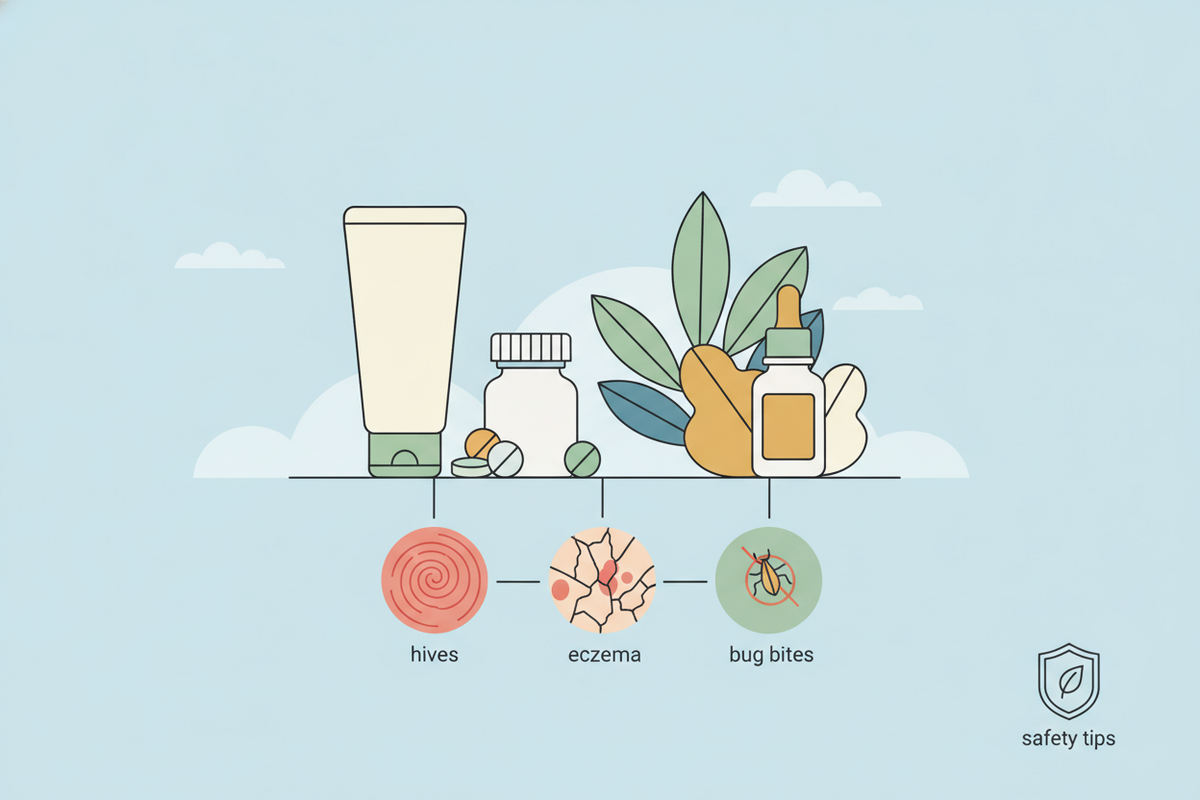
9. Best Anti Itch Medicine by Cause
The most effective anti-itch medicine depends on what’s triggering your symptoms:
- Hives, allergies: Non-drowsy antihistamines (Zyrtec, Claritin, Allegra)
- Bug bites, poison ivy: Hydrocortisone, calamine lotion, or pramoxine cream
- Eczema, dry skin: Fragrance-free moisturizers, hydrocortisone, pramoxine, oatmeal bath
- Drug rash or new medication: Stop the trigger and see a doctor—learn more at Drug Rash: Causes, Symptoms, and How to Identify It
- All-over body itch: Oral antihistamines (Zyrtec, Allegra), oatmeal bath, moisturizers
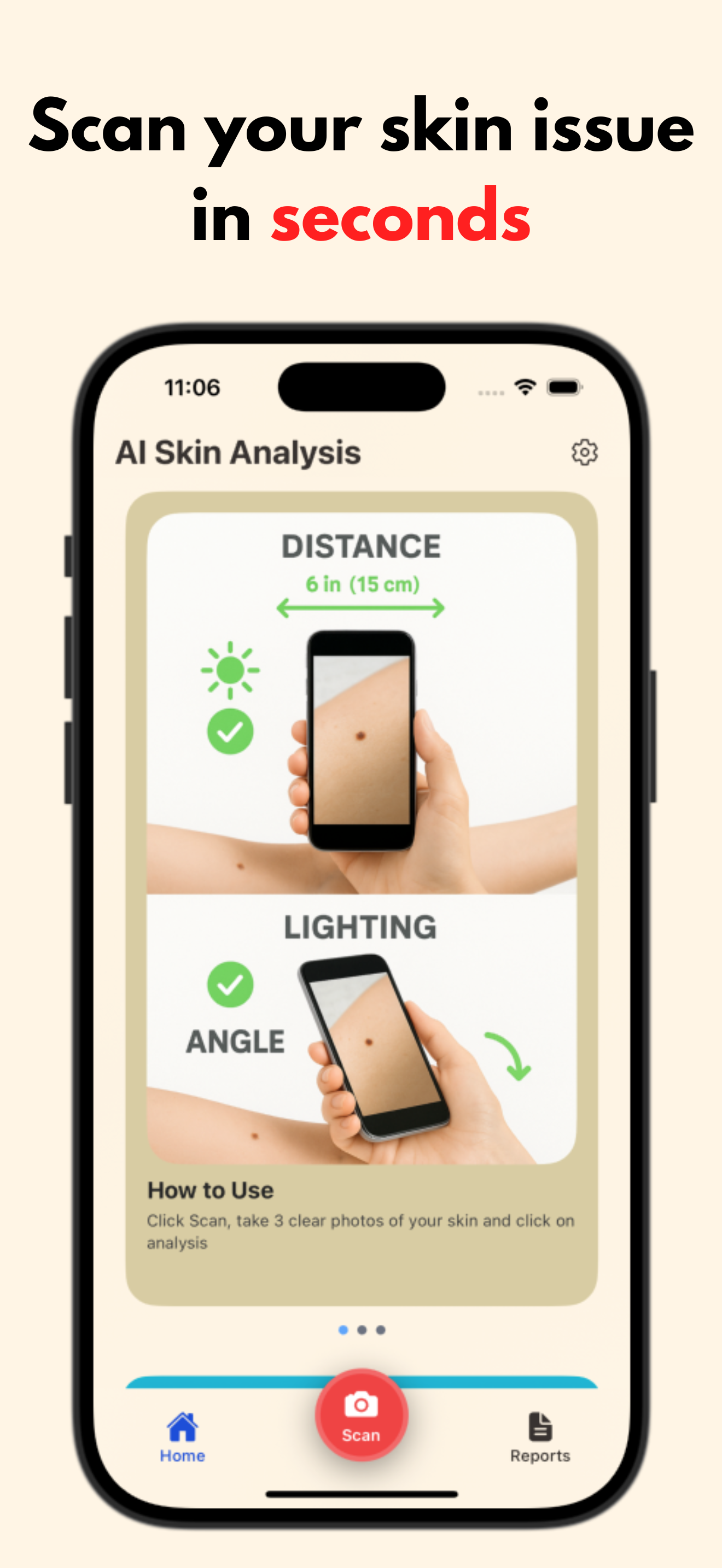
If you’re unsure, you can use an AI tool like Rash Detector to analyze rash photos and get general guidance, but always consult a healthcare professional for diagnosis and treatment.
10. Pills vs. Creams: How to Choose for Your Itch
If your itch is widespread (covering large areas or your whole body), oral antihistamines are often used. For small, localized patches, creams or lotions may be more effective and work right at the source.
- Pills: Often used for hives, allergies, or itch with no visible rash.
- Creams/lotions: Commonly used for bug bites, poison ivy, eczema, or areas you can reach easily.
Combining both (oral + topical) is generally safe for most people, but always follow package instructions and check with your pharmacist if you’re unsure. For more tips, see Skin Rash Treatment: Effective Solutions and Smart Tools.
11. Safety Tips, Side Effects, and When to See a Doctor
Always read the label. Some anti-itch medicines have age restrictions or interact with other drugs. For example, do not give oral antihistamines to children under 2 without a doctor’s advice, and avoid topical steroids on broken skin or the face unless directed.
Watch for these warning signs that mean you should see a doctor or dermatologist:
- Itching that lasts more than 2 weeks
- Severe, spreading, or painful rash
- Symptoms of infection (fever, pus, swelling)
- Difficulty breathing, swelling of lips/tongue (possible allergy emergency—call 911)
Always consult a healthcare professional for diagnosis and treatment, especially for babies, elderly, or anyone with chronic medical conditions.
Conclusion
The best anti itch medicine for you depends on the cause, severity, and location of your symptoms. From non-drowsy antihistamine pills to soothing creams and home remedies, there are OTC options for many types of itch. If you’re not sure what’s causing your rash or which medicine to try, consider uploading photos to Rash Detector for general analysis and next steps. And remember, always see a doctor for severe, spreading, or long-lasting symptoms.
FAQ
Q: What is the strongest over-the-counter anti-itch medicine?
A: For severe itch, 1% hydrocortisone cream is a commonly used OTC topical steroid. For widespread or allergic itching, oral antihistamines like cetirizine (Zyrtec) or diphenhydramine (Benadryl) are often used. Use as directed and see a doctor if symptoms persist.
Q: Is Zyrtec or Benadryl better for itching?
A: Zyrtec (cetirizine) is often chosen for daytime use and lasts longer with less drowsiness. Benadryl (diphenhydramine) works faster and is sometimes used for nighttime or severe reactions but can make you very sleepy.
Q: What cream works best for itchy skin fast?
A: 1% hydrocortisone cream is commonly used for many rashes. Pramoxine and calamine are also used for localized itch, especially on sensitive skin or bug bites.
Q: What medicine helps itching at night without making you too drowsy?
A: Non-drowsy antihistamines like cetirizine (Zyrtec), loratadine (Claritin), or fexofenadine (Allegra) are often used for nighttime itch if you want to avoid feeling groggy the next day.
Q: What is the best anti-itch medicine for bug bites, eczema, or hives?
A: For bug bites, hydrocortisone or calamine may help. For eczema, try moisturizing creams and hydrocortisone. For hives, non-drowsy antihistamines like Zyrtec or Allegra are commonly used. For more details, see our full guide to anti-itch creams.
Q: When should I see a doctor for itching that won’t go away?
A: See a doctor if itching lasts over 2 weeks, is severe, spreads quickly, or comes with fever, swelling, or open sores. Seek emergency care for trouble breathing or swelling of the face or throat.