Small Red Bumps on Skin: Causes, Identification & Treatment Guide
Small red bumps on skin? Learn common causes, how to identify bumpy skin rashes, and when to seek help. Try Rash Detector for instant AI skin analysis.
Estimated reading time: 11 min
Key Takeaways
- Small red bumps on skin are common and often harmless, but can signal irritation, allergies, infections, or underlying conditions.
- Identifying the cause depends on bump appearance, location, symptoms, and triggers like shaving, heat, or contact with irritants.
- Many bumpy skin rashes can be managed at home with gentle care and over-the-counter remedies.
- Seek medical advice for rapidly spreading bumps, pain, fever, non-blanching red dots, or if you’re unsure of the cause.
- AI tools like Rash Detector may help analyze rashes from images, but do not replace professional medical evaluation.
Table of Contents
- Section 1: Understanding Small Red Bumps on Skin
- Section 2: Common Causes of Tiny Red Bumps
- Section 3: How to Tell the Difference by Appearance
- Section 4: Location Patterns and Triggers
- Section 5: Shaving, Allergies, and Irritant-Related Bumps
- Section 6: When Small Red Bumps Signal Something Serious
- Section 7: Home Care and Treatment for Bumpy Skin Rash
- Section 8: Image-Based Rash Identification & Next Steps
- Conclusion
- FAQ
Section 1: Understanding Small Red Bumps on Skin
Why Do Small Itchy Bumps and Red Dots Appear?
Small red bumps on skin—sometimes called tiny red bumps, red dots, or a bumpy skin rash—are one of the most common skin complaints. They often result from irritation, blocked pores, allergic reactions, infections, or inflammation. The skin’s job is to protect, so when it’s exposed to something it doesn’t like, it can respond with redness and bumps.
Are Red Bumps Always a Rash?
Not every cluster of small red bumps is a rash in the medical sense. Sometimes, these bumps are simply blocked follicles (like keratosis pilaris) or minor irritations. Other times, they signal a true rash—a visible reaction of the skin to injury, infection, or trigger.
- Itchy vs. Painful: Itchy bumps often mean inflammation (eczema, hives, allergies), while painful bumps may signal infection or folliculitis.
- Sudden vs. Gradual: Rapid onset could suggest an allergic reaction; gradual changes may point to chronic conditions like keratosis pilaris.
Who Gets Small Bumps?
Anyone—babies, kids, teens, and adults—can get small red bumps on skin. People with sensitive skin, allergies, or who sweat a lot may notice them more often. Shaving, tight clothing, and certain medications can trigger outbreaks.
Section 2: Common Causes of Tiny Red Bumps
Keratosis Pilaris (Chicken Skin)
This common condition causes tiny, rough bumps, especially on the upper arms, thighs, and buttocks. The bumps are usually flesh-colored or red and feel like sandpaper but rarely itch. They form when keratin (a skin protein) blocks hair follicles.
- Location: Upper arms, thighs, cheeks, buttocks
- Symptoms: Non-itchy, rough, small red or white bumps
Folliculitis
Folliculitis is inflammation of hair follicles, causing small red or white bumps. It’s common after shaving, waxing, or friction. The bumps may be itchy or sore and can have a small whitehead.
- Location: Anywhere hair grows, especially beard area, scalp, thighs, and buttocks
- Triggers: Shaving, tight clothing, hot tubs
- Symptoms: Itchy or tender bumps, sometimes pus-filled
Heat Rash (Miliaria)
Heat rash appears as clusters of tiny red bumps or blisters after sweating. It’s caused by blocked sweat glands and is common in babies and athletes.
- Location: Neck, chest, armpits, groin, under breasts
- Symptoms: Itchy, prickly, or stinging red spots
Hives (Urticaria)
Hives are raised, itchy welts that appear suddenly due to allergies, stress, or unknown triggers. They can be small or large and often move around the body.
- Location: Anywhere
- Symptoms: Patches of raised, itchy red bumps or welts
Eczema (Atopic Dermatitis)
Eczema can cause small red bumps, itching, and dry patches, especially in skin creases. It’s often triggered by allergens, soaps, or stress.
- Location: Bends of elbows, behind knees, neck, face
- Symptoms: Itchy, red, sometimes oozing bumps
Contact Dermatitis
Skin reacts to irritants or allergens (like nickel, fragrances, certain plants) with red, itchy bumps and sometimes blisters.
- Location: Where skin touched the trigger
- Symptoms: Itchy, sometimes burning rash with small bumps
Acne and Insect Bites
- Acne: Causes small red (sometimes white-tipped) bumps, especially on the face, chest, and back.
- Insect bites: Often appear as isolated, itchy, red bumps, sometimes with a central dot or blister.
Petechiae
Petechiae are tiny, flat, red or purple dots under the skin. Unlike most rashes, they do not itch or blanch (fade) when pressed. Petechiae may signal a more serious problem, especially if new, widespread, or with fever.
Section 3: How to Tell the Difference by Appearance
Itchy vs. Painful Bumps
- Itchy: Eczema, hives, allergic reactions, heat rash, insect bites
- Painful or tender: Folliculitis, infected acne, cellulitis
Itchiness typically signals inflammation or allergy, while pain suggests infection or deeper irritation.
Raised vs. Flat Red Dots
- Raised: Hives, folliculitis, ingrown hairs, acne, keratosis pilaris
- Flat: Petechiae, some drug rashes
Flat, non-blanching red dots (especially if new or spreading) should be evaluated by a doctor.
Clustered vs. Isolated Patterns
- Clustered: Heat rash, hives, allergic contact dermatitis
- Isolated: Insect bites, acne pimples
Clusters often point to environmental triggers, while isolated bumps may be bites or follicle-related.
Whiteheads, Pustules, and Follicle-Centered Bumps
- White-tipped: Acne, folliculitis
- Hair follicle-centered: Keratosis pilaris, folliculitis
Pinpoint Spots (Petechiae)
Petechiae are tiny, pinpoint, flat red or purple dots that do not blanch when pressed. Seek prompt medical advice if these appear suddenly, spread, or are accompanied by fever or illness.
Section 4: Location Patterns and Triggers
Where Do Small Red Bumps Tend to Appear?
- Upper arms, thighs, buttocks: Keratosis pilaris, folliculitis, friction bumps
- Face, neck: Acne, eczema, shaving bumps
- Armpits, groin, under breasts: Heat rash, friction rash, folliculitis
- Skin folds: Heat rash, eczema, fungal rashes
- Areas under tight clothing: Folliculitis, friction rash, heat rash
Pattern Clues
The location and pattern can help identify the cause:
- Bilateral (both sides): Often a systemic or environmental trigger (like heat, soap, or allergy)
- Unilateral (one side): More likely from local irritation, bites, or contact
Role of Activities and Environment
- Exercise, hot weather: Heat rash, friction bumps
- New soaps, detergents, cosmetics: Allergic or irritant contact dermatitis
- Shaving and hair removal: Razor bumps, ingrown hairs, folliculitis
Related: For tips on preventing heat-related skin bumps, visit How to Prevent Heat Rash: Practical Tips for Every Season.
Section 5: Shaving, Allergies, and Irritant-Related Bumps
Shaving-Related Bumps
Shaving, waxing, or friction from clothing can cause several types of small red bumps on skin:
- Razor bumps (pseudofolliculitis barbae): Ingrown hairs that form painful or itchy red bumps after shaving.
- Folliculitis: Inflamed hair follicles after shaving, waxing, or hot tub exposure.
- Prevention: Use clean razors, shave in the direction of hair growth, and avoid shaving too close.
Allergic Reactions
Exposure to allergens—like certain soaps, fragrances, nickel, cosmetics, plants, foods, or medications—can trigger small itchy bumps, hives, or contact dermatitis.
- Onset: Minutes to hours after exposure
- Symptoms: Red, itchy, sometimes blistery bumps, often in the area of contact
Learn more about drug-related rashes and allergic skin reactions in our guide: Drug Allergy Rash: Identification, Causes, and What to Do.
Irritant Reactions
Harsh soaps, detergents, or friction can cause an irritant contact dermatitis, resulting in a bumpy rash. Unlike allergic reactions, this is not immune-mediated and usually limited to the area of contact.
- Symptoms: Burning, stinging, red bumps, dry or cracked skin
Environmental Triggers
- Hot, humid weather: Heat rash
- Sweating, tight clothing: Friction rash or folliculitis
- Plants (e.g., poison ivy): Allergic contact dermatitis with red, itchy bumps and sometimes blisters
Section 6: When Small Red Bumps Signal Something Serious
Warning Signs to Watch For
- Bumps that spread quickly or cover large areas
- Associated fever or illness
- Painful, swollen, hot, or pus-filled bumps
- Red dots that do not blanch (fade) when pressed
- Bumps with bruising or bleeding
If you notice these signs, see a doctor promptly. Some causes—like cellulitis, chickenpox, meningitis, or drug reactions—may need urgent treatment.
Infections and Medical Emergencies
- Cellulitis: Spreading red, hot, painful area with or without small bumps—can be serious.
- Chickenpox or viral rashes: Small red bumps turn into blisters, often with fever.
- Strep or meningitis rashes: Sudden red or purple dots (petechiae), fever, and unwell feeling—seek emergency care.
- Drug reactions: Rash with mouth sores, fever, or peeling skin needs immediate attention. Read more at Drug Rash Treatment: Effective Solutions for Skin Reactions.
Petechiae: The Exception to the Rule
Petechiae are tiny, pinpoint, flat red dots that do not blanch when pressed. They can signal blood or clotting disorders, meningitis, or sepsis—especially if sudden or widespread. Always seek prompt medical advice if you notice this pattern.
Note: This guide is for general information only. For diagnosis and treatment, always consult a doctor or dermatologist, especially if you have severe, spreading, painful, or persistent symptoms.
Section 7: Home Care and Treatment for Bumpy Skin Rash
General Skincare for Small Red Bumps
- Wash gently with mild, fragrance-free cleanser
- Avoid scrubbing or picking at bumps
- Moisturize with non-comedogenic (non-pore-clogging) creams or lotions
Soothing Itchy or Irritated Skin
- Cool compresses can relieve itching and reduce swelling
- Oatmeal baths may soothe eczema and some allergic rashes
- Some people find over-the-counter anti-itch creams containing hydrocortisone or calamine helpful (Best Anti Itch Cream: Top Picks and How to Choose)
Treating Specific Causes
- Keratosis pilaris: Regular gentle exfoliation, moisturizing creams with urea or lactic acid
- Folliculitis: Warm compresses, antiseptic washes, avoid shaving over affected areas
- Heat rash: Stay cool, wear loose clothing, keep skin dry
- Allergic/irritant rash: Remove trigger, protect skin, use gentle cleansers
- Acne: Gentle acne washes, avoid heavy creams, don’t squeeze pimples
When to Use Medications
- Over-the-counter hydrocortisone cream may help with itching and inflammation
- Oral antihistamines (like cetirizine or loratadine) can reduce itch from allergies or hives
- See a doctor for prescription creams or antibiotics if there’s infection, severe rash, or no improvement after a few days
For a deeper guide to treating various rashes, see our resource: Skin Rash Treatment: Effective Solutions and Smart Tools.
Section 8: Image-Based Rash Identification & Next Steps
Using Photos to Help Identify Small Red Bumps
Comparing how your rash looks to trusted images can help narrow down possible causes. Key features to notice include:
- Bump size, shape, and color
- Are bumps isolated or clustered?
- Location on the body and symmetry
- Associated symptoms: itching, pain, fever
How Rash Detector Can Help
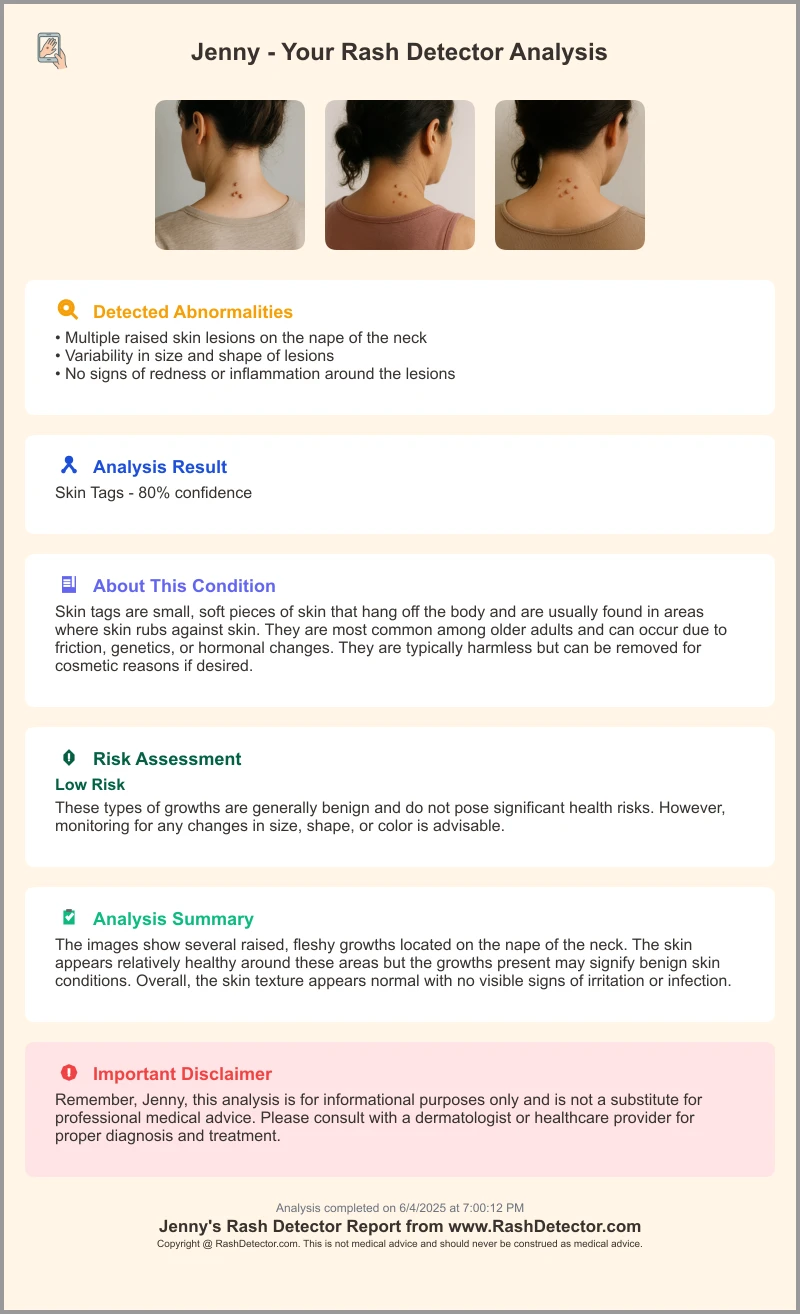
Rash Detector is an AI-powered app that lets you upload up to 3 images of your rash or skin condition. Within seconds, you’ll get a detailed analysis of possible causes and suggestions for next steps. This tool may be helpful if you’re unsure whether your bumpy skin rash is harmless or needs urgent care, but it does not replace a professional medical evaluation.
When to See a Doctor
- Bumps are spreading, worsening, or not improving after a week
- There is pain, pus, fever, or general illness
- Red dots do not blanch when pressed
- You feel unwell, have trouble breathing, or develop bruising/bleeding
For step-by-step guidance on checking your skin at home, visit How to Do a Skin Self Exam at Home: A Step-by-Step Guide.
Conclusion
Small red bumps on skin are a common concern with many possible causes—most are mild and may be managed at home, but some can signal more serious conditions. Identifying tiny red bumps depends on their appearance, location, and symptoms. Gentle care, avoiding irritants, and prompt medical attention for warning signs are key. If you’re unsure about a bumpy skin rash, consider using an AI tool like Rash Detector for additional insights, but always see a healthcare provider for diagnosis and treatment of persistent or severe symptoms.
FAQ
Q: What causes small red bumps on skin that are itchy?
A: Itchy small red bumps can be caused by eczema, hives, heat rash, insect bites, or allergic reactions. Identifying triggers like new soaps, foods, or recent sweating can help narrow the cause. For diagnosis and treatment, consult a healthcare provider.
Q: How do I know if my red bumps are keratosis pilaris, folliculitis, or hives?
A: Keratosis pilaris causes rough, non-itchy bumps on arms/thighs; folliculitis has red bumps with possible whiteheads after shaving or friction; hives are raised, very itchy welts that can move around the body. A doctor or dermatologist can help confirm the diagnosis.
Q: When are small red bumps on skin a sign of something serious?
A: Warning signs include rapidly spreading bumps, pain, pus, fever, red dots that don’t blanch, or bumps with bruising or bleeding. These may signal infection, drug reaction, or a medical emergency—see a doctor promptly.
Q: Why do I get small red bumps after shaving?
A: Shaving can cause razor bumps (ingrown hairs) or folliculitis (inflamed hair follicles), especially with dull blades, shaving too closely, or sensitive skin. Using clean razors and shaving with the hair can help prevent them. If bumps persist or worsen, consult a healthcare provider.
Q: What does it mean if the red bumps do not blanch when pressed?
A: Non-blanching red dots (petechiae) may indicate bleeding under the skin due to infection, blood disorders, or reactions. This can be serious—seek medical care immediately.
Q: How do you treat small red bumps on skin at home?
A: Use gentle cleansers, moisturize, avoid triggers, and try over-the-counter anti-itch creams. Apply cool compresses and avoid scratching. Seek medical advice if symptoms persist or worsen, or if you are unsure of the cause.