Skin Rashes from Wearing Jewelry: Causes, Symptoms & Solutions
Discover what causes skin rashes from wearing jewelry, common allergens, symptoms, treatments, and how to choose safe jewelry materials. Expert guidance included.

Estimated reading time: 15 min
Key Takeaways
- Nickel is a common cause of skin rashes from jewelry, but other metals like cobalt and chromium can also trigger reactions.
- Symptoms of allergic contact dermatitis may include redness, swelling, itchiness, and sometimes blisters or scaling at the site of contact.
- Removing the offending jewelry and soothing the skin is the first step; OTC creams may help, but persistent or severe rashes should be evaluated by a dermatologist.
- Hypoallergenic materials such as titanium, platinum, and surgical-grade stainless steel are generally considered safer alternatives for sensitive skin.
- Moisture, sweat, and friction can worsen jewelry-related rashes and should be minimized.
Table of Contents
- Section 1: What Causes Skin Rashes from Wearing Jewelry?
- Section 2: Common Metals and Allergens in Jewelry
- Section 3: Symptoms and Appearance of Jewelry-Related Rashes
- Section 4: Risk Factors — Where and When Jewelry Rashes Happen
- Section 5: Immediate Steps and Treatments for Jewelry Rashes
- Section 6: Safe Jewelry Materials and Prevention Strategies
- Conclusion
- FAQ
Section 1: What Causes Skin Rashes from Wearing Jewelry?
Understanding the Causes: Allergic Contact Dermatitis
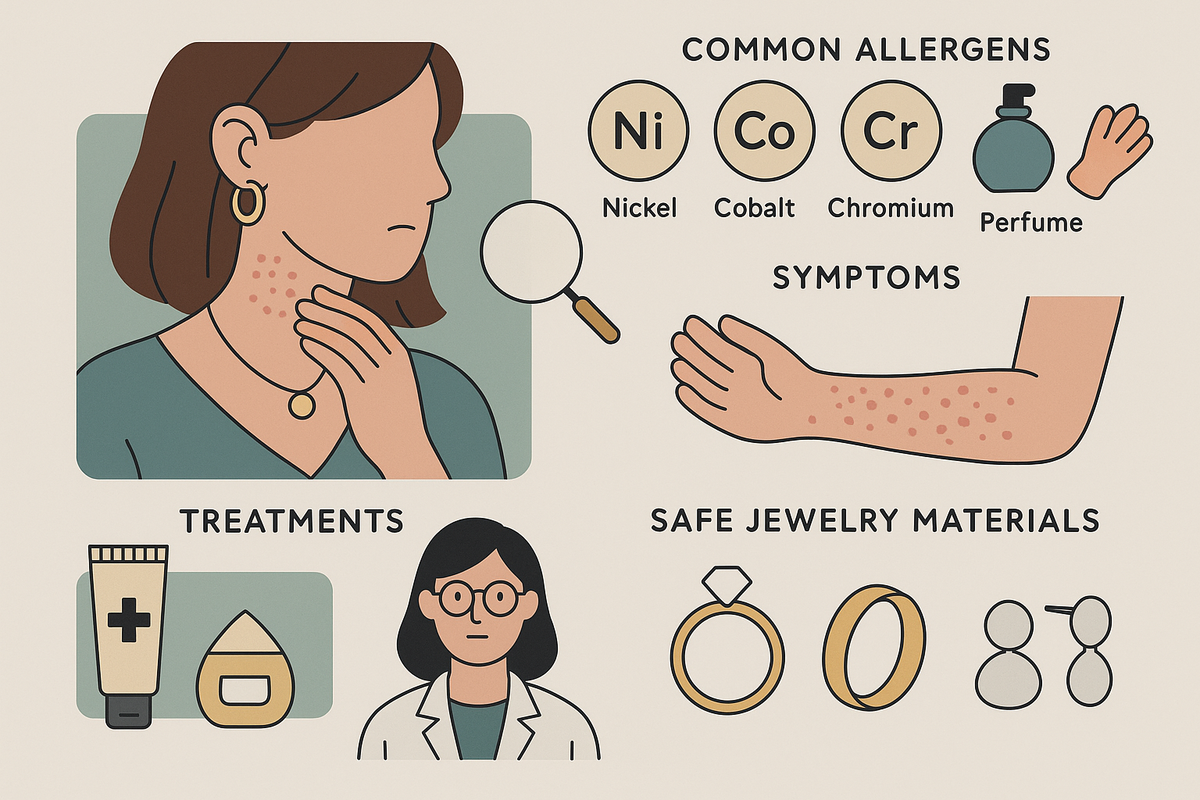
Skin rashes from wearing jewelry are most often caused by allergic contact dermatitis. This is a form of eczema triggered by direct contact with an allergen or irritant. Nickel is a well-known culprit. However, other metals found in jewelry—such as cobalt, chromium, and mixed alloys—can also provoke reactions.
- Nickel allergy: A leading cause of jewelry-induced rashes.
- Cobalt and chromium: Less common, but recognized as triggers.
- Mixed alloys: Many inexpensive or costume jewelry pieces blend metals, raising the risk of a reaction.
Allergic contact dermatitis is an immune-mediated process. When the skin comes into contact with the allergen, immune cells recognize it as a threat and release chemicals that cause redness, swelling, and itching. This can happen even if you’ve worn the same jewelry for years without trouble—sensitization can develop over time.
Other Rash Types Linked to Jewelry Wearing
While allergic contact dermatitis is the most common, several other skin rashes may occur in areas under or around jewelry:
- Heat rash: Wearing tight rings, watches, or necklaces can trap sweat and heat, leading to prickly, red bumps. This is especially common in hot, humid climates or during intense physical activity. Heat rash (miliaria) happens when sweat ducts become blocked, and sweat is trapped under the skin.
- Fungal skin rash: Moist, occluded areas (such as under a ring) are prone to fungal overgrowth, especially during hot weather or if the skin is already irritated. Dermatophytes (fungi that cause ringworm) and yeast (like Candida) can thrive in these environments, leading to redness, itching, and sometimes a distinct ring-shaped rash or peeling.
- Stress rash: Chronic itching or irritation from jewelry can trigger or exacerbate stress-related eczema. For people prone to atopic dermatitis, the combination of emotional stress and physical irritation may create or worsen rashes under jewelry.
In rare cases, a rash under jewelry might signal a more serious skin condition, such as psoriasis or a skin infection. That’s why it’s important to monitor the rash’s progression and seek medical evaluation for severe, persistent, or spreading symptoms.
Why Do Some People React?
Not everyone develops a rash from jewelry. Genetics, immune sensitivity, and environmental factors all play a role. If you have a history of eczema, asthma, or other allergies, your risk may be higher. Some people develop allergies later in life, even after years of safe jewelry wear. In children, early ear piercing can trigger nickel allergy, but reactions can develop at any age. Repeated or prolonged exposure increases the likelihood of developing an allergy.
For more on the broader causes of skin rashes and how to tell them apart, see our guide on skin rash treatment and solutions.
Section 2: Common Metals and Allergens in Jewelry
Nickel: The #1 Offender
Nickel is a common cause of jewelry allergies. It's inexpensive, strong, and used in everything from earrings to watch clasps. Nickel ions can leach out and penetrate the skin, especially if the jewelry is moist or the skin is sweaty or broken.
- Nickel is frequently blended with gold, silver, or other base metals in costume and fine jewelry alike.
- Even "gold" jewelry may contain nickel unless it's labeled as 18k or higher.
- Nickel is also present in some white gold alloys and plated jewelry.
Nickel is used to strengthen softer metals or to provide a whitened appearance (as in white gold). Plated jewelry, where a thin layer of gold or silver coats a base metal, is particularly risky—when the plating wears off, nickel underneath is exposed and can cause symptoms.
Other Problematic Metals: Cobalt, Chromium, and Mixed Alloys
Cobalt and chromium are less common, but can be present in inexpensive jewelry, watch backs, or even some medical implants. They can trigger rashes similar to nickel allergy.
- Chromium is often used for plating to provide a shiny, corrosion-resistant finish. It can be found in costume jewelry and watch components. In some people, repeated exposure leads to sensitization and allergic reactions.
- Cobalt is sometimes added for hardness, especially in metal alloys that require durability. While pure cobalt is rarely used, it can be part of mixed alloys in rings, earrings, and fashion jewelry.
- Mixed alloys (combinations of different metals) increase the risk of allergic and irritant reactions, especially in cheaper jewelry. Because manufacturers may not clearly label all metals used, it's often difficult to know exactly what you’re wearing.
Some metals, such as copper and brass, can also cause irritation in sensitive individuals, though true allergic reactions are less common. Tarnishing or discoloration of the skin (a green or black mark) is usually benign, but can be a sign that metals are reacting with sweat and may be more likely to irritate.
Testing for Metal Allergies
If you suspect a reaction, consider a nickel test kit (available at some pharmacies or online). These kits detect nickel ions released from jewelry. A test involves applying a solution to the jewelry and observing a color change if nickel is present. For persistent or unexplained rashes, a dermatologist can perform a patch test to identify specific metal sensitivities. Patch testing is the standard for allergy diagnosis and can help pinpoint sensitivities to nickel, cobalt, chromium, and other metals or chemicals.
It’s important to note that some people may react to more than one metal. If you have a known nickel allergy, ask your dermatologist whether you should be tested for other metals as well.
Section 3: Symptoms and Appearance of Jewelry-Related Rashes
How to Recognize an Allergic Reaction Rash from Jewelry
The classic rash from jewelry allergy is called allergic contact dermatitis. Symptoms may develop within 12-48 hours of wearing the triggering item, but can show up sooner in sensitized individuals. The reaction is typically limited to the area where the metal touches the skin, but in some cases, it can spread slightly beyond.
- Redness and swelling at the site of contact (e.g., under a ring, behind an earring, or around the neck). The redness often has a sharp border, matching the jewelry’s shape.
- Intense itching, sometimes with burning or stinging. Persistent scratching may break the skin, increasing the risk of infection.
- Papules or blisters (small, fluid-filled bumps) in some cases. These may ooze clear fluid and then crust over.
- Scaling, dryness, or cracking as the rash progresses. Chronic exposure can result in rough, flaky, or fissured skin, especially in areas like the fingers or earlobes.
- Chronic exposure can cause thickened, leathery skin (lichenification). This is most common under rings that are never removed, or with earrings worn continuously.
Some individuals experience a delayed reaction—symptoms appear after repeated exposures, not the first time they wear a piece. Others may develop a rash after a single prolonged exposure, especially when sweating or if the skin barrier is already compromised (for example, from eczema or minor cuts).
Common Locations for Jewelry-Induced Rashes
- Earlobes and behind the ears (from earrings and hooks). Pierced ears are especially at risk, as the skin is thin and frequently exposed to metal posts.
- Fingers (rings, especially wedding bands). Rashes may develop on the underside of the finger or spread to adjacent fingers if moisture is trapped.
- Neck (chains, necklaces, pendants). Red, itchy patches may appear along the chain’s path. Pendants can rub and cause irritation, especially during sleep.
- Wrists (bracelets, fitness trackers, watchbands). Watchbacks made of nickel-containing alloys are a hidden source of rashes. Silicone or plastic bands may still have metal clasps that cause reactions.
- Areas under watches, clasps, or any tight-fitting jewelry. Rashes may also develop where clothing fasteners (like bra hooks or belt buckles) touch the skin if they contain nickel or other allergens.
In rare cases, rashes can develop in less obvious places, such as the ankles (anklets) or belly button (navel piercings), especially if jewelry is worn continuously or during exercise.
How Do These Rashes Differ from Other Skin Reactions?
Jewelry rashes are usually sharply demarcated, matching the shape or outline of the item. They may worsen with heat, sweat, or friction. In contrast, drug rashes or viral rashes tend to be more widespread and less localized.
Secondary infection is a risk if the skin barrier is disrupted. Signs include yellow crust, pus, increased pain, or spreading redness. If you notice these, seek medical attention promptly.
Always consult a healthcare provider if a rash is severe, spreading, painful, or accompanied by systemic symptoms (fever, chills, malaise). Early intervention can prevent complications.
Section 4: Risk Factors — Where and When Jewelry Rashes Happen
Moisture, Sweat, and Friction: The Rash Triad
Several factors increase the risk and severity of skin rashes from wearing jewelry:
- Moisture: Water trapped under a ring or watch band softens the skin, making it more permeable to metal ions. This is especially common after handwashing, showering, or swimming.
- Sweat: Salts and acids in sweat can corrode metals and increase allergen release. For example, nickel release rates may rise when exposed to sweat, making rashes more likely during hot weather or exercise.
- Friction: Repeated rubbing (e.g., from a tight ring or bracelet) disrupts the skin barrier, making reactions more likely. Friction may also cause minor abrasions, allowing metals to penetrate deeper into the skin.
For example, someone who leaves their wedding ring on 24/7—including during dishwashing, exercise, and gardening—may be more likely to develop a rash than someone who removes their jewelry during these activities.
Common Triggers and Exacerbating Factors
- Washing hands or showering with rings on. Soap and water can get trapped between the ring and skin, especially if the ring fits snugly.
- Wearing jewelry during exercise or hot weather. Increased sweating, swelling, and movement all increase the risk of irritation or allergy.
- Leaving jewelry on overnight, especially snug pieces. The combination of warmth, moisture, and immobility can create an ideal environment for both rashes and infections.
- Pre-existing skin conditions (eczema, psoriasis) or sensitive skin. These conditions weaken the skin’s protective barrier, making it easier for allergens to penetrate.
- Cosmetic products. Lotions, perfumes, or sanitizers applied to skin under jewelry may interact with metal or increase the risk of irritation.
Allergic reactions can sometimes be triggered or worsened by other substances that cross-react with metals, such as certain dyes or soaps. People with multiple allergies may be more sensitive overall.
Other Causes of Rashes in Jewelry Areas
Not all rashes in these areas are allergic. Fungal skin rashes (ringworm, candidiasis) can occur under rings, especially if the skin stays damp. These often appear as red, itchy patches with a scaly or flaky border. In some cases, a white, moist, peeling appearance may suggest yeast overgrowth. Heat rash is common in warmer months, presenting as tiny red bumps or blisters in areas where sweat is trapped. Less often, a drug rash or underlying medical condition (like diabetes skin rash) may present in similar locations. To learn more about how to spot a drug rash, see our article on drug rash treatment.
People with diabetes or immune suppression are at higher risk for skin infections under jewelry, especially if the skin is broken. Any rapidly spreading, painful, or pus-filled rash should be seen by a healthcare professional promptly.
Section 5: Immediate Steps and Treatments for Jewelry Rashes
What to Do When a Rash Appears
- Remove the jewelry immediately and wash the area gently with mild soap and lukewarm water. This helps stop further exposure to the allergen and removes any irritants.
- Pat the skin dry—do not rub, as rubbing can further irritate already sensitive skin.
- Apply a cool compress for relief if the area is hot or swollen. Use a clean, damp cloth for 10-15 minutes at a time several times a day as needed.
- Avoid scratching, as this increases the risk of infection and delays healing.
In the first 24-48 hours, focus on minimizing irritation and keeping the skin clean and dry. If the rash is mild, these steps alone may be enough to promote healing.
Over-the-Counter and Prescription Treatments
- OTC hydrocortisone cream may reduce inflammation and itch (apply as directed for up to 2 weeks). Use only on intact skin; avoid broken or oozing areas.
- Emollients (moisturizers) help restore the skin barrier. Choose fragrance-free, hypoallergenic products and apply several times a day, especially after washing hands.
- Oral antihistamines (like cetirizine or loratadine) may help relieve itching, particularly if rash interferes with sleep or daily activities.
- For severe or persistent rashes, a doctor may prescribe a stronger topical or oral corticosteroid. This is usually reserved for cases that don't respond to OTC treatment or involve large or sensitive areas.
- If there are signs of infection (pus, yellow crust, spreading redness), medical evaluation is essential. Antibiotic ointments or oral antibiotics may be needed for secondary bacterial infection.
For more on anti-itch strategies, see our expert guide: Best Anti Itch Cream: Top Picks and How to Choose.
Do not use home remedies like vinegar, baking soda, or undiluted essential oils on broken or irritated skin, as these can worsen inflammation and slow healing.
When to Seek Medical Help
- Rash is spreading rapidly or involves the face/genitals
- Severe pain, swelling, or blistering
- Signs of infection: warmth, pus, fever
- No improvement after 1-2 weeks of home care
- Uncertain diagnosis, especially if the rash does not match the area covered by jewelry or has unusual features
If in doubt, consult a dermatologist for diagnosis and treatment. For instant guidance, you can use Rash Detector—simply upload images of your rash and get possible causes and next steps. However, always remember that online tools are educational and not a substitute for professional medical care. If your symptoms are severe, persistent, or worsening, seek in-person evaluation.
Always see a doctor or dermatologist for diagnosis and treatment of any severe, spreading, painful, or persistent jewelry-related rash.
Section 6: Safe Jewelry Materials and Prevention Strategies
Hypoallergenic Jewelry Options
If you have a known nickel allergy or sensitive skin, consider these alternatives:
- Titanium: Pure titanium is strong, lightweight, and rarely causes allergic reactions. It’s used in both medical implants and jewelry for this reason. Look for jewelry labeled as "commercially pure titanium" or "grade 2 titanium." Anodized titanium offers color without added allergens.
- Platinum: Naturally hypoallergenic and non-reactive. It is dense, highly resistant to tarnish, and generally well-tolerated even by those with multiple metal sensitivities. Platinum jewelry is typically at least 90-95% pure.
- Surgical-grade stainless steel: Contains minimal nickel; often tolerated by sensitive individuals. Look for "316L" or "implant grade" stainless steel, which is used for body piercings and medical devices. Some people with very severe nickel allergy may still react, but many tolerate surgical steel well.
- Sterling silver (92.5% pure): Usually safe, but make sure it's nickel-free. Some sterling silver items are alloyed with copper or other metals, but cheaper versions may still contain nickel as a hardener.
- High-karat gold (18k or above): The higher the gold content, the less likely it is to contain nickel or other allergens. 22k and 24k gold are the safest but are softer and may scratch more easily.
- Niobium: Another hypoallergenic metal used for earrings and body jewelry, especially for people who react even to titanium or surgical steel.
Plastic, silicone, glass, and ceramic jewelry are also options for those with metal hypersensitivity, especially for earrings and body piercings. However, be cautious with plastic jewelry, as some may contain dyes or additives that can also irritate the skin.
Tips to Prevent Jewelry-Related Rashes
- Always remove rings and bracelets before washing hands, showering, or exercising. This prevents moisture trapping and reduces friction.
- Keep skin dry under jewelry; dry thoroughly after handwashing. Use a towel or tissue to blot under rings or bracelets, especially if you have sensitive skin.
- Apply a barrier, such as clear nail polish, to the inner surface of metal jewelry (reapply often, as it wears off). This creates a temporary shield between metal and skin. It works best on rings and earrings, but may wear off quickly with frequent handwashing or friction.
- Avoid wearing tight jewelry for prolonged periods, especially in hot weather. Loose-fitting pieces allow air circulation and reduce sweat buildup.
- Choose jewelry labeled "nickel-free" or "hypoallergenic." When buying gold, opt for 18k or higher. Ask jewelers about alloy composition if you’re unsure.
- Wipe down jewelry regularly with a soft cloth to remove sweat, lotion, and dirt. Clean pieces with gentle jewelry cleaner (avoid harsh chemicals).
- Rotate jewelry: Avoid wearing the same piece every day, especially in hot or humid conditions.
- Consider wearing jewelry over clothing (such as a pendant over a shirt) to minimize skin contact.
For new piercings, always use hypoallergenic starter jewelry and follow aftercare instructions to reduce irritation and infection risk. Avoid changing earrings until the piercing is fully healed.
How to Test Your Jewelry
Nickel spot test kits can detect the presence of nickel in jewelry by turning pink when nickel ions are released. This is especially helpful for older or unmarked pieces. To use a test kit, follow the manufacturer’s instructions—usually, you apply a drop of solution to a cotton swab, rub it on the jewelry, and observe for color change. If the swab turns pink, nickel is present and the item should be avoided by those with allergies.
If you’re unsure about the safety of a particular piece, ask your jeweler for metal content documentation. Some jewelers offer in-house testing or can direct you to a laboratory for analysis. Dermatologists may also recommend patch testing if you have unexplained rashes.
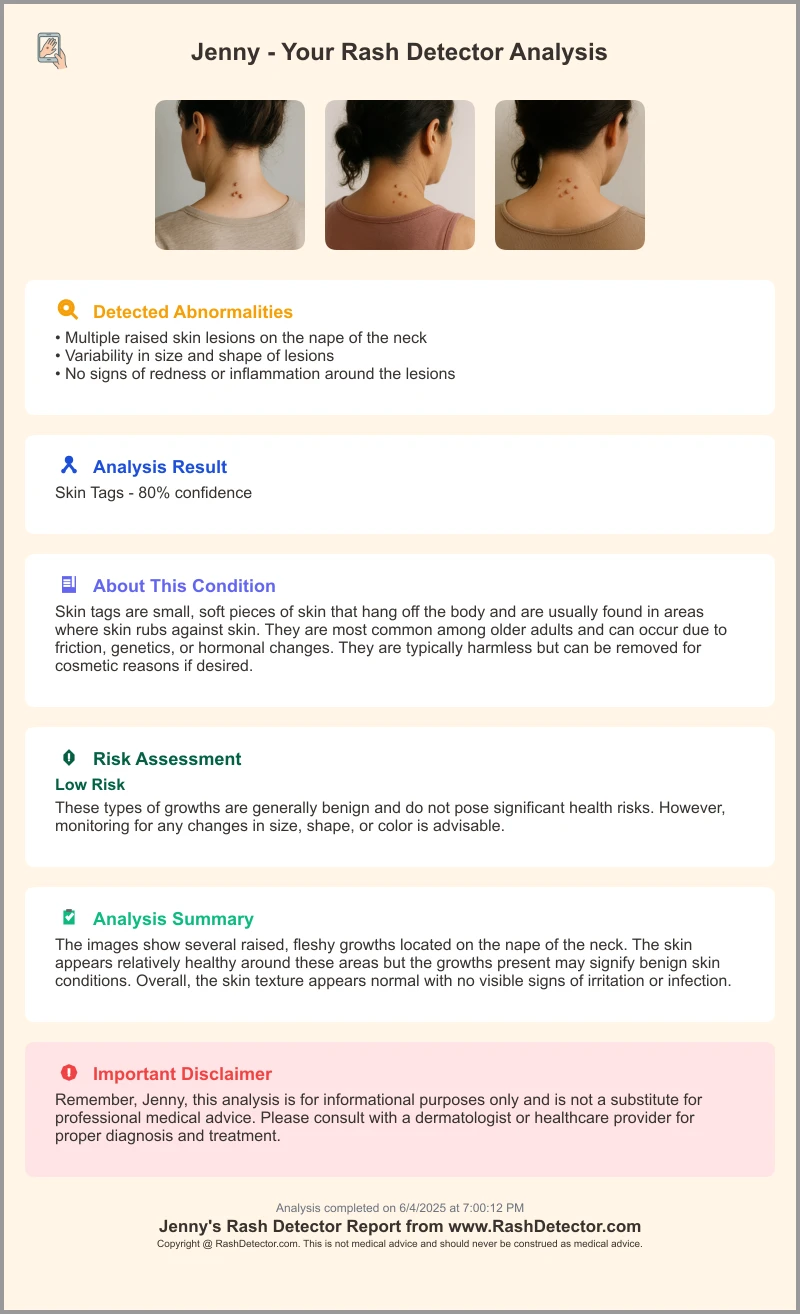
For more on skin self-exams and monitoring changes, read our guide on how to do a skin self-exam at home.
Conclusion
Skin rashes from wearing jewelry are common, uncomfortable, and sometimes confusing. Many are due to nickel allergy or related metal sensitivities, but heat, moisture, and friction can also play a role. Recognizing the symptoms of contact dermatitis—redness, itching, swelling, and sometimes blisters—can help you take action early. Remove the jewelry, soothe the skin, and opt for hypoallergenic materials whenever possible.
Prevention is key: choose safer metals, keep skin dry, and avoid prolonged exposure to moisture and friction. Remember that allergic sensitivities can develop over time—even to metals you’ve worn for years without issue. At the first sign of irritation, remove the jewelry and treat the skin promptly.
If your rash is severe, persistent, spreading, or shows signs of infection, see a doctor or dermatologist for expert care. Don't rely on self-diagnosis alone. For instant analysis and peace of mind, try uploading your rash photos to Rash Detector for preliminary guidance—remember, this tool is educational and not a substitute for professional medical advice.
Always consult a healthcare provider for diagnosis and treatment of any severe, spreading, painful, or persistent jewelry-related rash, especially if you have underlying conditions or are unsure of the cause.
FAQ
Q: What metal in jewelry causes the most skin rashes?
A: Nickel is a common cause of jewelry-related skin rashes. It's present in many types of costume and even some fine jewelry. Other metals like cobalt and chromium can also trigger reactions in sensitive individuals.
Q: How do I know if my rash is from a necklace, ring, or earrings?
A: Jewelry rashes usually match the outline or area of direct contact—such as under a ring, behind an earring, or on the neck beneath a necklace. Symptoms like redness, itching, and swelling that appear soon after wearing the item suggest a jewelry-related cause. If the rash persists, spreads, or does not improve after removing the jewelry, see a dermatologist for evaluation.
Q: What jewelry materials are safe if I have a nickel allergy?
A: Hypoallergenic options such as titanium, platinum, surgical-grade stainless steel, and high-karat gold (18k or above) are generally considered safer. Always look for jewelry labeled "nickel-free." Sterling silver is usually safe but should be confirmed nickel-free. For those with extreme sensitivities, niobium and plastic or glass jewelry may also be alternatives.
Q: Why does my ring give me a rash only when I sweat or wash my hands?
A: Moisture and sweat can increase the release of nickel and other metals from jewelry, making the skin more susceptible to irritation or allergic reactions. Wet skin also absorbs allergens more easily, and friction from a wet ring can worsen the rash. Always dry your hands and the area under your rings thoroughly after washing or exercising.
Q: Can clear nail polish stop jewelry from causing a rash?
A: Applying clear nail polish to the inner surface of jewelry can create a temporary barrier that may reduce skin contact with allergens. However, the coating may wear off quickly and needs regular reapplication. It's not a permanent solution, but it can help in the short term. For long-term relief, consider investing in hypoallergenic jewelry.
Q: When should I see a doctor for a jewelry rash?
A: See a doctor or dermatologist if your rash is severe, spreading, painful, blistering, or shows signs of infection (such as pus, warmth, or fever). Also seek medical advice if the rash doesn't improve with home care after 1-2 weeks. Prompt evaluation is especially important if you have a history of eczema, immune compromise, or if the rash involves sensitive areas like the face or genitals.