Reasons for Rashes on Feet: Complete Guide to Causes & Solutions
Discover all the reasons for rashes on feet—fungal, allergic, heat rash, diabetes, and more. Learn symptoms, prevention, and when to see a doctor. Try Rash Detector app!

Estimated reading time: 13 min
Key Takeaways
- Rashes on feet have many causes, including fungal infections, contact dermatitis, heat rash, and medical conditions such as diabetes.
- Symptoms such as itching, redness, blisters, pain, and swelling can help narrow down the cause of a rash.
- Common triggers include sweaty feet, allergens in shoes or socks, and skin contact with irritants.
- Some foot rashes may require prescription treatment or prompt medical attention, especially if severe or persistent.
- The Rash Detector app can help you analyze skin rashes and guide you to next steps, but always see a doctor if in doubt.
Table of Contents
- Section 1: Understanding Skin Rashes on Feet
- Section 2: Fungal and Infectious Causes
- Section 3: Allergic and Contact Dermatitis
- Section 4: Heat Rash, Friction, and Environmental Triggers
- Section 5: Medical Conditions and Internal Causes
- Section 6: Recognizing Rash Symptoms—What to Look For
- Section 7: Treatment, Prevention, and When to See a Doctor
- Section 8: Using Rash Detector App for Foot Rash Analysis
- Conclusion
- FAQ
Section 1: Understanding Skin Rashes on Feet
What Causes Skin Rashes on Feet?
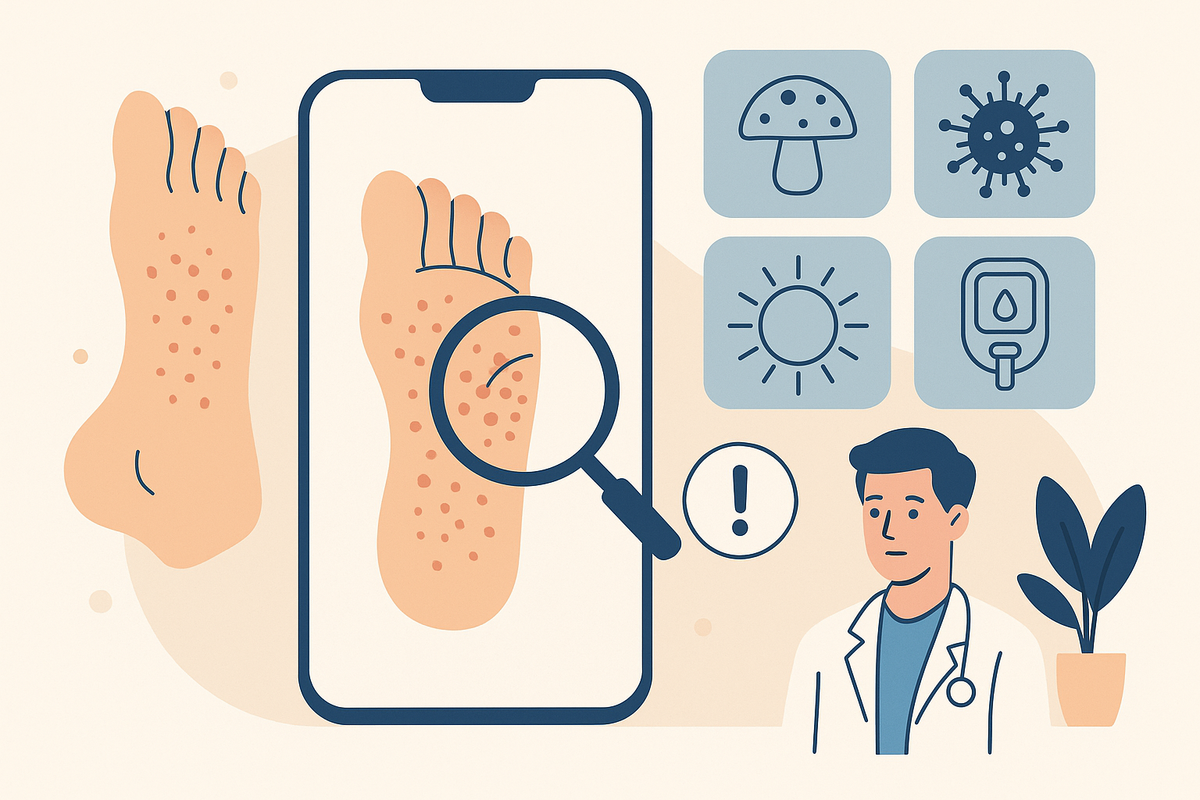
"Reasons for rashes on feet" is a common question—foot rashes can stem from many sources. The most frequent include:
- Fungal skin rash (e.g., athlete’s foot)
- Contact dermatitis (from irritants or allergens)
- Heat rash (from sweat and blocked pores)
- Bacterial, viral, or parasitic infections
- Allergic reaction rash (from shoes, socks, or products)
- Drug rash (side effect of medication)
- Diabetes skin rash (related to circulation and nerve issues)
- Stress rash (may be triggered by emotional or physical stress)
Each type has different triggers, symptoms, and treatments. Sometimes, foot rashes can signal underlying health conditions, so persistent or severe symptoms should always be checked by a doctor.
Why Are Feet Prone to Rashes?
Your feet endure moisture, friction, and exposure to many materials daily. Warm, damp environments—like inside shoes—can be ideal for fungi and bacteria to grow. The skin on feet is also sensitive to allergens and irritants, making rashes more likely.
Categories of Foot Rashes
- Infectious: Caused by fungi, bacteria, viruses, or parasites
- Allergic: Triggered by immune reactions to substances
- Irritant: Due to physical or chemical irritation
- Systemic/Medical: Related to internal health conditions or drugs
Identifying the category can help guide treatment and prevention efforts.
Section 2: Fungal and Infectious Causes
Fungal Skin Rash: Athlete’s Foot and Beyond
The most common infectious rash on feet is athlete’s foot (tinea pedis). This fungal skin rash thrives in sweaty shoes and locker rooms. Symptoms include:
- Itching and burning, especially between the toes
- Redness and scaling
- Cracking or peeling skin
- Occasionally, blisters or oozing
Other fungal infections can mimic athlete’s foot, but usually present similarly. Keeping feet dry and using antifungal creams may help treat and prevent recurrence. See a healthcare provider for diagnosis and appropriate treatment.
Bacterial Infections
Cellulitis is a potentially serious bacterial infection of the skin. Unlike athlete’s foot, cellulitis typically causes:
- Red, hot, swollen, and painful skin
- Rapid spreading
- Sometimes fever or chills
This is a medical emergency—seek prompt care if you suspect cellulitis.
Viral and Parasitic Causes
- Hand-foot-and-mouth disease: Common in children, causes red spots and blisters on feet and hands.
- Scabies: Caused by mites burrowing into skin, leading to intense itching and small bumps, often between toes.
These infectious causes often require prescription medications for effective treatment. Always consult a healthcare provider for diagnosis and management.
Section 3: Allergic and Contact Dermatitis
Contact Dermatitis Explained
Contact dermatitis is a common reason for rashes on feet. It happens when skin touches substances that cause irritation or an allergic reaction. There are two main types:
- Irritant contact dermatitis: Triggered by friction, moisture, detergents, or harsh soaps. Rash appears as red, dry, cracked, or scaly skin.
- Allergic contact dermatitis: Caused by the immune system reacting to allergens such as metals (nickel), dyes, latex, adhesives, or chemicals in shoe materials.
Symptoms may include redness, swelling, itching, and blisters. The rash is often located where the skin touched the offending substance.
Shoes, Socks, and Foot Products as Triggers
- Shoe materials: Dyes, rubber, glue, and leather tanning agents can trigger rashes in some people.
- Socks: Latex, dyes, or wool fibers may irritate sensitive skin.
- Foot powders/sprays: Preservatives and fragrances can cause allergic reaction rashes in susceptible individuals.
Patch testing by a dermatologist can help identify the specific allergen or irritant.
Allergic Reaction Rash
An allergic reaction rash can develop suddenly or over time. The area may become intensely itchy, swollen, and form blisters or hives. Avoiding the trigger and using topical corticosteroids may relieve symptoms, but medical advice is best for persistent cases.
Section 4: Heat Rash, Friction, and Environmental Triggers
Heat Rash (Miliaria)
Heat rash occurs when sweat ducts become blocked, trapping sweat under the skin. This can happen on feet in hot, humid conditions—especially in tight or poorly ventilated shoes. Symptoms include:
- Clusters of small, red bumps or clear blisters
- Itching or prickling sensation
- Most often on the soles or sides of feet
Heat rash is more common in athletes, children, and anyone exposed to warm, damp environments.
For tips on prevention, see How to Prevent Heat Rash: Practical Tips for Every Season.
Friction and Blisters
Continuous rubbing from shoes or socks can cause friction blisters or calluses. These may become red, raw, or develop fluid-filled sacs. Open blisters risk secondary infection, so keep them clean and protected.
Environmental Exposures
- Wet or damp conditions: Increase risk for fungal and bacterial rashes.
- Going barefoot: Raises risk for parasitic infections and irritation from rough surfaces.
- Insect bites: Mosquitoes, fleas, or ticks can trigger local rashes or itching.
Prevention includes keeping feet dry, wearing breathable footwear, and avoiding known irritants.
Section 5: Medical Conditions and Internal Causes
Diabetes Skin Rash
People with diabetes may be more prone to foot rashes due to poor circulation, nerve damage, and a weakened immune system. Examples of diabetes-related skin changes include:
- Dry, cracked skin: Increases risk for infections
- Diabetic dermopathy: Light brown, scaly patches
- Fungal and bacterial infections: May occur more often and be harder to treat
Foot care is critical for anyone with diabetes; report new foot rashes to your healthcare provider promptly.
Drug Rash and Medication Reactions
Some rashes on feet result from a drug rash—a side effect of medications. Drug rashes can look like red spots, hives, or widespread redness and swelling. They may be accompanied by itching or pain.
For more on this topic, visit Drug Rash: Causes, Symptoms, and How to Identify It or Drug Rash Treatment: Effective Solutions for Skin Reactions.
If you suspect a drug reaction, consult your doctor before stopping any medication.
Autoimmune, Stress, and Other Causes
- Autoimmune disorders: Conditions such as psoriasis, lupus, and vasculitis can cause rashes on the feet.
- Stress rash: Emotional stress may trigger hives or worsen chronic skin conditions in some people.
- Other medical conditions: Lyme disease, stasis dermatitis (poor circulation), and some rare conditions can present as rashes on the feet.
These causes often require specific diagnosis and treatment from a medical professional.
Section 6: Recognizing Rash Symptoms—What to Look For
Common Appearance and Symptoms
- Itching (mild to severe)
- Redness or pink patches
- Blisters (clear or pus-filled)
- Scaling or peeling skin
- Bumps, hives, or welts
- Swelling and pain
- Cracks, bleeding, or oozing
The rash’s location can help: between toes may suggest athlete’s foot or scabies; on the sole could be contact dermatitis, heat rash, or eczema.
How to Tell Foot Rash Types Apart
- Fungal (athlete’s foot): Itchy, scaling, often between toes, may have an odor.
- Contact dermatitis: Appears where skin contacts shoes or socks; may blister.
- Heat rash: Tiny blisters or red bumps; usually in hot, sweaty areas.
- Bacterial (cellulitis): Rapidly spreading, red, hot, swollen, and tender.
Some rashes overlap in appearance. When in doubt, consider using an image analysis tool like Rash Detector for guidance, but always seek a doctor’s opinion for persistent or severe cases.
Warning Signs That Need Medical Attention
- Rapidly spreading redness, swelling, or pain
- Rash with fever or chills
- Pus, drainage, or foul odor
- Rash in people with diabetes or immune compromise
- Rash that does not improve after home care
Never ignore these symptoms—see a healthcare provider promptly.
Section 7: Treatment, Prevention, and When to See a Doctor
Basic Home Care Steps
- Keep feet clean and dry. Wash daily and dry thoroughly, especially between toes.
- Avoid triggers. Change socks often, use hypoallergenic products, and wear breathable shoes.
- Apply topical treatments. Over-the-counter antifungal or hydrocortisone creams may help with mild rashes.
- Do not scratch. Scratching increases infection risk and delays healing.
For more tips, see Best Anti Itch Cream: Top Picks and How to Choose.
Prevention Strategies
- Change socks if your feet get sweaty.
- Let shoes dry out between uses.
- Avoid going barefoot in public showers or pools.
- Choose footwear and socks made from breathable, natural materials.
- Patch test new foot products before full use.
These steps may help lower the risk of recurring rashes.
When to Seek Medical Care
- Rash is severe, spreading, or very painful
- Signs of infection (pus, fever, red streaks)
- You have diabetes or poor circulation
- No improvement after a week of home care
Many rashes can be managed at home, but medical evaluation is important for complicated cases. For diagnosis and personalized treatment, consult your doctor or a board-certified dermatologist.
Section 8: Using Rash Detector App for Foot Rash Analysis
How the Rash Detector App Works
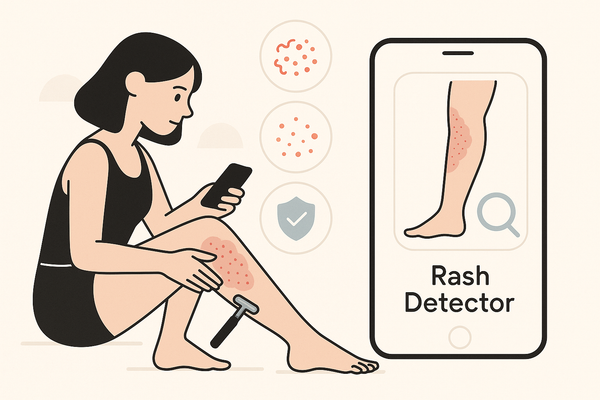
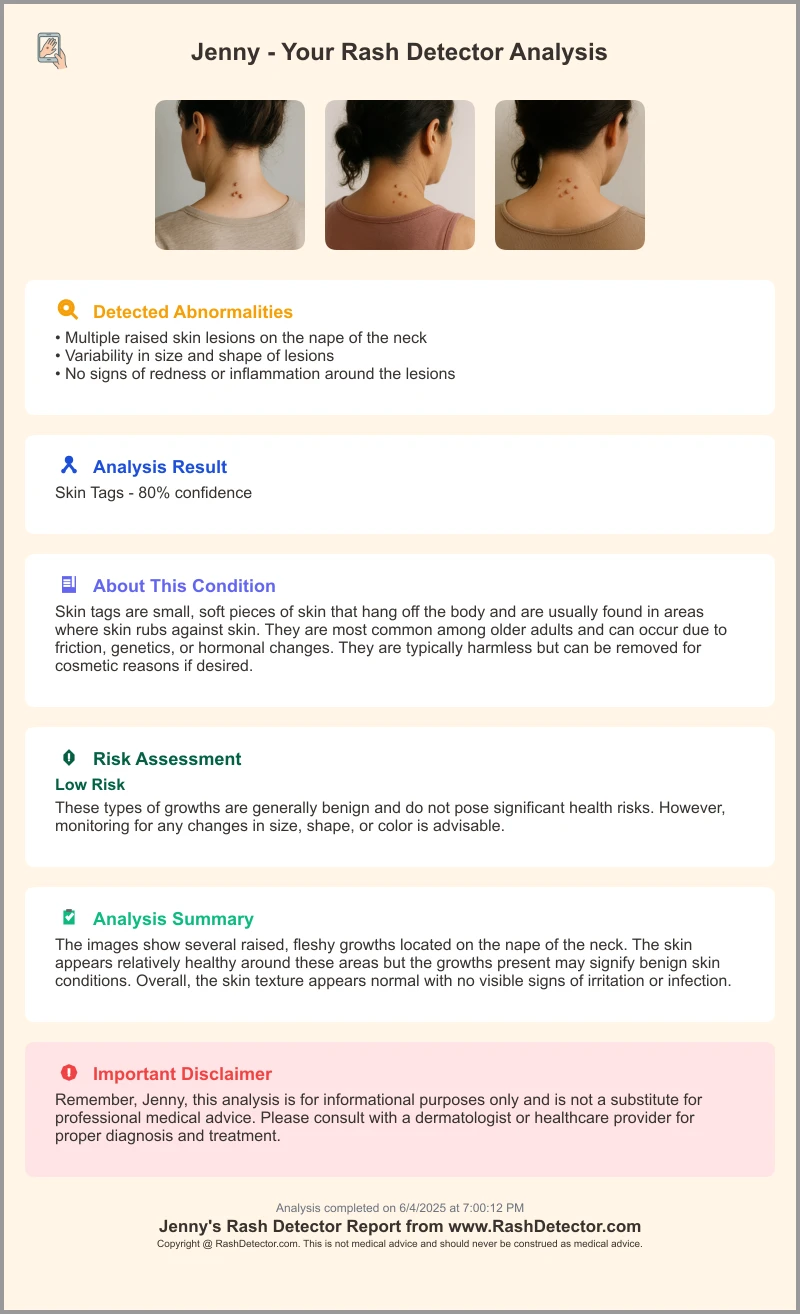
Wondering about the reasons for rashes on your feet? The Rash Detector app uses AI to analyze photos of your rash and provide potential causes and guidance—instantly and privately. Simply upload three images of your rash for the most accurate assessment.
Benefits of Using Rash Detector
- Instant analysis: Get quick insights into possible causes.
- Privacy first: Your photos and results remain confidential.
- Educational guidance: Learn about potential triggers and next steps, including when to see a doctor.
When AI Tools Are Most Useful
- If you’re unsure what kind of rash you have
- When symptoms are mild or you want a second opinion before seeing a doctor
- To compare changes over time by saving and tracking images
Remember: Rash Detector does not replace professional medical advice. For severe, spreading, or persistent rashes, always see a healthcare provider.
Conclusion
There are many reasons for rashes on feet, ranging from common fungal skin rashes and heat rash to allergic reactions, drug rash, diabetes skin rash, and more. The key to effective care is understanding the likely cause, recognizing warning signs, and knowing when to seek professional help. Good foot hygiene, avoiding known irritants, and prompt care for new or worsening symptoms are important steps.
The Rash Detector app can help you better understand your rash and guide you toward appropriate next steps—but it’s not a substitute for medical care. See a doctor or dermatologist for diagnosis and treatment, especially for severe or persistent rashes.
FAQ
Q: What causes a rash on the feet?
A: Rashes on feet can be caused by fungal infections (like athlete’s foot), contact dermatitis (from shoes, socks, or products), heat rash, bacterial or viral infections, drug reactions, diabetes, and more. Identifying the trigger is important for effective care.
Q: How do I know if my foot rash is athlete’s foot or eczema?
A: Athlete’s foot often causes itchy, scaly, and sometimes smelly skin between the toes, while eczema usually appears as dry, red, itchy patches on the top or sides of feet. Both can look similar; if unsure, consult a doctor or use a tool like Rash Detector for guidance.
Q: Can shoes or socks cause a rash on the feet?
A: Yes. Allergic or irritant contact dermatitis can develop from metals, dyes, latex, adhesives, or wool fibers in shoes and socks. These rashes usually appear where the skin touches the offending material.
Q: What does a fungal foot rash look like?
A: Fungal rashes (athlete’s foot) are usually red, itchy, and scaly, often affecting the spaces between the toes. Blisters or cracks may also occur. Keeping feet dry and using antifungal creams may help manage these rashes. See a healthcare provider for diagnosis and treatment.
Q: When should I see a doctor for a rash on my feet?
A: See a doctor if your rash is severe, spreading, painful, accompanied by fever or pus, or if you have diabetes or poor circulation. Also seek care if the rash does not improve after a week of home treatment.
Q: What is the best treatment for a rash on the feet?
A: Treatment depends on the cause. For mild fungal or irritant rashes, keep feet dry, avoid triggers, and use over-the-counter creams. Allergic, severe, or persistent rashes may need prescription medication. Always check with a healthcare provider for the best approach.