Rashes from Hormonal Changes: Causes, Symptoms, and Treatments
Discover what causes rashes from hormonal changes, how to identify them, and effective treatments. Learn about menopause, menstrual rashes, and more.
Estimated reading time: 13 min
Key Takeaways
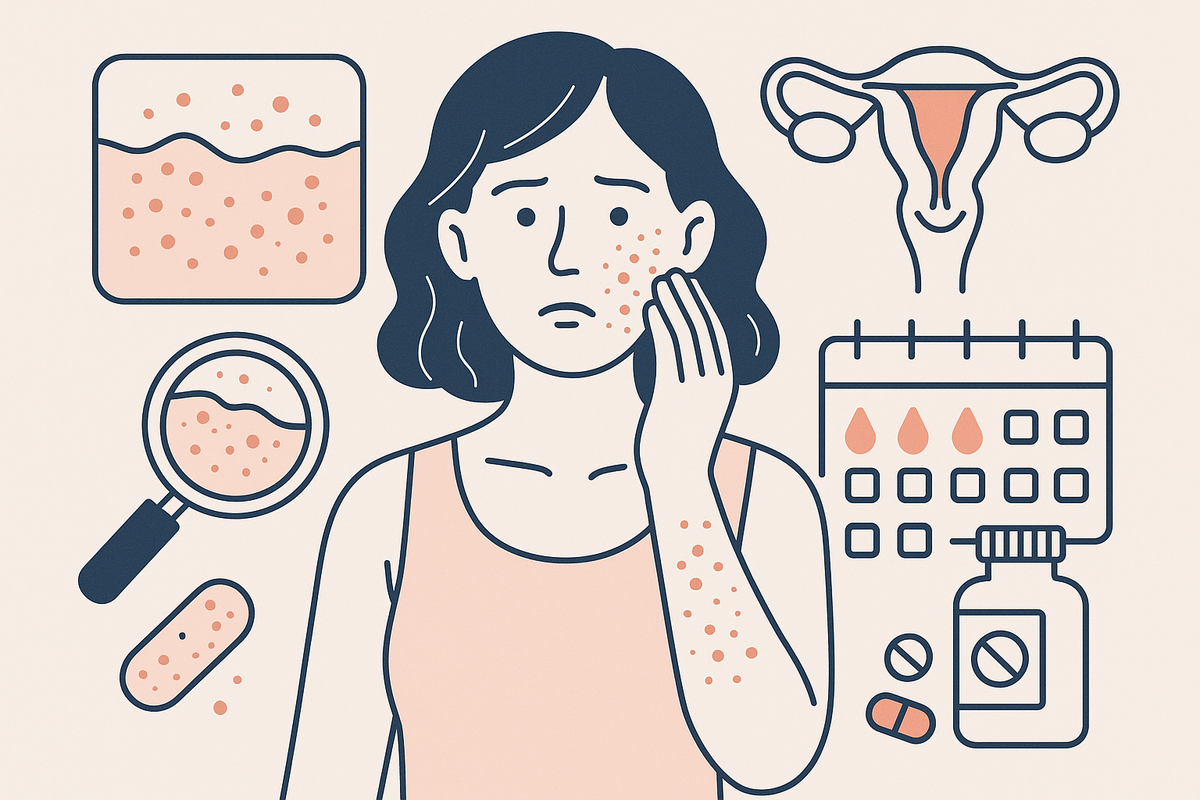
- Rashes from hormonal changes are often linked to menstrual cycles, perimenopause, and menopause.
- Hormonal shifts can disrupt the skin barrier, causing dryness, irritation, and increased sensitivity.
- Common hormone-related rashes may include eczema, urticaria (hives), and cyclical dermatitis.
- Accurate diagnosis is crucial; professional evaluation is recommended for persistent, severe, or spreading rashes.
- Treatment often focuses on skin hydration, trigger avoidance, antihistamines, and, in select cases, hormone-targeted therapy under medical supervision.
Table of Contents
- Section 1: What Causes Skin Rashes? The Big Picture
- Section 2: How Hormonal Changes Affect the Skin Barrier
- Section 3: Hormone-Related Skin Conditions and Symptoms
- Section 4: Menopause, Menstrual Cycle, and Autoimmune Hormone Rashes
- Section 5: How to Tell Hormone-Related Rashes from Other Causes
- Section 6: Diagnosis and When to See a Clinician
- Section 7: Treatment and Management of Hormonal Rashes
- Section 8: Hormone Management and Long-Term Skin Care
- Conclusion
- FAQ
Section 1: What Causes Skin Rashes? The Big Picture
Understanding the Categories of Skin Rashes
Skin rashes are a common concern, and one of the first questions people ask is: what causes skin rashes? While this guide focuses on rashes from hormonal changes, it’s essential to understand the broader landscape. Rashes can arise from a variety of triggers, including:
- Hormonal fluctuations (e.g., menstrual cycle, menopause, pregnancy)
- Heat rash (miliaria), often due to blocked sweat ducts
- Contact dermatitis (allergic or irritant), caused by reactions to substances like soaps, plants, or metals
- Fungal skin rash (such as ringworm or athlete’s foot)
- Allergic reaction rash (hives or urticaria)
- Drug rash (reaction to medication)
- Autoimmune and chronic conditions (eczema, psoriasis, lupus)
- Underlying health issues (like diabetes skin rash or viral infections)
- Stress rash (flare-ups triggered by emotional or physical stress)
How Hormonal Rashes Compare
Rashes from hormonal changes are often cyclical or tied to life stages. Unlike contact dermatitis or a fungal rash, which have clear external triggers, hormonal rashes are thought to be influenced by internal fluctuations. Recognizing these patterns may help with management and treatment.
- Hormonal rashes may wax and wane with menstrual cycles.
- Menopause can be associated with new symptoms in previously healthy skin.
- Other rash types—like drug rashes or heat rash—may have more abrupt onsets or different distributions.
For details about other rash causes and treatments, see our post on Skin Rash Treatment: Effective Solutions and Smart Tools.
Section 2: How Hormonal Changes Affect the Skin Barrier
Skin Barrier Basics and Hormonal Influence
The skin barrier is your body’s frontline defense, keeping moisture in and irritants out. Hormones like estrogen and progesterone are believed to play a role in maintaining its integrity. When hormone levels fluctuate—during puberty, menstrual cycles, pregnancy, perimenopause, or menopause—the skin’s balance can shift.
- Estrogen may help retain moisture, support collagen, and maintain thickness.
- Progesterone may increase oil production but can also be associated with sensitivity in some individuals.
Effects of Hormonal Shifts
Hormonal changes can be associated with:
- Dryness and dehydration (xerosis), especially as estrogen declines in menopause.
- Thinning of the skin, making it more prone to irritation and injury.
- Increased sensitivity, with the skin reacting more strongly to products, sweat, or environmental triggers.
- Reduced healing capacity, with minor injuries sometimes taking longer to resolve.
Why Moisture Matters
Disrupted barrier function can manifest as itchiness, rough patches, or even visible rashes. People experiencing menopause or perimenopause often report itch without rash or develop eczema-like symptoms for the first time. Hormone-driven changes may also amplify reactions to heat, making heat rash or contact dermatitis more likely.
Understanding these shifts may help you choose targeted treatments and better communicate your symptoms to healthcare providers.
Section 3: Hormone-Related Skin Conditions and Symptoms
Common Hormone-Related Skin Issues
Several skin conditions are thought to be influenced or triggered by hormonal changes. Recognizing these may help you connect the dots between your symptoms and possible underlying causes.
- Eczema (Atopic Dermatitis): May worsen during hormonal shifts, especially in perimenopause and menopause.
- Contact Dermatitis: Sensitivity to fragrances, dyes, or fabrics may increase with hormonal changes, leading to rashes where skin contacts these triggers.
- Hives (Urticaria): Sudden, itchy welts that may appear before menstruation or during hormone therapy.
- Rosacea: Flares can intensify with menopause-related hot flashes and hormonal swings.
- Acne: While often associated with adolescence, adult women may experience breakouts around their cycles or menopause.
- Pruritus (Itching): Itching without visible rash, especially pronounced in menopause, is a frequent complaint.
Less Common, but Important: Autoimmune Dermatitis
- Autoimmune Progesterone Dermatitis (APD): Cyclical rash, hives, swelling, or eczema that flares premenstrually and may be related to progesterone sensitivity.
- Autoimmune Estrogen Dermatitis: Similar cyclical eruptions tied to estrogen fluctuations, sometimes presenting as eczema, urticaria, or pruritus.
Symptoms to Watch For
- Redness, swelling, or hives that appear cyclically, often just before a period or during menopause transitions.
- Dry, flaky, or sensitive skin developing during hormonal shifts.
- Persistent itching that does not respond to standard moisturizers.
For more on identifying drug-related skin reactions, visit our guide: Drug Rash: Causes, Symptoms, and How to Identify It.
Section 4: Menopause, Menstrual Cycle, and Autoimmune Hormone Rashes
Rashes and the Menstrual Cycle
Hormonal fluctuations during the menstrual cycle can impact the skin. Some individuals experience flare-ups of eczema, hives, or acne before their period, when progesterone levels peak. This is especially notable in autoimmune progesterone dermatitis, where rashes and hives may appear predictably before menstruation and resolve as hormone levels drop.
- Symptoms may include hives, swelling, redness, and severe itching.
- Timing is important: symptoms often begin a few days before menstruation and improve afterward.
Menopause and Perimenopause Skin Changes
As estrogen declines during perimenopause and menopause, women may develop:
- Generalized itching (pruritus)
- Dryness (xerosis)
- Redness or hot-flash related flushing
- Increased sensitivity to irritants, making contact dermatitis more likely
It’s important to note that there is no single “menopause rash,” but rather a spectrum of symptoms related to hormonal skin changes.
Autoimmune Hormone Sensitivity
- Autoimmune progesterone dermatitis and progestogen hypersensitivity are rare but significant. These conditions can cause cyclical rashes, sometimes severe, that may include hives, swelling, and eczema-like eruptions.
- Autoimmune estrogen dermatitis is even rarer, marked by cyclical eczema or urticaria as estrogen fluctuates.
These disorders require specialized diagnosis and management. If you suspect your rash is tied to your cycle or hormonal therapy, tracking timing and symptoms is important for your clinician.
Section 5: How to Tell Hormone-Related Rashes from Other Causes
Distinguishing Features of Hormonal Rashes
It can be challenging to tell whether a rash is due to hormonal changes or another cause. Some features that may suggest hormone-related rashes include:
- Cyclical timing with menstrual periods, perimenopause, or menopause transitions.
- Flare-ups that follow a predictable monthly pattern.
- Absence of a new exposure to allergens, medications, or irritants.
Other Common Rash Causes to Rule Out
- Allergic reaction rash: Sudden onset after exposure to foods, medications, or environmental allergens.
- Drug rash: Appears after starting a new medication. For more, see Rash from Medication: Causes, Symptoms & Next Steps.
- Heat rash: Small, itchy bumps after sweating or heat exposure. Practical prevention tips are available in How to Prevent Heat Rash: Practical Tips for Every Season.
- Fungal skin rash: Red, scaly, sometimes ring-shaped patches, often in moist areas.
- Diabetes skin rash: Chronic, slow-healing or recurrent rashes, sometimes with thickening or discoloration.
- Stress rash: Hives or eczema flares during periods of emotional or physical stress.
Why Patterns Matter
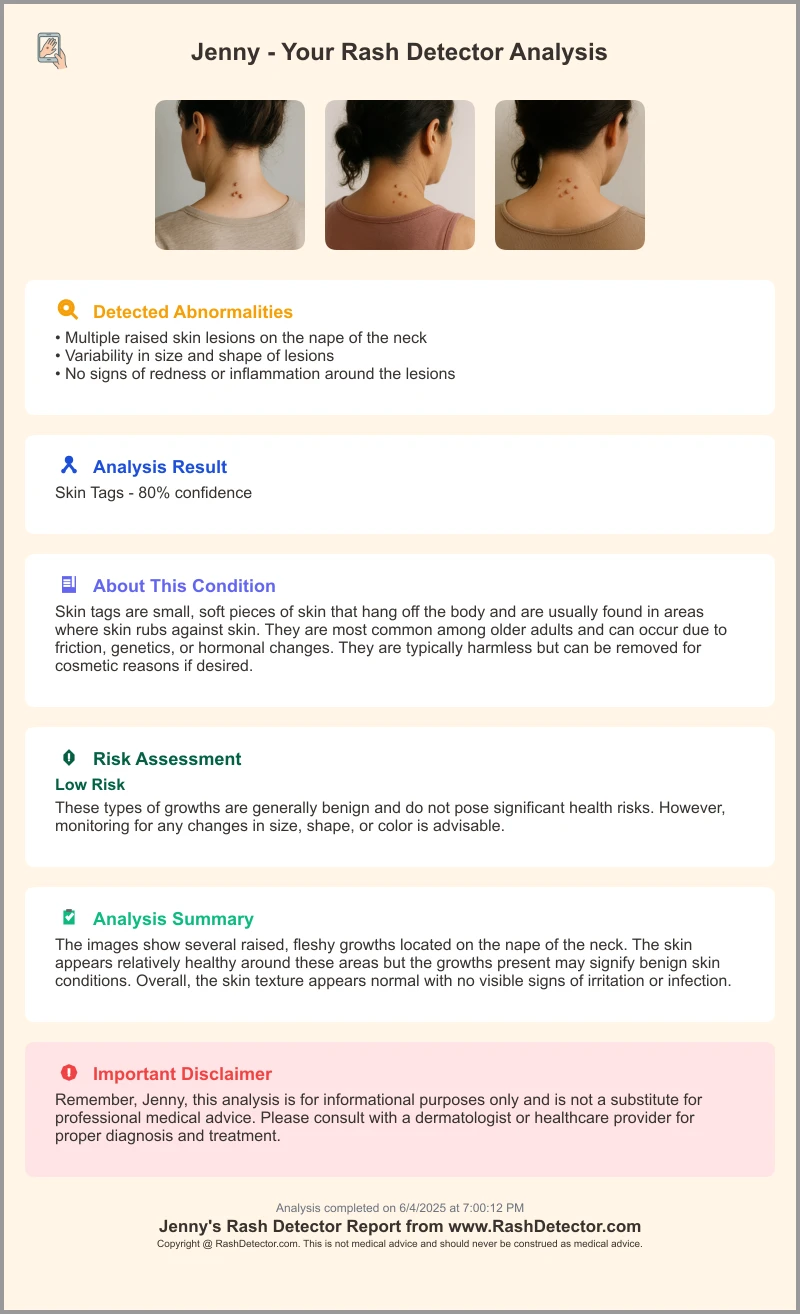
Keeping a diary of symptoms, menstrual cycles, medication changes, and exposures can help you and your healthcare provider identify the root cause. Tools like Rash Detector can assist by analyzing your rash and suggesting possible causes based on images and timing, but always consult a dermatologist for diagnosis and treatment.
Section 6: Diagnosis and When to See a Clinician
When to Seek Medical Advice
While many hormone-related rashes are mild, sometimes they signal a more serious underlying issue. You should see a healthcare professional if:
- The rash is severe, spreading, or painful.
- There are blisters, open sores, or signs of infection (pus, swelling, heat).
- You have systemic symptoms (fever, malaise, difficulty breathing).
- The rash repeats predictably with your cycle or worsens around menopause.
- There is no improvement with basic skin care.
How Clinicians Diagnose Hormonal Rashes
- History-taking: Detailed questions about rash timing, symptoms, menstrual cycle, menopause, and exposures.
- Physical exam: Looking at the rash pattern, distribution, and severity.
- Exclusion of other causes: Ruling out allergic reaction rash, drug rash, infections, or chronic skin diseases.
- Special tests: In rare cases, skin biopsy or hormone tests may be needed, especially if autoimmune hormone dermatitis is suspected.
Tracking and Technology
Using an app like Rash Detector to upload images and track rash patterns over time can help your dermatologist identify trends and possible hormone links. Always bring a record of your symptoms to your appointment.
Section 7: Treatment and Management of Hormonal Rashes
General Principles
Treatment of rashes from hormonal changes depends on the underlying cause and the severity of symptoms. Common strategies include:
- Moisturizers: Regular use of fragrance-free, gentle moisturizers helps support the skin barrier, especially for dryness and itching.
- Trigger avoidance: Identifying and avoiding potential irritants (soaps, detergents, scented products).
- Antihistamines: Oral or topical antihistamines may help reduce itching, especially for urticaria or hives.
- Topical steroids: Short-term use for moderate to severe inflammation or eczema flares (always under medical supervision).
- Cool compresses: For acute itching or burning sensations.
Treatment of Severe or Recurrent Cases
- Hormone-targeted therapy: In rare cases of suspected autoimmune progesterone or estrogen dermatitis, hormone-modulating drugs or suppression therapies may be considered under specialist care.
- Referral to a dermatologist or allergist: Especially for persistent, cyclical, or severe rashes.
Additional Resources
For more about managing itching, visit our in-depth review: Best Anti Itch Cream: Top Picks and How to Choose.
Never self-diagnose or start prescription treatments without consulting a healthcare provider. If you suspect a drug allergy, see our guide: Drug Allergy Rash: Identification, Causes, and What to Do.
Section 8: Hormone Management and Long-Term Skin Care
The Role of Hormone Therapy
For some women, menopausal hormone therapy (MHT) may help manage severe menopausal symptoms, including some skin changes. However, if you have a history of hormone-related rashes or suspected progesterone hypersensitivity, your healthcare provider will carefully consider the type of therapy prescribed. Progesterone-containing treatments can sometimes trigger or worsen rashes in sensitive individuals.
Long-Term Skin Care Strategies
- Regular moisturizing: Daily application helps keep the barrier healthy and may reduce itching.
- Sun protection: Hormonal changes may increase sun sensitivity; use broad-spectrum sunscreen.
- Gentle skin care routines: Avoid harsh exfoliants, soaps, and alcohol-based products.
- Monitor for new or changing rashes: If you notice unusual or persistent rashes, consult your clinician promptly.
Prevention and Self-Monitoring
- Keep a symptom diary, noting timing, appearance, and potential triggers.
- Use technology like Rash Detector to track and analyze skin changes, especially if you have a history of hormone-linked symptoms.
- Educate yourself on body changes related to perimenopause and menopause to recognize new symptoms early.
For those interested in skin health monitoring, learn more about conducting a skin self-exam at home.
Conclusion
Rashes from hormonal changes are common, especially during times of transition such as puberty, menstrual cycles, pregnancy, and menopause. These rashes may show a cyclical pattern and can present as eczema, hives, or generalized itching. While most hormone-related rashes are not dangerous, they can significantly impact comfort and quality of life. Management includes moisturizing, trigger avoidance, and—in some cases—medical therapies. Always consult a doctor or dermatologist for diagnosis and treatment, especially if your rash is severe, spreading, or persistent. For fast, AI-powered rash analysis, try Rash Detector—just upload three images and get instant guidance.
FAQ
Q: Can hormonal changes cause a rash?
A: Hormonal changes—such as those during the menstrual cycle, pregnancy, perimenopause, and menopause—can be associated with skin rashes or may worsen existing skin conditions. These rashes may appear as eczema, hives, or generalized itching and sometimes follow a cyclical pattern.
Q: What does a hormone rash look like?
A: Hormone-related rashes can vary but often present as red, itchy patches (like eczema), hives (urticaria), or generalized dryness and irritation. They may flare in sync with hormonal changes, such as before menstruation or during menopause.
Q: Why do I get a rash before my period?
A: Some people develop rashes before their period, possibly due to increased progesterone, which may trigger autoimmune progesterone dermatitis or worsen pre-existing skin conditions. These rashes often resolve as hormone levels drop after menstruation.
Q: Can menopause cause itching or rashes?
A: Yes, menopause can lead to increased skin dryness, itching (pruritus), and sometimes eczema-like rashes due to declining estrogen and changes in the skin barrier.
Q: How do you treat hormonal hives or hormone-related eczema?
A: Treatment may include regular moisturizing, avoiding known triggers, using antihistamines for itching, and topical steroids for inflammation. Severe or recurrent cases should be evaluated by a healthcare professional and may require specialist care.
Q: When should I see a doctor for a rash that comes and goes with my cycle?
A: You should see a doctor if the rash is severe, spreading, painful, or persistent, or if it recurs predictably with your menstrual cycle. Professional evaluation is important for diagnosis and tailored treatment.
Always consult a doctor or dermatologist for diagnosis and treatment of any rash, especially if symptoms are severe, spreading, painful, or persistent.