Rashes from Food Allergies in Adults: Symptoms, Causes, & Relief
Learn how to identify, treat, and prevent rashes from food allergies in adults. Understand symptoms, triggers, diagnosis, and when to seek urgent care.

Estimated reading time: 13 min
Key Takeaways
- Rashes from food allergies in adults can include hives, itching, swelling, and eczema-like patches, and may appear minutes to hours after eating.
- Adult-onset food allergies are increasingly recognized and can differ from childhood allergies in symptoms and triggers.
- Common food triggers in adults include shellfish, nuts, fish, sesame, and certain fruits.
- Distinguishing food allergy rashes from other types like heat rash, contact dermatitis, or fungal skin rash is important for proper care.
- Immediate medical attention is needed if a food allergy rash is accompanied by signs of anaphylaxis or severe reaction.
Table of Contents
- Section 1: Understanding Rashes from Food Allergies in Adults
- Section 2: Symptoms and Appearance of Food Allergy Rashes
- Section 3: Common Food Triggers and Adult-Onset Allergies
- Section 4: Differentiating Food Allergy Rashes from Other Skin Rashes
- Section 5: Diagnosis and Testing for Food Allergy Rashes
- Section 6: Treatment, Relief, and Emergency Care
- Section 7: Prevention and Long-Term Management
- Conclusion
- FAQ
Section 1: Understanding Rashes from Food Allergies in Adults
What Causes Skin Rashes in Food Allergies?
Food allergies occur when the immune system identifies a food protein as harmful and mounts an attack, releasing chemicals like histamine. This immune response can lead to inflammation in the skin, sometimes resulting in an allergic reaction rash. Unlike food intolerance—which may cause digestive upset—food allergies can trigger immediate and visible skin symptoms.
- Allergic reaction rash may appear as the immune system overreacts to food proteins.
- Hives (urticaria), swelling (angioedema), and eczema-like patches are common.
- Symptoms can range from mild to severe and may occur with systemic reactions like anaphylaxis.
How Do Adult Food Allergies Differ from Childhood Allergies?
While many associate food allergies with children, adults can develop new allergies at any age—even to foods they've safely consumed for years. Adult-onset food allergies may be more persistent and less likely to resolve over time compared to those in children. Adults tend to react more frequently to seafood, nuts, and certain produce, whereas children often develop allergies to milk, eggs, and peanuts.
Other Causes of Skin Rashes to Consider
Not all skin rashes are allergic. Common non-allergic causes include:
- Heat rash (miliaria): Blocked sweat ducts causing red, itchy bumps—see our guide to preventing heat rash.
- Contact dermatitis: Direct skin irritation from substances like soaps or metals.
- Fungal skin rash: Caused by yeast or dermatophytes, often in warm, moist areas.
- Drug rash: Reaction to medications—learn more in our post on drug rash causes and symptoms.
- Diabetes skin rash and stress rash: Reflect underlying health or emotional factors.
Understanding these differences is key to accurate diagnosis and effective treatment. If you’re unsure, consider uploading images to Rash Detector for AI-supported insights, but always seek professional advice for diagnosis and care.
Section 2: Symptoms and Appearance of Food Allergy Rashes
Common Rash Patterns in Adults
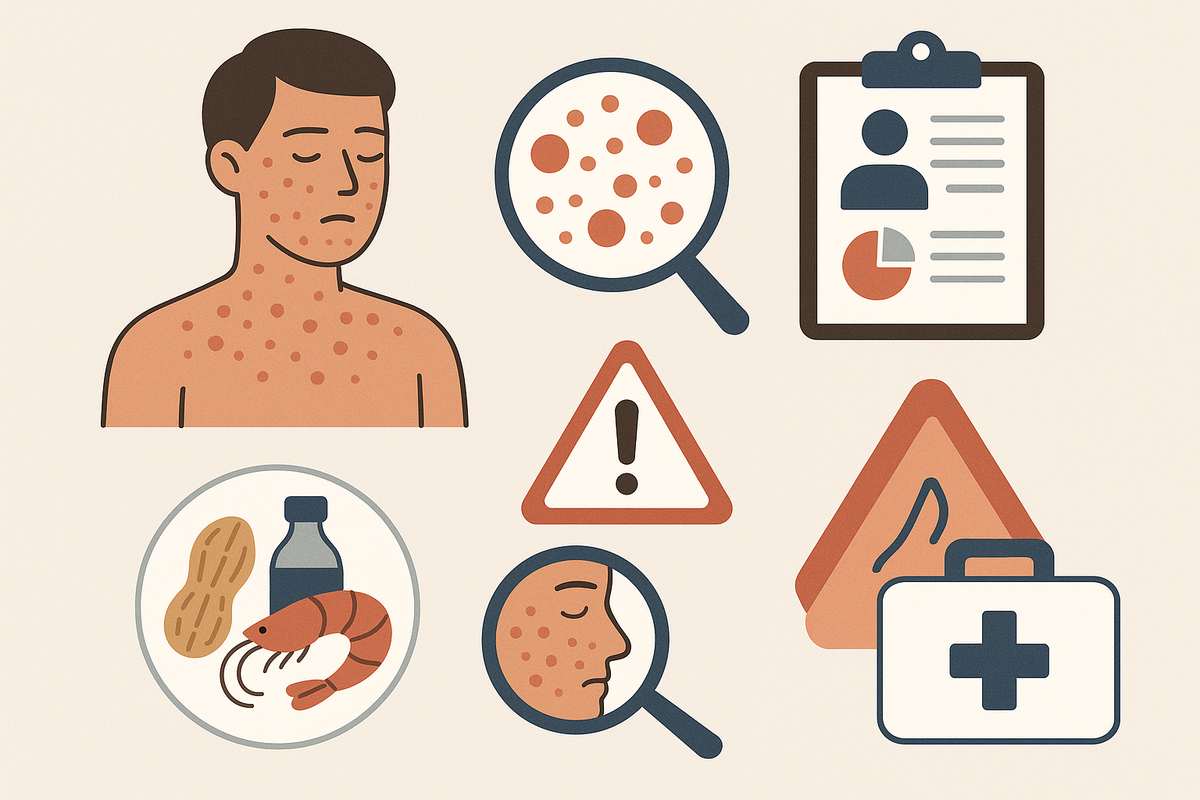
Rashes from food allergies in adults most often present as:
- Hives (urticaria): Raised, red or skin-colored welts with definite edges. These can be small or large and often move around the body.
- Itching (pruritus): Intense itch is a common feature. It may precede, accompany, or follow visible rash.
- Eczema-like patches: Dry, scaly, or thickened patches—especially in those with a history of eczema (atopic dermatitis).
- Flushing: Sudden warmth and redness, especially on the face, neck, or chest.
- Swelling (angioedema): Puffiness around the eyes, lips, or extremities; can be dangerous if it affects the throat.
How Soon Do Rashes Appear After Eating?
In many cases, a rash from a food allergy develops within minutes to two hours after ingestion. Sometimes, delayed-type reactions can occur several hours later. The timing can help distinguish food allergy rashes from other causes, such as drug rashes or chronic eczema.
Associated Symptoms to Watch For
- Swelling of the lips, eyes, tongue, or throat
- Difficulty breathing or swallowing
- Abdominal pain, vomiting, or diarrhea
- Dizziness, confusion, or drop in blood pressure (anaphylaxis)
Note: Seek emergency medical attention immediately if rash is accompanied by trouble breathing, persistent vomiting, or swelling of the tongue/throat.
Section 3: Common Food Triggers and Adult-Onset Allergies
Most Frequent Food Triggers in Adults
While any food can trigger an allergy, certain foods are more commonly associated with rashes from food allergies in adults. The most common culprits include:
- Shellfish (shrimp, crab, lobster)
- Fish (salmon, tuna, cod)
- Peanuts and tree nuts (walnuts, almonds, cashews)
- Sesame
- Fruits (kiwi, peach, apple, avocado—especially in those with pollen allergies)
- Milk, eggs, soy, and wheat are less common in new adult allergies but still possible
Why Do Adults Develop New Allergies?
Adult-onset food allergies are increasingly recognized. Possible contributing factors include:
- Changes in the immune system over time
- Increased exposure to new foods or cuisines
- Underlying conditions (e.g., viral infections, autoimmune changes)
Adults may lose tolerance to a food they previously ate without issue. Sometimes, the first reaction can occur suddenly and be severe.
Risk Factors for Adult Food Allergy
- Personal or family history of allergies, asthma, or eczema
- Existing allergic conditions (e.g., pollen or latex allergy)
- Immune system changes due to illness, medications, or aging
Recognizing your personal risk can help guide food choices and prompt earlier evaluation if a rash appears after eating.
Section 4: Differentiating Food Allergy Rashes from Other Skin Rashes
How to Tell If a Rash Is from Food Allergy or Food Intolerance?
Food allergy rashes result from an immune response and usually appear quickly after eating the trigger food. They are often accompanied by other allergy symptoms, such as swelling, itching, or even respiratory issues. In contrast, food intolerance (like lactose intolerance) does not involve the immune system and typically causes gastrointestinal symptoms without skin involvement.
Distinguishing from Other Rash Types
- Heat rash: Appears as small, itchy red bumps, often in sweaty areas, without a link to food exposure.
- Contact dermatitis: Occurs where the skin touches an irritating substance, not related to ingestion.
- Fungal skin rash: Can cause red, scaly patches, usually with a defined border in moist areas.
- Drug rash: May appear after starting a new medication. For more, see how to identify drug allergy rashes.
- Diabetes skin rash: Chronic, slow-healing, often with changes in skin color or texture.
- Stress rash: Hives or patches triggered by emotional stress, not food.
When to Seek Professional Help
If you’re unsure of the cause, or if your rash is severe, spreading, persistent, or associated with other symptoms, consult a doctor or dermatologist promptly. Early diagnosis is important for effective management—and for ruling out other potentially serious causes.
Section 5: Diagnosis and Testing for Food Allergy Rashes
Steps in Diagnosing Food Allergy Rashes
Because many rashes look similar, diagnosis relies on a careful history and, often, allergy testing:
- Medical history: Details about foods eaten, timing of symptoms, prior reactions, and family history of allergies.
- Physical exam: Inspection of the rash and any associated swelling or respiratory symptoms.
Allergy Testing Methods
- Skin prick testing: Small amounts of suspected allergens are introduced into the skin. A positive test causes localized hive-like swelling.
- Blood tests (specific IgE): Measures antibodies to particular foods in the blood.
- Elimination diets: Removing suspected foods under medical supervision and then reintroducing them to observe for recurrence of rash or symptoms.
- Oral food challenge: This is considered a definitive test and is performed in a medical setting for safety.
Role of Technology in Evaluation
Apps like Rash Detector can help document and track your rash by analyzing images and providing guidance on possible causes, including distinguishing between allergic reaction rash and other types. However, these tools do not replace a professional diagnosis—always consult a healthcare provider for personalized care.
Section 6: Treatment, Relief, and Emergency Care
Immediate Steps for Rash Relief
- Avoid the trigger: Stop eating the suspected food immediately.
- Antihistamines: Over-the-counter options (like cetirizine or loratadine) may help soothe itching and reduce rash severity.
- Topical steroids: Mild hydrocortisone cream may help for localized itching—but consult a healthcare provider for persistent or widespread rashes. See our anti-itch cream guide for more options.
When Is Emergency Care Needed?
- Difficulty breathing, throat swelling, persistent vomiting, or fainting—signs of anaphylaxis
- Rash spreading rapidly or associated with high fever
- Swelling of the face, lips, or tongue
Treatment for severe reactions:
- Epinephrine (adrenaline): The first-line emergency treatment for anaphylaxis. Adults at risk should carry an epinephrine auto-injector if prescribed.
- Call emergency services immediately if anaphylaxis is suspected.
Chronic Management and Prevention
- Strict avoidance of the offending food
- Reading food labels and asking about ingredients in restaurants
- Wearing a medical alert bracelet if you have a history of severe reactions
For chronic or unclear rashes, a dermatologist can help identify the underlying cause and recommend long-term skin care strategies. For more on general rash relief, see our post on skin rash treatments.
Section 7: Prevention and Long-Term Management
Preventing Food Allergy Reactions
- Label reading: Always check packaged foods for allergen warnings; be aware of hidden ingredients like sesame or nuts.
- Restaurant safety: Inform staff about your allergy; ask about food preparation, cross-contact, and ingredient lists.
- Cross-contact avoidance: Use dedicated utensils and cooking surfaces at home to avoid accidental exposure.
Living with Food Allergies as an Adult
Managing food allergies is a lifelong process. Adults must be vigilant about changes in ingredients, menus, and personal tolerance over time. Allergies can evolve, with new foods becoming triggers or old allergies resolving—so regular check-ins with an allergist are recommended.
- Carry emergency medication if prescribed (epinephrine, antihistamines)
- Educate family, friends, and colleagues about your allergies and emergency plan
- Keep a food and symptom diary for new or unexplained rashes
When to See a Doctor or Dermatologist
Always consult a healthcare provider for diagnosis and treatment of new, severe, spreading, or persistent rashes. Self-diagnosis can miss underlying causes or life-threatening allergies. Apps and online tools can offer guidance, but are not substitutes for professional care.
Conclusion
Rashes from food allergies in adults can range from mild hives to severe, life-threatening anaphylactic reactions. Recognizing the symptoms, understanding the most common triggers, and knowing how to distinguish food allergy rashes from other types—like heat rash, contact dermatitis, or fungal skin rash—are important steps to effective management. Diagnosis often requires careful history, allergy testing, and sometimes elimination diets.
Treatment starts with avoidance of the trigger, use of antihistamines or topical steroids for relief, and immediate emergency care for severe reactions. Long-term management focuses on vigilance, label reading, and clear emergency plans. If you’re ever unsure about a rash or its cause, consult a doctor or dermatologist for a thorough evaluation.
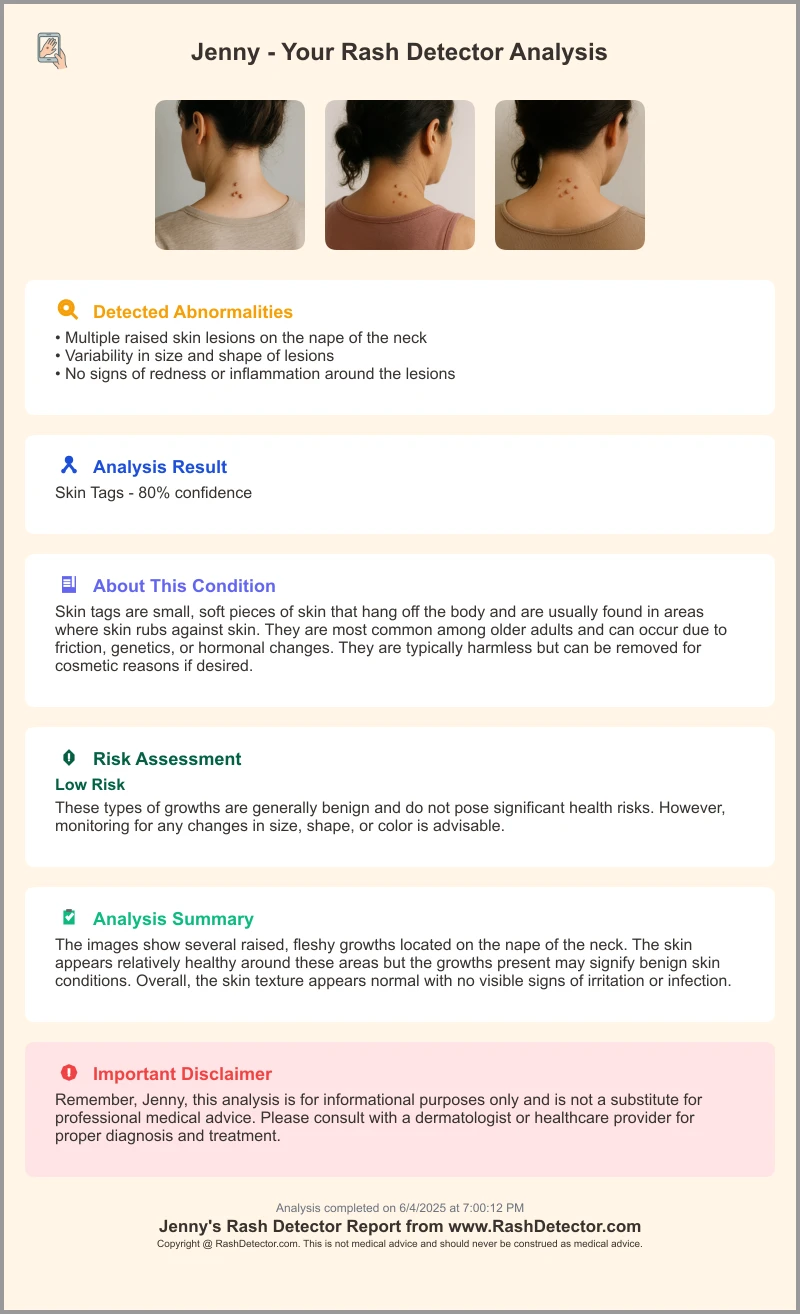
For instant, AI-supported insights, you can try uploading three images of your rash to Rash Detector and receive a sample analysis report. Remember, educational tools support but never replace professional medical advice—especially for new, severe, or persistent symptoms.
FAQ
Q: What does a food allergy rash look like in adults?
A: In adults, food allergy rashes typically appear as raised, red or skin-colored welts (hives), often with intense itching. They can also present as eczema-like patches or flushing. Swelling of the face, lips, or eyes may occur. The rash often appears within minutes to two hours of eating the trigger food.
Q: How long after eating an allergen does a rash appear?
A: Most food allergy rashes develop within minutes to two hours after eating the allergen. Some delayed reactions may occur several hours later, but immediate onset is more common for true allergic reactions.
Q: Can adults develop new food allergies suddenly?
A: Yes, adults can develop new food allergies at any age, even to foods they have eaten safely for years. Adult-onset food allergies are recognized and may be triggered by immune changes, new exposures, or underlying conditions.
Q: What foods most commonly cause allergic rashes in adults?
A: The most common triggers include shellfish, fish, peanuts, tree nuts, sesame, and certain fruits (especially those related to pollen allergies). Milk, eggs, soy, and wheat can also cause reactions but are less common in new adult allergies.
Q: How do you tell if a rash is from a food allergy or food intolerance?
A: Food allergy rashes appear quickly after eating and are often accompanied by itching, swelling, or other allergy symptoms. Food intolerance usually causes digestive symptoms without skin involvement. Professional evaluation is recommended for persistent or unclear rashes.
Q: When should a food allergy rash be treated as an emergency?
A: Seek emergency care if the rash is accompanied by difficulty breathing, throat swelling, persistent vomiting, fainting, or rapid spreading. These may signal anaphylaxis, a life-threatening allergic reaction requiring immediate treatment with epinephrine.