Rashes After Vaccination in Children: Causes, Types, and When to Worry
Learn about rashes after vaccination in children—causes, types, when to seek help, and how the Rash Detector app can support you. Get expert, parent-friendly advice.

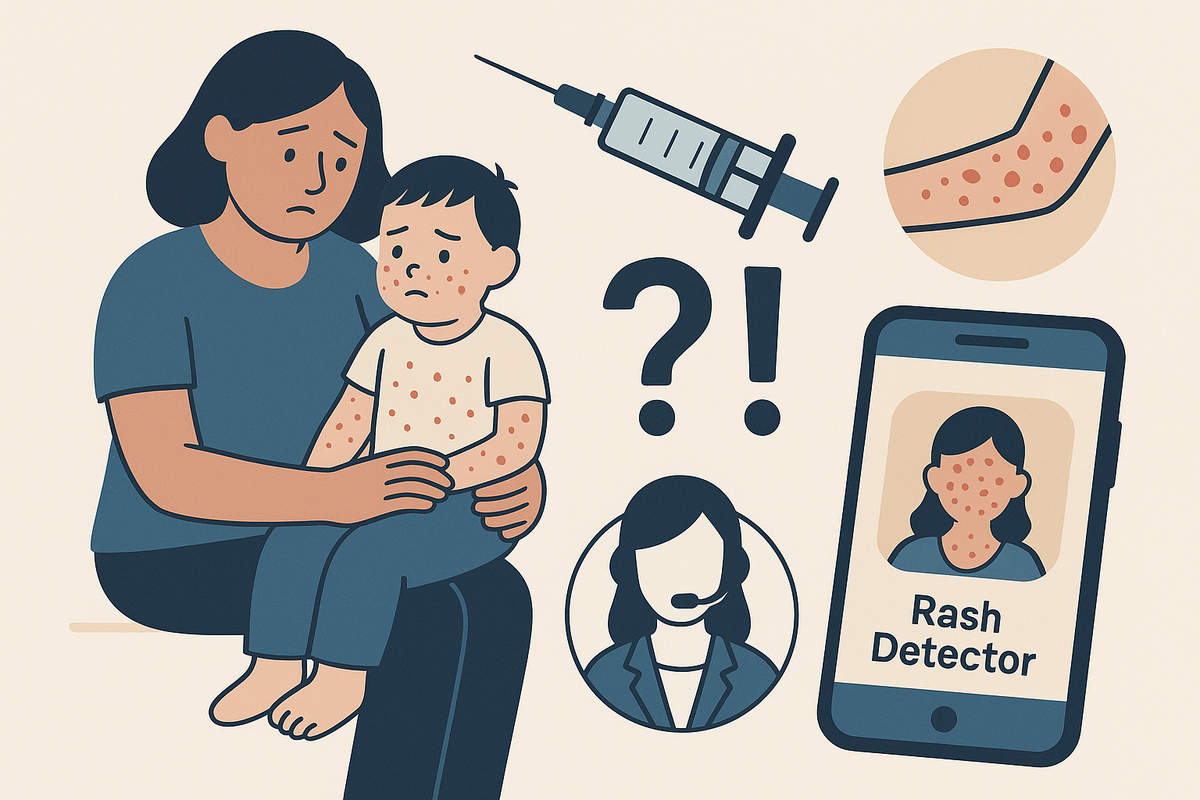
Estimated reading time: 12 min
Key Takeaways
- Rashes after vaccination in children can occur and are usually mild, especially after MMR, MMRV, and chickenpox vaccines.
- Most vaccine-related rashes are not contagious, but some (like after varicella) can be.
- Red flag symptoms—such as purple spots, breathing trouble, or swelling—require urgent medical attention.
- Rashes from vaccines differ from allergic reactions and other skin conditions like heat rash or contact dermatitis.
- The Rash Detector app can help parents quickly analyze and understand their child’s rash, but always consult a doctor for severe or persistent symptoms.
Table of Contents
- Section 1: Why Do Rashes Happen After Vaccination in Children?
- Section 2: Types of Vaccine-Related Rashes in Kids
- Section 3: How Common Are Rashes After Vaccines?
- Section 4: How to Tell Vaccine Rash, Allergic Reaction, and Other Rashes Apart
- Section 5: When to Seek Medical Attention for Post-Vaccine Rashes
- Section 6: What to Do If Your Child Develops a Rash After Vaccination
- Conclusion
- FAQ
Section 1: Why Do Rashes Happen After Vaccination in Children?
What Causes Skin Rashes After Vaccines?
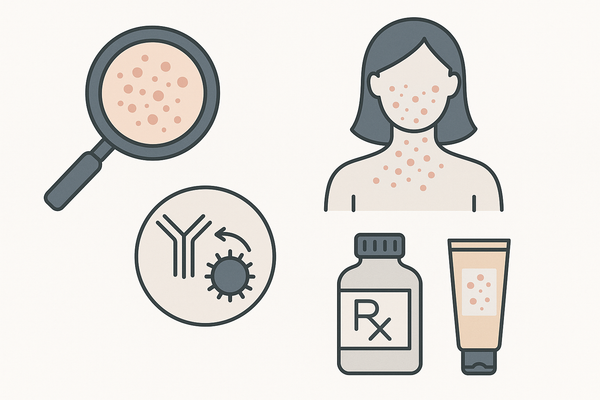
Rashes after vaccination in children are a recognized side effect. They occur because vaccines stimulate the immune system to recognize and fight off certain viruses or bacteria. Sometimes, this immune response can cause changes in the skin—leading to red spots, bumps, or patches. This is generally a sign the vaccine is working to "train" the immune system, but it can be worrying for parents unfamiliar with what is normal.
- Immune Response: Most rashes develop as the body makes antibodies against parts of the vaccine. This can result in activation of immune cells in the skin, causing redness or bumps that are usually harmless and temporary.
- Vaccine Ingredients: Rarely, a child may react to an ingredient, causing a mild allergic reaction rash. Some children may be sensitive to stabilizers, preservatives, or trace amounts of antibiotics used in vaccine production, though this is uncommon with modern vaccines.
- Coincidental Illness: Children may develop unrelated rashes (such as heat rash or viral rashes) around the same time as vaccination. For example, viral infections like roseola, fifth disease, or hand-foot-and-mouth disease are common in young children and can be mistaken for a vaccine reaction if they occur within a week or two of a shot.
Which Vaccines Are Most Likely to Cause Rashes?
- MMR (Measles, Mumps, Rubella): Some children get a mild rash 6–14 days after the shot. This rash is typically not itchy or painful and fades without treatment.
- MMRV (Measles, Mumps, Rubella, Varicella): Combines the above with chickenpox; rash frequency is similar. The rash may look like both measles and chickenpox, but usually involves fewer spots than real infections.
- Varicella (Chickenpox): A small percentage of children get a mild chickenpox-like rash 5–26 days after vaccination. The rash often consists of a few to several small red bumps or blisters, usually less than 10, and is much milder than natural chickenpox.
- Other Vaccines: Most routine shots (like DTaP, polio, Hepatitis B) rarely cause rashes, but can sometimes lead to redness or bumps at the injection site. These are typically due to local irritation rather than a full immune response.
How Do Vaccine Rashes Differ From Other Childhood Rashes?
Vaccine rashes are usually mild, self-limited, and appear days to weeks after the shot. They are different from:
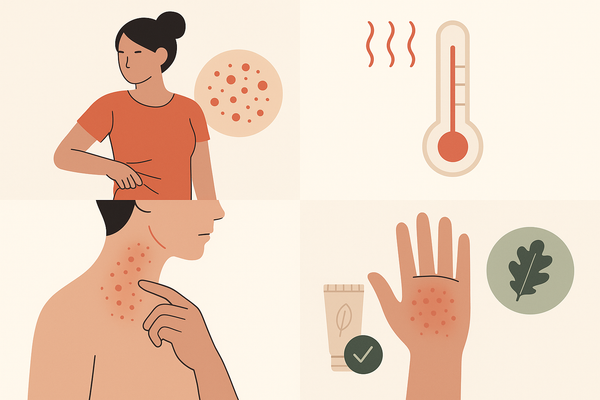
- Heat Rash: Tiny red bumps from sweating, often in skin folds. Occurs in hot weather or after fever, not due to immune response.
- Contact Dermatitis: Red, itchy patches from skin contact with irritants like bandage adhesive or soaps. May be localized to the area where the bandage was applied after the shot.
- Fungal Skin Rash: Ring-shaped, scaly patches—often in moist areas. Not a result of vaccination, but can occur if the skin is broken or moist after the shot.
- Allergic Reaction Rash: Sudden hives, swelling, or widespread redness (see Section 4 for details). These rashes are usually raised and very itchy, and can be associated with more serious symptoms.
- Infection-Related Rashes: Chickenpox, measles, and other illnesses can cause rashes unrelated to vaccines. These rashes are often more severe, longer-lasting, and can be associated with other symptoms such as fever, cough, or fatigue.
It's important to know that most rashes after vaccines are harmless and part of the normal immune process. However, parents should always monitor for any concerning symptoms or changes in the rash's appearance.
Section 2: Types of Vaccine-Related Rashes in Kids
Common Rash Patterns After Vaccines
- Measles-Like Rash (MMR/MMRV): Small pink-red spots, often starting on the face or trunk and spreading. The rash is usually flat (maculopapular), meaning it is not raised. It often begins on the face and then spreads to the trunk, back, arms, and legs. It is rarely itchy or painful, and fades over several days.
- Chickenpox-Like Rash (Varicella/MMRV): Few (<10) tiny red bumps or blisters, mostly on the arms, legs, or where the vaccine was given. These bumps may look like early chickenpox lesions but are far fewer in number and usually do not cause discomfort. Sometimes, the blisters may contain clear fluid and can be covered with clothing or a bandage to prevent scratching.
- Injection Site Rash: Redness, swelling, or a firm bump where the shot was given. Sometimes looks like a heat rash or contact dermatitis. This is the most common skin reaction to any vaccine and usually resolves in 2–3 days. In some cases, the injection site can develop a small, hard lump (nodule) that can persist for weeks but is generally not a cause for concern.
Less Common Rashes After Vaccination
- Hives (Urticaria): Raised, itchy red welts that come and go. Usually appear within minutes to hours after the vaccine—a sign of possible allergy. Hives may appear anywhere on the body and can be accompanied by swelling of the face or lips. They are considered a medical emergency if associated with trouble breathing or swallowing.
- Fungal Skin Rash: Rare after vaccines, but can develop due to skin irritation or moisture at the injection site. Especially in infants who may have drool or diaper area exposure, fungal rashes can appear as red, scaly patches with a distinct border.
- Drug Rash: Uncommon, but some children react to other medications given around vaccination time. Learn more in our guide: Drug Rash: Causes, Symptoms, and How to Identify It. These rashes are typically more widespread, pink or red, and can be flat or slightly raised.
Special Situations: Rashes in Children With Underlying Conditions
Children with eczema, diabetes, or immune system issues may develop rashes more easily after vaccines. For example:
- Diabetes Skin Rash: Children with diabetes may have more sensitive skin and can develop rashes at the injection site or elsewhere. In some cases, poor blood sugar control can slow healing or increase the risk of local infection, so extra attention should be paid to cleanliness and monitoring.
- Stress Rash: The anxiety of shots or doctor visits can sometimes trigger a mild stress rash (small pink or red bumps) unrelated to the vaccine ingredients. These rashes usually resolve within a day and do not require treatment.
Most vaccine-related rashes are mild and go away on their own, but always monitor for signs of infection or allergic reaction. Children with immune system problems should have vaccines administered under medical supervision, and parents should report any rash or abnormal reaction to their doctor promptly.
Examples: A child with eczema may notice flaring of their usual rash around the injection site. A child with a history of mild contact allergy might develop red, itchy skin where a bandage was applied after the shot.
Section 3: How Common Are Rashes After Vaccines?
Incidence Rates for Vaccine Rashes
Rashes after vaccination are more common with certain vaccines, especially those that use live, attenuated viruses to trigger an immune response. Understanding how often these rashes occur can help parents set expectations.
- MMR/MMRV: A small percentage of children may develop a mild rash 1–2 weeks after the shot. The rash is usually mild and does not require treatment.
- Varicella: A small percentage develop a mild chickenpox-like rash 5–26 days post-vaccine. The rash is typically limited to fewer than 10 spots and is much less severe than natural chickenpox.
- Other Vaccines: Rashes are rare but redness or swelling at the injection site is more frequent. For example, some children may have mild redness or swelling (not a full rash) after DTaP, but widespread rash is extremely rare.
Most rashes are minor and require no treatment. Severe or widespread rashes are rare. When they do occur, they are more likely linked to an allergic reaction or another unrelated illness.
Timing: When Do Vaccine Rashes Appear?
- MMR/MMRV: Rash typically starts 6–14 days after vaccination. This delay is because the immune system takes time to react to the live virus in the vaccine.
- Varicella: Rash appears 5–26 days post-vaccine. The wide range is due to individual immune responses and the nature of the attenuated virus.
- Allergic Hives: Occur within minutes to 2 hours of the vaccine (see Section 4). Hives appearing this quickly are a sign of a possible allergic reaction and should be taken seriously.
- Injection Site Rash: Usually develops within 24–48 hours. Localized redness or swelling is most noticeable within the first two days after the shot and typically subsides without intervention.
Some children may develop mild fever, tiredness, or irritability around the same time as the rash appears, especially after MMR or varicella vaccines. These symptoms are generally mild and short-lived, but persistent or high fevers should be discussed with a healthcare provider.
How Long Do Vaccine Rashes Last?
Most vaccine rashes last 2–3 days up to a week. Rash from MMR or varicella is usually gone within 5–7 days. Hives from an allergic reaction fade within hours after treatment. Injection site redness or swelling is often gone within 2–3 days, though a small lump may persist longer. It’s important to keep track of when the rash started, as lingering rashes longer than a week may suggest another cause and should be evaluated by a doctor.
If your child's rash lasts longer than a week, worsens, or is accompanied by other symptoms, call your pediatrician. Always err on the side of caution—if your child seems unwell or the rash appears unusual, medical evaluation is warranted.
Section 4: How to Tell Vaccine Rash, Allergic Reaction, and Other Rashes Apart
Vaccine Rash vs. Allergic Reaction Rash
- Vaccine Rash: Pink-red flat spots or small bumps, not usually itchy or raised. Appears days after vaccination. No facial swelling or trouble breathing. These rashes are generally confined to the trunk or limbs and do not cause discomfort.
- Allergic Reaction (Hives): Raised, itchy welts that come and go. Often appear within minutes to hours after the shot. May be accompanied by swelling, trouble breathing, or vomiting—this needs emergency care. Hives are often described as "wheals" – pale or red lumps that can move around the body and disappear within hours.
Distinguishing between these two types of rashes is important because allergic reactions can progress rapidly and become serious, while vaccine rashes are almost always mild and self-limited.
Vaccine Rash vs. Heat Rash, Contact Dermatitis, Fungal Rash
- Heat Rash: Tiny, prickly red bumps on sweaty areas (neck, armpits, groin). Not related to vaccines but can occur in babies or toddlers after a fever. The rash tends to disappear when the skin is cooled and dried.
- Contact Dermatitis: Red, itchy patches where skin touches an irritant (bandages, soaps). May occur at the injection site, especially if tape or adhesive was used to apply a bandage after the shot. The rash usually resolves once the irritant is removed.
- Fungal Skin Rash: Scaly, ring-shaped, and often itchy; not linked to vaccines but can develop in warm, moist areas or if the skin is broken. These rashes are more likely if the child has a history of eczema or immunosuppression.
For all rashes, consider the timing, appearance, and associated symptoms. A detailed history can help distinguish between vaccine-related and unrelated rashes. For example, if the rash appears within a day of playing outside in hot weather, a heat rash is more likely than a vaccine reaction.
When in Doubt, Get Help
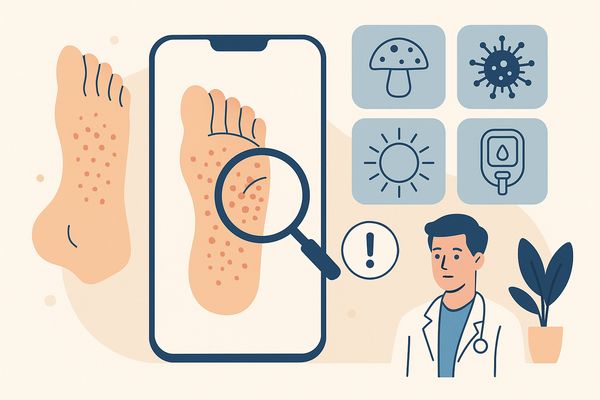
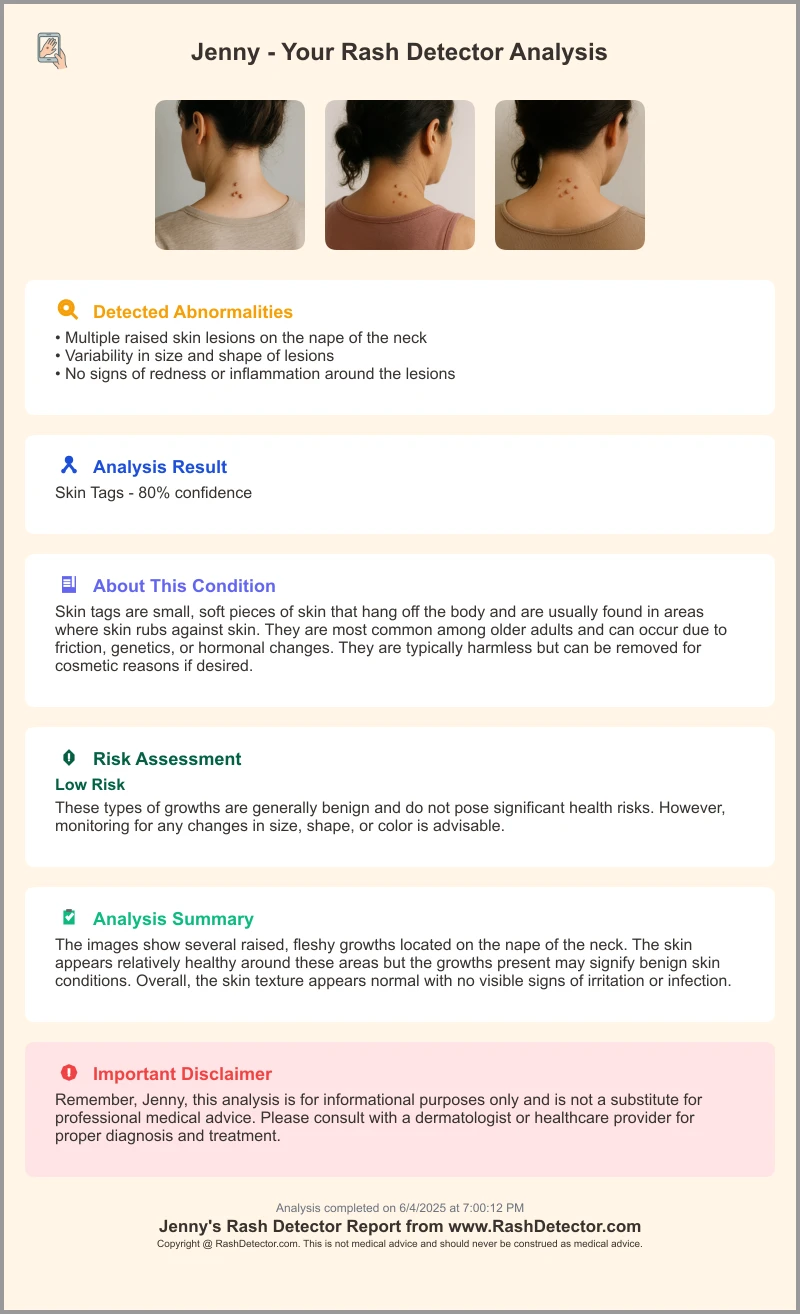
If you are unsure whether your child's rash is related to the vaccine, an allergic reaction, or another cause, use the Rash Detector app to analyze the rash and get instant guidance. However, always see a doctor for severe, spreading, or persistent rashes, or if your child is unwell. The app provides educational information but does not replace professional medical advice.
Section 5: When to Seek Medical Attention for Post-Vaccine Rashes
Red Flags: When to Call a Doctor or Get Emergency Care
- Purple, blood-colored, or bruise-like spots (may signal a bleeding problem or serious infection). These spots (purpura or petechiae) do not blanch when pressed and can be a sign of a serious underlying problem.
- Widespread rash (covering most of the body, especially with fever or lethargy). A widespread rash, especially with other symptoms, should always be evaluated promptly.
- Swelling of lips, tongue, or face: These are warning signs of a severe allergic reaction (anaphylaxis).
- Trouble breathing or wheezing: Any breathing difficulty after a vaccine requires immediate emergency care.
- Blistering or painful rash, or rash with pus or open sores. This could suggest a bacterial infection or severe skin reaction.
- Rash that is spreading rapidly (within hours). Fast-spreading rashes can be a sign of allergy or infection.
- High fever, vomiting, or appearing very sick: Systemic symptoms with a rash may indicate a serious condition.
If your child develops any of these symptoms, call your doctor or seek emergency care right away. Quick action can be life-saving in cases of severe allergic reaction or serious infection.
Observation for Anaphylaxis
Most true allergic reactions (anaphylaxis) happen within minutes to two hours after vaccination. Clinics often monitor children for 15–30 minutes after shots to catch these reactions early. Signs of anaphylaxis include hives, swelling, trouble breathing, and drop in blood pressure. If you notice any of these symptoms after leaving the clinic, call 911 or go to the nearest emergency department immediately.
- If your child develops hives, trouble breathing, or swelling soon after a vaccine, seek emergency care immediately. Do not wait for symptoms to improve on their own.
School and Childcare Guidance: Are Vaccine Rashes Contagious?
- MMR/MMRV: Rash is not contagious; children can usually attend school or daycare if they feel well. There is no transmission risk to other children or staff.
- Varicella (Chickenpox) Vaccine Rash: The rash can rarely contain live virus and be contagious. Cover any blisters, and check with your doctor or school about return guidelines. If blisters are present, they should be covered and the child should avoid contact with immunocompromised individuals or pregnant women until all lesions are crusted over.
Always communicate with your child's school or childcare provider about any new rash after vaccination, and follow any specific instructions provided by your pediatrician.
Section 6: What to Do If Your Child Develops a Rash After Vaccination
Home Care for Mild Vaccine Rashes
- Monitor: Watch the rash for changes in size, color, or symptoms. Take photos daily to track progression, as this can be helpful for medical evaluation if needed.
- Comfort: Use cool compresses or gentle lotions if the rash is itchy (see our guide Best Anti Itch Cream: Top Picks and How to Choose). Avoid products with fragrance or harsh chemicals; stick to hypoallergenic moisturizers.
- Keep the Area Clean: Avoid scratching or applying harsh products. Gently clean the area with mild soap and water once daily and pat dry. Discourage your child from picking at or scratching the rash, as this can cause infection.
- Cover Blisters: For chickenpox-like rashes, cover any blisters with clothing or a bandage. This helps prevent the child from touching the rash and reduces the risk of spreading the virus, even though the risk is low after vaccination.
Most mild rashes do not require medication. Antihistamines may be helpful if the rash is itchy, but always check with your healthcare provider before giving any medication to your child.
When to Use Rash Detector
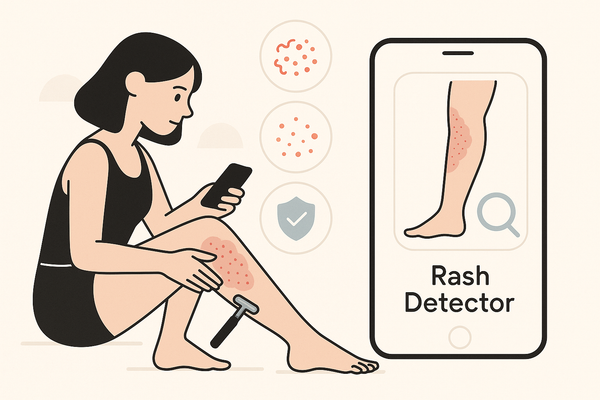
If you’re not sure what’s causing the rash, or want quick, AI-based analysis, try uploading three photos to Rash Detector. Get instant guidance and learn when to seek in-person care. Note: The app does not replace a doctor’s evaluation for severe or persistent symptoms. Use it as an educational tool to help you decide on the next steps, and always prioritize professional medical advice for concerning symptoms.
When Medical Treatment Is Needed
- If the rash is spreading, blistering, painful, or accompanied by fever or other symptoms, call your child’s doctor. These may be signs of infection, allergic reaction, or another underlying condition that needs prompt evaluation.
- For suspected drug rashes, see our guide: Drug Rash Treatment: Effective Solutions for Skin Reactions. Drug rashes may require stopping the medication and specific treatment under a doctor's supervision.
- Never give new medications or home remedies without consulting your pediatrician. Some over-the-counter creams or oral medications can worsen rashes or interact with vaccines or other medications.
Keep a record of when the rash started, its appearance, and any associated symptoms. This information will help your healthcare provider make an accurate assessment.
Conclusion
Rashes after vaccination in children are usually mild, brief, and a sign that the immune system is working as intended. The most common vaccines to cause rashes are MMR, MMRV, and varicella, and these rashes generally appear several days after the shot and fade within a week. Rarely, a rash may signal a more serious allergic reaction or infection—know the red flag symptoms and seek immediate medical help if they occur.
Other rashes, including heat rash, contact dermatitis, and fungal skin rashes, can appear around the time of vaccination but are unrelated to the vaccine itself. If you’re unsure of the cause or your child’s rash looks unusual, use the Rash Detector app for instant analysis and peace of mind. Always consult your pediatrician or a dermatologist for diagnosis and treatment, especially if the rash is severe, spreading, persistent, or associated with other symptoms. Never ignore red flag symptoms, and remember that your child’s safety comes first—when in doubt, seek professional advice.
FAQ
Q: Is a rash after vaccination normal in children?
A:
Mild rashes can occur as a side effect after certain vaccines, especially MMR, MMRV, and varicella. Most appear 5–14 days after the shot and go away on their own. Always watch for other symptoms and consult a doctor if you are concerned.
Q: How long after a vaccine can a child get a rash?
A:
Vaccine-related rashes usually appear between 5–26 days after the shot, depending on the vaccine. Allergic hives, however, develop within minutes to 2 hours. If a rash appears after this timeframe, consider other possible causes or consult your doctor for guidance.
Q: Which vaccines cause rashes in children most often?
A:
MMR, MMRV, and varicella (chickenpox) vaccines are most often associated with mild rashes in children. Other vaccines may cause redness or bumps at the injection site but rarely cause a full-body rash. If your child develops a widespread rash after any vaccine, seek medical advice.
Q: Is a rash after the MMR or chickenpox vaccine contagious?
A:
MMR/MMRV vaccine rashes are not contagious. A rash after the varicella vaccine can rarely spread the virus to others—cover any blisters and ask your doctor about school or daycare attendance. Children with blisters should avoid contact with people who are immunocompromised or pregnant until the rash has resolved.
Q: When should I call a doctor about a rash after vaccination?
A:
Call your doctor if the rash is widespread, purple or bruise-like, painful, blistering, spreading quickly, or accompanied by fever, swelling, trouble breathing, or vomiting. Never hesitate to seek urgent care for concerning symptoms.
Q: What is the difference between vaccine rash and an allergic reaction?
A:
Vaccine rashes are mild, pink or red, and appear days after the shot. Allergic reactions cause hives (raised, itchy welts), swelling, or trouble breathing, and happen within minutes to hours. Allergic reactions require urgent care. If you are unsure, consult your doctor or use the Rash Detector app for initial guidance before seeking medical evaluation.
See a doctor or dermatologist for diagnosis and treatment of any rash, especially if it is severe, spreading, painful, or persistent. This article is for general educational purposes only and does not replace professional medical advice.