Rashes After Shaving Legs: Causes, Prevention, and Relief Guide
Learn what causes rashes after shaving legs, how to tell types apart, and get tips for relief and prevention. Try the Rash Detector app for fast skin analysis.

Estimated reading time: 12 min
Key Takeaways
- Rashes after shaving legs are often caused by irritation, razor burn, ingrown hairs, or underlying skin conditions.
- Proper shaving technique, skin prep, and aftercare may help prevent many shaving rashes and bumps.
- Know the difference between common shaving rashes (like razor burn) and more serious conditions (such as contact dermatitis or fungal infections).
- Some rashes may signal allergies, infections, or other health issues—see a doctor if your rash is severe, spreading, or doesn’t improve.
- Rash Detector uses AI to analyze skin rashes—try it for instant, private guidance at Rash Detector.
Table of Contents
- Section 1: What Causes Rashes After Shaving Legs?
- Section 2: Common Types of Shaving-Related Leg Rashes
- Section 3: How Skin Type and Hair Affect Post-Shave Rashes
- Section 4: Shaving Mistakes That Trigger Rashes
- Section 5: Relief for Rashes After Shaving Legs
- Section 6: Prevention Tips and When to Seek Help
- Conclusion
- FAQ
Section 1: What Causes Rashes After Shaving Legs?
Understanding the Skin’s Reaction
Rashes after shaving legs are relatively common. The act of shaving removes hair but can also scrape away some surface skin cells, which may leave your legs more sensitive. When the skin barrier is disrupted, it can become more sensitive to friction, bacteria, and irritants. The result may include redness, bumps, itching, and sometimes even painful welts.
When you shave, especially with a sharp blade, a thin layer of the stratum corneum (the skin’s outermost protective barrier) may be removed along with the hair. This exposes newly formed skin cells, which can be more prone to irritation from environmental factors, products, and clothing. The microtrauma from shaving can also create tiny nicks that aren’t always visible, giving bacteria and fungi an entry point into the skin. For some, even the act of dragging a razor over the skin is enough to trigger a mild inflammatory response, especially if the skin is already sensitive or dry.
Key Culprits Behind Shaving Rashes
- Razor burn: A stinging, red irritation from shaving too closely or with a dull blade. Razor burn often appears as diffuse redness and stinging, sometimes accompanied by a warm sensation or slight swelling. It’s more likely if you go over the same patch of skin multiple times or use a blade that’s tugging rather than slicing cleanly.
- Ingrown hairs: Shaved hairs curl back and grow under the skin, forming bumps. These bumps can become red and sometimes pus-filled if they get infected. Ingrown hairs are more frequent in those with thick, curly, or coarse hair and often result from shaving against the grain or using too much pressure.
- Contact dermatitis: An allergic or irritant reaction to products used during shaving (like creams or gels). This can happen even after years of using the same product, as sensitivities can develop over time. Contact dermatitis may present as itchy, swollen, or blistered areas, sometimes with dry, scaly patches.
- Fungal skin rash: Warm, moist environments (like post-shave legs under tight clothes) can foster fungal growth. Fungi such as Trichophyton species can thrive in these conditions, especially if skin is broken or if razors are shared.
- Allergic reaction rash: Sensitive skin may flare up due to fragrances or preservatives in shaving products. These rashes can look like hives or eczema and may be accompanied by swelling and intense itching.
- Heat rash: Shaving in hot, humid environments can trap sweat, leading to prickly heat. This rash is characterized by clusters of tiny, itchy bumps and is more common in summer or after exercise.
Other Contributing Factors
Underlying health conditions, such as diabetes, can make skin more prone to infection or slow to heal. Drug rashes (skin reactions to medications) or a stress rash (triggered by anxiety or hormonal changes) may also appear after shaving, even if shaving isn’t the root cause. For instance, some medications can make the skin more sensitive to irritation, and stress can trigger or worsen existing skin issues, making post-shave rashes more likely.
Even outside of shaving, people with chronic skin conditions like eczema, psoriasis, or chronic urticaria may be more likely to experience flare-ups after shaving. Hormonal fluctuations associated with menstruation, pregnancy, or menopause can temporarily alter skin sensitivity, making rashes more likely at certain times of the month.
For more on what causes skin rashes, see our detailed guide on effective skin rash treatments and smart tools.
Section 2: Common Types of Shaving-Related Leg Rashes
Razor Burn vs. Razor Bumps (Pseudofolliculitis Barbae)
- Razor burn: Feels raw, sore, and looks like flat, red, inflamed skin right after shaving. Usually fades within a few hours to a day. It’s often accompanied by a sensation of heat or stinging. Sometimes, tiny red dots or streaks are visible, especially if the blade has dragged across the skin.
- Razor bumps: Small, raised, pimple-like bumps. Caused by hairs that curl back into the skin (especially common on curly or coarse hair). Razor bumps can be itchy or tender to the touch and sometimes fill with pus if bacteria get trapped under the skin. In more severe cases, these bumps can cluster together and form larger, inflamed patches.
Both are forms of irritation, but razor bumps often last longer and may become infected if scratched. Unlike razor burn, which tends to resolve quickly if left alone, razor bumps can persist and, if repeatedly irritated, may result in post-inflammatory hyperpigmentation—dark marks that can take weeks or months to fade, particularly in people with darker skin tones.
Contact Dermatitis and Allergic Reactions
If your rash includes swelling, severe itching, or blisters, it could be contact dermatitis. This happens when your skin reacts to:
- Fragrances or preservatives in shaving gels/creams
- Nickel in razor blades
- Residue from laundry detergents on towels
Contact dermatitis can appear as red, blistered, or scaly patches and may ooze or crust if severe. Allergic reactions can appear after just one exposure or after repeated use of a product. Nickel allergy, for example, is a common cause of allergic contact dermatitis, and even trace amounts of nickel in razor blades can set off a reaction in sensitive individuals. If you notice rashes in the exact shape of your razor or only on areas where a certain product is applied, consider switching to hypoallergenic or fragrance-free alternatives.
Allergic reaction rashes can vary from hives (raised, itchy welts) to eczema-like patches. If you suspect a drug or medicine allergy, read our post on medicine allergy rash causes and symptoms.
Fungal and Heat Rashes
- Fungal skin rash: Appears as red, itchy patches that may spread. Risk increases if shaving nicks introduce fungus from shared towels or gym showers. Fungal rashes often have a defined, scaly edge and may develop a ring shape (sometimes called "ringworm," though not caused by a worm). If you work out frequently, use communal showers, or share towels or razors, your risk of fungal infection increases.
- Heat rash: Tiny, itchy bumps or blisters caused by blocked sweat glands. More likely after shaving in hot, humid conditions or under tight clothing. Heat rash is also called miliaria and can be aggravated by occlusive clothing, especially synthetic fabrics that trap heat and moisture.
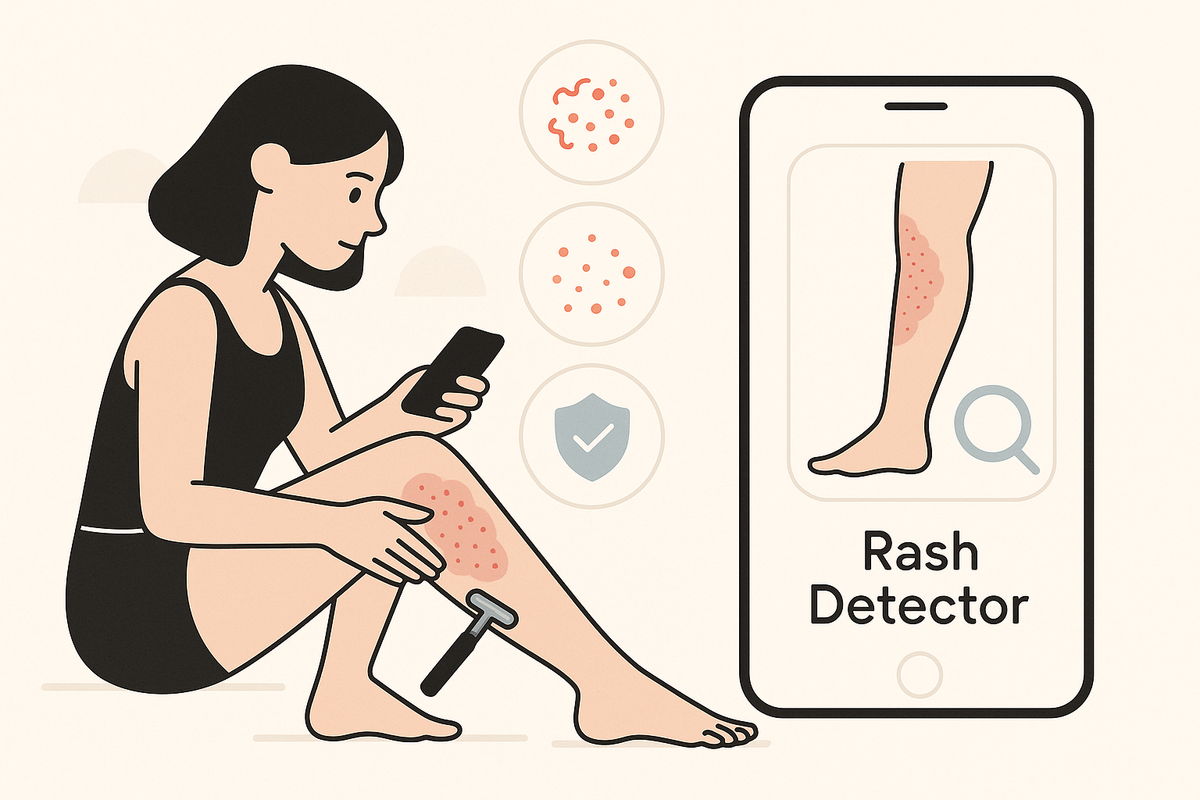
Each rash type looks and feels different. Not sure what’s on your legs? Try an AI-powered check with Rash Detector for instant, private analysis.
Section 3: How Skin Type and Hair Affect Post-Shave Rashes
Sensitive Skin and Underlying Conditions
Some people are more prone to rashes after shaving legs simply because of their skin type. Sensitive skin reacts more strongly to friction, heat, and chemicals. If you have eczema, psoriasis, or a history of allergic reactions, you may notice more frequent or severe shaving rashes. For example, people with eczema have a compromised skin barrier, making it easier for irritants and allergens to penetrate and cause inflammation. Psoriasis can also flare up after shaving due to the Koebner phenomenon, where skin trauma triggers new plaques.
- Diabetes skin rash: People with diabetes often have dry skin and reduced healing, raising infection risk after shaving. Even small nicks can take longer to heal, increasing the chance of bacterial or fungal infection. Diabetic skin is also more prone to conditions like acanthosis nigricans and bacterial folliculitis.
- Autoimmune conditions: Skin may be more reactive and slow to recover. Conditions like lupus or dermatomyositis can make the skin hypersensitive, and shaving may lead to rashes or ulcers in these individuals.
Hair Texture and Growth Patterns
Curly or coarse hair is more likely to develop ingrown hairs and razor bumps after shaving. That’s because these hairs grow back at an angle and can pierce the skin, causing inflammation and sometimes infection. For instance, people of African or Mediterranean descent often have tightly coiled hair, increasing the risk of pseudofolliculitis barbae after shaving. Shaving too close to the skin, pulling the skin taut, or using multi-blade razors can increase the chance that hairs will be cut below the skin surface and become ingrown.
- Shaving against the grain increases this risk. Hair cut at a sharp angle is more likely to re-enter the skin as it grows.
- People with thick hair may need to shave more often, compounding irritation. More frequent shaving means less time for the skin to recover between sessions, leading to chronic irritation or persistent rashes.
Hormones and Stress
Hormonal changes (puberty, pregnancy, menstrual cycles) can make skin more sensitive or prone to breakouts. Estrogen and progesterone fluctuations can increase sebum production, alter skin hydration, and make the skin more reactive. For example, some women notice increased leg sensitivity or more ingrown hairs around their period. Pregnancy can also make skin more sensitive due to increased blood flow and hormonal changes. Stress can also trigger a stress rash, especially if you already have sensitive skin or underlying conditions. Stress hormones like cortisol can suppress immune function and disrupt skin barrier repair, making post-shave rashes more likely or more severe.
It’s important to recognize your unique risk factors—this can help you tailor your shaving routine and spot when a rash may need medical attention. If you notice rashes flare up under certain conditions (such as after exercise, during hot weather, or with new products), keep a journal to identify patterns and triggers.
Section 4: Shaving Mistakes That Trigger Rashes
Common Shaving Errors
- Dry shaving: Shaving without water or shaving cream increases friction and may lead to micro-cuts. This lack of lubrication can cause immediate redness and leave the skin feeling rough or even burning.
- Using a dull or dirty razor: Old blades tug at hairs and can harbor bacteria. This may raise the risk of infection, folliculitis, and fungal skin rash. Razors should ideally be replaced regularly, or sooner if you notice any drag or resistance. Dull blades are also more likely to cause nicks and cuts, which can be entry points for infection.
- Shaving too quickly or with too much pressure: Increases nicks, razor burn, and irritation. Pressing too hard can remove more than just hair, scraping away protective skin cells and creating micro-abrasions. Quick, careless strokes increase the risk of uneven shaving and accidental injury.
- Shaving against the grain: Makes ingrown hairs and bumps more likely, especially for curly/coarse hair. While shaving against the grain may offer a closer shave, it also increases the risk of irritation and hairs being cut below the surface, where they can easily become trapped under the skin.
Product Triggers
- Fragrances, alcohol, or harsh chemicals in shaving creams and aftershaves can cause contact dermatitis or allergic reaction rash. Even so-called “natural” products may contain plant extracts or essential oils that can trigger allergies.
- Using too much or too little shaving product can both irritate skin. Too little product means not enough lubrication, while too much may not rinse off cleanly, leaving residue behind that clogs pores and attracts bacteria.
- Clogged razors can spread bacteria and debris onto freshly shaved skin. Rinsing your razor after every stroke and thoroughly cleaning it after each use may help reduce the risk of spreading infection.
Post-Shave Habits That Worsen Rashes
- Wearing tight clothes right after shaving traps sweat and friction against sensitive skin, which may lead to heat rash or bacterial infection. Leggings, skinny jeans, or synthetic fabrics are common culprits, especially in hot weather.
- Skipping moisturizer leaves skin dry and more prone to irritation. Dry skin cracks more easily, forming entry points for bacteria, fungi, and irritants. Applying a gentle, fragrance-free moisturizer immediately after shaving helps restore the skin barrier.
- Not cleaning razors or storing them in a damp place encourages fungal and bacterial growth. Always let your razor dry thoroughly between uses and store it in a dry, ventilated area. Using a blade cover that traps moisture can increase the risk of microbial growth.
For in-depth tips, check our guide on how to prevent heat rash year-round.
Section 5: Relief for Rashes After Shaving Legs
Immediate Soothing Steps
- Cool compress: Apply a clean, damp washcloth to the area for 10–15 minutes to reduce heat and itching. Repeat as needed throughout the day, especially if the rash feels warm or inflamed.
- Gentle moisturizer: Use a fragrance-free lotion or aloe vera gel to help restore the skin barrier. Look for products labeled “for sensitive skin” and free of alcohol, fragrances, and dyes. Aloe vera may help calm redness and itching for some people.
- Hydrocortisone cream: Over-the-counter 1% hydrocortisone can calm mild inflammation (don’t use on open wounds). Use a thin layer and wash your hands after application. Avoid prolonged use or large areas without consulting a healthcare professional, as overuse can thin the skin.
Reducing Friction and Irritation
- Wear loose, breathable clothing after shaving. Natural fibers like cotton allow moisture to evaporate and reduce friction against the skin.
- Avoid hot showers or baths immediately after shaving, as heat can worsen irritation. Lukewarm water helps soothe the skin without stripping away natural oils.
- Don’t scratch—this can introduce bacteria and worsen the rash. If itching is unbearable, press a cool compress or gently tap the area instead of scratching.
Other helpful tips include patting the skin dry after washing (rather than rubbing), and avoiding any exfoliating scrubs or harsh soaps until the rash has healed.
When to Use Anti-Itch Creams or Seek Medical Advice
If simple home care doesn’t help, anti-itch creams may provide relief. For recommendations, read our guide to the best anti-itch creams and how to choose. Look for creams containing colloidal oatmeal, calamine, or menthol for extra soothing. If your rash:
- Is severe, spreading, or blistering
- Lasts more than a week
- Is accompanied by fever, pain, or pus
…see a doctor or dermatologist. These can be signs of bacterial infection (such as impetigo or cellulitis), fungal infections, or allergic reactions requiring prescription treatment. Remember, only a healthcare professional can diagnose and treat serious rashes, especially if you suspect a drug rash, fungal infection, or allergic reaction. Never apply prescription creams or antibiotics without medical advice.
Section 6: Prevention Tips and When to Seek Help
Best Shaving Practices for Rash-Free Legs
- Exfoliate gently before shaving to remove dead skin and help prevent ingrown hairs. Use a soft washcloth or a mild exfoliating scrub 1–2 times per week. Avoid harsh scrubs or exfoliating immediately before shaving if your skin is sensitive.
- Use a sharp, clean razor and change blades regularly. Discard razors at the first sign of rust, residue, or discomfort.
- Shave with the grain (in the direction of hair growth) to minimize irritation. For most people, this means shaving downward on the shins and calves. If you need a closer shave, reapply shaving cream and use light, gentle strokes.
- Lubricate well with shaving gel, cream, or conditioner—never shave dry. Let the product sit on your skin for a minute to soften hairs before shaving.
- Rinse with cool water and apply a gentle, unscented moisturizer immediately after shaving. This soothes the skin and helps lock in moisture, aiding repair and reducing redness.
Product and Lifestyle Triggers to Avoid
- Avoid products with fragrance, alcohol, or harsh preservatives—these are common causes of contact dermatitis and allergic reaction rash. Read ingredient labels carefully and opt for hypoallergenic choices when possible.
- Don’t share razors or towels to reduce the risk of fungal or bacterial rashes. Even with family members, sharing personal care items can spread infections, especially if anyone has athlete’s foot, ringworm, or a bacterial skin infection.
- Allow skin to rest—don’t shave over irritated or healing skin. Give your skin at least 24–48 hours to recover before shaving again if you experience irritation or rash. If you must shave frequently (e.g., for sports), take extra care with technique and aftercare.
When to See a Doctor
- If your rash is severe, spreading, or accompanied by pain, pus, fever, or swelling.
- If you have underlying health conditions (like diabetes) and notice slow healing or signs of infection. People with compromised immune systems or chronic illnesses should be extra vigilant.
- If you suspect a drug rash or allergic reaction that doesn’t improve with home care—learn more about drug rash causes and symptoms.
For persistent or unclear rashes, a dermatologist can provide the right diagnosis and treatment. Never ignore severe or rapidly worsening symptoms. Early intervention can help prevent complications like scarring, hyperpigmentation, or spreading infection. If you develop blisters, open sores, or systemic symptoms (such as fever or chills), seek immediate medical attention.
Conclusion
Rashes after shaving legs are usually caused by skin irritation, improper shaving technique, allergic reactions, or underlying health issues. Knowing what may trigger your rash—and whether it’s razor burn, contact dermatitis, fungal infection, or something else—can help you take steps for relief and prevention. Use good shaving habits, avoid harsh products, and keep your skin clean and moisturized for the best results.
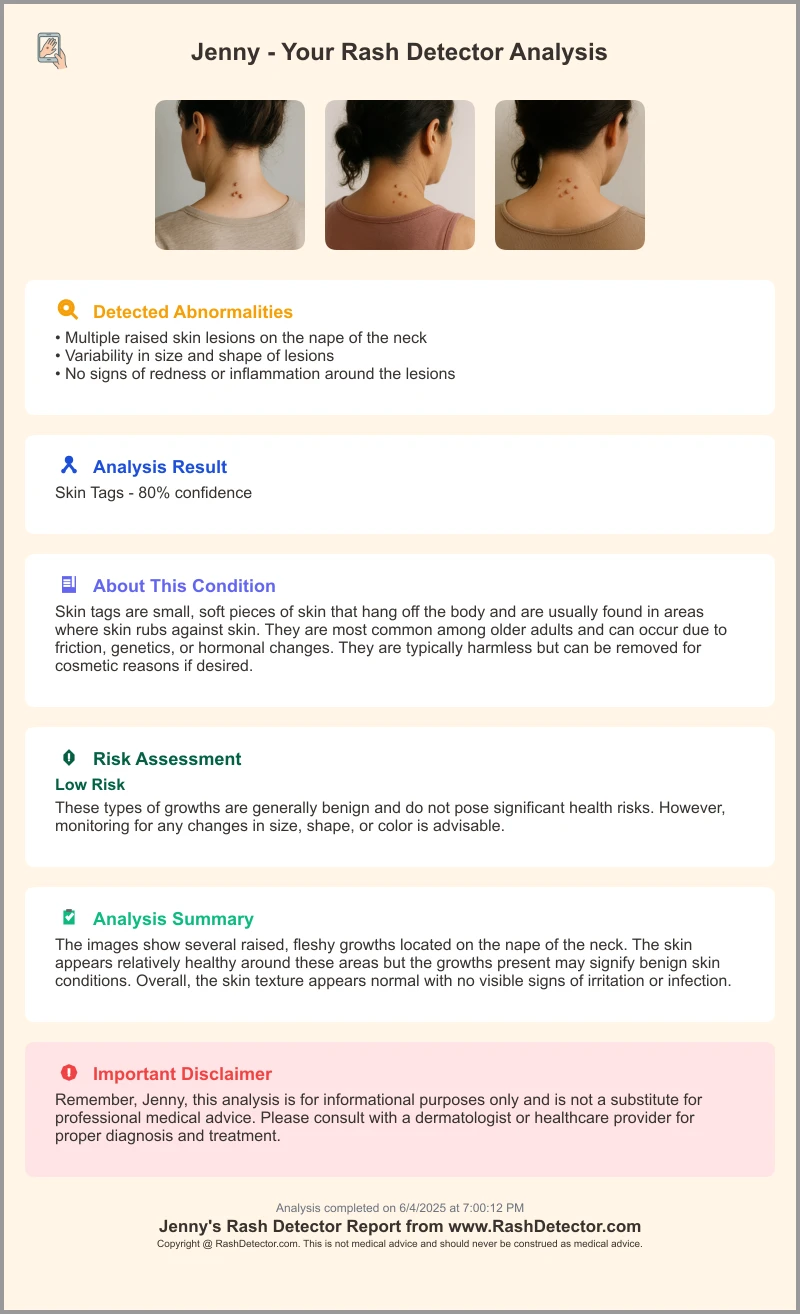
If you’re unsure about a rash, try uploading images for instant analysis with Rash Detector. Always see a doctor for diagnosis and treatment of severe, spreading, or persistent rashes. Never attempt to self-diagnose or treat serious rashes at home, especially if they are worsening or accompanied by other symptoms.
FAQ
Q: Why do my legs get red bumps after shaving?
A: Red bumps are often caused by razor burn, ingrown hairs, or irritation from shaving. Using a sharp razor, shaving with the grain, and moisturizing after may help reduce bumps. If you still get bumps despite proper technique, consider trying a single-blade razor or switching to a different shaving product.
Q: Is it razor burn or ingrown hairs on my legs?
A: Razor burn looks like flat, red, irritated skin, while ingrown hairs appear as small, raised bumps. Ingrown hairs are more common if you have curly or coarse hair or shave against the grain. If the bumps become painful or develop pus, see a healthcare professional for advice.
Q: How do I stop my legs from itching after shaving?
A: Cool compresses, fragrance-free moisturizers, and avoiding tight clothes can help relieve itching. If itching is severe or persistent, see a doctor for possible underlying causes. Avoid scratching, as this can worsen irritation and increase infection risk.
Q: Why do I get a rash only after shaving my legs?
A: Shaving disrupts the skin barrier, making it more vulnerable to irritation, ingrown hairs, and product reactions. Sensitive skin, shaving technique, and product ingredients all play a role. If you consistently get rashes after shaving, try changing your shaving routine or products, and consult a dermatologist if the problem persists.
Q: What helps shaving rash go away fast?
A: Apply a cool compress, use gentle moisturizer, and avoid further irritation. Over-the-counter hydrocortisone cream may help mild cases. Seek medical advice for severe or infected rashes. Never apply strong steroid creams without medical supervision.
Q: How can I prevent razor bumps on my legs?
A: Exfoliate before shaving, use a sharp razor, shave with the grain, and moisturize after. Avoid tight clothing and harsh products to help reduce your risk of razor bumps. If you have chronic ingrown hairs, consider alternative hair removal methods like depilatory creams, waxing, or laser hair removal after consulting a professional.