Rash Under Breasts Causes: Complete Guide by Location & Triggers
Discover the causes of rash under breasts and other body areas. Learn symptoms, triggers, and when to see a doctor. Expert tips for relief and prevention.
Estimated reading time: 14 min
Key Takeaways
- Rash under breasts causes include intertrigo, infections, allergies, and inflammatory skin diseases.
- Moisture, heat, friction, and tight clothing are key triggers, especially in skin folds.
- Rash location (face, arms, legs, chest, back, groin, hands) helps identify potential causes.
- Symptoms like pain, oozing, or spreading require prompt medical attention.
- Keeping skin dry and reducing friction may help prevent some types of rashes.
Table of Contents
- Section 1: Why Rash Location Matters
- Section 2: Rash Under Breasts—Most Common Causes
- Section 3: Rash on Face, Arms, Legs, Chest, Back, and Hands
- Section 4: Symptoms and Warning Signs by Area
- Section 5: Triggers—Why Do Rashes Appear in Certain Areas?
- Section 6: Treatment and Prevention Tips for Rash Under Breasts and Beyond
- Conclusion
- FAQ
Section 1: Why Rash Location Matters
The Clues Hidden in Rash Location
Not all rashes are created equal. Where a rash shows up—whether it’s a rash under the breasts, on the face, arms, legs, chest, back, between the buttocks, or on the hands—offers important clues about its cause. Dermatologists often start by asking, “Where did the rash begin?” because certain skin conditions favor specific body areas.
- Areas with skin folds (like under the breasts, groin, and between the buttocks) are prone to moisture-related rashes.
- Exposed areas (face, arms, hands) react more to allergens, sun, and environmental triggers.
- Pressure points or covered areas may develop rashes from friction or sweat.
Why Do Rashes Appear in Certain Areas?
Part of the answer lies in skin biology. Folds trap heat and moisture, while exposed skin faces irritants. For example, a rash under breasts is common due to warmth and friction, while a rash on the face may be tied to irritation from cosmetics or sun.
- Regional triggers: Different body parts encounter different risks—think jewelry on the neck versus tight clothing around the waist.
- Skin thickness: Thin skin (eyelids, inner arms) is more sensitive to allergens.
- Microbiome differences: Some areas have more natural yeast and bacteria, which can overgrow and cause infection.
Connecting the Dots
Understanding rash location is the first step toward finding the cause and the right treatment. For a more detailed breakdown by body part, check our comprehensive guide on skin rash treatment.
Section 2: Rash Under Breasts—Most Common Causes
Intertrigo: The Leading Culprit
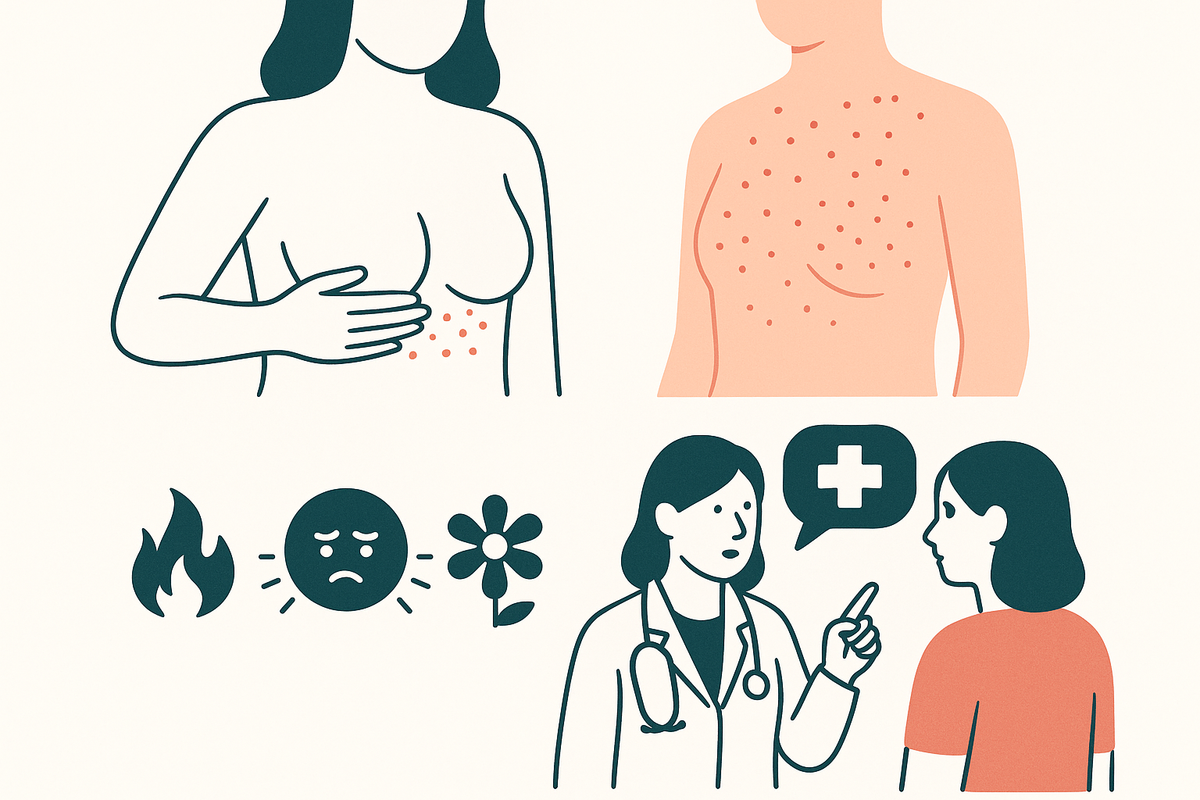
The most frequent cause of rash under breasts is intertrigo. This is an irritation and inflammation of skin folds, which may be triggered by:
- Trapped moisture from sweating
- Heat and friction between skin surfaces
- Poor air flow due to tight bras or deep skin folds
Intertrigo often starts as red, itchy patches that may become raw or oozing. It is more likely in warm, humid weather and in people with obesity or larger breasts.
Secondary Infections: Yeast, Fungal, and Bacterial
When intertrigo persists, it can become infected. Candida yeast is a common cause, leading to:
- Bright red rash with well-defined edges
- Satellite pustules (small bumps nearby)
- Burning, itching, and sometimes a noticeable odor
Bacterial infections (such as Staphylococcus or Streptococcus) can cause more pain, swelling, and sometimes blisters or yellowish crusting.
Allergic and Irritant Contact Dermatitis
Another possible cause is contact dermatitis—irritation or allergy from:
- Detergents and soaps
- Perfumes and deodorants
- Latex or synthetic materials in bras
- Laundry residues
This rash tends to be itchy, red, and may be scaly or blistered.
Other Inflammatory Skin Diseases
- Eczema (atopic dermatitis): Can affect skin folds, causing itchy, dry, inflamed skin.
- Psoriasis: May cause thick, red, scaly patches under the breasts.
- Heat rash: Small, red bumps from blocked sweat ducts—more common in hot, humid weather.
Serious Causes to Consider
- Mastitis: Infection of breast tissue—more likely in breastfeeding women, with pain, swelling, and fever.
- Cellulitis: Deep skin infection—causes redness, swelling, pain, and warmth. Needs urgent care.
- Paget’s disease of the breast: Rare cancer causing a scaly, itchy rash on the nipple/areola.
- Inflammatory breast cancer: May present with red, swollen skin—urgent medical attention is required.
For any painful, spreading, blistering, or persistent rash under the breast, see a doctor promptly.
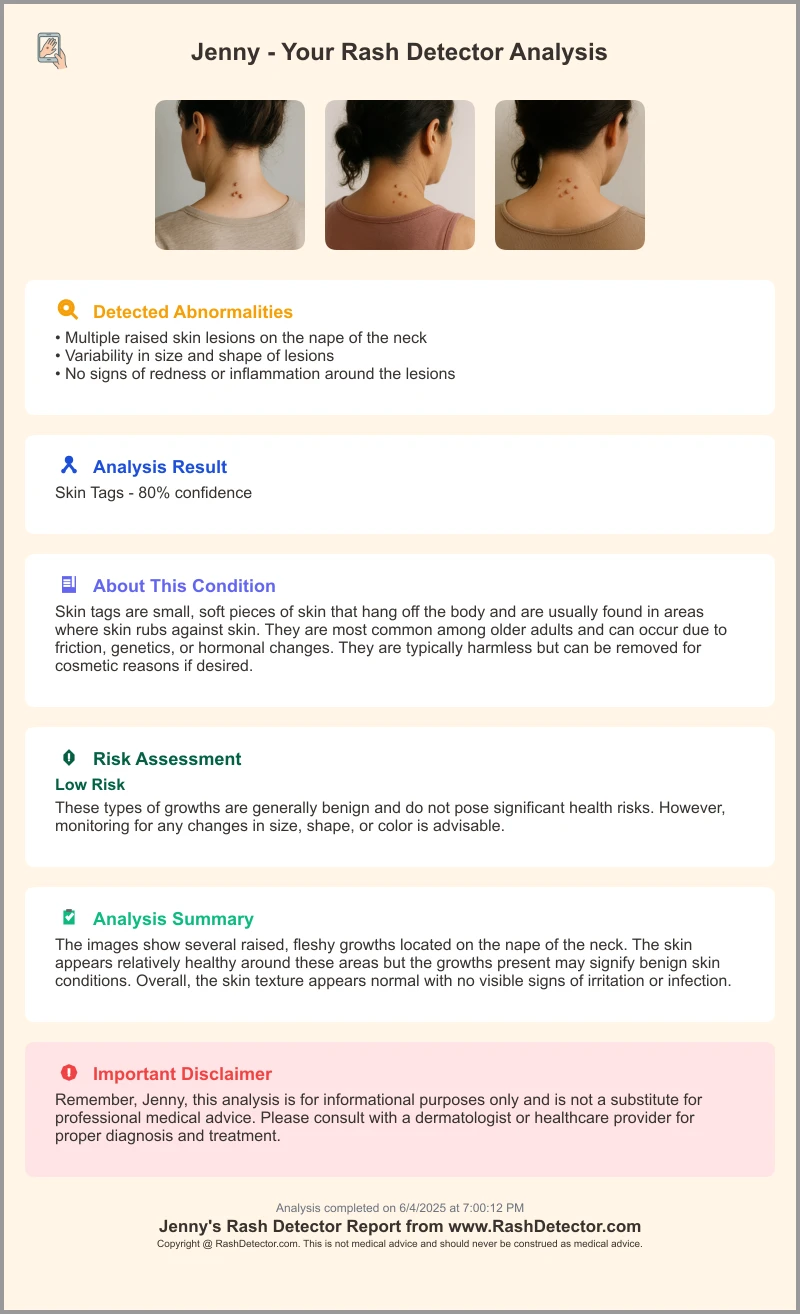
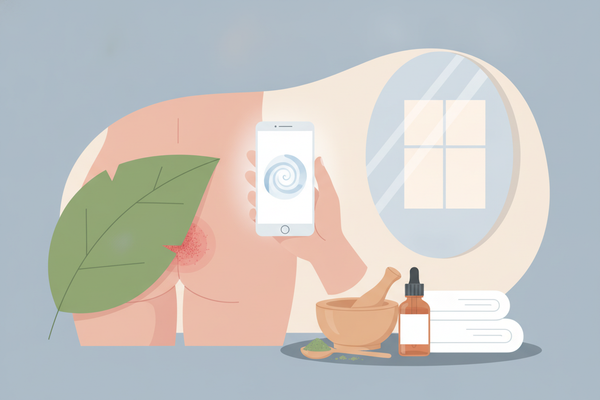
For instant analysis of skin rashes, try Rash Detector—upload three images of your rash and get AI-powered insights in seconds.
Section 3: Rash on Face, Arms, Legs, Chest, Back, and Hands
Rash on the Face
Facial rashes may be due to:
- Allergic reactions (cosmetics, sunscreen, skincare products)
- Viral illnesses (measles, chickenpox, hand-foot-and-mouth disease)
- Rosacea and seborrheic dermatitis
Sun exposure and airborne allergens can also trigger facial rashes, especially in sensitive skin.
Rash on Arms and Legs
Extremities are exposed to plants (poison ivy), insect bites, or physical irritants. Common causes include:
- Contact dermatitis (plants, chemicals, jewelry)
- Heat rash in creases (elbows, behind knees)
- Psoriasis or eczema
Rash on Chest and Back
These areas can develop rashes from sweat, friction, or systemic illnesses. Causes include:
- Heat rash (miliaria)
- Pityriasis rosea (herald patch and Christmas tree pattern)
- Drug reactions—see drug rash causes and symptoms
Rash Between Buttocks and in the Groin
Skin folds here are moist and warm, making them prone to intertrigo, yeast, and fungal infections. Tight clothing and poor hygiene can be triggers.
Rash on Hands
The hands are exposed to chemicals, soaps, and allergens. Common hand rashes include:
- Contact dermatitis (cleaning products, latex, metals)
- Dyshidrotic eczema (small, itchy blisters)
- Psoriasis (thick, scaly plaques)
Some rashes can affect multiple sites. If you notice a rash spreading from one area (e.g., under the breasts) to others, seek medical advice.
Section 4: Symptoms and Warning Signs by Area
Key Symptoms to Watch For
While many rashes are harmless, certain symptoms signal a need for urgent care. Watch for:
- Severe pain, swelling, or rapidly spreading redness
- Oozing, crusting, or foul odor
- Blisters, open sores, or ulceration
- Fever, chills, or generally feeling unwell
- Red streaks extending from the rash
- Failure to improve with home care
Symptoms Specific to Rash Under Breasts
- Intertrigo: Red, raw, sometimes shiny patches; may burn or itch.
- Yeast/fungal infection: Bright red rash, satellite pustules, possible white patches.
- Bacterial infection: Increased pain, swelling, pus, or yellow crusting.
- Inflammatory breast cancer: Thickened, swollen, red skin resembling an orange peel.
Symptoms for Other Body Areas
- Face: Swelling, eye involvement, mouth sores—see a doctor promptly.
- Arms/legs: Spreading rash, joint pain, or purple spots may indicate underlying illness.
- Hands: Blisters or deep cracks may need prescription treatment.
Never ignore a persistent or worsening rash. See a doctor or dermatologist for diagnosis and treatment, especially if symptoms are severe or spreading.
Section 5: Triggers—Why Do Rashes Appear in Certain Areas?
Moisture, Heat, and Friction
Many rashes—especially under the breasts, between buttocks, and in groin folds—are triggered by:
- Excessive sweating
- Poor ventilation (tight bras, synthetic fabrics)
- Obesity (deeper, tighter skin folds)
- Hot, humid environments
Skin stays wet, the barrier breaks down, and infections can take hold.
Irritants and Allergens
- Soaps, perfumes, detergents, and dyes in clothing or undergarments can irritate sensitive skin.
- Nickel, latex, or rubber in bra closures or straps may drive allergic reactions.
The right anti-itch cream may sometimes soothe mild allergic rashes.
Underlying Skin Conditions & Systemic Factors
- People with eczema or psoriasis are more likely to develop rashes in areas of friction or sweating.
- Medications, infections, or immune disorders can cause widespread rashes. Learn more in our post on drug rash treatment.
Personal Habits and Clothing
- Wearing non-breathable fabrics (polyester, nylon) may increase risk.
- Not changing out of sweaty clothes promptly can worsen irritation.
Prevention starts with understanding your unique risk factors and daily habits.
Section 6: Treatment and Prevention Tips for Rash Under Breasts and Beyond
General Home Care Strategies
- Keep the area dry: After bathing, gently pat skin dry, especially under breasts and in folds.
- Reduce friction: Consider soft, cotton bras without underwires or seams in irritated areas.
- Use barrier creams: Zinc oxide or petroleum jelly can protect raw skin from further damage.
- Air out skin: Allow the area to breathe when possible—go braless at home if feasible.
- Change clothes: Quickly swap out damp bras or shirts after sweating.
When to Try Over-the-Counter Remedies
- Antifungal creams for suspected yeast/fungal intertrigo (clotrimazole, miconazole)
- Hydrocortisone cream for mild inflammation (short-term use only)
- Moisturizers to soothe eczema or dry, scaling rashes
Always test new products on a small area first, and discontinue if irritation worsens.
Prevention Tips for High-Risk Areas
- Weight loss, if appropriate, may help reduce skin folds and moisture retention.
- Choose loose, breathable clothing—preferably cotton or moisture-wicking fabrics.
- Shower and dry off after exercise or hot weather.
- Consider using absorbent pads or antiperspirant powders under breasts in summer.
When to See a Clinician
Consult a doctor or dermatologist if:
- Rash is severe, spreading, blistered, or painful
- There are signs of infection (pus, red streaks, fever)
- Home care does not help within a week
- You have a personal or family history of skin cancer
For peace of mind, get an instant AI-powered analysis with Rash Detector, which can help guide your next steps—but always follow up with a medical professional for diagnosis and treatment.
Conclusion
The causes of rash under breasts are varied, but most relate to intertrigo, infections, or irritation from friction and moisture. Recognizing the importance of rash location—from under the breasts to the face, arms, legs, chest, back, groin, and hands—may help you narrow down potential triggers and seek targeted relief. Stay vigilant for warning signs such as severe pain, spreading, or persistent symptoms, and seek medical advice promptly for any concerning rash. Use prevention strategies to keep skin folds dry, reduce friction, and wear breathable clothing. For more educational guides on skin health, explore our resources at Rash Detector and learn how to do a skin self-exam at home.
FAQ
Q: What causes a rash under the breast?
A: The most common cause is intertrigo—skin irritation from trapped moisture, heat, and friction. Secondary yeast, fungal, or bacterial infections and contact allergies (to detergents, soaps, or bra materials) are also possible causes. Less commonly, eczema, psoriasis, or even serious conditions like inflammatory breast cancer can cause rashes in this area.
Q: Is a rash under the breast always intertrigo?
A: No. While intertrigo is a leading cause, rashes under the breast can also result from fungal or bacterial infections, contact dermatitis, eczema, psoriasis, or rarely, more serious conditions like mastitis or cancer. A healthcare provider can help determine the exact cause.
Q: How do you treat a rash under the breasts at home?
A: Keep the area clean and dry, wear loose cotton bras, use a barrier cream (like zinc oxide), and consider over-the-counter antifungal or hydrocortisone cream for mild cases. If the rash worsens, spreads, or doesn’t improve within a week, see a doctor.
Q: When should I worry about a rash under my breast?
A: Be concerned if the rash is painful, rapidly spreading, blistering, oozing, foul-smelling, or accompanied by fever or general illness. These may indicate infection or a more serious condition—seek medical attention promptly.
Q: Can a yeast infection cause a rash under the breast?
A: Yes. Yeast (Candida) infections can affect skin folds under the breasts, causing a bright red, itchy rash with possible satellite pustules. Keeping the area dry and using antifungal creams may help, but see a doctor for persistent cases.
Q: What does a fungal rash under the breast look like?
A: Fungal rashes are often bright red with a defined border, sometimes with small, raised bumps (satellite lesions) nearby. The area may itch, burn, or develop a mild odor. Diagnosis by a healthcare professional is important for proper treatment.
Always see a doctor or dermatologist for diagnosis and treatment, especially for severe, spreading, painful, or persistent symptoms.