Rash That Comes and Goes: Causes, Triggers, and Solutions
Learn about a rash that comes and goes, including common causes, chronic hives, eczema flare-ups, and when to see a doctor for recurring rashes.

Estimated reading time: 12 min
Key Takeaways
- A rash that comes and goes is often triggered by hives, eczema, contact dermatitis, or physical factors.
- Chronic hives and recurring eczema are common causes of intermittent, itchy rashes.
- Physical triggers, stress, allergies, and infections can all contribute to a recurring rash.
- Home care and trigger avoidance are important, but some cases require medical attention.
- Consult a healthcare professional for diagnosis, especially for severe, spreading, or persistent symptoms.
Table of Contents
- Section 1: Understanding a Rash That Comes and Goes
- Section 2: Hives (Urticaria) and Chronic Hives
- Section 3: Eczema and Atopic Dermatitis Flare-Ups
- Section 4: Contact Dermatitis and Allergic Triggers
- Section 5: Physical, Environmental, and Emotional Triggers
- Section 6: When to See a Doctor and How to Manage Recurring Rashes
- Conclusion
- FAQ
Section 1: Understanding a Rash That Comes and Goes
What Is a Rash That Comes and Goes?
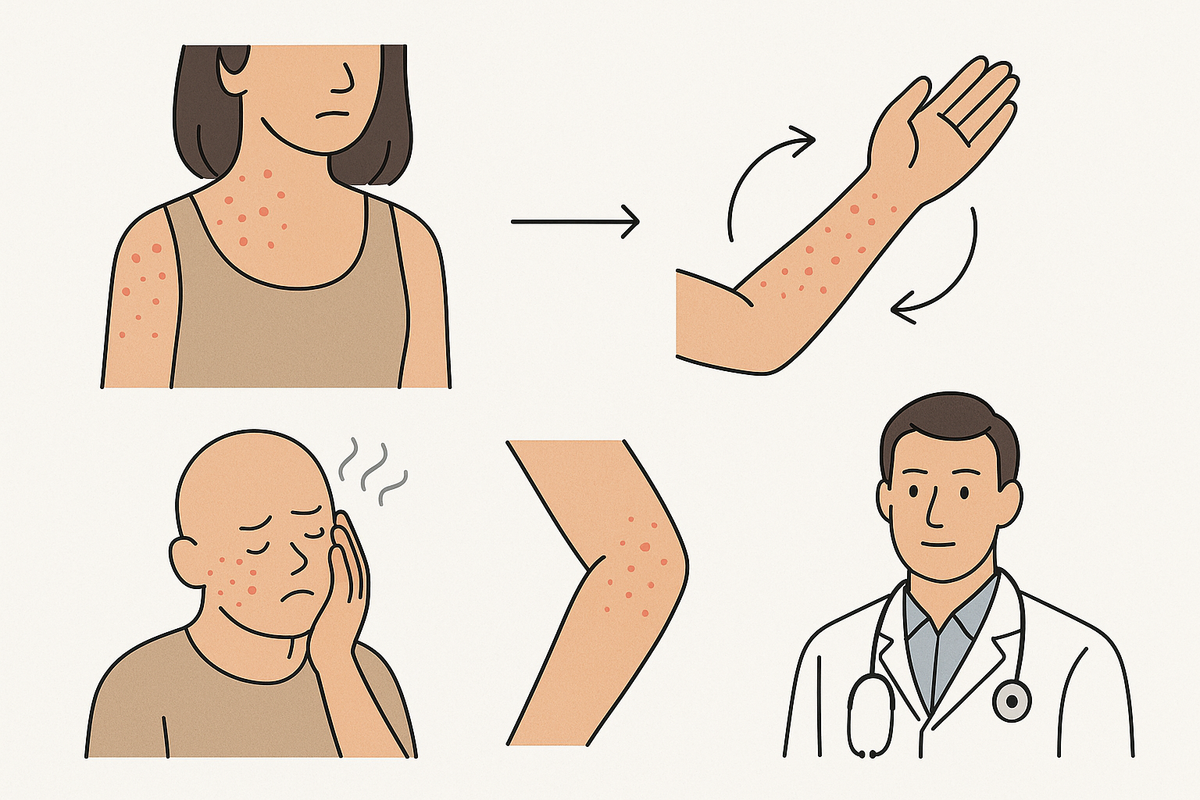
A rash that comes and goes—also known as an intermittent or recurring rash—appears on the skin for a period of time, then fades or disappears, only to return later. This pattern can be frustrating and confusing, especially when the underlying cause isn’t clear. Individuals may experience these rashes as part of an ongoing cycle that disrupts daily life, sleep, or self-confidence, and the unpredictability can add to the distress.
Common Characteristics
- Itchiness: Many experience an itchy rash that comes and goes, sometimes with burning or tingling sensations. The intensity of itch can range from mild to severe, and scratching may worsen the rash or cause skin damage.
- Redness and swelling: The affected area often appears red, raised, or swollen. Swelling may be localized or widespread depending on the cause, and redness can vary from a faint blush to a deep, angry color.
- Location: The rash may appear in the same spot repeatedly or in different areas each time. For example, some individuals notice recurrences on the arms and legs, while others may see shifting patterns across the torso, face, or hands.
- Duration: Episodes can last from minutes to days before resolving. Some rashes fade within hours only to return later that day or week, while others persist for several days, especially if not treated or triggered repeatedly.
Why Do Rashes Recur?
There are many potential causes for a recurring rash, including:
- Allergic reactions (such as to foods, medications, or environmental factors like pollen or pet dander)
- Autoimmune conditions (for example, lupus or vasculitis, which can produce skin changes that wax and wane)
- Infections (viral, bacterial, or fungal; some viral illnesses can cause rash recurrence weeks after the initial infection)
- Chronic skin disorders like eczema or psoriasis (which naturally flare and subside)
- Physical or emotional triggers (such as heat, cold, friction, or stress)
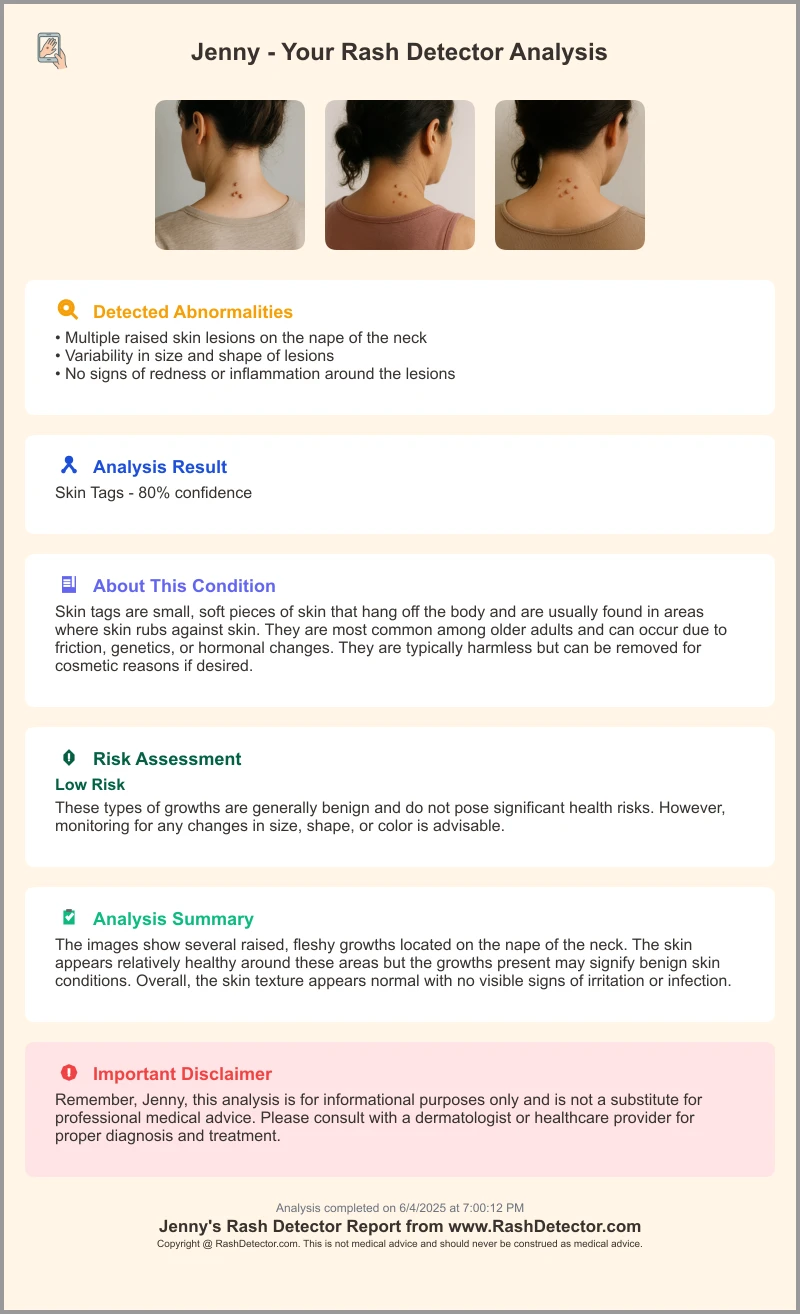
Identifying the root cause is key to effective management and prevention. Apps like Rash Detector allow you to upload images of your rash to get instant analysis and guidance, helping you track patterns and potential causes over time. Documenting episodes, triggers, and symptoms can empower you and your healthcare provider to make more informed decisions.
If you experience a rash that is severe, spreading, painful, blistering, or accompanied by other symptoms such as fever or difficulty breathing, seek prompt medical attention. For chronic or unexplained rashes, a dermatologist’s evaluation is recommended for accurate diagnosis and treatment options.
Section 2: Hives (Urticaria) and Chronic Hives
What Are Hives?
Hives (also called urticaria) are raised, itchy welts on the skin that often appear suddenly. Hives are a classic example of a rash that comes and goes—each individual hive typically lasts less than 24 hours, but new ones may continue to appear. The skin often appears pale in the center of each welt with a red halo surrounding it. Hives can occur anywhere on the body and may change in appearance or location rapidly, sometimes within minutes.
Acute vs. Chronic Hives
- Acute hives: Last less than 6 weeks, often triggered by allergies (foods, medications, insect stings) or infections. These episodes tend to be short-lived and resolve once the trigger is removed or with symptomatic treatment.
- Chronic hives: Persist or recur for more than 6 weeks, sometimes without an identifiable cause (idiopathic). Chronic urticaria can affect daily quality of life and may occur almost daily or sporadically over months or even years.
Chronic hives can be especially frustrating, as they cause a recurring, intermittent rash that may impact sleep, work, and emotional well-being. In many cases, the exact trigger remains elusive despite thorough testing, making management more challenging.
Triggers for Hives
- Foods (nuts, shellfish, eggs, dairy, food additives such as preservatives and colorings)
- Medications (antibiotics, NSAIDs like ibuprofen or aspirin, certain blood pressure medications)
- Infections (viral, bacterial, even after the infection resolves)
- Physical stimuli (pressure from tight clothing, heat, cold, vibration, sweating, sunlight)
- Stress and anxiety; emotional distress can precipitate or exacerbate outbreaks
If you suspect a medication is causing your rash, see our guide on rash from medication for more information. Always discuss any suspected medication reactions with your doctor before stopping or changing your prescription.
Symptoms and Appearance
- Itchy, red or skin-colored welts with clearly defined edges
- Welts may join to form larger patches (known as "plaques")
- Welts often change location, shape, and size rapidly; some may be as small as a pencil eraser, others as large as a dinner plate
- Swelling (angioedema) can occur, especially around the eyes, lips, hands, or feet
Symptoms typically resolve without scarring, but repeated scratching or severe swelling may cause skin breakdown or secondary infection.
When to Seek Help
Most cases of hives resolve on their own, but seek immediate medical attention if you experience difficulty breathing, swelling of the lips or tongue, or a spreading rash. These may signal a severe allergic reaction (anaphylaxis) requiring emergency care. For chronic or recurrent hives, consult a healthcare provider for evaluation and management. An app like Rash Detector can help you document flare-ups and discuss patterns with your doctor, including tracking the timing, location, and possible triggers. Management may include antihistamines, lifestyle modifications, and in some cases prescription medications or referral to an allergy specialist.
Section 3: Eczema and Atopic Dermatitis Flare-Ups
Understanding Eczema
Eczema (atopic dermatitis) is a chronic inflammatory skin condition marked by dry, itchy, and inflamed patches. While some people have persistent symptoms, many experience eczema as a recurring rash that flares up and subsides over time. Eczema is especially common in children but can appear at any age. Flare-ups can be mild or severe, and may lead to thickened, leathery skin (lichenification) in chronic cases.
How Eczema Comes and Goes
- Flare-ups: Triggered by irritants, allergens, stress, weather changes, or infections. For example, a new laundry detergent, a cold winter day, or a stressful event may prompt an episode.
- Remission: Skin may clear up for weeks or months between episodes, especially if triggers are avoided and the skin barrier is maintained.
The unpredictable nature of eczema means some individuals can go months without symptoms, only to have a sudden recurrence after exposure to a trigger.
Common Triggers of Eczema Flare-Ups
- Soaps, detergents, and fragrances, particularly those with harsh chemicals or high alcohol content
- Wool or synthetic fabrics, which can irritate sensitive skin
- Extreme temperatures or humidity; both cold, dry air and hot, humid weather can worsen eczema
- Stress and emotional upset; psychological stress can lower the skin’s threshold for irritation
- Dust mites, pollen, and pet dander; environmental allergens may play a role, especially in those with other allergic conditions
- Frequent hand washing or bathing with hot water, which strips the skin of natural oils
- Infections; even mild skin infections (impetigo, herpes) can cause or worsen flares
Symptoms of Eczema
- Itchy, red, or brownish-gray patches, often on the hands, wrists, inner elbows, backs of knees, ankles, face, or neck
- Thickened, cracked, or scaly skin (chronic scratching can lead to lichenification)
- Small, raised bumps that may leak fluid and crust over when scratched
- Raw, sensitive, or swollen skin from repeated scratching
In infants, eczema often appears on the cheeks and scalp, while older children and adults more commonly have it in skin creases.
Managing Eczema
Managing eczema involves:
- Moisturizing regularly—at least twice daily with fragrance-free creams or ointments, especially after bathing
- Avoiding known triggers and using protective barriers, such as gloves for dishwashing or hypoallergenic bedding
- Using anti-itch creams (see our guide to the best anti-itch creams) or prescription topical steroids for flares, as directed by a healthcare provider
- Following a healthcare provider’s treatment plan, which may include non-steroidal anti-inflammatory creams or, in severe cases, systemic therapies
- Maintaining a cool, humidified environment and wearing breathable cotton fabrics
If your eczema flares frequently or interferes with daily activities, consult a dermatologist. For a quick analysis and guidance, try uploading images to Rash Detector. Remember, consistent skin care and trigger avoidance are the foundation of long-term control.
Section 4: Contact Dermatitis and Allergic Triggers
What Is Contact Dermatitis?
Contact dermatitis occurs when the skin reacts to direct contact with an irritating substance (irritant dermatitis) or something you’re allergic to (allergic dermatitis). This often causes a rash that comes and goes—especially if exposure is intermittent. Contact dermatitis is among the most common reasons for rashes in adults, with irritant forms accounting for a large proportion of cases. Allergic contact dermatitis can develop suddenly, even after years of exposure without problems.
Common Allergens and Irritants
- Nickel (jewelry, belt buckles, watchbands, snaps on clothing)
- Poison ivy, oak, or sumac; exposure to urushiol oil can cause a rash days after contact
- Preservatives and fragrances in personal care products (shampoos, lotions, deodorants, sunscreens)
- Latex gloves and other rubber products (balloons, elastic bands)
- Chemicals in cleaning products (bleach, solvents, disinfectants)
- Hair dyes and nail polish
- Certain plants, adhesives, or construction materials
Even natural substances like essential oils or lanolin can provoke allergic reactions in sensitive individuals.
Symptoms of Contact Dermatitis
- Red, itchy, or burning patches, often with clear borders corresponding to the area of contact
- Blisters or bumps, which may ooze or crust over; severe reactions can create large, fluid-filled blisters
- Scaling, cracking, or peeling, especially with chronic exposure
- Swelling and tenderness; in some cases, the area may feel warm to the touch
Symptoms typically appear between a few hours and several days after exposure and can last days to weeks, depending on the severity and ongoing exposure to the trigger.
Why Does It Recur?
A recurring rash from contact dermatitis may happen if you’re repeatedly exposed to the trigger—sometimes without realizing it. For example, a metal watch or a specific soap may cause intermittent flare-ups. Even trace amounts of an allergen on shared surfaces, clothing, or hands can provoke a new reaction. Sometimes, the trigger may be hidden in unexpected places, such as nickel in cell phones or fragrance in laundry detergent.
Managing and Preventing Contact Dermatitis
- Identify and avoid triggers whenever possible; this may involve reading product labels closely or switching to hypoallergenic alternatives
- Use gentle, fragrance-free skincare products and mild, dye-free detergents
- Wear protective clothing (gloves, long sleeves) if contact is unavoidable, especially for work-related exposures
- Consider patch testing with a dermatologist for persistent or unexplained rashes; patch testing can help identify specific allergens
- Wash the affected area promptly with soap and water after known exposure
If your symptoms don’t improve with avoidance and over-the-counter remedies, see a healthcare provider. For more on drug-related rashes and allergies, read our guide on drug allergy rash causes and what to do. Persistent or extensive rashes may require prescription topical or oral medications.
Section 5: Physical, Environmental, and Emotional Triggers
Physical Triggers of Recurring Rashes
Some people develop a rash that comes and goes in response to physical factors. This type of intermittent rash is common in certain forms of chronic hives (physical urticaria). Physical triggers can be subtle and difficult to identify without careful observation.
- Pressure: Carrying a heavy bag, wearing tight clothing, or sitting for long periods can trigger hives (dermographism or pressure urticaria). Rashes may develop minutes to hours after the offending pressure, and can last for several hours or even a day.
- Heat & sweating: Hot showers, exercise, or fever may provoke heat rash (miliaria) or cholinergic urticaria. For prevention tips, visit How to Prevent Heat Rash. Cholinergic urticaria typically appears as small, itchy bumps after increased body temperature.
- Cold: Exposure to cold air, water, or objects can cause cold-induced hives, where itchy welts develop shortly after exposure and resolve when the skin warms up.
- Vibration or sunlight: Less common, but possible triggers for some individuals. For example, using power tools or exposure to direct sunlight can provoke rash in susceptible people (vibratory or solar urticaria).
Environmental and Lifestyle Factors
- Seasonal changes: Dry winter air can sap moisture from the skin, while pollen in spring and humidity in summer can cause or worsen skin rashes, especially in people with allergies or eczema.
- Personal care products: New soaps, shampoos, lotions, or detergents may introduce irritants or allergens that trigger a rash.
- Diet: Certain foods (e.g., shellfish, nuts, eggs, strawberries) or additives (preservatives, dyes) may trigger rashes in sensitive individuals. Keeping a food diary can help identify links between diet and skin reactions.
- Occupational exposures: People working with chemicals, plants, or animals may have recurring rashes due to repeated contact with allergens or irritants.
Emotional Triggers: The Role of Stress
Stress is a well-known trigger for both hives and eczema flare-ups. The body’s stress response can alter immune function and skin barrier health, making you more prone to a recurring rash. For example, students often report eczema or hives worsening before exams, or adults may notice flare-ups during major life changes. Stress reduction techniques—such as mindfulness meditation, yoga, regular exercise, deep breathing, or counseling—may help reduce flare-ups. Prioritizing sleep and social support are also important for skin health.
Tips for Managing Physical and Emotional Triggers
- Keep a symptom diary to identify triggers—document activities, foods, weather, stress levels, and product use alongside rash episodes
- Practice stress management techniques regularly; set aside time for relaxation or enjoyable activities
- Wear loose, breathable clothing made from natural fibers like cotton, especially during hot or humid weather
- Shower after sweating to remove irritants and prevent clogged pores
- Introduce new personal care products one at a time and patch-test when possible
- Use gentle detergents and avoid fabric softeners with fragrances or dyes
- Maintain a consistent sleep schedule and practice good sleep hygiene
By identifying and modifying triggers, many people can significantly reduce the frequency and severity of their recurring rashes. However, if symptoms persist or worsen, medical evaluation is recommended.
Section 6: When to See a Doctor and How to Manage Recurring Rashes
When Should You Seek Medical Advice?
- If a rash is severe, spreading rapidly, or accompanied by fever, swelling, or difficulty breathing—these may signal a serious allergic reaction or infection
- If the rash is painful, blistering, or persistent despite home care, especially if it interferes with sleep or daily activities
- If you suspect a drug or allergy-related cause, or if you have a known allergy and the rash recurs even after avoiding triggers
- If the rash keeps returning over weeks or months without an obvious trigger, or is associated with other symptoms like joint pain, hair loss, or mouth ulcers
Some rashes can be a sign of an underlying autoimmune condition or infection. Always consult a healthcare professional or dermatologist for diagnosis and treatment. Never rely solely on online information for diagnosis or management. Prompt evaluation is especially important for children, elderly adults, or those with weakened immune systems.
Diagnosis: What to Expect
- Medical history and symptom review—your doctor will ask about timing, triggers, associated symptoms, and family history of allergies or skin disorders
- Physical examination of the rash; photographs can be helpful, so consider keeping a record with Rash Detector or your phone
- Possible allergy testing (skin prick or patch testing), blood tests to rule out underlying diseases, or skin biopsy if the diagnosis is unclear
- Review of medications, occupational exposures, and personal care products
Clear documentation of rash episodes, triggers, and treatment responses can help guide your provider to the correct diagnosis and best management plan.
Home Care for Intermittent Rashes
- Use fragrance-free moisturizers to repair the skin barrier and prevent dryness; apply immediately after bathing and throughout the day as needed
- Apply over-the-counter anti-itch creams (see our anti-itch cream recommendations); choose products with hydrocortisone or colloidal oatmeal for mild cases
- Avoid scratching to prevent infection and scarring; consider wearing cotton gloves at night if nighttime scratching is a problem
- Identify and avoid known triggers; keep a diary to track potential patterns
- Cool compresses or oatmeal baths can soothe itching and reduce inflammation
- Use mild, unscented soaps and detergents
- Wear loose, comfortable clothing to minimize friction and sweat buildup
- Ensure adequate hydration by drinking plenty of water
Always read medication labels and instructions carefully, and consult a pharmacist or doctor before using any new products, especially on children or sensitive skin areas.
Tracking and Technology
Keeping a symptom diary or using an app to track your rash patterns, triggers, and response to treatments can be invaluable. Rash Detector lets you upload images and get instant analysis, helping you and your doctor spot patterns and decide on next steps. Photo documentation can be especially helpful if your rash resolves before your appointment, allowing for a more accurate assessment. Over time, digital tracking may reveal links between rashes and certain activities, foods, or environments that are easily overlooked in daily life.
Remember: For any rash that is severe, spreading, painful, blistering, or persistent, see a doctor or dermatologist promptly for diagnosis and treatment. Early intervention can help prevent complications and improve outcomes.
Conclusion
Experiencing a rash that comes and goes can be stressful, but understanding the underlying causes is the first step toward relief. Hives, eczema, contact dermatitis, physical factors, and stress are common culprits of intermittent or recurring rashes. While many rashes can be managed at home with simple strategies and trigger avoidance, persistent or severe symptoms require a doctor’s evaluation. Never ignore a rash that is spreading, painful, or associated with other concerning symptoms. Modern tools like Rash Detector can help you document and analyze your rash, but always seek professional advice for diagnosis and treatment. If you experience symptoms such as fever, difficulty breathing, swelling of the face or mouth, or if the rash does not improve with standard care, seek medical attention as soon as possible. Your skin is a window to your overall health—listen to its signals and don’t hesitate to ask for help when needed.
FAQ
Q: What causes a rash that comes and goes?
A: Common causes include hives (urticaria), eczema flare-ups, contact dermatitis, physical triggers (like heat or pressure), allergies, stress, and sometimes infections or autoimmune conditions. Identifying the trigger is key to prevention.
Q: Is a rash that comes and goes hives or eczema?
A: Both hives and eczema can cause rashes that come and go. Hives usually appear as sudden, itchy welts that fade within 24 hours, while eczema tends to cause patches that flare up and subside over days or weeks.
Q: Why do I keep getting hives that disappear and reappear?
A: Recurring hives can be triggered by allergies, physical factors (pressure, temperature changes), infections, medications, or stress. If hives persist for more than 6 weeks, it’s considered chronic hives and should be evaluated by a healthcare provider.
Q: Can stress cause a rash that comes and goes?
A: Yes, stress is a common trigger for both hives and eczema flare-ups. Managing stress through relaxation techniques may help reduce episodes of intermittent rash.
Q: When should I see a doctor for a recurring rash?
A: See a doctor if your rash is severe, spreading, painful, or persists despite home care, or if it’s associated with other symptoms like fever, swelling, or trouble breathing. Chronic or frequently recurring rashes also warrant medical evaluation.
Q: What triggers recurring hives or flare-ups?
A: Triggers include foods, medications, infections, physical stimuli (heat, cold, pressure), stress, and sometimes unknown factors. Keeping a diary of flare-ups can help identify patterns.