Rash on Stomach: Causes, Symptoms & Effective Treatments
Explore causes, symptoms, and treatments for a rash on stomach. Learn how to identify belly rashes, when to see a doctor, and care tips for abdominal skin.

Estimated reading time: 13 min
Key Takeaways
- A rash on the stomach (abdomen) can result from many causes, including allergies, infections, heat, medications, and pregnancy.
- Common patterns and symptoms—like itchiness, redness, and bumps—may help narrow down the cause of a belly rash.
- Treatment depends on the underlying issue, and may include topical creams, hygiene changes, or antihistamines.
- Persistent, spreading, painful, or blistering rashes require prompt medical evaluation.
- Apps like Rash Detector can assist in identifying possible causes, but always consult a dermatologist or healthcare provider for a definitive diagnosis.
Table of Contents
- Section 1: Understanding a Rash on the Stomach
- Section 2: Common Allergic and Irritant Causes
- Section 3: Infectious Causes of Abdominal Rashes
- Section 4: Heat Rash, Sweat, and Skin Fold Issues
- Section 5: Pregnancy and Autoimmune-Related Stomach Rashes
- Section 6: Drug-Induced Rashes on the Stomach
- Section 7: Diagnosing and Identifying Patterns
- Section 8: Effective Treatments and When to Seek Help
- Conclusion
- FAQ
Section 1: Understanding a Rash on the Stomach
What Is a Stomach Rash?
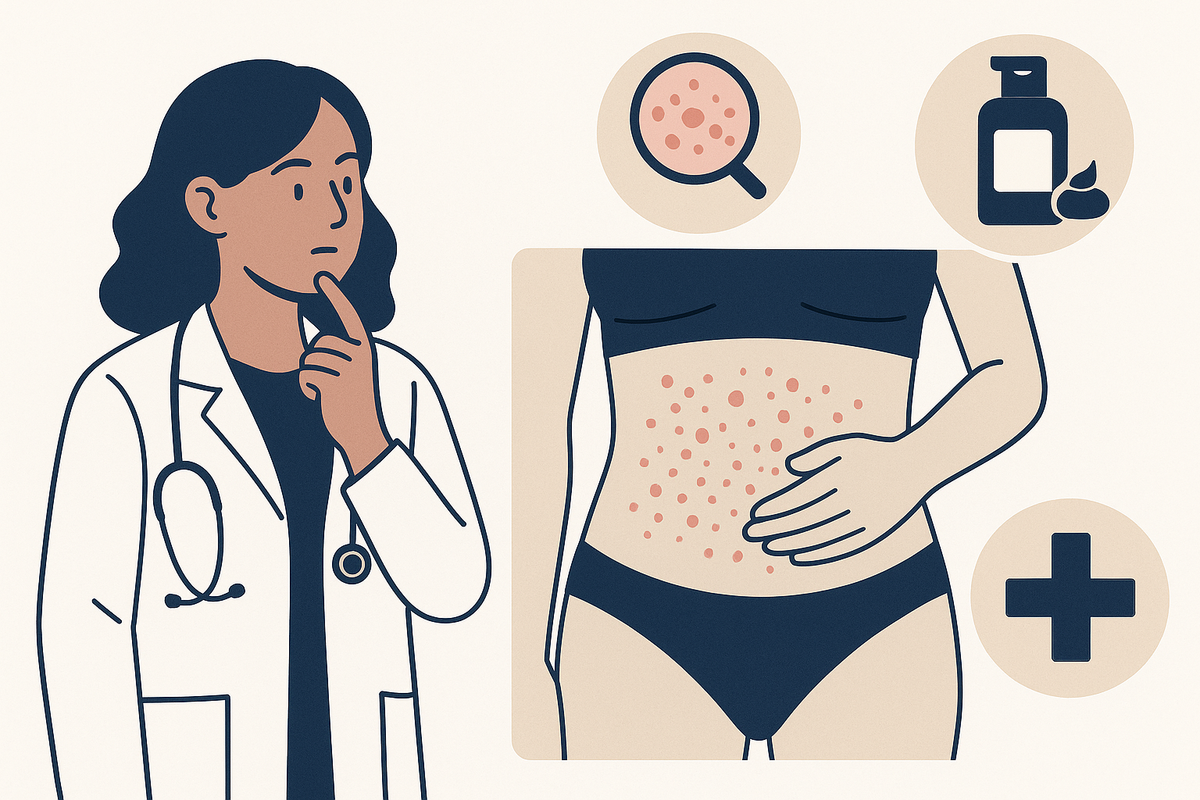
A rash on the stomach, also called a belly rash or rash on the abdomen, describes any area of abnormal skin—redness, bumps, patches, blisters, or scaling—appearing on your midsection. It can be itchy, painful, or even asymptomatic. Stomach rashes vary in appearance and severity, from mild, short-lived irritation to signs of a systemic medical condition.
Main Symptoms
- Red rash on stomach: Pink or red discoloration, sometimes with swelling.
- Itchy stomach rash: Uncomfortable itching or burning.
- Raised bumps or blisters: Can be fluid-filled, crusted, or dry.
- Scaling or flaking: Dry, peeling areas, especially in chronic conditions.
- Pain or tenderness: Especially with infections or severe inflammation.
Why the Abdomen?
The stomach area is prone to rashes because of:
- Skin folds and friction from clothing, belts, or waistbands.
- Moisture and sweat accumulation (especially under belly folds).
- Contact with allergens or irritants from soaps, lotions, or laundry detergents.
- Systemic diseases that show symptoms on the trunk.
Identifying the cause of a rash on the abdomen starts with a close look at the rash’s appearance, symptoms, and how it started.
Section 2: Common Allergic and Irritant Causes
Allergic Contact Dermatitis
This is a common cause of belly rashes. It happens when your skin comes into contact with substances that may trigger an allergic reaction. Common culprits for rashes on the abdomen include:
- Nickel: Found in belt buckles, jean buttons, and jewelry.
- Fragrances or preservatives: In lotions, soaps, or laundry detergents used on clothing.
- Rubber or latex: Waistbands in underwear or shapewear.
The rash is usually red, itchy, and may have well-defined edges corresponding to the area of contact.
Irritant Contact Dermatitis
Irritants—including sweat, harsh soaps, and repeated friction—can break down the skin’s barrier, leading to a red, sometimes scaly rash. Unlike allergic reactions, this form doesn’t involve the immune system but can still be uncomfortable.
- Worsened by tight clothing, excessive sweating, or poor hygiene.
- Most common in skin folds or under belly rolls.
Atopic Dermatitis (Eczema)
This chronic skin condition can appear anywhere, including the stomach. Eczema on the abdomen usually causes:
- Dry, red, itchy patches.
- Thickened or leathery skin with chronic scratching.
- Flares triggered by irritants, stress, or environmental factors.
Early signs of eczema on the stomach include small, rough bumps and intense itching. Moisturizers and avoiding known triggers are important for management.
Section 3: Infectious Causes of Abdominal Rashes
Fungal and Yeast Infections
The warm, moist environment under the belly or in skin folds can promote fungal growth. Two common infections include:
- Ringworm (Tinea corporis): Appears as a circular, red, scaly patch with a clear or less inflamed center. Spreads outward, creating a ring-like appearance.
- Candidiasis (Intertrigo): Caused by Candida yeast, especially in overweight individuals or those with diabetes. Presents as a bright red, itchy rash under belly folds, sometimes with cracked skin or white patches.
Viral Infections
- Shingles (Herpes zoster): Reactivation of the chickenpox virus can cause a painful, blistering rash, often in a belt-like (dermatomal) pattern on one side of the abdomen. May be preceded by tingling or burning pain.
- Viral exanthems: Illnesses like measles, chickenpox, or Coxsackie virus can cause widespread rashes, including the stomach, especially in children.
Bacterial Infections
Less common but possible, especially with breaks in the skin. Cellulitis can cause redness, swelling, and tenderness, and often requires antibiotics.
When an abdominal rash is accompanied by fever, pain, or spreading redness, seek medical care promptly.
Section 4: Heat Rash, Sweat, and Skin Fold Issues
Heat Rash (Miliaria)
Hot, humid weather or tight clothing can block sweat ducts, resulting in heat rash on the stomach. Typical signs include:
- Small, red, itchy bumps: Often seen under tight waistbands or in skin folds.
- Prickly or stinging sensation: Sometimes called "prickly heat."
- Common in infants, athletes, and overweight adults.
Sweat and Hygiene
Moisture trapped under the belly or in abdominal creases can create an environment for irritation and infection.
- Frequent in people with larger stomachs or skin folds.
- Skin may become red, macerated (soft and white), or develop a foul odor.
- Can lead to heat rash or secondary infections.
Prevention Strategies
- Wear loose, breathable clothing.
- Keep abdominal skin clean and dry—pat, don’t rub, after bathing.
- Apply powders or moisture-wicking products as needed.
- Weight loss, if appropriate, may help reduce skin-on-skin friction.
For more on prevention, see our guide on heat rash prevention tips.
Section 5: Pregnancy and Autoimmune-Related Stomach Rashes
PUPPP: Rash in Pregnancy
PUPPP (Pruritic Urticarial Papules and Plaques of Pregnancy) is an itchy rash that can appear in late pregnancy. It often starts within stretch marks on the abdomen and can spread to the thighs or arms. Features include:
- Red, raised, hive-like bumps or patches along the belly.
- Intense itching, but typically no risk to baby or mother.
- Usually resolves after delivery.
Pregnant women may also develop other skin changes or rashes, so it’s important to consult a healthcare provider for diagnosis.
Autoimmune and Systemic Conditions
- Psoriasis: Can cause well-defined, scaly, red plaques on the stomach or waistline.
- Lupus: May present with a widespread, red, sometimes scaly rash, especially after sun exposure.
- Vasculitis: Inflammation of blood vessels can cause purplish or red spots (petechiae or purpura) on the abdomen.
- Mast Cell Activation Syndrome (MCAS): Chronic hives or flushing episodes, sometimes triggered by heat, pressure, or certain foods.
Distinguishing Features
Autoimmune rashes often have other symptoms, like joint pain or fatigue. They can be persistent and may require specialist care.
Section 6: Drug-Induced Rashes on the Stomach
Medication-Related Skin Reactions
Many prescription and over-the-counter drugs can cause a rash on the abdomen as a side effect. These drug rashes may appear days to weeks after starting a new medication and can take several forms:
- Widespread, flat, or raised red spots (morbilliform rash): Often starts on the trunk, including the stomach, and spreads outward.
- Hives (urticaria): Itchy, swollen welts that move around the body.
- More serious reactions: Blisters, peeling, or sores (as with Stevens-Johnson syndrome) are medical emergencies.
Common offenders include antibiotics (such as penicillin, sulfa drugs), anticonvulsants, and some pain relievers.
What to Do If You Suspect a Drug Rash
- Stop the suspected medication only after consulting your doctor.
- Take photos to document the rash’s progression.
- Seek urgent care for blisters, skin peeling, or signs of severe illness (fever, mouth sores, difficulty breathing).
For more details, see Drug Rash Treatment: Effective Solutions for Skin Reactions and Rash from Medication: Causes, Symptoms & Next Steps.
Section 7: Diagnosing and Identifying Patterns
Recognizing Rash Patterns
- Circular or ring-shaped rash: May suggest ringworm (fungal infection).
- Belt-like stripe: Can be seen in shingles, usually one-sided and painful.
- Skin-fold patches: May point to intertrigo (yeast) or heat rash, especially under belly rolls.
- Red, scaly plaques: Sometimes seen in psoriasis or eczema.
- Raised, hive-like bumps: Allergic reactions, PUPPP in pregnancy, or urticaria.
Using Digital Tools for Identification
With advances in technology, tools like Rash Detector offer analysis via smartphone photos. Uploading clear images of your rash can provide possible causes and care guidance.
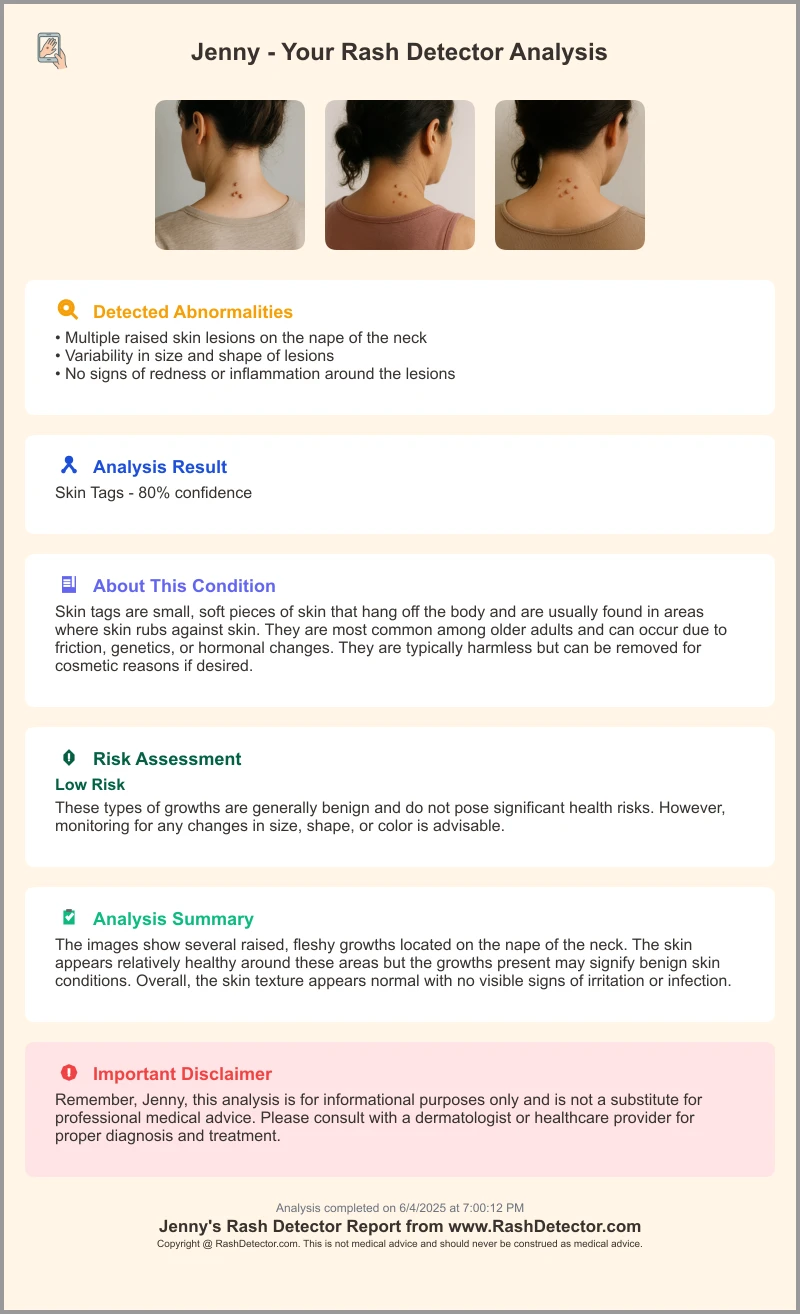
While such apps may be helpful for initial guidance, they are not a substitute for in-person medical evaluation—especially for severe or rapidly changing rashes.
When to See a Doctor
- Spreading, painful, or blistering rashes.
- Signs of infection: fever, pus, warmth, swelling.
- Symptoms of allergic reaction: swelling of lips/face, difficulty breathing.
- No improvement after a week of home care.
If you’re unsure, consult your doctor or a board-certified dermatologist for diagnosis and treatment.
Section 8: Effective Treatments and When to Seek Help
General Skin Care
- Keep the area clean and dry: Gently wash with mild soap and lukewarm water, then pat dry.
- Avoid scratching: This helps prevent infection and worsening of the rash.
- Wear loose, cotton clothing: Reduces friction and allows the skin to breathe.
Over-the-Counter Treatments
- 1% hydrocortisone cream: May reduce inflammation and itching for some rashes (avoid open wounds).
- Colloidal oatmeal baths: Can soothe itching and irritation.
- Antihistamines (oral): May help control itching from allergies or hives.
- Antifungal creams: For ringworm or yeast rashes in skin folds.
For guidance on choosing the best topical therapy, see our deep dive into anti-itch creams.
When to See a Doctor
- If the rash is severe, painful, blistering, spreading, or not improving with home care.
- If you have a fever, feel unwell, or notice yellow crusting (possible infection).
- Uncertain diagnosis, new medications, or underlying health problems.
Important: This information is for educational purposes only. For diagnosis and treatment, always consult a healthcare professional—especially for persistent, severe, or rapidly changing rashes.
Conclusion
A rash on the stomach can have many causes, ranging from mild irritation to infections or systemic diseases. Noticing the pattern, location, and associated symptoms can help narrow down the cause. While some rashes may be managed at home with gentle skin care and over-the-counter treatments, others require prompt medical attention. If in doubt, or if symptoms are severe or persistent, consult your doctor or dermatologist.
For fast, AI-powered analysis, you can try Rash Detector by uploading clear photos of your rash from multiple angles. However, remember that digital tools are not a substitute for professional care.
FAQ
Q: What are the most common causes of a rash on the stomach?
A: Common causes include allergic or irritant contact dermatitis, eczema, heat rash, fungal infections (like ringworm and yeast), shingles, pregnancy-related rashes (PUPPP), drug reactions, and autoimmune conditions.
Q: Is a rash on the stomach a sign of shingles or ringworm?
A: Shingles can appear as a painful, blistering stripe on one side of the abdomen, while ringworm may form a circular, red, scaly patch. Both require specific treatments—see a doctor for diagnosis.
Q: How do I treat a rash under my belly fold or fat roll?
A: Keep the area clean and dry, use antifungal creams if yeast is suspected, and wear loose clothing. If the rash persists or worsens, consult a healthcare provider for tailored treatment.
Q: Can pregnancy cause a rash on the stomach, and what does PUPPP look like?
A: Pregnancy can cause rashes such as PUPPP, which presents as itchy, red, hive-like bumps along stretch marks on the belly. It is generally harmless but very itchy—see your OB-GYN for management.
Q: When should I see a doctor for a stomach rash?
A: Seek medical advice if the rash is severe, blistering, spreading, painful, or accompanied by fever, or if you suspect an infection or drug reaction. If unsure, always consult a healthcare professional.
Q: What are the early signs of eczema on the stomach?
A: Early eczema on the abdomen often shows as small, rough, itchy bumps or patches of dry, red skin. Moisturizing and avoiding triggers can help, but persistent cases need medical attention.