Rash on Side of Torso: Causes, Symptoms, and What to Do
Learn why rashes appear on the side of your torso, common causes, symptoms, and when to see a doctor. Complete guide to skin rashes by location.

Estimated reading time: 13 min
Key Takeaways
- The location of a rash, such as on the side of the torso, provides important diagnostic clues.
- Common triggers for torso rashes include allergies, infections, autoimmune conditions, heat, and contact with irritants.
- Certain patterns—like a one-sided, band-like rash—can suggest specific causes such as shingles.
- Red-flag symptoms such as pain, fever, or a rapidly spreading rash require urgent medical attention.
- Home care for mild rashes involves gentle cleansing, itch relief, and avoiding further irritation.
Table of Contents
- Section 1: Why Rash Location Matters
- Section 2: Common Causes of Rash on Side of Torso
- Section 3: Recognizing Shingles and Band-Like Rashes
- Section 4: Other Torso Rash Patterns and What They Mean
- Section 5: Red Flags—When to See a Doctor
- Section 6: Home Care and Relief for Torso Rashes
- Conclusion
- FAQ
Section 1: Why Rash Location Matters
Understanding Rash Patterns by Body Area
Rashes can appear almost anywhere—on the face, arms, legs, chest, back, hands, and even between the buttocks. But why do rashes tend to show up in certain areas, and what does their placement reveal? The skin is not uniform across the body. Its thickness, oiliness, exposure to irritants, and contact with clothing or surfaces all impact where and why a rash develops.
- Face: Exposed to sun, cosmetics, and allergens—acne, rosacea, or contact dermatitis are common.
- Arms and Legs: Susceptible to insect bites, poison ivy, eczema, and psoriasis.
- Torso (including the chest and sides): Heat, friction, and certain infections like shingles often target these areas.
- Hands: Frequent washing/irritants can cause dermatitis or allergic reactions.
- Buttocks and Groin: Occlusion, sweat, and friction trigger heat rash or fungal infections.
Why the Side of the Torso?
The side of the torso is often covered by clothing, prone to sweat accumulation, and in contact with belts or waistbands. This makes it a hotspot for rashes caused by irritation, heat, or allergic reactions. Some rashes, notably shingles, can favor one side of the body in a band-like distribution due to nerve involvement.
Location Guides Diagnosis
Dermatologists often ask, “Where did the rash start?” or “Is it only on one side?” because certain diseases have signature locations. For example, a rash on the side of the torso that is painful and blistering may be shingles rather than eczema. For more on how to check your own skin, see How to Do a Skin Self Exam at Home.
Section 2: Common Causes of Rash on Side of Torso
Allergies and Irritants (Contact Dermatitis)
Contact dermatitis is a common cause of rashes on the torso. This occurs when the skin reacts to substances it touches, such as:
- Clothing fibers (especially wool or synthetic materials)
- Detergents, soaps, or lotions with fragrances or preservatives
- Nickel or metal fasteners in belts or waistbands
- Plants: Poison ivy, oak, or sumac can cause a linear, itchy rash if brushed against the side of the body
This type of rash is usually very itchy, red, and may blister. It can be mistaken for eczema or allergic reactions elsewhere, such as on the arms or hands.
Infections: Fungal and Bacterial
Fungal infections like ringworm (tinea corporis) often affect the torso, appearing as a red, ring-shaped rash with clearer skin in the middle. These thrive in warm, moist environments such as under tight clothing or near the waistline. Bacterial infections, such as impetigo, are less common on the torso but can occur, especially if there is broken skin.
Autoimmune and Chronic Skin Conditions
- Eczema (Atopic Dermatitis): Can appear anywhere but sometimes affects the sides of the torso, especially in adults.
- Psoriasis: May cause thick, scaly plaques on the sides of the body, as well as on the scalp, elbows, and knees.
Both eczema and psoriasis tend to be chronic, recurring, and extremely itchy. They may coexist with rashes on other areas, including the face, arms, or legs.
Section 3: Recognizing Shingles and Band-Like Rashes
What Is Shingles?
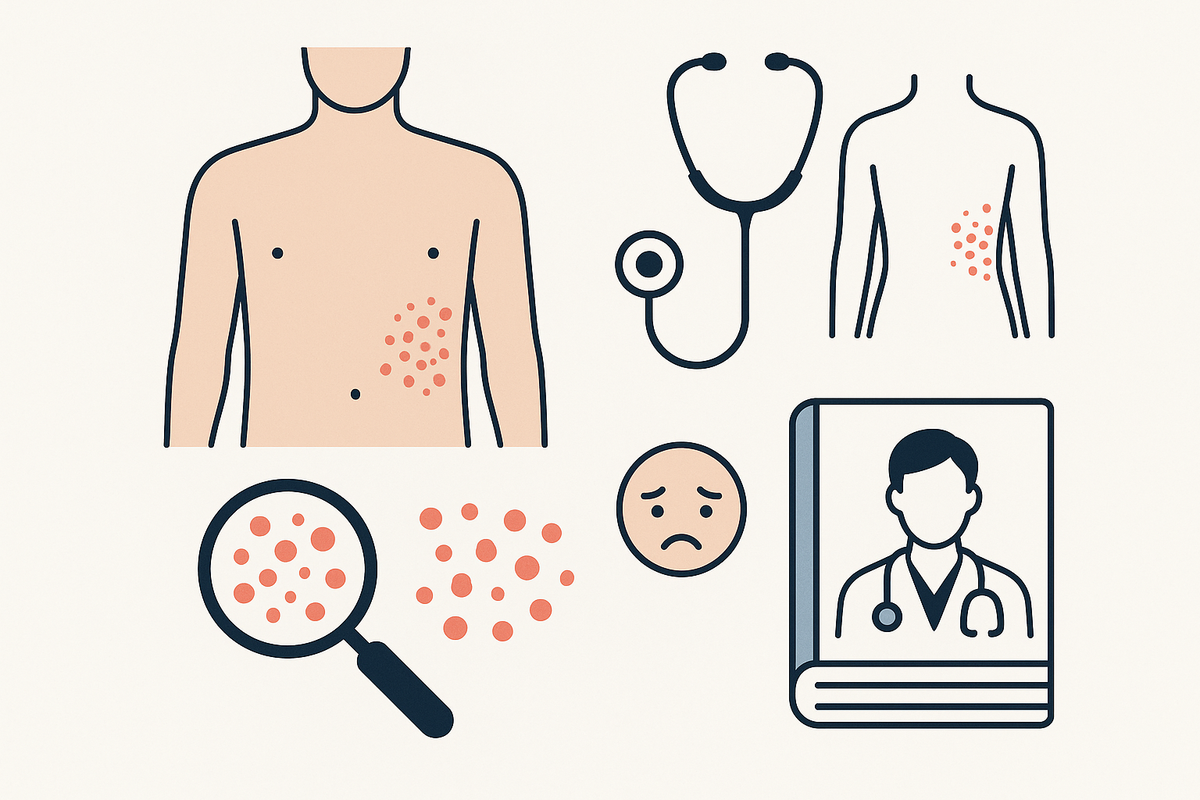
Shingles (herpes zoster) is a viral infection caused by reactivation of the chickenpox virus. It is a classic cause of a one-sided, band-like rash on the torso. Shingles tends to:
- Start with pain, tingling, or burning before any visible rash
- Produce a cluster of red spots and blisters, usually on one side only
- Wrap around the side or back in a narrow band following a nerve path (dermatome)
Who Gets Shingles?
Anyone who has had chickenpox is at risk, though it is more common in adults over 50 or those with weakened immune systems. The pain can be severe and may linger (postherpetic neuralgia) even after the rash heals.
How to Identify a Band-Like Rash
Any new, painful, blistering rash on one side of the torso should prompt suspicion for shingles. Immediate medical attention is advised, as antiviral medication is most effective if started early. Other conditions rarely create this sharply one-sided, banded pattern.
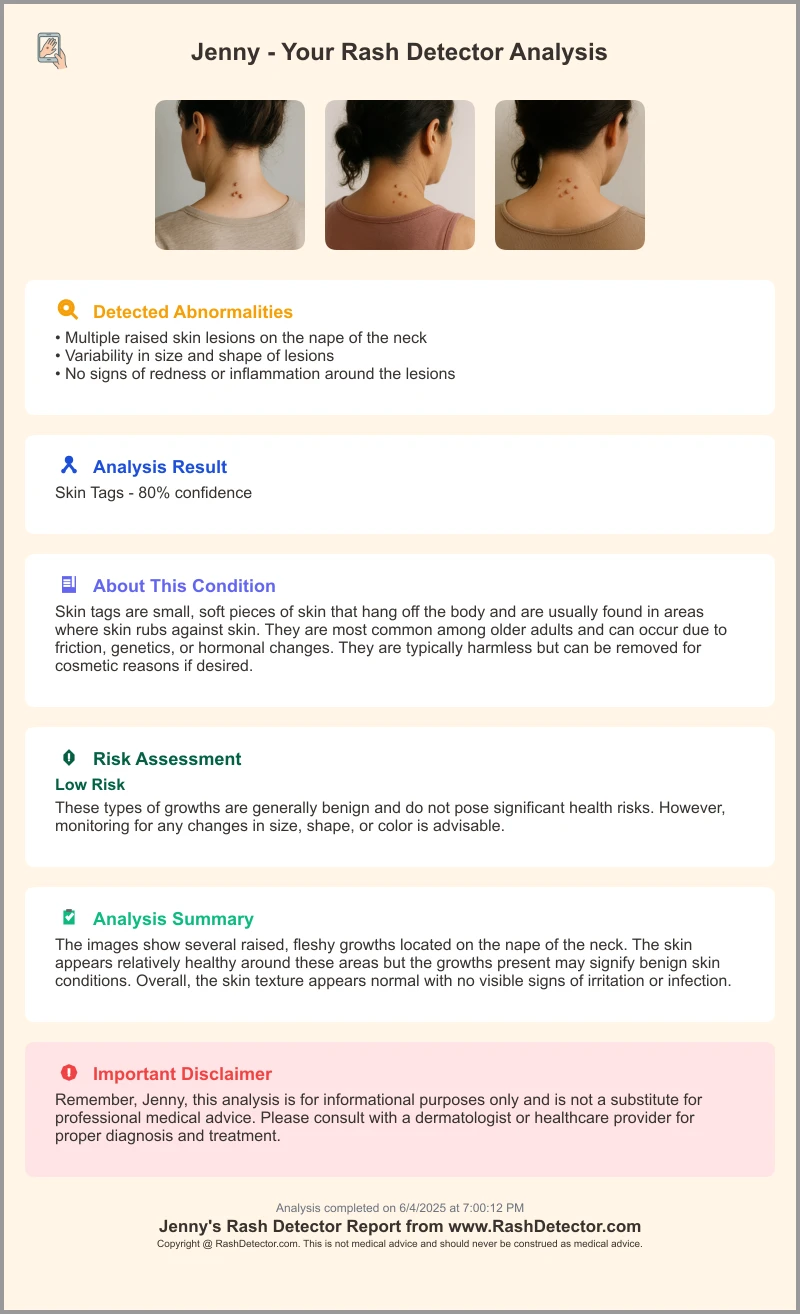
If you notice a rash like this, you can use Rash Detector for instant analysis and guidance, but always consult a doctor for confirmation and treatment.
Section 4: Other Torso Rash Patterns and What They Mean
Heat Rash (Miliaria)
Heat rash, or prickly heat, appears when sweat ducts are blocked, trapping moisture under the skin. It often shows up as small, red bumps and itching on the sides of the torso, especially in hot, humid weather or after exercise. Tight clothing and occlusion (such as sleeping on one side) make it worse.
- Babies and young children are especially prone, but adults can get it too.
- Prevention tips are discussed in detail in How to Prevent Heat Rash: Practical Tips.
Fungal Rashes: Ringworm and More
Ringworm, or tinea corporis, presents as a round, red, scaly patch with a raised border. It can start on the side of the torso and spread if not treated. Unlike shingles, it is rarely painful but often itchy.
- Often confused with eczema or other chronic rashes.
- Can affect other areas: groin (jock itch), feet (athlete’s foot), or hands.
Insect Bites and Stings
Localized rashes from insect bites or stings can appear anywhere, but are common on exposed or partially covered areas like the side of the torso. Mosquito bites, bedbugs, or even spider bites may cause redness, swelling, and intense itching or burning.
- Typically isolated but may cluster if multiple bites occur.
- Look for a central puncture or blister in the middle of a red, raised area.
Drug Rashes and Systemic Reactions
Some rashes result from medication allergies or sensitivities. These can appear anywhere on the body, including the torso. Learn more about these in Drug Rash Treatment: Effective Solutions.
Section 5: Red Flags—When to See a Doctor
Warning Signs That Need Urgent Care
- Painful, blistering rash on one side of the torso (possible shingles)
- Rash spreading rapidly, or accompanied by swelling, warmth, or pus (possible infection)
- Fever, chills, or feeling unwell with a new rash
- Rash involving the eyes, mouth, or genitals
- Signs of an allergic reaction: trouble breathing, facial swelling, or hives all over
- Persistent, severe itching or discomfort not relieved by home care
When Is a Rash on the Torso an Emergency?
If you have a widespread rash with fever, or if the rash is accompanied by difficulty breathing or swallowing, seek emergency care. Shingles near the eyes or affecting the face also requires urgent specialist evaluation.
Long-Lasting or Recurring Rashes
Chronic rashes that do not improve with over-the-counter care, or that keep coming back, should be evaluated by a dermatologist. This is especially important for adults developing new eczema, psoriasis, or unexplained skin changes. Never ignore a rash that is changing, bleeding, or not healing—these could signal something more serious.
This article is for educational purposes only. Always see a medical professional for diagnosis and treatment of severe, spreading, or persistent rashes.
Section 6: Home Care and Relief for Torso Rashes
Gentle Cleansing and Skin Care
- Wash the affected area with lukewarm water and mild, fragrance-free soap.
- Pat dry gently—do not rub or scratch.
- Wear loose, breathable clothing to prevent further irritation.
Itch Relief and Topical Treatments
For mild rashes without red-flag symptoms, you may consider:
- Over-the-counter hydrocortisone cream (1%) for inflammation and itching
- Oral antihistamines (like cetirizine or loratadine) for itching, especially at night
- Cooled, damp compresses to soothe hot or burning skin
For more options, see Best Anti Itch Cream: Top Picks and How to Choose.
What to Avoid
- Scratching, which can worsen irritation and cause infection
- Harsh soaps, perfumed lotions, or home remedies that may irritate sensitive skin
- Hot showers or baths
- Tight or synthetic clothing over the rash
When to Seek Help via Technology
Apps like Rash Detector enable you to photograph your rash from several angles and receive instant analysis. This can help you decide if your rash is likely mild and self-limited, or if it requires urgent attention. However, an app is not a substitute for professional medical care if you have severe, spreading, or painful symptoms.
Conclusion
A rash on the side of the torso can be caused by a variety of factors—ranging from simple irritation or allergies to chronic skin conditions and infections like shingles or ringworm. The location, appearance, and associated symptoms (such as pain, blisters, or fever) are key to narrowing down the cause. Remember that rashes on other body parts (face, arms, legs, hands, chest, or between the buttocks) have their own likely triggers, and the pattern often guides diagnosis.
For most mild rashes, gentle care and over-the-counter treatments can bring relief. But if you notice warning signs—such as severe pain, rapid spread, fever, or persistent symptoms—see a doctor or dermatologist promptly. When in doubt, technology like Rash Detector can provide helpful initial guidance, but it’s not a replacement for professional evaluation.
FAQ
Q: What does a rash on one side of the torso mean?
A: A rash appearing on one side of your torso can have several causes, but a band-like, blistering rash is often due to shingles. Other possibilities include contact dermatitis from clothing or irritants, fungal infections, or bug bites. The pattern and symptoms help guide the diagnosis. Always see a doctor for severe, painful, or persistent rashes.
Q: Is a band-like rash on the side of the body shingles?
A: Shingles is a classic cause of a band-like, one-sided rash on the torso. It starts with pain or tingling, then develops blisters in a stripe along a nerve path. Immediate medical attention is needed for antiviral treatment.
Q: What causes an itchy rash on the side of the stomach or torso?
A: Itchy rashes on the side of the torso are commonly caused by contact dermatitis (from clothing, soaps, or plants), eczema, psoriasis, fungal infections, or allergic reactions. Heat rash and insect bites can also cause itching in these areas.
Q: When should I worry about a rash on my torso?
A: Seek medical attention if your rash is painful, involves blisters, spreads quickly, is accompanied by fever or swelling, or does not improve with home care. Also see a doctor if the rash affects your face, eyes, mouth, or genitals, or if you have trouble breathing.
Q: How do you treat a rash on the side of the body at home?
A: Cleanse the area gently, use hydrocortisone cream for itch, take antihistamines if needed, and avoid scratching or using harsh products. If the rash worsens or does not improve, consult a healthcare provider.
Q: Can allergies or contact dermatitis cause a rash on one side of the torso?
A: Yes, contact with an allergen or irritant (such as a plant, metal, or clothing) on one side can cause a localized rash. The reaction may be red, itchy, and sometimes blistering. Avoid the trigger and use gentle skin care; seek care if severe or not improving.