Rash on Scalp Under Hair: Causes, Symptoms & Treatment Guide
Learn why a rash on scalp under hair appears, common causes, symptoms, and effective treatments. Compare rashes on face, arms, legs, chest, and more.
Estimated reading time: 14 min
Key Takeaways
- A rash on scalp under hair can result from various conditions: dandruff, dermatitis, fungal infections, and more.
- Symptoms like itching, flakes, redness, or hair loss may help identify the cause.
- Triggers include hair care products, sweating, tight hairstyles, and hygiene habits.
- Proper diagnosis is essential—see a doctor for severe, spreading, or persistent symptoms.
- Self-care and prevention involve gentle products, scalp hygiene, and avoiding irritants.
Table of Contents
- Section 1: Why Rashes Appear in Specific Areas
- Section 2: Common Causes of Rash on Scalp Under Hair
- Section 3: Infectious and Parasitic Causes of Scalp Rash
- Section 4: Symptoms and How Location Guides Diagnosis
- Section 5: Diagnosis Methods for Scalp and Other Rashes
- Section 6: Treatment and Prevention Strategies
- Conclusion
- FAQ
Section 1: Why Rashes Appear in Specific Areas
Understanding Area-Specific Skin Rashes
Skin rashes can develop almost anywhere on the body, but their location often offers clues about their cause. For example, a rash on scalp under hair may have different triggers and underlying conditions compared to a rash on face, rash on arms, rash on legs, rash on chest, rash between buttocks, or rash on hands. Understanding why do rashes appear in certain areas can help clinicians and individuals narrow down options and select the best next steps.
- Skin thickness & oil glands: The scalp has more sebaceous (oil) glands than many other areas, making it prone to oily conditions like seborrheic dermatitis.
- Exposure: Areas like the face and hands are more exposed to sunlight and irritants, while the scalp is often covered by hair, creating a moist, warm environment that may be favorable for fungal growth.
- Friction & sweating: Rashes between buttocks or under arms are often triggered by friction and moisture.
- Allergic reactions: Direct contact with hair dyes or certain shampoos can cause scalp-specific rashes, while jewelry may trigger rashes on neck or wrists.
- Infections: Bacterial, fungal, or viral organisms may favor some body parts due to humidity, hair coverage, or skin folds.
Why the Scalp Is Unique
The scalp’s thick hair coverage, abundance of oil glands, and frequent exposure to hair products make it a distinct environment. This helps explain why some rashes—like dandruff or ringworm—are more common on the scalp than elsewhere. By contrast, allergic rashes from cosmetics may affect the face, while eczema or psoriasis can appear on the scalp, elbows, knees, or hands.
Relating Scalp Rashes to Other Body Areas
- Scalp vs. body rashes: The same disease can look different depending on the area—psoriasis may be thick and scaly on the scalp, but thinner and redder on the chest or arms.
- Systemic conditions: Some rashes (e.g., drug rashes) can affect multiple areas at once; see this guide to drug rashes for more details.
Section 2: Common Causes of Rash on Scalp Under Hair
Dandruff (Seborrheic Dermatitis)
Dandruff is one of the most frequent reasons for a rash on scalp under hair. It presents as white or yellowish flakes, mild redness, and itching. The underlying cause is often associated with an overgrowth of Malassezia yeast, which thrives in oily areas. Seborrheic dermatitis can extend to the eyebrows, sides of the nose, and behind the ears.
- Flaky, greasy scales
- Mild to moderate itching
- May be worse in winter or with stress
Psoriasis of the Scalp
Psoriasis can cause well-defined, thick, silvery scales on the scalp, sometimes extending beyond the hairline. It can also appear as a rash on arms, legs, or chest. Psoriasis is an immune-mediated condition—not contagious—and often runs in families.
- Itching and burning sensation
- Patchy, raised, scaly red plaques
- Possible hair loss in affected patches
Atopic Dermatitis (Eczema)
Atopic dermatitis, or eczema, can develop on the scalp, especially in children. It tends to cause dry, itchy, red patches and may coexist with similar rashes on the face, neck, and limbs. Triggers can include stress, allergens, and harsh shampoos.
- Dry, itchy, inflamed skin
- May ooze or crust in severe cases
- History of allergies or asthma is common
Contact Dermatitis
Allergic or irritant contact dermatitis occurs when the scalp reacts to a product—such as hair dye, shampoo, conditioner, or styling gel. The rash is often itchy, red, and may blister or ooze. Nickel in hairpins, preservatives, or fragrances can also trigger reactions.
- Sudden itching or burning after product use
- Red, swollen, sometimes blistered skin
- Improves when the trigger is avoided
For more on allergic rashes, see Drug Allergy Rash: Identification, Causes, and What to Do.
Section 3: Infectious and Parasitic Causes of Scalp Rash
Fungal Infections: Tinea Capitis and Scalp Yeast
Tinea capitis (scalp ringworm) is a contagious fungal infection most common in children. It can appear as round, scaly, bald patches with broken hairs, black dots, and sometimes pus-filled sores. Scalp yeast infections (Candida) are less common but can occur, especially in people with weakened immune systems.
- Round, scaly patches with hair loss
- Itching, tenderness, or swollen lymph nodes
- Sometimes pustules or crusts
Bacterial Infections: Folliculitis and Impetigo
Folliculitis is an infection of hair follicles, causing small red or pus-filled bumps on the scalp. Itching, tenderness, and minor pain are common. Impetigo, more common in children, presents as honey-colored crusts and is highly contagious.
- Clusters of red, pimple-like bumps or pustules
- Crusting, oozing, or yellow scabs
- May spread to other areas, like face or hands
Parasitic Causes: Head Lice and Scabies
Head lice cause intense itching, especially behind the ears and at the nape. You may see live lice or tiny white eggs (nits) attached to hair shafts. Scabies rarely affects the scalp in adults, but can in infants and elderly. It causes intense itching and small bumps.
- Persistent itching, especially at night
- Visible lice or nits
- Bite marks or burrow lines (scabies)
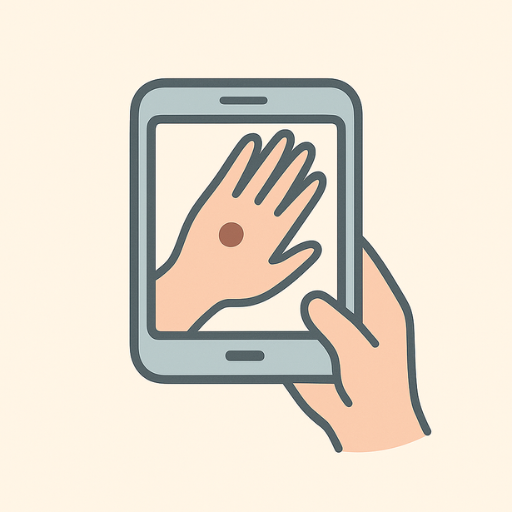
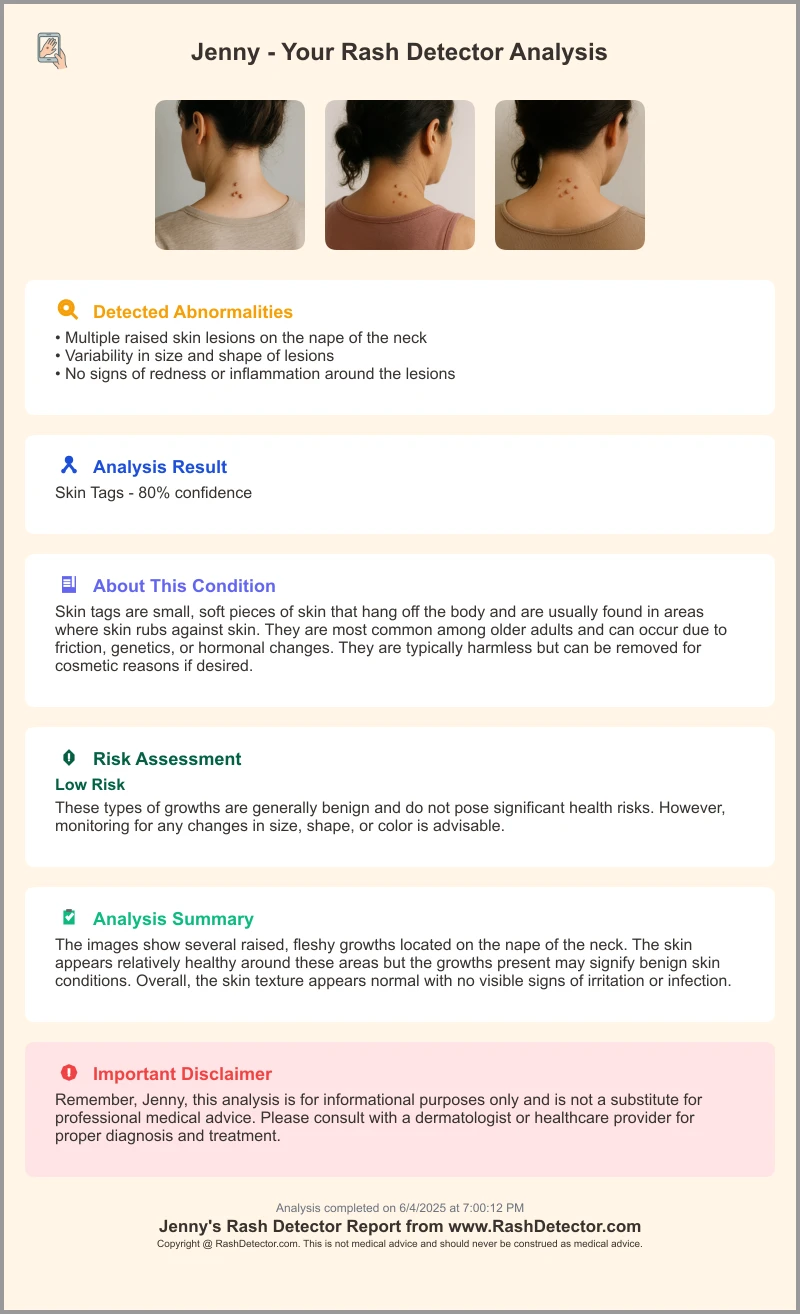
If you’re unsure about the cause or have a spreading scalp rash, consult a doctor or use a tool like Rash Detector for guidance. Uploading images may help narrow down options, but a healthcare provider should be consulted for diagnosis and treatment.
Section 4: Symptoms and How Location Guides Diagnosis
Key Symptoms of Scalp Rashes
Recognizing the unique features of a rash on scalp under hair can help in identifying the likely cause. Here are common symptoms by cause:
- Itching: Most scalp rashes cause itchiness, but severe, unrelenting itch may suggest lice or scabies.
- Flakes & scales: Dandruff and psoriasis cause visible flakes; ringworm causes circular, scaly bald patches.
- Red bumps & pustules: Folliculitis or impetigo may lead to bumps or pus-filled lesions.
- Sores & scabs: Scratching can break the skin, leading to sores, scabs, or crusting.
- Swelling: More common in infections or allergic reactions.
- Hair loss: Patchy hair loss is a clue for tinea capitis or severe psoriasis.
Comparing Symptoms in Other Body Areas
Since the same condition can look different depending on the area, it’s important to compare rashes elsewhere:
- Rash on face: Atopic dermatitis, seborrheic dermatitis, or contact allergies.
- Rash on arms/legs: Eczema, psoriasis, or drug reactions.
- Rash on chest/back: Fungal infections, heat rash, or allergic reactions.
- Rash between buttocks: Often friction, moisture, or yeast/fungal overgrowth.
- Rash on hands: Hand eczema, contact dermatitis, or viral rashes.
Why Location Matters
Rashes on certain areas may guide diagnosis. For example, a rash on scalp under hair with patchy hair loss in a child may suggest tinea capitis, while a similar rash on the arms could suggest eczema. For a deeper dive into how body part affects diagnosis, read our guide on skin rash treatment options by location.
Section 5: Diagnosis Methods for Scalp and Other Rashes
How Clinicians Assess a Scalp Rash
Diagnosing a scalp rash starts with a detailed history and scalp examination. Doctors consider:
- Onset and duration: How quickly did the rash develop? Is it persistent or intermittent?
- Associated symptoms: Itching, pain, fever, hair loss, or spreading to other body parts.
- Recent exposures: New hair products, hair dyes, medications, or contact with sick individuals.
Physical Exam and Pattern Recognition
- Location and distribution: Is the rash limited to the scalp, or does it involve face, neck, or other areas?
- Rash appearance: Are there scales, pustules, crusts, or bald patches?
- Lice or nits: Use of a fine-toothed comb to check for lice/eggs.
- Wood's lamp: Some fungal infections fluoresce under UV light.
Laboratory and Imaging Tests
- Skin scraping: Samples examined under a microscope for fungal elements or scabies mites.
- Swabs: For bacterial cultures (if pus or crusting present).
- Biopsy: Rarely needed, but may help with chronic or unclear cases.
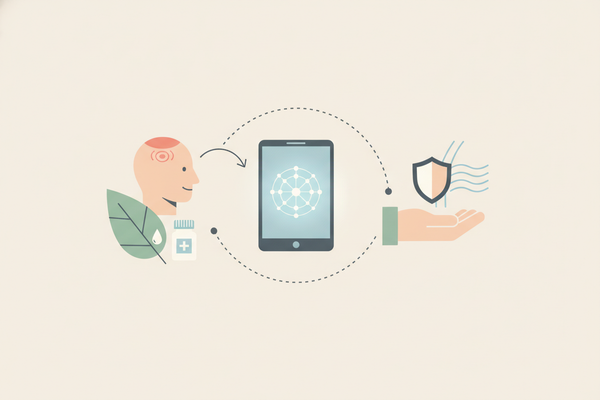
For those wanting instant guidance, AI-powered tools like Rash Detector allow you to upload photos of your rash and receive analysis on possible causes and next steps. However, these tools do not replace a medical evaluation by a healthcare provider.
Section 6: Treatment and Prevention Strategies
Treatment Basics by Cause
- Dandruff/Seborrheic dermatitis: Medicated shampoos with zinc pyrithione, ketoconazole, or selenium sulfide may be used 2–3 times per week. Avoid harsh hair products.
- Psoriasis: Topical corticosteroids or medicated shampoos are sometimes recommended. For severe cases, prescription treatments may be needed.
- Eczema: Gentle, fragrance-free shampoos; topical steroids or calcineurin inhibitors may be used for flares under medical supervision.
- Fungal infections (tinea capitis): Oral antifungals prescribed by a doctor—topical treatments alone are generally ineffective. Do not share combs, hats, or pillows.
- Folliculitis/Impetigo: Topical or oral antibiotics as directed by a clinician.
- Head lice: Over-the-counter lice treatments (permethrin, pyrethrin). Comb hair thoroughly and wash bedding/clothing.
- Contact dermatitis: Identify and avoid the trigger. Topical steroids for relief may be recommended by a healthcare provider.
For at-home care, see our recommendations for the best anti-itch creams and methods for soothing irritated skin.
When to Seek Medical Attention
- Persistent, worsening, or spreading rash
- Pain, swelling, crusting, or pus drainage
- Signs of infection: fever, chills, or swollen lymph nodes
- Patchy or sudden hair loss
- Rash in infants, immunocompromised, or very ill individuals
Always consult a doctor or dermatologist for diagnosis and treatment, especially for severe, spreading, painful, or persistent symptoms.
Prevention and Self-Care Tips
- Use gentle, fragrance-free hair products
- Rinse shampoo/conditioner thoroughly
- Keep the scalp clean and dry—especially after sweating or swimming
- Avoid sharing combs, hats, or hair accessories
- Identify and avoid known allergens or irritants
Conclusion
A rash on scalp under hair can have many causes, including dandruff, dermatitis, fungal and bacterial infections, and allergic reactions to hair products. Symptoms—such as itching, flakes, bumps, or hair loss—vary by cause and location. Comparing rashes in other areas, like the face, arms, chest, or hands, is important for identification. Diagnosis may involve scalp examination, special tests, or, increasingly, AI-powered analysis like Rash Detector, which can provide instant guidance from uploaded images. For severe, persistent, or spreading symptoms, always see a healthcare provider for expert assessment and tailored treatment.
FAQ
Q: What causes a rash on the scalp under hair?
A: Common causes include dandruff (seborrheic dermatitis), psoriasis, eczema, contact dermatitis from hair products, fungal infections (like tinea capitis), bacterial infections (folliculitis, impetigo), and head lice. The specific cause often depends on associated symptoms and risk factors.
Q: How do I know if my scalp rash is dandruff, psoriasis, or eczema?
A: Dandruff often causes white/yellow flakes and mild itching. Psoriasis may cause thick, silvery scales and can extend beyond the hairline. Eczema may cause dry, itchy, red patches and can appear in other areas. For persistent or unclear rashes, see a dermatologist.
Q: Can hair dye or shampoo cause an itchy scalp rash?
A: Yes. Hair dyes, shampoos, and conditioners can trigger allergic or irritant contact dermatitis—causing redness, itching, and sometimes blisters or swelling. Stopping the product typically improves symptoms.
Q: What does scalp ringworm look like in adults and children?
A: Scalp ringworm (tinea capitis) often causes round, scaly bald patches, sometimes with black dots (broken hairs), redness, and even pus. It’s more common in children, but adults can get it too. Medical treatment is required.
Q: How do you treat a rash on the scalp at home?
A: Use gentle, fragrance-free shampoos, avoid known triggers, and try over-the-counter dandruff shampoos for mild cases. Never use harsh chemicals or scratch the area. If the rash is severe, painful, or not improving, see a healthcare provider.
Q: When should I see a doctor for a scalp rash or scalp sores?
A: See a doctor if the rash is spreading, painful, crusting, oozing, causing hair loss, or accompanied by fever or swollen glands. Also seek care for persistent symptoms or if you’re unsure of the cause.