Rash on Inner Thighs Female: Complete Guide to Causes and Care
Learn the causes of rash on inner thighs in females, how to identify types, prevention, and when to see a doctor. Covers all common skin rash locations.

Estimated reading time: 13 min
Key Takeaways
- Inner thigh rashes in females have many causes, from chafing to infections and allergies.
- Location, appearance, and symptoms help narrow down the type of rash.
- Prevention includes keeping skin dry, using gentle skincare, and wearing breathable clothing.
- Seek medical advice for severe, spreading, painful, or persistent rashes.
- Rash Detector can help you analyze skin issues by location and get guidance instantly.
Table of Contents
- Section 1: Why Rash Location Matters
- Section 2: Common Causes of Rash on Inner Thighs in Females
- Section 3: What Makes Inner Thigh Rashes More Common in Women?
- Section 4: How to Tell Rash Types Apart by Symptoms and Appearance
- Section 5: Rashes in Other Body Areas: Face, Arms, Legs, Chest, and More
- Section 6: Prevention and Treatment of Inner Thigh Rashes
- Conclusion
- FAQ
Section 1: Why Rash Location Matters
The Importance of Where a Rash Appears
When you notice a rash on your inner thighs, face, arms, or any other area, the location provides key clues about its cause. Certain skin conditions prefer specific body sites, while others may appear anywhere. For example, a rash on the inner thighs in females often points to causes like chafing, fungal infections, or irritation, while a rash on the chest or back might be more likely to be heat rash or allergic reactions.
Skin Differences by Body Area
- Moisture & Friction Zones: Inner thighs, groin, buttocks, and under the breasts are warm and moist, making them prone to fungal and bacterial rashes.
- Exposed Areas: Face, arms, and hands are exposed to allergens, sunlight, and irritants, leading to contact dermatitis or sun-induced rashes.
- Thicker Skin: Palms, soles, and legs may react differently to irritation than thinner skin areas.
Why Do Rashes Appear in Certain Areas?
The skin’s environment—temperature, sweat, friction, and exposure—creates a unique risk profile for each area. For example, a heat rash often forms where sweat gets trapped, while an itchy rash on the arms might follow contact with a new soap or plant.
Understanding these patterns helps you and your doctor narrow down the possibilities and choose the right approach for relief.
Section 2: Common Causes of Rash on Inner Thighs in Females
Top Culprits for Inner Thigh Rashes
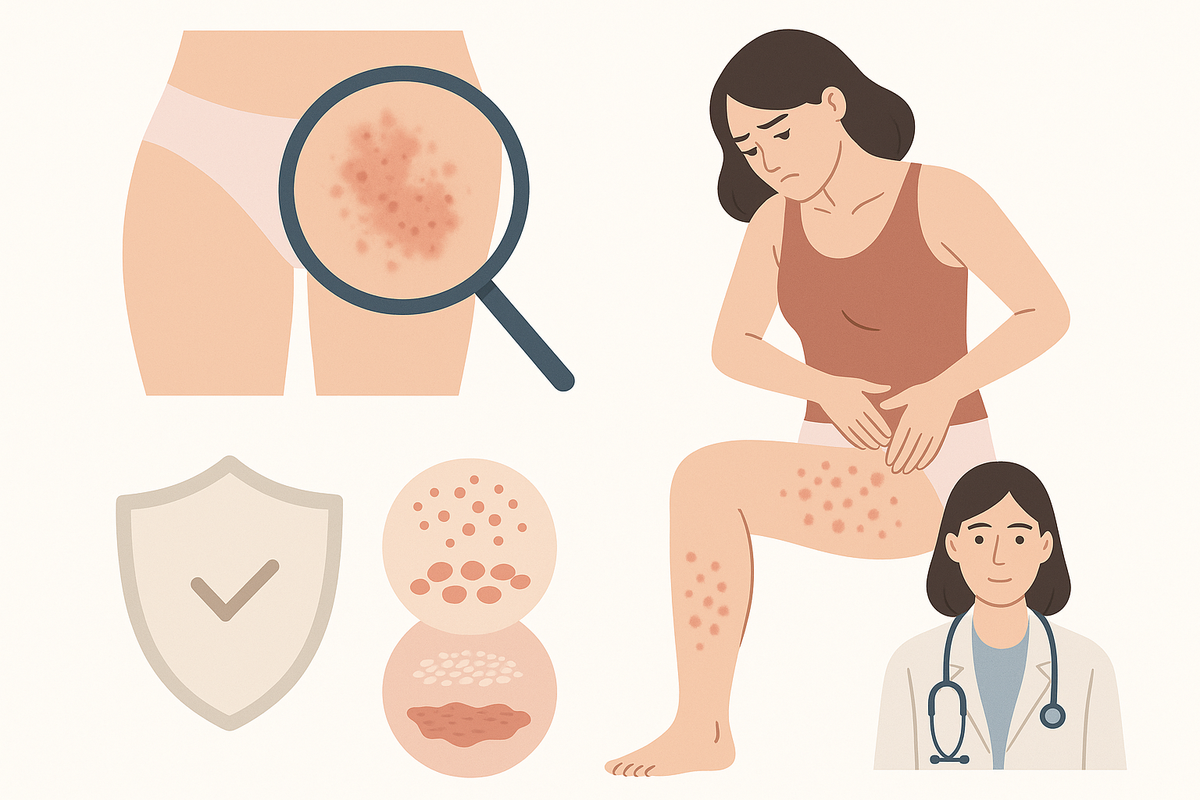
The most frequent causes of a rash on inner thighs in females include both non-infectious and infectious triggers. Here are the main conditions:
- Chafing (Friction Rash): Skin-on-skin rubbing, especially during exercise, heat, or with tight clothing.
- Intertrigo: Moisture and trapped sweat in skin folds leads to red, sore patches that may smell or ooze.
- Fungal Infections: Tinea cruris (jock itch) can cause red, itchy, sometimes ring-shaped rashes with well-defined borders. More common in warm, humid conditions.
- Yeast Infection: Candida may cause bright red, moist, itchy rashes in skin folds, sometimes with satellite spots.
- Contact Dermatitis: Allergic or irritant reactions to laundry detergents, creams, or fabrics.
- Eczema (Atopic Dermatitis): Chronic itchy patches that may become thickened or scaly.
- Psoriasis: Red, scaly plaques that can appear in the groin or thigh creases.
- Folliculitis: Inflamed or infected hair follicles, often after shaving or waxing.
- Hidradenitis Suppurativa: Painful lumps, abscesses, or tunnels under the skin, especially in groin, armpits, or buttocks.
- Sexually Transmitted Infections: Some STIs (like herpes, syphilis, or molluscum contagiosum) may cause rashes or sores in the inner thigh or groin area.
Other Rash Locations to Watch
Rashes can also develop on the legs, arms, face, chest, back, hands, or between the buttocks. Each location has common causes—like eczema on hands, drug rash on arms, or acne on the face. Learn more about drug-induced rashes in our post on Drug Rash: Causes, Symptoms, and How to Identify It.
Section 3: What Makes Inner Thigh Rashes More Common in Women?
Anatomy and Lifestyle Factors
Women may experience rashes on the inner thighs more frequently due to several physiological and lifestyle reasons:
- Thicker Thighs or Plus-Size Anatomy: Increased skin contact and friction, especially during walking or physical activity.
- Sweating & Humidity: Clothing such as leggings or tights can trap heat and moisture, creating an environment for irritation and infection.
- Exercise: Activities like running, cycling, or dancing can increase skin-on-skin rubbing, leading to chafing and intertrigo.
- Tight or Synthetic Clothing: Non-breathable fabrics increase moisture and friction, raising the risk of fungal or sweat rashes.
- Hormonal Factors: Hormonal changes can impact sweat gland activity and skin sensitivity, which may make some women more prone to rashes at certain times.
Personal Care Habits
- Shaving or Hair Removal: Can trigger irritation, razor burn, or folliculitis (infected hair follicles).
- Use of Fragranced Products: Scented lotions, soaps, or powders may cause allergic reactions (contact dermatitis).
- Poor Skin Drying: Not drying thoroughly after bathing or sweating can allow yeast and bacteria to thrive.
Understanding these risk factors can help you make changes to reduce the chance of recurring inner thigh rashes. For more on managing heat and sweat, see How to Prevent Heat Rash: Practical Tips for Every Season.
Section 4: How to Tell Rash Types Apart by Symptoms and Appearance
Key Symptoms and What They Mean
Noticing the details of your rash—such as color, border, texture, and any blisters or bumps—can help you identify the likely cause. Here are hallmark features to look for:
- Red, Itchy Patches: Common with chafing, eczema, or allergic reactions.
- Bumps or Blisters: Ingrown hairs (folliculitis), herpes (painful blisters), or contact allergies.
- Scaling or Flaky Skin: Psoriasis or chronic fungal infections.
- Well-Defined Borders: Fungal rashes (jock itch) often have a clear edge and sometimes a ring shape.
- Soreness or Rawness: Chafing and intertrigo often cause tenderness and may ooze.
- Odor or Drainage: Bacterial or yeast infections can cause a bad smell or pus.
- Pain or Deep Nodules: Hidradenitis suppurativa causes painful lumps, sometimes with drainage.
Distinguishing Between Causes
- Chafing: Red, raw, stinging patches where thighs rub.
- Jock Itch (Tinea Cruris): Itchy, red, often ring-shaped rash with a raised border.
- Yeast Infection (Candida): Bright red, moist, sometimes with small satellite lesions outside the main rash area.
- Contact Dermatitis: Itchy, sometimes blistering rash after new products or fabrics.
- Folliculitis: Small red or white bumps at hair follicles, sometimes with pus.
When to Be Concerned
See a doctor if your rash is spreading rapidly, is very painful, has pus or open sores, is accompanied by fever, or you suspect a sexually transmitted infection. If you’re uncertain, a tool like Rash Detector can help you compare your rash to likely causes and suggest next steps.
Section 5: Rashes in Other Body Areas: Face, Arms, Legs, Chest, and More
Why Location Guides Diagnosis
Every area of the body has its own risk factors and common rash types. Here’s a quick overview of what to watch for by location, and why these areas matter:
- Rash on Face: Acne, rosacea, perioral dermatitis, drug rashes, or lupus.
- Rash on Arms: Eczema, allergic contact dermatitis, drug reaction, or psoriasis.
- Rash on Legs: Folliculitis, eczema, or sometimes vascular conditions.
- Rash on Chest: Heat rash, allergic reactions, or drug-induced rashes.
- Rash on Hands: Eczema, irritant dermatitis, or hand-foot-and-mouth disease.
- Rash between Buttocks: Intertrigo, fungal or yeast infections, or psoriasis.
- Rash on Back: Acne, heat rash, or shingles.
Linking Symptoms to Causes
For example, a rash on the chest that is itchy and appears after a new medication could be a drug rash, while a rash on the hands that cracks and bleeds may point to eczema. To learn more about how to spot and treat these rashes, explore our guide on Skin Rash Treatment: Effective Solutions and Smart Tools.
When to Link Body Areas
Some conditions, like allergic reactions, can affect multiple sites at once. If you see a rash on the legs, arms, and chest together, consider a systemic cause like a drug allergy. See our posts on Drug Allergy Rash for more detail.
Section 6: Prevention and Treatment of Inner Thigh Rashes
Immediate Steps at Home
- Keep the Area Dry: Pat skin dry after bathing or sweating. Use a fan or cool air if needed.
- Wear Loose, Breathable Clothing: Choose cotton underwear and avoid tight pants or synthetic fabrics.
- Use Barrier Creams: Anti-chafing balms, petroleum jelly, or zinc oxide can reduce friction.
- Apply Antifungal or Hydrocortisone Creams: For mild fungal or inflammatory rashes, over-the-counter options may help. Do not use steroid creams long-term on the groin without medical advice.
- Gentle Skin Care: Avoid harsh soaps, perfumes, or laundry detergents.
Preventing Recurrence
- Shower and Dry Well After Exercise: Remove sweaty clothes promptly and wash skin folds.
- Change Out of Wet Clothing: Moisture promotes fungal and bacterial growth.
- Choose the Right Products: Unscented, hypoallergenic, and gentle products lower irritation risk.
- Hair Removal Tips: Use a sharp razor, shave in the direction of hair growth, and moisturize after shaving to help prevent folliculitis and razor burn.
When to See a Doctor
Seek medical advice if:
- Your rash is severe, spreading, or not improving after a few days.
- There is significant pain, pus, open sores, or fever.
- You have genital symptoms, possible STI exposure, or recurrent boils or abscesses.
- You are unsure about the cause or management.
Never diagnose or treat yourself for serious, spreading, or persistent rashes—always consult with a doctor or dermatologist for safety.
Using Rash Detector for Fast Guidance
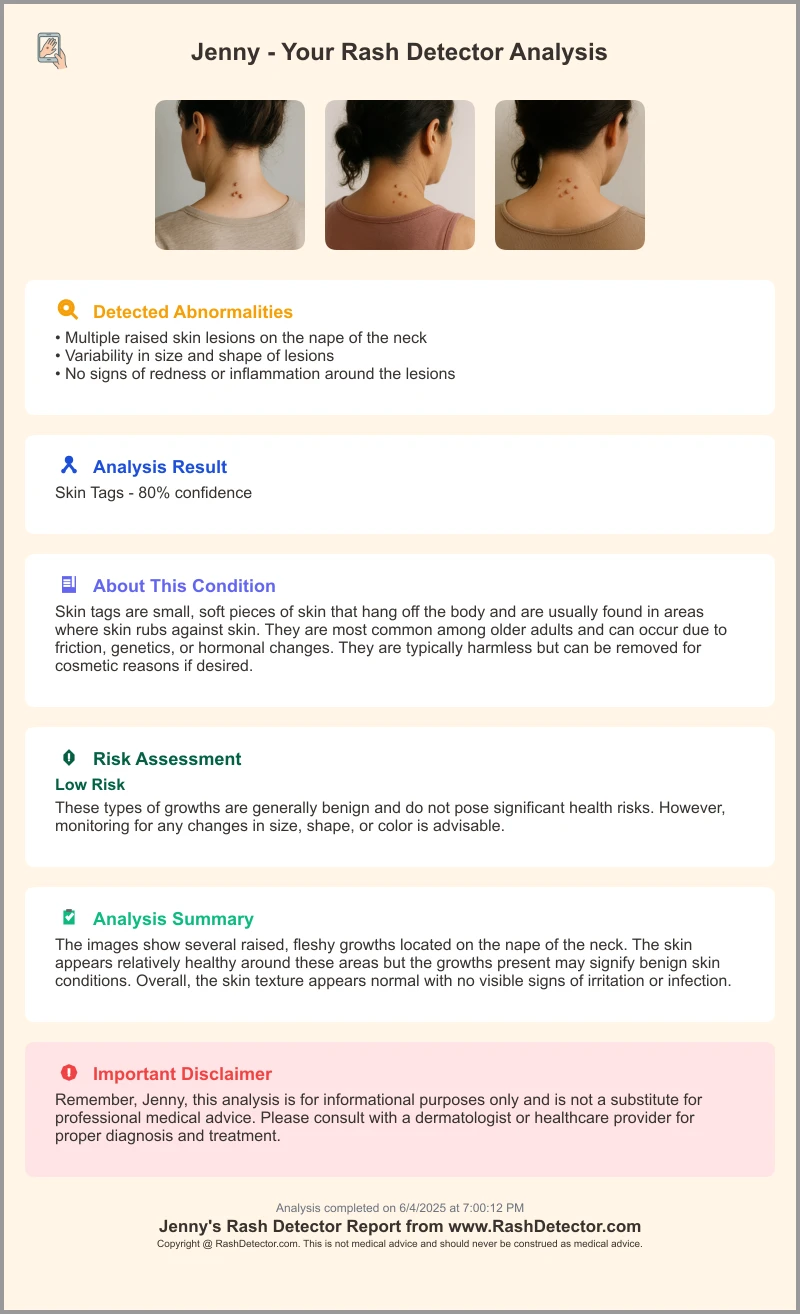
The Rash Detector app allows you to upload images of your rash and receive instant analysis and education about possible causes. This can help you decide if your rash is minor or if you should see a provider. For severe symptoms, always seek in-person care.
Conclusion
Rashes on the inner thighs in females are common and often caused by chafing, fungal or yeast infections, moisture, or irritation. Location matters—a rash on the face or arms has different common causes than one in the groin or thigh folds. Pay close attention to appearance, symptoms, and history to narrow down the cause, and use prevention methods like breathable clothing and gentle skincare. For persistent, painful, or spreading rashes, always see a healthcare provider for a proper diagnosis. The Rash Detector app can help you learn more about your skin and get instant, educational guidance from the comfort of your home.
FAQ
Q: What causes a rash on the inner thighs in females?
A:
Common causes include chafing, fungal infections (jock itch), yeast infections, intertrigo (skin fold rash), contact dermatitis from irritants or allergies, eczema, psoriasis, folliculitis (infected hair follicles), and sometimes sexually transmitted infections.
Q: Is an inner thigh rash a sign of jock itch or yeast infection?
A:
Both jock itch (tinea cruris) and yeast infection (candida) can be causes of inner thigh rashes, especially in warm, moist environments. Jock itch often has a red, ring-shaped appearance, while yeast infections are bright red and moist.
Q: How do you get rid of a rash between the thighs fast?
A:
Keep the area dry, wear loose cotton clothing, use anti-chafing creams, and apply antifungal or hydrocortisone creams if appropriate. Avoid irritants and seek medical advice if the rash is severe or not improving.
Q: Why does my inner thigh rash keep coming back?
A:
Recurring rashes are often due to persistent moisture, friction, wearing tight or synthetic clothes, or not fully treating a fungal or yeast infection. Underlying conditions like eczema or hidradenitis suppurativa can also cause repeat episodes. Prevent with good hygiene, breathable fabrics, and treating infections thoroughly.
Q: When should I worry about an inner thigh rash?
A:
Seek medical attention if your rash is very painful, spreading, has pus or open sores, is accompanied by fever, or you suspect an STI. Also see a provider if symptoms persist or recur frequently.
Q: Can shaving or tight leggings cause an inner thigh rash?
A:
Shaving can cause razor burn or folliculitis, especially if not using proper technique. Tight leggings can trap heat and sweat, increasing the risk of chafing, intertrigo, and infections. Choose breathable fabrics and proper shaving methods to help prevent irritation.