Rash on Eyelids and Around Eyes: Causes, Symptoms, and What to Do
Learn about rash on eyelids and around eyes: causes, triggers, symptoms, and treatment options. Complete guide to facial and body rashes. Educational only.

Estimated reading time: 15 min
Key Takeaways
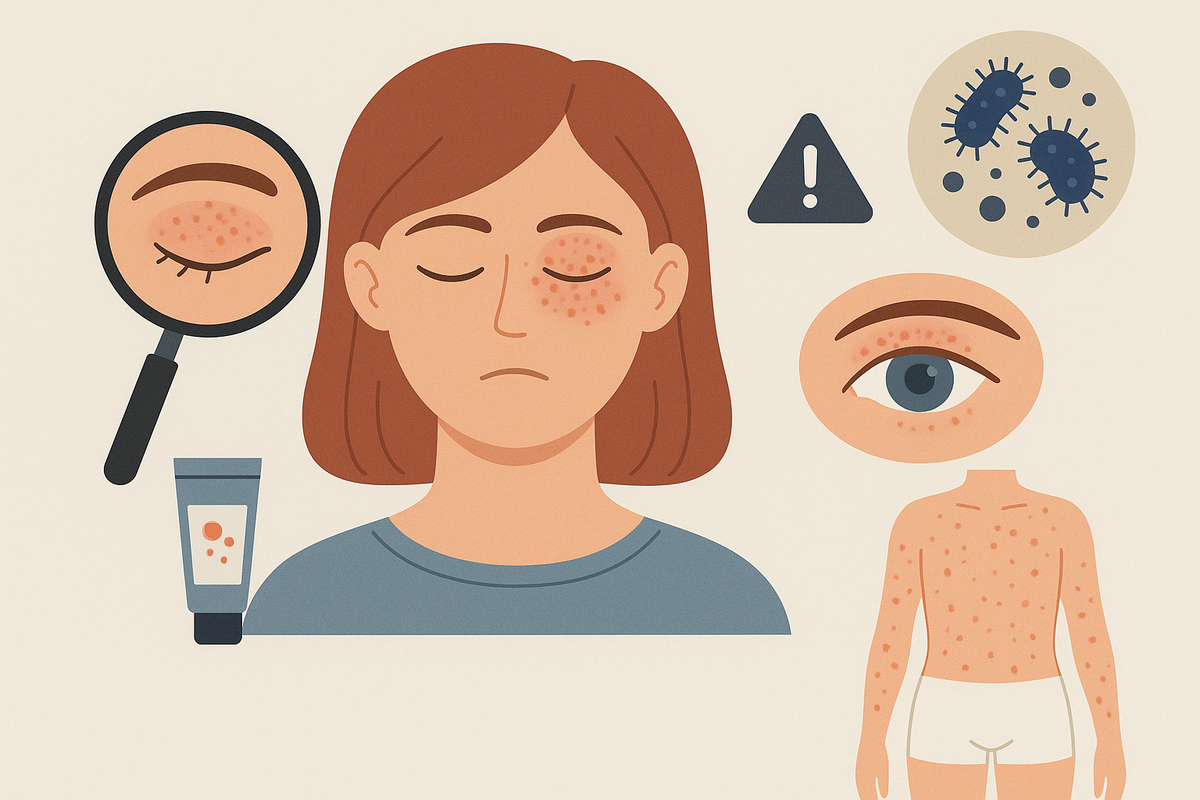
- Rash on eyelids and around eyes can result from allergies, irritants, infections, or chronic skin conditions.
- Location matters: Different causes are likely depending on where a rash appears (face, arms, legs, hands, etc.).
- Common triggers include cosmetics, eye drops, jewelry, medications, and environmental allergens.
- Symptoms like redness, swelling, itchiness, and flaking help identify the type of rash present.
- See a doctor for severe, spreading, or persistent rashes—especially if vision changes, pain, or discharge occur.
Table of Contents
- Section 1: Why Do Rashes Appear in Certain Areas?
- Section 2: Rash on Eyelids and Around Eyes—Common Causes
- Section 3: Triggers and Allergens Affecting the Eyelids
- Section 4: Symptoms and How to Recognize Eyelid Rash
- Section 5: Rashes by Body Area—Face, Arms, Legs, Chest, Hands, and More
- Section 6: Diagnosis, Treatment, and When to See a Doctor
- Conclusion
- FAQ
Section 1: Why Do Rashes Appear in Certain Areas?
Skin Sensitivity and Exposure Patterns
Our skin is not uniform—some areas, like the eyelids and around the eyes, are thinner and more delicate, making them more vulnerable to irritation and allergic reactions. In contrast, thicker areas like the palms or soles may resist minor irritants but react differently to internal triggers. The eyelid skin, for example, is less than 1 mm thick, making it especially permeable to chemicals and more likely to show inflammation from substances that might not affect other regions.
- Facial skin is generally more sensitive and exposed to environmental allergens, cosmetics, and pollution. The cheeks, nose, and eyelids are most frequently exposed to the sun, wind, and air pollution, increasing their risk for irritation and allergy.
- Hands frequently contact cleaning products, detergents, and chemicals, increasing the risk for irritant contact dermatitis. For example, people who wash their hands many times a day or work in cleaning, food service, or healthcare are at greater risk for hand rashes.
- Arms and legs may show rashes due to insect bites, eczema, or heat rash. Children, for instance, often develop eczema on the extensor surfaces of their arms and legs, while adults may notice it in their elbow creases or behind the knees.
Why Location Matters
The location of a rash gives important clues to its cause. For example, a rash on the eyelids is more likely to result from a topical allergen (like makeup) than a rash between the buttocks, which may be due to friction or a fungal infection. Similarly, a rash on the chest might suggest a drug reaction, especially if it’s widespread and accompanied by other symptoms. Certain systemic conditions, like lupus, present with specific patterns, such as the classic butterfly-shaped rash on the cheeks and nose.
Location also influences severity and complications. For example, rashes near the eyes pose risks for vision and comfort, while rashes on the groin or underarms can become infected more easily due to warmth and moisture.
Common Patterns
- Localized rashes often suggest contact with an irritant or allergen. For example, a rash under a watch band is likely a response to nickel or leather dye.
- Symmetrical rashes may point to internal causes, such as viral exanthems, autoimmune diseases, or drug reactions. For instance, measles or drug-induced rashes often appear symmetrically on both sides of the body.
- Moist areas (groin, between buttocks, under breasts) are prone to fungal or yeast infections due to increased warmth and sweat, supporting the growth of organisms like Candida.
- Pressure areas (such as waistband or bra line) can develop irritation and even allergic reactions to elastic, dyes, or detergents left in clothing fabric.
Understanding these patterns is helpful for narrowing down the cause and choosing the right approach—something tools like Rash Detector can help with by analyzing photos and providing instant guidance. Tracking the spread and evolution of a rash by body area can help healthcare providers identify patterns typical of certain diseases or reactions.
Section 2: Rash on Eyelids and Around Eyes—Common Causes
Contact Dermatitis (Irritant and Allergic)
Contact dermatitis is a common cause of rash on eyelids and around eyes. It can be:
- Irritant contact dermatitis: Results from direct damage by substances like harsh cleansers, soaps, or certain eye drops. Symptoms can appear after a single or repeated exposure. For example, a new face wash containing exfoliating acids or alcohols may cause burning and redness within hours of application.
- Allergic contact dermatitis: Caused by an immune reaction to allergens such as fragrances, preservatives, nickel (in eyelash curlers or jewelry), or certain cosmetics. Allergic reactions may develop days after exposure, making it challenging to identify the culprit. For instance, an allergy to nail polish can cause eyelid dermatitis if the product is transferred from the fingers to the eyelids.
Both types result in redness, swelling, and itching, but allergic reactions may take hours or days to appear. The skin may become puffy and develop tiny blisters, and chronic exposure can lead to thickened, dry skin or hyperpigmentation around the eyes.
Atopic Dermatitis (Eczema)
Atopic dermatitis can affect the eyelids, especially in people with a history of allergies or asthma. The skin may become dry, scaly, intensely itchy, and may even crack. Flare-ups can be triggered by environmental allergens or stress. Children with atopic dermatitis may rub their eyes frequently, causing darkening and thickening (sometimes called "allergic shiners"). Adults may notice recurrent flares during pollen season or periods of stress. The skin's barrier function is impaired, making it more susceptible to secondary infections.
Other Skin Conditions
- Blepharitis: Chronic inflammation of the eyelid edges, often with crusting and burning. Can co-exist with seborrheic dermatitis or rosacea. Blepharitis can be caused by bacterial overgrowth, mites (Demodex), or sebaceous gland dysfunction, and may lead to red, swollen eyelid margins and a gritty sensation in the eyes.
- Seborrheic dermatitis: Causes greasy, yellowish scaling on eyebrows and eyelid margins. Often seen on the scalp and around the nose as well. Seborrheic dermatitis is more common in people with oily skin and can worsen in cold, dry weather or with stress.
- Psoriasis: Less common, but can cause well-defined, scaly plaques on the eyelids. Psoriasis in this area may be associated with similar lesions on the elbows, knees, or scalp. The plaques may be silvery and cause significant flaking.
- Rosacea: Ocular rosacea can involve the eyelids, causing redness, swelling, and eye irritation. It may also produce visible blood vessels (telangiectasia) on the skin and lead to a sandy or burning eye sensation.
Infections and Systemic Causes
- Viral conjunctivitis: Causes red, watery eyes and may be associated with a mild rash or swelling. Often accompanied by cold symptoms, and is highly contagious.
- Bacterial infections: Such as cellulitis, can cause redness, swelling, pain, and even fever—requiring prompt medical care. Periorbital cellulitis is an emergency, especially in children, and can rapidly worsen.
- Herpes simplex/zoster: Can cause grouped blisters, pain, and sometimes serious eye complications. Herpes zoster (shingles) often appears as a painful rash in a band-like distribution on one side of the face or eyelid, sometimes with preceding tingling or burning.
Other systemic conditions, including drug reactions, may cause widespread rashes involving the eyelids. For more on this, read Drug Rash: Causes, Symptoms, and How to Identify It. Rarely, systemic autoimmune diseases (such as lupus or dermatomyositis) can produce a rash around the eyes (periorbital edema or "heliotrope rash").
Section 3: Triggers and Allergens Affecting the Eyelids
Personal Care Products and Cosmetics
The skin around the eyes is highly sensitive to:
- Makeup: Mascara, eyeshadow, eyeliner, and makeup removers often contain fragrances, preservatives, and pigments that can trigger rashes. For example, parabens, methylisothiazolinone, and certain dyes (like cobalt blue) are known culprits. Sharing makeup or using expired products increases the risk of irritation and infection.
- Sunscreens: Chemical filters in sunscreen may irritate or sensitize eyelid skin. Oxybenzone and avobenzone are commonly implicated ingredients. Mineral sunscreens (zinc oxide, titanium dioxide) are generally better tolerated but can still occasionally cause reactions.
- Skincare products: Anti-aging creams, moisturizers, and serums with active ingredients sometimes cause irritation or allergic reactions. Retinol, alpha hydroxy acids (AHAs), and vitamin C serums may be too harsh for the delicate eyelid area, causing redness and flaking.
Medications and Eye Drops
Topical or eye medications (antibiotic drops, glaucoma treatments, or steroid ointments) can cause allergic or irritant dermatitis. Even seemingly benign solutions like eye lubricants may contain preservatives that are potential allergens. Benzalkonium chloride, a common preservative, is a frequent trigger for eye drop allergies. Long-term use of medicated drops can sensitize the skin and conjunctiva, leading to chronic inflammation.
Environmental and Household Triggers
- Contact lens solutions: Preservatives and cleaning agents can cause reactions on the eyelids. Some people develop sensitivity to multipurpose solutions, resulting in redness, itching, and dryness around the eyes.
- Nail polish and hair dye: These products may transfer to the eyelids by touch. For example, toluene and formaldehyde in nail products can be transferred when rubbing the eyes. Paraphenylenediamine (PPD), a common ingredient in hair dye, is a potent allergen and may cause swelling and rash on the eyelids after scalp application.
- Nickel: Present in eyelash curlers, eyeglass frames, and jewelry. Repeated contact can trigger a rash in those with nickel sensitivity, especially if the metal touches the eyelid or surrounding skin.
- Household dust mites, pollen, pet dander: Common airborne allergens that can settle on the eyelids. During allergy seasons, pollen can trigger eyelid and conjunctival symptoms, particularly in people with hay fever.
- Detergents and fabric softeners: Residues from pillowcases, sheets, and towels can irritate the eyelids, especially with scented or dyed products.
Patch testing by an allergist or dermatologist is sometimes necessary to pinpoint specific allergens. This process involves applying small amounts of potential allergens to the skin and monitoring for reactions over several days. Keeping a diary of exposures, products used, and timing of symptoms can help identify patterns and possible triggers.
Section 4: Symptoms and How to Recognize Eyelid Rash
Common Symptoms and Their Meaning
Rashes on the eyelids and around the eyes often share a core set of symptoms:
- Redness and swelling: Hallmarks of inflammation—can be mild or so severe that eyes swell shut. Swelling may be more pronounced in the morning due to fluid accumulation overnight.
- Itchiness and burning: Intense itching is common in allergic and atopic dermatitis. Burning is more typical of irritant reactions. Persistent rubbing can worsen swelling and cause thickening of the skin (lichenification).
- Dryness, flaking, and scaling: Suggests eczema, seborrheic dermatitis, or psoriasis. The skin may crack, especially at the outer corners of the eyes (lateral canthus), and small flakes may be visible on the lashes or brows.
- Oozing and crusting: May indicate infection or severe dermatitis. Yellowish crusts point toward bacterial infection, while clear weeping is more common in eczema flares. Infections can develop if the skin barrier is broken from scratching.
- Watery eyes: Often a sign of allergic conjunctivitis or irritation. The eyes may also appear glassy or bloodshot, and some people experience increased light sensitivity (photophobia).
Appearance and Duration
- Acute rashes (sudden onset) are more likely allergic or irritant reactions. They may appear within minutes to hours after exposure and often resolve quickly once the trigger is removed.
- Chronic rashes (persist >2 weeks) may point to eczema, blepharitis, or underlying systemic conditions. Chronic rashes can lead to thickening, darkening, and persistent scaling. They may flare and remit over months or years.
Some rashes may start acutely but become chronic if the trigger is not identified or the skin is repeatedly exposed. Recurrent eyelid rashes may signal an undiagnosed allergy or a chronic skin condition requiring medical evaluation.
When to Suspect Infection or Serious Causes
See a doctor if you notice:
- Severe pain
- Vision changes (blurred vision, double vision)
- Thick yellow or green discharge
- Fever or spreading redness beyond the eyelids
- Blisters or ulcers on the eyelids
- Difficulty opening the eyes due to swelling
These can signal cellulitis, herpes, or other serious conditions needing urgent care. Cellulitis can spread rapidly and threaten eye health or even overall health if not treated promptly. Herpes zoster near the eye can cause vision loss if untreated. Any sudden, dramatic worsening, or involvement of both eyes, should prompt immediate medical attention.
Section 5: Rashes by Body Area—Face, Arms, Legs, Chest, Hands, and More
Face and Eyelids
Facial skin (especially the eyelids) is frequently affected by allergens in cosmetics, sunscreen, or environmental triggers. A rash on face may also signal lupus (with the classic malar or "butterfly" rash), rosacea (central facial redness and bumps), or seborrheic dermatitis (greasy scales on the nose, eyebrows, and eyelids). Viral infections like herpes simplex may cause grouped blisters on the lips or eyelids. Because the face is highly visible, even mild rashes can have a significant emotional and social impact, making prompt and accurate diagnosis important. For those using photo-based tracking apps, documenting facial rashes can help detect patterns related to new products or environmental changes.
Arms, Legs, and Hands
- Rash on arms is often due to eczema, insect bites, or contact dermatitis from clothing, jewelry, or plants (such as poison ivy). People who garden or spend time outdoors may develop linear or streaky rashes from plant exposures. Occupational exposures (such as latex gloves or solvents) can also trigger hand and forearm rashes.
- Rash on legs can result from shaving, friction, insect bites, or fungal infections (especially around the ankles and calves). Folliculitis (inflammation of hair follicles) is common on the thighs and shins, particularly after shaving. Athletes may develop fungal infections (tinea) in warm, sweaty areas.
- Rash on hands frequently results from handwashing, cleaning products, latex gloves, or handling animals. Chronic hand dermatitis is common among people who wash their hands frequently or work with chemicals, resulting in dry, cracked, or thickened skin. Occupational dermatitis may require patch testing to identify chemical triggers.
Learn more about effective treatments in Skin Rash Treatment: Effective Solutions and Smart Tools. Photographic documentation of hand and arm rashes can help monitor the effectiveness of protective measures and identify new or worsening reactions.
Chest, Back, Groin, and Buttocks
- Rash on chest could be heat rash (miliaria), drug reaction, or viral exanthem. Heat rash appears as tiny red bumps and is common in hot, humid climates or after exercise. Drug eruptions may cause widespread, flat, red spots across the chest, back, and limbs.
- Back and groin areas are prone to fungal infections and friction-related rashes. Tinea corporis (ringworm) may appear as a ring-shaped, scaly patch on the back, while intertrigo (skin fold rash) is common in the groin and under breasts due to friction, sweat, and heat. Obese individuals or athletes are particularly at risk.
- Rash between buttocks is often due to moisture, friction, or yeast infection. In adults, it may be associated with prolonged sitting, tight clothing, or poor hygiene. In infants, diaper rash is a common form caused by prolonged exposure to moisture and irritants.
Each area’s unique environment (moisture, exposure, friction) shapes the likely causes. This underscores the value of documenting and tracking a rash’s location—something Rash Detector makes easy with its photo-based analysis. For persistent or unusual rashes, share photos and details with your doctor for more accurate assessment and personalized guidance.
Section 6: Diagnosis, Treatment, and When to See a Doctor
How to Identify the Culprit
- Exposure history: Review new products, medications, and recent activities for clues. Keep a list of all topical products, medications, and environmental exposures from the past two weeks. Consider changes in laundry detergents, new jewelry, or hobbies (like gardening).
- Patch testing: An allergist or dermatologist can test for specific product or environmental allergies. Patch testing involves applying small amounts of suspected allergens to the skin (usually the back) and checking for reactions over 48–72 hours. This can uncover sensitivities to ingredients in cosmetics, metals, or preservatives.
- Avoid common triggers: Stop using suspected cosmetics, eye drops, or jewelry while monitoring symptoms. Replace pillowcases and towels, and avoid touching the eyes with unwashed hands. If the rash improves with avoidance, this supports an allergic or irritant cause.
Keeping a symptom diary, with notes on exposures and timing, can help pinpoint patterns. Use apps or phone photos to document rash changes and share with your healthcare provider.
Treatment Options
- Stop the trigger: Discontinue suspected products or exposures. If unsure, stop all non-essential products and reintroduce one at a time after the rash clears.
- Gentle cleansing: Use lukewarm water and mild, fragrance-free cleansers. Avoid scrubbing, hot water, or harsh soaps, which can worsen irritation.
- Moisturizers and emollients: Apply bland ointments or creams (like petroleum jelly or mineral oil) to protect the skin. Choose products labeled "hypoallergenic" and avoid those with fragrances or preservatives. Apply moisturizers immediately after washing to lock in moisture.
- Cool compresses: Soothe itching and swelling with a clean, cold cloth. Hold for 10–15 minutes up to several times daily. Avoid ice packs directly on the skin, which can cause further damage.
- Prescription treatments: Doctors may recommend topical corticosteroids (low potency for eyelids), calcineurin inhibitors (such as tacrolimus or pimecrolimus for sensitive skin), or oral medications for severe cases. Never use high-potency steroids near the eyes without medical supervision, as these can cause side effects like skin thinning or increased eye pressure.
- Antihistamines: Oral antihistamines may help reduce itching in allergic reactions. Non-sedating options (like cetirizine or loratadine) are preferable for daytime use, while sedating antihistamines (like diphenhydramine) may help at night if itching interferes with sleep.
- Antibiotic or antiviral medications: Needed if infection is suspected (such as bacterial cellulitis or herpes simplex/zoster). These must be prescribed by a doctor.
For itchy rashes on other body parts, see Best Anti Itch Cream: Top Picks and How to Choose. It's important to avoid home remedies like tea bags, essential oils, or undiluted apple cider vinegar on the eyelids, as these can worsen irritation or cause new allergic reactions.
When to Seek Medical Care
- If the rash is severe, spreading, or associated with pain, fever, or vision changes
- If there is thick discharge, crusting, or signs of infection
- If symptoms persist for more than 1-2 weeks despite home care
- If the rash recurs frequently or you suspect a drug reaction (read more: Rash from Medication: Causes, Symptoms & Next Steps)
- If you have a weakened immune system, are pregnant, or have a history of eye disease—see your doctor promptly for any new rash near the eyes
Important: This guide is for educational purposes only. For diagnosis and treatment, consult a doctor or dermatologist—especially for severe, spreading, painful, or persistent symptoms. Only a healthcare professional can assess for complications, perform necessary tests, and prescribe appropriate treatments, especially for rashes near the eyes.
Conclusion
Rashes on the eyelids and around the eyes are common but can be distressing due to the sensitivity of the area and the impact on appearance and comfort. The cause may be as simple as an allergy to makeup or as serious as an infection or systemic disease. Understanding why rashes appear in certain areas—and how symptoms and triggers differ across the face, arms, legs, chest, hands, groin, and buttocks—can help you take smart steps toward relief and prevention.
Proper identification of the rash’s cause is crucial. This involves careful attention to exposure history, symptom patterns, and sometimes patch testing or medical evaluation. Self-care steps such as discontinuing irritants, using gentle skincare routines, and applying bland moisturizers are often effective for mild cases. However, persistent or severe rashes—especially those involving the eyes—should be assessed by a healthcare provider to prevent complications and receive tailored treatment.
Always err on the side of caution: If your rash is severe, spreading, or persistent, or if you have symptoms like pain, vision changes, or discharge, seek medical care promptly. For anyone looking to track, analyze, and better understand their skin concerns, consider trying photo-based tools like Rash Detector for instant, personalized guidance based on your images. These digital tools can help document changes, identify patterns, and support you and your healthcare team in managing skin health more effectively.
FAQ
Q: What causes a rash on eyelids and around the eyes?
A: Common causes include contact dermatitis (from cosmetics or eye drops), atopic dermatitis (eczema), seborrheic dermatitis, blepharitis, infections, and allergic conjunctivitis. Environmental allergens and medications can also trigger rashes here. Sometimes, systemic diseases or drug reactions may present with eyelid or facial rashes as part of a broader pattern.
Q: Is eyelid rash an allergy or eczema?
A: It can be either. Eyelid rashes are often allergic contact dermatitis (from exposure to allergens) or atopic dermatitis (eczema), but they may also result from irritants, infections, or other skin conditions. The distinction is important because allergic rashes require identification and avoidance of triggers, while eczema may need ongoing moisture and barrier repair.
Q: What can I put on a rash around my eyes?
A: Use gentle, fragrance-free moisturizers or emollients and avoid suspected triggers. Do not apply strong steroid creams unless prescribed by a doctor, as the eyelid skin is very thin and sensitive to side effects. Cool compresses can help reduce swelling and itchiness. If symptoms worsen or persist, consult a healthcare provider for tailored advice.
Q: When should I see a doctor for a rash on my eyelids?
A: Seek medical care if your rash is severe, spreading, painful, associated with vision changes, has thick discharge, or does not improve within 1-2 weeks with home care. Immediate evaluation is needed for signs of infection, blisters, or involvement of both eyes—especially if you have underlying health conditions or compromised immunity.
Q: Can makeup, sunscreen, or eye drops cause eyelid dermatitis?
A: Yes. These products often contain fragrances, preservatives, and other ingredients that can irritate or sensitize eyelid skin, leading to contact dermatitis. Even products labeled "hypoallergenic" may contain ingredients that some individuals react to. Always patch test new products and discontinue use at the first sign of irritation.
Q: How do you treat allergic contact dermatitis on the eyelids?
A: First, stop using the suspected allergen. Use bland moisturizers, cool compresses, and see a doctor for possible prescription creams. Patch testing may help identify the trigger. For ongoing or recurrent rashes, a dermatologist can provide long-term management strategies and recommend safe personal care products. For all persistent, severe, or painful rashes, especially near the eyes, consult a healthcare professional promptly.